About El Hank Lighthouse

Description

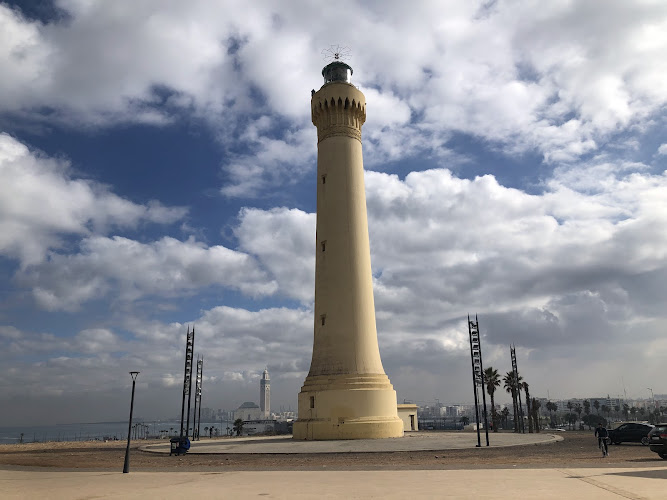
The El Hank Lighthouse stands as one of Casablanca's most compelling maritime monuments, rising 167 feet above the Atlantic coastline with the kind of commanding presence that makes you stop and stare. Built back in 1916, this working lighthouse has weathered over a century of storms, witnessed countless ships navigating Morocco's western shores, and somehow managed to become one of those places that travelers stumble upon and then can't stop recommending to others. I'll be honest with you—when I first heard about a lighthouse in Casablanca, I wasn't exactly jumping with excitement. But there's something about standing at the base of this red and white striped tower, feeling the ocean spray on your face while waves crash against the rocks below, that changes your perspective entirely. The lighthouse sits on a rocky promontory that juts out into the Atlantic, creating this dramatic meeting point between land and sea that photographers dream about. What makes El Hank particularly special is that it's not just some museum piece or abandoned structure. This lighthouse still serves its original purpose, guiding vessels through these waters just as it did when Morocco was under French protectorate rule. The functional aspect adds a layer of authenticity that you don't always find at tourist attractions. And yes, there's an inner spiral staircase that winds its way up through the tower, though access to the interior isn't always guaranteed—more on that later in the tips section. The surrounding area has this rugged, almost wild quality that contrasts sharply with the modern city sprawling behind it. Rocky outcrops, crashing waves, and that ever-present salty breeze create an atmosphere that feels worlds away from the hustle of downtown Casablanca. It's become a gathering spot for locals too, which I actually think enhances the experience rather than detracting from it. You'll see fishermen casting their lines, families enjoying picnics, and couples taking in those famous sunsets that paint the lighthouse in golden hues.

Key Features

• A towering 167-foot structure that dominates the coastal landscape and offers spectacular photo opportunities from multiple angles • Original construction dating to 1916, making it over a century old with genuine historical significance tied to Morocco's colonial period • Still-functioning lighthouse equipment that continues to guide maritime traffic along this busy section of the Atlantic coast • Internal spiral staircase winding through the tower's interior, providing a glimpse into the lighthouse keeper's daily reality • Dramatic rocky coastline surrounding the base where Atlantic waves crash with impressive force, especially during winter months • Sunset viewing platform status that's become legendary among both locals and visitors who know where to catch Casablanca's best evening light • Wheelchair accessible parking facilities making the site more inclusive than many historical landmarks in the region • Family-friendly environment suitable for children, though parents should obviously keep close watch near the rocky edges and water • Popular fishing spots along the nearby rocks where local anglers practice their craft throughout the day • Relatively uncommercialized atmosphere compared to other tourist attractions, maintaining an authentic character that feels refreshingly genuine

Best Time to Visit

Here's where things get interesting because timing your visit to El Hank can make the difference between a pleasant outing and an absolutely memorable experience. The lighthouse looks stunning year-round, but certain conditions really bring out its best qualities. Sunset is hands down the prime time to visit. I know, I know—everyone says that about coastal attractions. But the way the fading light hits that red and white tower while the Atlantic stretches endlessly toward the horizon creates these incredible color combinations that shift minute by minute. Plan to arrive at least 45 minutes before sunset to claim a good spot and watch the transformation happen. The golden hour photography opportunities here are genuinely exceptional, and you'll understand why locals consider this their go-to spot for evening relaxation. Weather-wise, spring and fall offer the most comfortable conditions. March through May and September through November bring moderate temperatures that make walking around the rocky terrain pleasant without the summer heat or winter chill. That said, winter visits have their own appeal—the Atlantic gets rougher, waves crash more dramatically against the rocks, and you'll have fewer crowds to contend with. Just dress warmly because that ocean wind doesn't mess around. Summer brings warmer weather but also more visitors, particularly on weekends when Casablanca residents flock to the coast seeking relief from urban heat. If you're visiting during peak season, try for weekday mornings when the light is lovely and the crowds haven't yet arrived. Early morning also offers calmer seas if you want clearer views across the water. Friday afternoons and weekends generally see heavier local traffic as families make it their weekend destination. This isn't necessarily a bad thing—the local atmosphere adds authenticity—but if you prefer solitude with your historical landmarks, midweek visits work better. Ramadan changes the rhythm of visits significantly. You'll find fewer people during daylight hours and more gathering after sunset for iftar picnics. The atmosphere during this period takes on a different character that some travelers find fascinating. Weather can shift quickly along this coast, so check forecasts before heading out. Fog sometimes rolls in and obscures the lighthouse, which is atmospheric in its own right but might disappoint if you're hoping for those classic sunset photos.

How to Get There

Getting to El Hank Lighthouse requires a bit of navigation, but it's definitely manageable even if you're new to Casablanca. The lighthouse sits on the western edge of the city, out past the Hassan II Mosque along the coastal road. Taxis remain the most straightforward option for most travelers. Grand taxis or petit taxis can get you there, though you'll want to agree on the fare beforehand or insist the meter runs. From central Casablanca or the medina area, the ride takes roughly 15-20 minutes depending on traffic. Make sure your driver understands you want "Phare d'El Hank" or simply "El Hank Lighthouse." Some drivers might try to drop you at the general area rather than taking you all the way to the parking area, so be specific about wanting to reach the lighthouse itself. Ride-sharing apps work here too and often eliminate the fare negotiation hassle. The set pricing makes budgeting easier, and you can see your route in real-time. Driving yourself is certainly possible if you've rented a car. There's wheelchair accessible parking available, which is worth noting since many Casablanca attractions lack proper parking facilities. Follow the coastal road (Boulevard de la Corniche) westward past the Hassan II Mosque and continue until you see signs for El Hank. The roads are generally well-maintained, though parking can fill up during peak times, especially sunset hours. Public transportation exists but requires more effort and local knowledge. Certain bus routes pass relatively near the lighthouse, but you'll likely face a walk of 15-20 minutes from the nearest stop. For first-time visitors, this probably isn't the most efficient approach unless you're particularly adventurous or budget-conscious. Walking from central Casablanca isn't really practical given the distance—several kilometers depending on your starting point—though the coastal walk from Hassan II Mosque area could work if you enjoy long strolls and have time to spare.

Tips for Visiting

Let me share some practical wisdom that'll help you make the most of your El Hank experience, including a few things I wish someone had told me before my first visit. Access to the lighthouse interior is inconsistent and shouldn't be your sole reason for visiting. The tower itself isn't officially open for tourist climbing, and while that spiral staircase exists, getting permission to ascend depends on timing, staffing, and sometimes just luck. The exterior and surrounding coastal area provide plenty of worthwhile experiences even if you can't get inside. Don't be disappointed—the setting itself is the real star here. Wear appropriate footwear because those rocks get slippery, especially if there's been spray from the waves or recent rain. Flip-flops might seem tempting for a coastal visit, but you'll want actual shoes with decent grip if you plan to explore around the base or walk along the rocky areas where fishermen gather. Bring water and maybe some snacks. There aren't vendors set up right at the lighthouse like you'd find at more commercialized attractions. The somewhat remote location means you'll want your own supplies, particularly if you're planning to stay through sunset and into early evening. Watch your belongings. While El Hank isn't particularly dangerous, any tourist attraction anywhere requires basic awareness. Keep cameras and phones secure, don't leave valuables visible in parked cars, and maintain that common-sense vigilance you'd exercise at any public place. The wind can be intense, so consider bringing a light jacket even on warm days. That Atlantic breeze feels refreshing at first but can get chilly during extended visits, particularly once the sun drops lower. If you're traveling with children, this place works well but requires supervision. The rocky terrain and proximity to rough ocean waters mean kids need watching. The good news is the area generally has enough space for children to explore safely with proper parental attention, and many local families visit with young ones. Photography enthusiasts should bring appropriate gear. The dramatic coastal setting rewards wide-angle lenses for landscape shots and telephoto lenses if you want to compress the lighthouse against the ocean backdrop. A tripod helps for sunset long exposures, though you'll need to mind the wind. The spray from waves can threaten electronics, so protective measures for your camera are smart. Combine your lighthouse visit with other nearby attractions to maximize your time. The Hassan II Mosque isn't far, and the Ain Diab corniche area offers restaurants and cafes where you can grab a meal before or after. Making El Hank part of a larger coastal exploration makes logistical sense. Respect local customs and people. This isn't exclusively a tourist zone—locals use this area for fishing, relaxation, and socializing. Be mindful when photographing people, ask permission when appropriate, and generally maintain the respectful attitude you'd want visitors to show in your hometown. The lighthouse looks different throughout the day as light conditions change, so multiple visits at various times can reveal new perspectives. Early morning offers that soft light photographers love, midday brings harsh but dramatic shadows, and sunset provides the famous golden glow everyone talks about. Check whether any local festivals or events might be happening during your visit. Occasionally the area hosts gatherings that could either enhance your experience or create unexpected crowds depending on your preferences. And finally—just enjoy the moment. Sometimes we get so focused on capturing the perfect photo or checking off the tourist box that we forget to actually experience places. Take some time to just stand there, listen to the waves, smell that salt air, and appreciate this century-old sentinel still doing its job after all these years.

Key Features

  • Key Features
  • Best Time to Visit
  • How to Get There
  • Tips for Visiting

More Details

Updated January 17, 2026

Description

The El Hank Lighthouse stands as one of Casablanca’s most compelling maritime monuments, rising 167 feet above the Atlantic coastline with the kind of commanding presence that makes you stop and stare. Built back in 1916, this working lighthouse has weathered over a century of storms, witnessed countless ships navigating Morocco’s western shores, and somehow managed to become one of those places that travelers stumble upon and then can’t stop recommending to others.

I’ll be honest with you—when I first heard about a lighthouse in Casablanca, I wasn’t exactly jumping with excitement. But there’s something about standing at the base of this red and white striped tower, feeling the ocean spray on your face while waves crash against the rocks below, that changes your perspective entirely. The lighthouse sits on a rocky promontory that juts out into the Atlantic, creating this dramatic meeting point between land and sea that photographers dream about.

What makes El Hank particularly special is that it’s not just some museum piece or abandoned structure. This lighthouse still serves its original purpose, guiding vessels through these waters just as it did when Morocco was under French protectorate rule. The functional aspect adds a layer of authenticity that you don’t always find at tourist attractions. And yes, there’s an inner spiral staircase that winds its way up through the tower, though access to the interior isn’t always guaranteed—more on that later in the tips section.

The surrounding area has this rugged, almost wild quality that contrasts sharply with the modern city sprawling behind it. Rocky outcrops, crashing waves, and that ever-present salty breeze create an atmosphere that feels worlds away from the hustle of downtown Casablanca. It’s become a gathering spot for locals too, which I actually think enhances the experience rather than detracting from it. You’ll see fishermen casting their lines, families enjoying picnics, and couples taking in those famous sunsets that paint the lighthouse in golden hues.

Key Features

• A towering 167-foot structure that dominates the coastal landscape and offers spectacular photo opportunities from multiple angles

• Original construction dating to 1916, making it over a century old with genuine historical significance tied to Morocco’s colonial period

• Still-functioning lighthouse equipment that continues to guide maritime traffic along this busy section of the Atlantic coast

• Internal spiral staircase winding through the tower’s interior, providing a glimpse into the lighthouse keeper’s daily reality

• Dramatic rocky coastline surrounding the base where Atlantic waves crash with impressive force, especially during winter months

• Sunset viewing platform status that’s become legendary among both locals and visitors who know where to catch Casablanca’s best evening light

• Wheelchair accessible parking facilities making the site more inclusive than many historical landmarks in the region

• Family-friendly environment suitable for children, though parents should obviously keep close watch near the rocky edges and water

• Popular fishing spots along the nearby rocks where local anglers practice their craft throughout the day

• Relatively uncommercialized atmosphere compared to other tourist attractions, maintaining an authentic character that feels refreshingly genuine

Best Time to Visit

Here’s where things get interesting because timing your visit to El Hank can make the difference between a pleasant outing and an absolutely memorable experience. The lighthouse looks stunning year-round, but certain conditions really bring out its best qualities.

Sunset is hands down the prime time to visit. I know, I know—everyone says that about coastal attractions. But the way the fading light hits that red and white tower while the Atlantic stretches endlessly toward the horizon creates these incredible color combinations that shift minute by minute. Plan to arrive at least 45 minutes before sunset to claim a good spot and watch the transformation happen. The golden hour photography opportunities here are genuinely exceptional, and you’ll understand why locals consider this their go-to spot for evening relaxation.

Weather-wise, spring and fall offer the most comfortable conditions. March through May and September through November bring moderate temperatures that make walking around the rocky terrain pleasant without the summer heat or winter chill. That said, winter visits have their own appeal—the Atlantic gets rougher, waves crash more dramatically against the rocks, and you’ll have fewer crowds to contend with. Just dress warmly because that ocean wind doesn’t mess around.

Summer brings warmer weather but also more visitors, particularly on weekends when Casablanca residents flock to the coast seeking relief from urban heat. If you’re visiting during peak season, try for weekday mornings when the light is lovely and the crowds haven’t yet arrived. Early morning also offers calmer seas if you want clearer views across the water.

Friday afternoons and weekends generally see heavier local traffic as families make it their weekend destination. This isn’t necessarily a bad thing—the local atmosphere adds authenticity—but if you prefer solitude with your historical landmarks, midweek visits work better.

Ramadan changes the rhythm of visits significantly. You’ll find fewer people during daylight hours and more gathering after sunset for iftar picnics. The atmosphere during this period takes on a different character that some travelers find fascinating.

Weather can shift quickly along this coast, so check forecasts before heading out. Fog sometimes rolls in and obscures the lighthouse, which is atmospheric in its own right but might disappoint if you’re hoping for those classic sunset photos.

How to Get There

Getting to El Hank Lighthouse requires a bit of navigation, but it’s definitely manageable even if you’re new to Casablanca. The lighthouse sits on the western edge of the city, out past the Hassan II Mosque along the coastal road.

Taxis remain the most straightforward option for most travelers. Grand taxis or petit taxis can get you there, though you’ll want to agree on the fare beforehand or insist the meter runs. From central Casablanca or the medina area, the ride takes roughly 15-20 minutes depending on traffic. Make sure your driver understands you want “Phare d’El Hank” or simply “El Hank Lighthouse.” Some drivers might try to drop you at the general area rather than taking you all the way to the parking area, so be specific about wanting to reach the lighthouse itself.

Ride-sharing apps work here too and often eliminate the fare negotiation hassle. The set pricing makes budgeting easier, and you can see your route in real-time.

Driving yourself is certainly possible if you’ve rented a car. There’s wheelchair accessible parking available, which is worth noting since many Casablanca attractions lack proper parking facilities. Follow the coastal road (Boulevard de la Corniche) westward past the Hassan II Mosque and continue until you see signs for El Hank. The roads are generally well-maintained, though parking can fill up during peak times, especially sunset hours.

Public transportation exists but requires more effort and local knowledge. Certain bus routes pass relatively near the lighthouse, but you’ll likely face a walk of 15-20 minutes from the nearest stop. For first-time visitors, this probably isn’t the most efficient approach unless you’re particularly adventurous or budget-conscious.

Walking from central Casablanca isn’t really practical given the distance—several kilometers depending on your starting point—though the coastal walk from Hassan II Mosque area could work if you enjoy long strolls and have time to spare.

Tips for Visiting

Let me share some practical wisdom that’ll help you make the most of your El Hank experience, including a few things I wish someone had told me before my first visit.

Access to the lighthouse interior is inconsistent and shouldn’t be your sole reason for visiting. The tower itself isn’t officially open for tourist climbing, and while that spiral staircase exists, getting permission to ascend depends on timing, staffing, and sometimes just luck. The exterior and surrounding coastal area provide plenty of worthwhile experiences even if you can’t get inside. Don’t be disappointed—the setting itself is the real star here.

Wear appropriate footwear because those rocks get slippery, especially if there’s been spray from the waves or recent rain. Flip-flops might seem tempting for a coastal visit, but you’ll want actual shoes with decent grip if you plan to explore around the base or walk along the rocky areas where fishermen gather.

Bring water and maybe some snacks. There aren’t vendors set up right at the lighthouse like you’d find at more commercialized attractions. The somewhat remote location means you’ll want your own supplies, particularly if you’re planning to stay through sunset and into early evening.

Watch your belongings. While El Hank isn’t particularly dangerous, any tourist attraction anywhere requires basic awareness. Keep cameras and phones secure, don’t leave valuables visible in parked cars, and maintain that common-sense vigilance you’d exercise at any public place.

The wind can be intense, so consider bringing a light jacket even on warm days. That Atlantic breeze feels refreshing at first but can get chilly during extended visits, particularly once the sun drops lower.

If you’re traveling with children, this place works well but requires supervision. The rocky terrain and proximity to rough ocean waters mean kids need watching. The good news is the area generally has enough space for children to explore safely with proper parental attention, and many local families visit with young ones.

Photography enthusiasts should bring appropriate gear. The dramatic coastal setting rewards wide-angle lenses for landscape shots and telephoto lenses if you want to compress the lighthouse against the ocean backdrop. A tripod helps for sunset long exposures, though you’ll need to mind the wind. The spray from waves can threaten electronics, so protective measures for your camera are smart.

Combine your lighthouse visit with other nearby attractions to maximize your time. The Hassan II Mosque isn’t far, and the Ain Diab corniche area offers restaurants and cafes where you can grab a meal before or after. Making El Hank part of a larger coastal exploration makes logistical sense.

Respect local customs and people. This isn’t exclusively a tourist zone—locals use this area for fishing, relaxation, and socializing. Be mindful when photographing people, ask permission when appropriate, and generally maintain the respectful attitude you’d want visitors to show in your hometown.

The lighthouse looks different throughout the day as light conditions change, so multiple visits at various times can reveal new perspectives. Early morning offers that soft light photographers love, midday brings harsh but dramatic shadows, and sunset provides the famous golden glow everyone talks about.

Check whether any local festivals or events might be happening during your visit. Occasionally the area hosts gatherings that could either enhance your experience or create unexpected crowds depending on your preferences.

And finally—just enjoy the moment. Sometimes we get so focused on capturing the perfect photo or checking off the tourist box that we forget to actually experience places. Take some time to just stand there, listen to the waves, smell that salt air, and appreciate this century-old sentinel still doing its job after all these years.

Key Highlights

  • Key Features
  • Best Time to Visit
  • How to Get There
  • Tips for Visiting

Location

Places to Stay Near El Hank Lighthouse

Find and Book a Tour

Explore More Travel Guides

No reviews found! Be the first to review!

Traveler Reviews for El Hank Lighthouse

There are no reviews yet. Be the first one to write one.

Share Your Experience

Have you visited El Hank Lighthouse? Help other travelers by sharing your review.

Find Accommodations Nearby

Recommended Tours & Activities

Visitor Reviews

There are no reviews yet. Be the first one to write one.

Share Your Experience

Have you visited El Hank Lighthouse? Help other travelers by leaving a review.