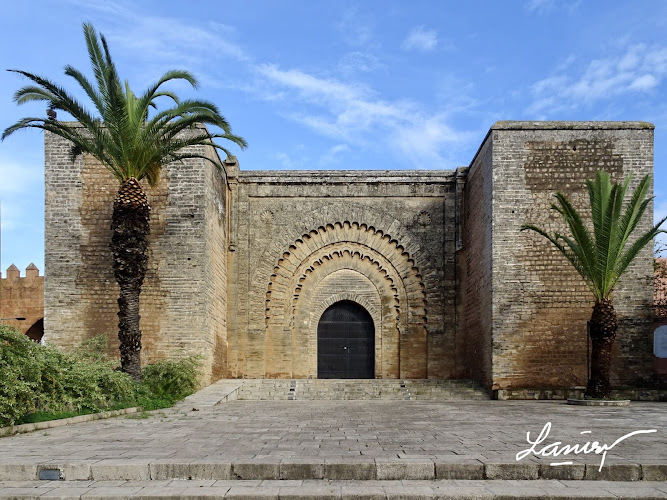
About Bab Rouah Gate

Description

Bab Rouah Gate stands as one of Marrakech's most impressive historical monuments, though honestly, it doesn't get nearly the attention it deserves compared to some of the city's more famous landmarks. Built in the 12th century during the Almohad dynasty, this massive fortified gate once served as one of the main entrances to the old city, and walking up to it for the first time, you'll immediately understand why it's survived nearly nine centuries. The structure itself is absolutely massive - we're talking about thick stone walls that were designed to withstand siege warfare, complete with defensive towers and intricate architectural details that showcase the incredible craftsmanship of medieval Moroccan builders. But what makes Bab Rouah really special today is how it's been given new life as an art gallery and cultural space. The restoration work done on this ancient gate has been thoughtfully executed, preserving its historical character while making it functional as a modern exhibition venue. Inside these ancient walls, visitors will find rotating exhibitions featuring works from both Moroccan and international artists. The juxtaposition of contemporary art against 12th-century stone architecture creates this really unique atmosphere that you won't find in your typical white-walled gallery space. I've always thought there's something powerful about seeing modern creative expression housed within structures that have witnessed centuries of history. The gate's name, Bab Rouah, translates roughly to "Gate of the Wind" in Arabic, and local legend suggests it earned this name from the breezes that would sweep through its archways. Whether that's true or just a romantic story, the name definitely suits this imposing structure that has weathered both literal and metaphorical storms throughout its long existence.

Key Features

  • Authentic 12th-century Almohad architecture with remarkably well-preserved defensive structures and ornamental details that showcase medieval Islamic design principles
  • Contemporary art exhibitions that rotate regularly, featuring paintings, sculptures, and mixed media works from established and emerging artists across Morocco and the broader international art scene
  • Wheelchair accessible entrance and parking facilities, making this historical site genuinely accessible to visitors with mobility considerations - something that's still unfortunately rare at many ancient monuments
  • Massive fortification walls that reach impressive heights, providing insight into the military architecture and defensive strategies of the Almohad period
  • Intricate stone carvings and architectural ornamentation that demonstrate the sophisticated artistic traditions of 12th-century Morocco
  • Family-friendly environment with exhibitions suitable for children, making it a practical cultural stop for travelers with kids who might be getting temple fatigue from too many adult-oriented historical sites
  • Relatively uncrowded compared to Marrakech's main tourist attractions, offering a more contemplative and personal experience of Moroccan history and contemporary culture
  • Exhibition spaces that span multiple rooms and levels, allowing visitors to explore both the architectural features of the gate itself and the artworks on display
  • Educational information about both the historical significance of the gate and the artistic works being exhibited, though signage could be better in some areas
  • Photography opportunities that are genuinely unique - where else can you capture contemporary art installations framed by 900-year-old Islamic architecture?

Best Time to Visit

Timing your visit to Bab Rouah Gate requires thinking about both Marrakech's climate and the rhythm of the city itself. The gate is open year-round, but your experience will vary considerably depending on when you go. From a purely practical standpoint, the cooler months between October and April offer the most comfortable conditions for exploring this historical site. Marrakech summers can be brutally hot, and while the thick stone walls of Bab Rouah provide some relief from the heat, you'll still need to walk around the exterior and through courtyards where temperatures can soar above 100 degrees Fahrenheit. I personally think November through February represents the sweet spot - you'll enjoy pleasant temperatures without the peak tourist crowds of March and April. But here's something most guidebooks won't tell you: the exhibition schedule matters as much as the weather. The art shows rotate several times throughout the year, so if you're genuinely interested in contemporary Moroccan art (and you should be - it's fantastic), try to research what's on display before you visit. Some exhibitions are significantly more compelling than others, and it would be a shame to visit during a lackluster show when something amazing might be coming the following month. Early mornings, particularly around opening time, offer the best experience regardless of season. You'll likely have the galleries nearly to yourself, which allows for actual contemplation of both the art and the architecture. By mid-morning, tour groups sometimes pass through, and the intimate atmosphere gets disrupted. Late afternoons can also be lovely, especially in winter when the low sun creates dramatic shadows across the ancient stonework. Weekdays generally see fewer visitors than weekends, when local families often come to enjoy the cultural programming. And while I usually recommend avoiding major holidays at popular tourist sites, Moroccan cultural celebrations at Bab Rouah can actually enhance your visit with special exhibitions or performances - just expect larger crowds.

How to Get There

Getting to Bab Rouah Gate is straightforward, though like everything in Marrakech, it requires some navigation savvy and patience with the city's wonderful chaos. The gate is located along the western edge of the medina, making it accessible from both the old city and the newer Gueliz district. If you're staying in the medina itself, walking is definitely your best option - though be prepared for the fact that GPS doesn't always work perfectly in the narrow streets, and asking locals for directions becomes part of the adventure. Most people in the area know where Bab Rouah is located, though you might need to ask several times as you get closer. Taxis remain the most convenient option for many visitors. Both petit taxis (the small beige cabs) and grand taxis can get you there, but make sure the driver uses the meter or agree on a fare before setting off. From Jemaa el-Fnaa, the main square, the journey shouldn't take more than 10-15 minutes depending on traffic, and it shouldn't cost more than 20-30 dirhams in a petit taxi. Some drivers might claim not to know exactly where Bab Rouah is - in my experience, they almost always do know but are testing whether you're an easy mark for a longer, pricier route. For the more adventurous, renting a bicycle offers a fantastic way to explore Marrakech's historical sites including Bab Rouah. The ride from the medina's center takes about 20 minutes, and you'll pass through neighborhoods that most tourists never see. Just be aware that Marrakech traffic can be intimidating, with motorbikes, cars, donkey carts, and pedestrians all sharing the same space according to rules that seem nonexistent. Public buses do service the area, but unless you're comfortable with crowded local transport and have time to figure out the routes, taxis or walking make more sense for most visitors. The important thing is leaving yourself enough time - Marrakech has a way of making every journey take longer than expected, and that's part of its charm.

Tips for Visiting

Planning your visit to Bab Rouah Gate takes just a bit of preparation to make the experience truly worthwhile. Here's what you actually need to know, based on real considerations rather than generic travel advice. First off, admission fees are very reasonable by international standards - we're talking about a few dollars, not the premium prices you'd pay at major museums in Europe or North America. Bring cash in Moroccan dirhams because card payment isn't always available, and having exact change helps smooth things along. Dress respectfully but comfortably. This is Morocco, not a beach resort, and while Bab Rouah isn't a religious site, it's a cultural institution where locals expect visitors to dress modestly. That doesn't mean you need to cover yourself head to toe, but shoulders and knees should generally be covered. And wear comfortable shoes - you'll be walking on uneven stone surfaces that have been worn smooth by centuries of foot traffic. Photography is generally allowed, which is fantastic news because the combination of ancient architecture and contemporary art creates incredible visual opportunities. However, flash photography might be restricted in certain exhibition spaces to protect the artworks, so pay attention to posted rules. And please, please don't be that person who spends the entire visit looking at everything through their phone screen. The site is genuinely wheelchair accessible, which deserves emphasis because accessible historical sites remain rare in Morocco. The management has made real efforts to ensure visitors with mobility limitations can experience both the architecture and the exhibitions. That said, some upper areas might still present challenges, so checking with staff upon arrival makes sense if you have specific accessibility needs. Allow at least an hour for your visit, though art enthusiasts could easily spend two or three hours exploring the exhibitions and appreciating the architectural details. The gift shop, when it's stocked, offers some interesting locally-made items and art books, though selection can be hit or miss. Here's something many visitors miss: engage with the staff and guards. Many of them are incredibly knowledgeable about both the gate's history and the current exhibitions, and they're often happy to share insights if you show genuine interest. My best visits to historical sites always involve conversations with the people who work there daily. Combine your visit to Bab Rouah with other nearby attractions. The gate sits relatively close to other historical sites and interesting neighborhoods that don't make it into every guidebook. After experiencing the art and architecture here, you'll be perfectly positioned to explore less-touristy parts of Marrakech. Finally, manage your expectations appropriately. Bab Rouah Gate isn't going to be the highlight of every traveler's Marrakech experience - the reviews suggest most visitors appreciate it but aren't overwhelmed. It's a solid cultural attraction that offers genuine historical and artistic value, particularly for travelers who want to dig slightly deeper into Moroccan culture beyond the main tourist circuit. If you approach it as an opportunity to see authentic 12th-century architecture while supporting contemporary Moroccan artists, you'll likely find the experience rewarding and worthwhile.

Key Features

  • Authentic 12th-century Almohad architecture with remarkably well-preserved defensive structures and ornamental details that showcase medieval Islamic design principles
  • Contemporary art exhibitions that rotate regularly, featuring paintings, sculptures, and mixed media works from established and emerging artists across Morocco and the broader international art scene
  • Massive fortification walls that reach impressive heights, providing insight into the military architecture and defensive strategies of the Almohad period
  • Intricate stone carvings and architectural ornamentation that demonstrate the sophisticated artistic traditions of 12th-century Morocco
  • Relatively uncrowded compared to Marrakech's main tourist attractions, offering a more contemplative and personal experience of Moroccan history and contemporary culture
  • Exhibition spaces that span multiple rooms and levels, allowing visitors to explore both the architectural features of the gate itself and the artworks on display

More Details

Updated January 17, 2026

Description

Bab Rouah Gate stands as one of Marrakech’s most impressive historical monuments, though honestly, it doesn’t get nearly the attention it deserves compared to some of the city’s more famous landmarks. Built in the 12th century during the Almohad dynasty, this massive fortified gate once served as one of the main entrances to the old city, and walking up to it for the first time, you’ll immediately understand why it’s survived nearly nine centuries.

The structure itself is absolutely massive – we’re talking about thick stone walls that were designed to withstand siege warfare, complete with defensive towers and intricate architectural details that showcase the incredible craftsmanship of medieval Moroccan builders. But what makes Bab Rouah really special today is how it’s been given new life as an art gallery and cultural space. The restoration work done on this ancient gate has been thoughtfully executed, preserving its historical character while making it functional as a modern exhibition venue.

Inside these ancient walls, visitors will find rotating exhibitions featuring works from both Moroccan and international artists. The juxtaposition of contemporary art against 12th-century stone architecture creates this really unique atmosphere that you won’t find in your typical white-walled gallery space. I’ve always thought there’s something powerful about seeing modern creative expression housed within structures that have witnessed centuries of history.

The gate’s name, Bab Rouah, translates roughly to “Gate of the Wind” in Arabic, and local legend suggests it earned this name from the breezes that would sweep through its archways. Whether that’s true or just a romantic story, the name definitely suits this imposing structure that has weathered both literal and metaphorical storms throughout its long existence.

Key Features

  • Authentic 12th-century Almohad architecture with remarkably well-preserved defensive structures and ornamental details that showcase medieval Islamic design principles
  • Contemporary art exhibitions that rotate regularly, featuring paintings, sculptures, and mixed media works from established and emerging artists across Morocco and the broader international art scene
  • Wheelchair accessible entrance and parking facilities, making this historical site genuinely accessible to visitors with mobility considerations – something that’s still unfortunately rare at many ancient monuments
  • Massive fortification walls that reach impressive heights, providing insight into the military architecture and defensive strategies of the Almohad period
  • Intricate stone carvings and architectural ornamentation that demonstrate the sophisticated artistic traditions of 12th-century Morocco
  • Family-friendly environment with exhibitions suitable for children, making it a practical cultural stop for travelers with kids who might be getting temple fatigue from too many adult-oriented historical sites
  • Relatively uncrowded compared to Marrakech’s main tourist attractions, offering a more contemplative and personal experience of Moroccan history and contemporary culture
  • Exhibition spaces that span multiple rooms and levels, allowing visitors to explore both the architectural features of the gate itself and the artworks on display
  • Educational information about both the historical significance of the gate and the artistic works being exhibited, though signage could be better in some areas
  • Photography opportunities that are genuinely unique – where else can you capture contemporary art installations framed by 900-year-old Islamic architecture?

Best Time to Visit

Timing your visit to Bab Rouah Gate requires thinking about both Marrakech’s climate and the rhythm of the city itself. The gate is open year-round, but your experience will vary considerably depending on when you go.

From a purely practical standpoint, the cooler months between October and April offer the most comfortable conditions for exploring this historical site. Marrakech summers can be brutally hot, and while the thick stone walls of Bab Rouah provide some relief from the heat, you’ll still need to walk around the exterior and through courtyards where temperatures can soar above 100 degrees Fahrenheit. I personally think November through February represents the sweet spot – you’ll enjoy pleasant temperatures without the peak tourist crowds of March and April.

But here’s something most guidebooks won’t tell you: the exhibition schedule matters as much as the weather. The art shows rotate several times throughout the year, so if you’re genuinely interested in contemporary Moroccan art (and you should be – it’s fantastic), try to research what’s on display before you visit. Some exhibitions are significantly more compelling than others, and it would be a shame to visit during a lackluster show when something amazing might be coming the following month.

Early mornings, particularly around opening time, offer the best experience regardless of season. You’ll likely have the galleries nearly to yourself, which allows for actual contemplation of both the art and the architecture. By mid-morning, tour groups sometimes pass through, and the intimate atmosphere gets disrupted. Late afternoons can also be lovely, especially in winter when the low sun creates dramatic shadows across the ancient stonework.

Weekdays generally see fewer visitors than weekends, when local families often come to enjoy the cultural programming. And while I usually recommend avoiding major holidays at popular tourist sites, Moroccan cultural celebrations at Bab Rouah can actually enhance your visit with special exhibitions or performances – just expect larger crowds.

How to Get There

Getting to Bab Rouah Gate is straightforward, though like everything in Marrakech, it requires some navigation savvy and patience with the city’s wonderful chaos.

The gate is located along the western edge of the medina, making it accessible from both the old city and the newer Gueliz district. If you’re staying in the medina itself, walking is definitely your best option – though be prepared for the fact that GPS doesn’t always work perfectly in the narrow streets, and asking locals for directions becomes part of the adventure. Most people in the area know where Bab Rouah is located, though you might need to ask several times as you get closer.

Taxis remain the most convenient option for many visitors. Both petit taxis (the small beige cabs) and grand taxis can get you there, but make sure the driver uses the meter or agree on a fare before setting off. From Jemaa el-Fnaa, the main square, the journey shouldn’t take more than 10-15 minutes depending on traffic, and it shouldn’t cost more than 20-30 dirhams in a petit taxi. Some drivers might claim not to know exactly where Bab Rouah is – in my experience, they almost always do know but are testing whether you’re an easy mark for a longer, pricier route.

For the more adventurous, renting a bicycle offers a fantastic way to explore Marrakech’s historical sites including Bab Rouah. The ride from the medina’s center takes about 20 minutes, and you’ll pass through neighborhoods that most tourists never see. Just be aware that Marrakech traffic can be intimidating, with motorbikes, cars, donkey carts, and pedestrians all sharing the same space according to rules that seem nonexistent.

Public buses do service the area, but unless you’re comfortable with crowded local transport and have time to figure out the routes, taxis or walking make more sense for most visitors.

The important thing is leaving yourself enough time – Marrakech has a way of making every journey take longer than expected, and that’s part of its charm.

Tips for Visiting

Planning your visit to Bab Rouah Gate takes just a bit of preparation to make the experience truly worthwhile. Here’s what you actually need to know, based on real considerations rather than generic travel advice.

First off, admission fees are very reasonable by international standards – we’re talking about a few dollars, not the premium prices you’d pay at major museums in Europe or North America. Bring cash in Moroccan dirhams because card payment isn’t always available, and having exact change helps smooth things along.

Dress respectfully but comfortably. This is Morocco, not a beach resort, and while Bab Rouah isn’t a religious site, it’s a cultural institution where locals expect visitors to dress modestly. That doesn’t mean you need to cover yourself head to toe, but shoulders and knees should generally be covered. And wear comfortable shoes – you’ll be walking on uneven stone surfaces that have been worn smooth by centuries of foot traffic.

Photography is generally allowed, which is fantastic news because the combination of ancient architecture and contemporary art creates incredible visual opportunities. However, flash photography might be restricted in certain exhibition spaces to protect the artworks, so pay attention to posted rules. And please, please don’t be that person who spends the entire visit looking at everything through their phone screen.

The site is genuinely wheelchair accessible, which deserves emphasis because accessible historical sites remain rare in Morocco. The management has made real efforts to ensure visitors with mobility limitations can experience both the architecture and the exhibitions. That said, some upper areas might still present challenges, so checking with staff upon arrival makes sense if you have specific accessibility needs.

Allow at least an hour for your visit, though art enthusiasts could easily spend two or three hours exploring the exhibitions and appreciating the architectural details. The gift shop, when it’s stocked, offers some interesting locally-made items and art books, though selection can be hit or miss.

Here’s something many visitors miss: engage with the staff and guards. Many of them are incredibly knowledgeable about both the gate’s history and the current exhibitions, and they’re often happy to share insights if you show genuine interest. My best visits to historical sites always involve conversations with the people who work there daily.

Combine your visit to Bab Rouah with other nearby attractions. The gate sits relatively close to other historical sites and interesting neighborhoods that don’t make it into every guidebook. After experiencing the art and architecture here, you’ll be perfectly positioned to explore less-touristy parts of Marrakech.

Finally, manage your expectations appropriately. Bab Rouah Gate isn’t going to be the highlight of every traveler’s Marrakech experience – the reviews suggest most visitors appreciate it but aren’t overwhelmed. It’s a solid cultural attraction that offers genuine historical and artistic value, particularly for travelers who want to dig slightly deeper into Moroccan culture beyond the main tourist circuit. If you approach it as an opportunity to see authentic 12th-century architecture while supporting contemporary Moroccan artists, you’ll likely find the experience rewarding and worthwhile.

Key Highlights

  • Authentic 12th-century Almohad architecture with remarkably well-preserved defensive structures and ornamental details that showcase medieval Islamic design principles
  • Contemporary art exhibitions that rotate regularly, featuring paintings, sculptures, and mixed media works from established and emerging artists across Morocco and the broader international art scene
  • Massive fortification walls that reach impressive heights, providing insight into the military architecture and defensive strategies of the Almohad period
  • Intricate stone carvings and architectural ornamentation that demonstrate the sophisticated artistic traditions of 12th-century Morocco
  • Relatively uncrowded compared to Marrakech's main tourist attractions, offering a more contemplative and personal experience of Moroccan history and contemporary culture
  • Exhibition spaces that span multiple rooms and levels, allowing visitors to explore both the architectural features of the gate itself and the artworks on display

Location

Places to Stay Near Bab Rouah Gate

Find and Book a Tour

Explore More Travel Guides

No reviews found! Be the first to review!

Traveler Reviews for Bab Rouah Gate

There are no reviews yet. Be the first one to write one.

Share Your Experience

Have you visited Bab Rouah Gate? Help other travelers by sharing your review.

Find Accommodations Nearby

Recommended Tours & Activities

Visitor Reviews

There are no reviews yet. Be the first one to write one.

Share Your Experience

Have you visited Bab Rouah Gate? Help other travelers by leaving a review.