
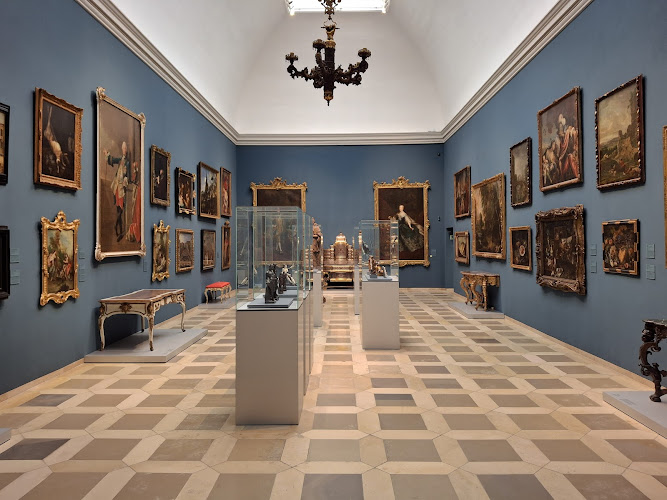
Germanic National Museum
About Germanic National Museum
Description
The Germanic National Museum stands as Germany's largest museum dedicated to art and cultural history, housing an extraordinary collection that spans from prehistoric times through to the present day. Located in Nuremberg, this cultural institution offers travelers an unparalleled journey through German-speaking regions' artistic and historical evolution. With over 1.3 million objects in its permanent collection and roughly 25,000 items on display at any given time, visitors could honestly spend days here and still not see everything. What makes this museum genuinely remarkable is how it manages to avoid feeling like just another stuffy collection of old artifacts. The curators have done an impressive job of making centuries of history feel relevant and engaging. I've visited plenty of history museums that left me checking my watch after an hour, but this place has a different energy to it. The medieval collections alone are worth the journey to Nuremberg, with everything from illuminated manuscripts to delicate goldsmith work that'll make you wonder how people created such beauty without modern technology. The building itself tells a story too – it incorporates a 14th-century monastery into its structure, so you're literally walking through layers of history as you explore. The architecture creates this interesting contrast between old stone walls and modern exhibition spaces that somehow works perfectly. And the sheer scope of what's on display here means whether you're into religious art, musical instruments, historical toys, or scientific equipment, you'll find something that catches your attention.Key Features
- Over 1.3 million objects spanning from early history through contemporary times, making it Germany's most comprehensive cultural history museum
- Exceptional medieval art collection featuring altarpieces, sculptures, and manuscripts that rank among Europe's finest examples
- An entire section dedicated to historical musical instruments with pieces dating back several centuries, including rare keyboard instruments and early string instruments
- Temporary exhibitions that rotate throughout the year, ensuring repeat visitors always discover something new
- Live performance spaces where musicians occasionally play period instruments from the collection, bringing historical music to life
- Interactive displays particularly designed for younger visitors, making the museum genuinely engaging for families with children
- A remarkable collection of works by Albrecht Dürer, Nuremberg's most famous artistic son
- Historic toys and dollhouses that provide fascinating insights into childhood across different eras
- Extensive textile collections showcasing German craftsmanship in clothing and decorative fabrics
- Scientific instruments and early technological innovations that demonstrate German contributions to various fields
- An on-site restaurant where you can recharge without having to leave the museum complex
- Comprehensive wheelchair accessibility throughout the facility, including adapted restrooms and seating areas
- Free Wi-Fi access for visitors who want to share their discoveries or do additional research while exploring
- Special family discounts and reduced admission for children, making it budget-friendly for traveling families
Best Time to Visit
Timing your visit to the Germanic National Museum can significantly impact your experience, and there's more to consider than just avoiding crowds. The museum operates year-round, but certain periods offer distinct advantages depending on what you're after. Winter months, particularly January and February, see fewer tourists overall in Nuremberg. This means you'll have more breathing room in the galleries and won't find yourself jockeying for position to see popular pieces. But here's the thing – the museum's cafe and restaurant become especially cozy during these months, and there's something magical about exploring medieval artifacts while snow falls outside those monastery windows. Spring and early autumn represent sweet spots for most travelers. The weather's pleasant for walking around Nuremberg before or after your museum visit, and the crowds haven't reached summer peak levels yet. Late September through October is particularly nice because the city hosts various cultural events, and the museum often coordinates special exhibitions around this time. Summer brings the biggest crowds, especially during German school holidays. However, if you're traveling with kids, this might actually work in your favor since the museum ramps up its family-oriented programming during these periods. Just plan to arrive right when doors open at 10 AM to beat the tour groups. Weekday mornings generally offer the most peaceful experience regardless of season. Tuesdays through Thursdays tend to be quietest, while weekends can get surprisingly busy with both tourists and local families. And if you're someone who gets museum fatigue easily, consider that the building stays open until 6 PM most days, with extended hours until 9 PM on Wednesdays – those evening visits can be remarkably tranquil. Special exhibitions can dramatically affect both crowds and your reasons for visiting. Check the museum's current offerings before you go because they frequently host important temporary shows that might align perfectly with your interests. I've learned that visiting during the first week of a major new exhibition means you'll see it before word spreads too widely.How to Get There
Getting to the Germanic National Museum is refreshingly straightforward, which honestly isn't something you can say about reaching every major European museum. The facility sits in Nuremberg's old town area, making it easily accessible whether you're staying in the city or making a day trip. If you're arriving by train at Nuremberg's main station (Hauptbahnhof), you've got several options. The most direct route involves catching the U-Bahn (subway) U1, U2, or U3 lines heading toward the city center and getting off at Opernhaus station. From there, it's about a seven-minute walk. Honestly though, the entire journey from the train station is only about 20 minutes on foot if you're up for it, and you'll pass through some interesting parts of the old town along the way. Public transportation in Nuremberg is efficient and tourist-friendly. A single ticket covers your journey on trams, buses, and the U-Bahn. If you're planning to visit other attractions the same day, grab a day pass – it'll save you money and the hassle of buying individual tickets. The trams also stop close by, with line 4 being particularly convenient. For those driving, parking can be a bit tricky in the old town like most historic European city centers. The museum does have wheelchair-accessible parking, but spaces fill up quickly. Your best bet is probably the Parkhaus Adlerstraße or Parkhaus Katharinenhof, both within reasonable walking distance. Just remember that Nuremberg's old town has various pedestrian zones and traffic restrictions, so follow your GPS carefully. International travelers flying into Nuremberg Airport will find the journey into the city takes about 20 minutes via U-Bahn line U2. The connection is direct and runs frequently, making it one of the easier airport-to-museum commutes you'll encounter in Germany. Bicycle rental is popular in Nuremberg, and if you're comfortable cycling in a European city, the museum is easily reachable by bike. There are dedicated bike lanes on many streets, and secure bicycle parking is available near the entrance.Tips for Visiting
Plan for more time than you think you'll need. Seriously, this isn't the kind of museum you can "do" in an hour. Most visitors spend at least three to four hours here, and passionate history buffs could easily justify a full day. The collection is massive, and rushing through defeats the purpose entirely. Download the museum's guide or pick up an audio guide at the entrance. The Germanic National Museum contains so much material that without some guidance, you might miss significant pieces or not understand the context of what you're seeing. The audio guides are available in multiple languages and genuinely enhance the experience rather than just reading wall text at you. Wear comfortable shoes – this cannot be emphasized enough. You'll be on your feet for hours walking through multiple floors and extensive galleries. The floors are a mix of modern flooring and original stone in some sections, so save your fashionable-but-painful footwear for dinner afterwards. Take advantage of the on-site restaurant for lunch rather than leaving and coming back. Exiting and re-entering breaks your concentration, and finding decent food nearby during peak lunch hours can waste precious museum time. The cafe offers reasonable prices by museum standards and gives you a chance to process what you've seen so far. If you're visiting with children, head to the family-friendly sections first while everyone's energy is high. The toy collection and interactive displays work best when kids are still fresh and engaged. Save the more contemplative religious art galleries for later, or honestly, just skip them if your kids are getting restless. There's no shame in tailoring your visit to your group's interests. Photography is generally allowed but without flash. Check for any specific restrictions in temporary exhibition areas, as some loaned items may have photography prohibitions. And please, be considerate of other visitors when taking photos – nobody wants someone's selfie stick blocking their view of a 15th-century masterpiece. The museum can get overwhelming with its sheer size and scope. Don't feel obligated to see every single thing. Pick a few areas that genuinely interest you and explore those thoroughly rather than rushing through everything superficially. I've found that focusing on two or three collections per visit makes for a much more satisfying and memorable experience. Consider visiting during one of the live performance events if your schedule allows. Hearing period instruments played in the museum's spaces adds an incredible dimension that recorded audio simply can't match. These events aren't daily, so check the schedule in advance. The museum shop is actually worth browsing, which isn't something I say about most museum stores. They stock quality books on German art history, reproductions of pieces from the collection, and unique souvenirs that don't feel cheap or mass-produced. Finally, remember that admission tickets include access to all permanent exhibitions and most temporary shows. Family tickets offer significant savings, and if you're a student or senior, bring valid ID for reduced rates. The museum wants people to visit, so they've made pricing fairly reasonable for what you get access to.Key Features
- Over 1.3 million objects spanning from early history through contemporary times, making it Germany's most comprehensive cultural history museum
- Exceptional medieval art collection featuring altarpieces, sculptures, and manuscripts that rank among Europe's finest examples
- An entire section dedicated to historical musical instruments with pieces dating back several centuries, including rare keyboard instruments and early string instruments
- Temporary exhibitions that rotate throughout the year, ensuring repeat visitors always discover something new
- Live performance spaces where musicians occasionally play period instruments from the collection, bringing historical music to life
- Interactive displays particularly designed for younger visitors, making the museum genuinely engaging for families with children
- A remarkable collection of works by Albrecht Dürer, Nuremberg's most famous artistic son
- Historic toys and dollhouses that provide fascinating insights into childhood across different eras
More Details
Updated March 30, 2026
Table of Contents
Description
The Germanic National Museum stands as Germany’s largest museum dedicated to art and cultural history, housing an extraordinary collection that spans from prehistoric times through to the present day. Located in Nuremberg, this cultural institution offers travelers an unparalleled journey through German-speaking regions’ artistic and historical evolution. With over 1.3 million objects in its permanent collection and roughly 25,000 items on display at any given time, visitors could honestly spend days here and still not see everything.
What makes this museum genuinely remarkable is how it manages to avoid feeling like just another stuffy collection of old artifacts. The curators have done an impressive job of making centuries of history feel relevant and engaging. I’ve visited plenty of history museums that left me checking my watch after an hour, but this place has a different energy to it. The medieval collections alone are worth the journey to Nuremberg, with everything from illuminated manuscripts to delicate goldsmith work that’ll make you wonder how people created such beauty without modern technology.
The building itself tells a story too – it incorporates a 14th-century monastery into its structure, so you’re literally walking through layers of history as you explore. The architecture creates this interesting contrast between old stone walls and modern exhibition spaces that somehow works perfectly. And the sheer scope of what’s on display here means whether you’re into religious art, musical instruments, historical toys, or scientific equipment, you’ll find something that catches your attention.
Key Features
- Over 1.3 million objects spanning from early history through contemporary times, making it Germany’s most comprehensive cultural history museum
- Exceptional medieval art collection featuring altarpieces, sculptures, and manuscripts that rank among Europe’s finest examples
- An entire section dedicated to historical musical instruments with pieces dating back several centuries, including rare keyboard instruments and early string instruments
- Temporary exhibitions that rotate throughout the year, ensuring repeat visitors always discover something new
- Live performance spaces where musicians occasionally play period instruments from the collection, bringing historical music to life
- Interactive displays particularly designed for younger visitors, making the museum genuinely engaging for families with children
- A remarkable collection of works by Albrecht Dürer, Nuremberg’s most famous artistic son
- Historic toys and dollhouses that provide fascinating insights into childhood across different eras
- Extensive textile collections showcasing German craftsmanship in clothing and decorative fabrics
- Scientific instruments and early technological innovations that demonstrate German contributions to various fields
- An on-site restaurant where you can recharge without having to leave the museum complex
- Comprehensive wheelchair accessibility throughout the facility, including adapted restrooms and seating areas
- Free Wi-Fi access for visitors who want to share their discoveries or do additional research while exploring
- Special family discounts and reduced admission for children, making it budget-friendly for traveling families
Best Time to Visit
Timing your visit to the Germanic National Museum can significantly impact your experience, and there’s more to consider than just avoiding crowds. The museum operates year-round, but certain periods offer distinct advantages depending on what you’re after.
Winter months, particularly January and February, see fewer tourists overall in Nuremberg. This means you’ll have more breathing room in the galleries and won’t find yourself jockeying for position to see popular pieces. But here’s the thing – the museum’s cafe and restaurant become especially cozy during these months, and there’s something magical about exploring medieval artifacts while snow falls outside those monastery windows.
Spring and early autumn represent sweet spots for most travelers. The weather’s pleasant for walking around Nuremberg before or after your museum visit, and the crowds haven’t reached summer peak levels yet. Late September through October is particularly nice because the city hosts various cultural events, and the museum often coordinates special exhibitions around this time.
Summer brings the biggest crowds, especially during German school holidays. However, if you’re traveling with kids, this might actually work in your favor since the museum ramps up its family-oriented programming during these periods. Just plan to arrive right when doors open at 10 AM to beat the tour groups.
Weekday mornings generally offer the most peaceful experience regardless of season. Tuesdays through Thursdays tend to be quietest, while weekends can get surprisingly busy with both tourists and local families. And if you’re someone who gets museum fatigue easily, consider that the building stays open until 6 PM most days, with extended hours until 9 PM on Wednesdays – those evening visits can be remarkably tranquil.
Special exhibitions can dramatically affect both crowds and your reasons for visiting. Check the museum’s current offerings before you go because they frequently host important temporary shows that might align perfectly with your interests. I’ve learned that visiting during the first week of a major new exhibition means you’ll see it before word spreads too widely.
How to Get There
Getting to the Germanic National Museum is refreshingly straightforward, which honestly isn’t something you can say about reaching every major European museum. The facility sits in Nuremberg’s old town area, making it easily accessible whether you’re staying in the city or making a day trip.
If you’re arriving by train at Nuremberg’s main station (Hauptbahnhof), you’ve got several options. The most direct route involves catching the U-Bahn (subway) U1, U2, or U3 lines heading toward the city center and getting off at Opernhaus station. From there, it’s about a seven-minute walk. Honestly though, the entire journey from the train station is only about 20 minutes on foot if you’re up for it, and you’ll pass through some interesting parts of the old town along the way.
Public transportation in Nuremberg is efficient and tourist-friendly. A single ticket covers your journey on trams, buses, and the U-Bahn. If you’re planning to visit other attractions the same day, grab a day pass – it’ll save you money and the hassle of buying individual tickets. The trams also stop close by, with line 4 being particularly convenient.
For those driving, parking can be a bit tricky in the old town like most historic European city centers. The museum does have wheelchair-accessible parking, but spaces fill up quickly. Your best bet is probably the Parkhaus Adlerstraße or Parkhaus Katharinenhof, both within reasonable walking distance. Just remember that Nuremberg’s old town has various pedestrian zones and traffic restrictions, so follow your GPS carefully.
International travelers flying into Nuremberg Airport will find the journey into the city takes about 20 minutes via U-Bahn line U2. The connection is direct and runs frequently, making it one of the easier airport-to-museum commutes you’ll encounter in Germany.
Bicycle rental is popular in Nuremberg, and if you’re comfortable cycling in a European city, the museum is easily reachable by bike. There are dedicated bike lanes on many streets, and secure bicycle parking is available near the entrance.
Tips for Visiting
Plan for more time than you think you’ll need. Seriously, this isn’t the kind of museum you can “do” in an hour. Most visitors spend at least three to four hours here, and passionate history buffs could easily justify a full day. The collection is massive, and rushing through defeats the purpose entirely.
Download the museum’s guide or pick up an audio guide at the entrance. The Germanic National Museum contains so much material that without some guidance, you might miss significant pieces or not understand the context of what you’re seeing. The audio guides are available in multiple languages and genuinely enhance the experience rather than just reading wall text at you.
Wear comfortable shoes – this cannot be emphasized enough. You’ll be on your feet for hours walking through multiple floors and extensive galleries. The floors are a mix of modern flooring and original stone in some sections, so save your fashionable-but-painful footwear for dinner afterwards.
Take advantage of the on-site restaurant for lunch rather than leaving and coming back. Exiting and re-entering breaks your concentration, and finding decent food nearby during peak lunch hours can waste precious museum time. The cafe offers reasonable prices by museum standards and gives you a chance to process what you’ve seen so far.
If you’re visiting with children, head to the family-friendly sections first while everyone’s energy is high. The toy collection and interactive displays work best when kids are still fresh and engaged. Save the more contemplative religious art galleries for later, or honestly, just skip them if your kids are getting restless. There’s no shame in tailoring your visit to your group’s interests.
Photography is generally allowed but without flash. Check for any specific restrictions in temporary exhibition areas, as some loaned items may have photography prohibitions. And please, be considerate of other visitors when taking photos – nobody wants someone’s selfie stick blocking their view of a 15th-century masterpiece.
The museum can get overwhelming with its sheer size and scope. Don’t feel obligated to see every single thing. Pick a few areas that genuinely interest you and explore those thoroughly rather than rushing through everything superficially. I’ve found that focusing on two or three collections per visit makes for a much more satisfying and memorable experience.
Consider visiting during one of the live performance events if your schedule allows. Hearing period instruments played in the museum’s spaces adds an incredible dimension that recorded audio simply can’t match. These events aren’t daily, so check the schedule in advance.
The museum shop is actually worth browsing, which isn’t something I say about most museum stores. They stock quality books on German art history, reproductions of pieces from the collection, and unique souvenirs that don’t feel cheap or mass-produced.
Finally, remember that admission tickets include access to all permanent exhibitions and most temporary shows. Family tickets offer significant savings, and if you’re a student or senior, bring valid ID for reduced rates. The museum wants people to visit, so they’ve made pricing fairly reasonable for what you get access to.
Key Highlights
- Over 1.3 million objects spanning from early history through contemporary times, making it Germany's most comprehensive cultural history museum
- Exceptional medieval art collection featuring altarpieces, sculptures, and manuscripts that rank among Europe's finest examples
- An entire section dedicated to historical musical instruments with pieces dating back several centuries, including rare keyboard instruments and early string instruments
- Temporary exhibitions that rotate throughout the year, ensuring repeat visitors always discover something new
- Live performance spaces where musicians occasionally play period instruments from the collection, bringing historical music to life
- Interactive displays particularly designed for younger visitors, making the museum genuinely engaging for families with children
- A remarkable collection of works by Albrecht Dürer, Nuremberg's most famous artistic son
- Historic toys and dollhouses that provide fascinating insights into childhood across different eras
Location
Places to Stay Near Germanic National Museum
Find and Book a Tour
Explore More Travel Guides
No reviews found! Be the first to review!
Germanic National Museum is a prominent museums located in Nuremberg.
Visit us at: Kartäusergasse 1, 90402 Nürnberg, Jerman.
Traveler Reviews for Germanic National Museum
There are no reviews yet. Be the first one to write one.
Have you visited Germanic National Museum? Help other travelers by sharing your review.
You Might Also Like
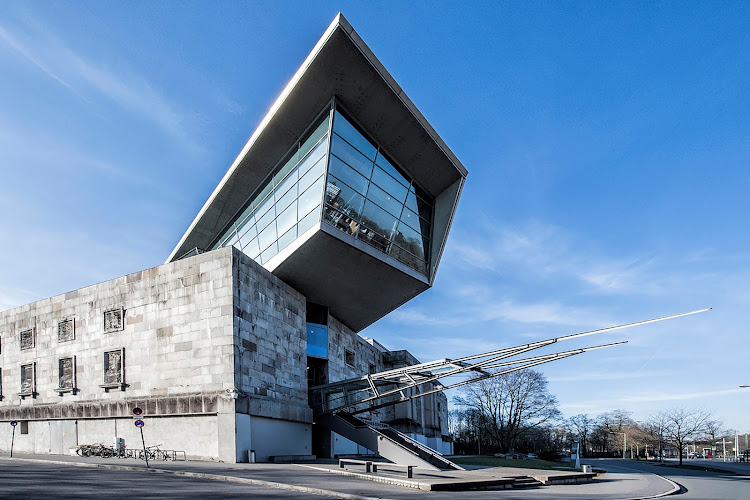
Documentation Center Nazi Party Rally Grounds
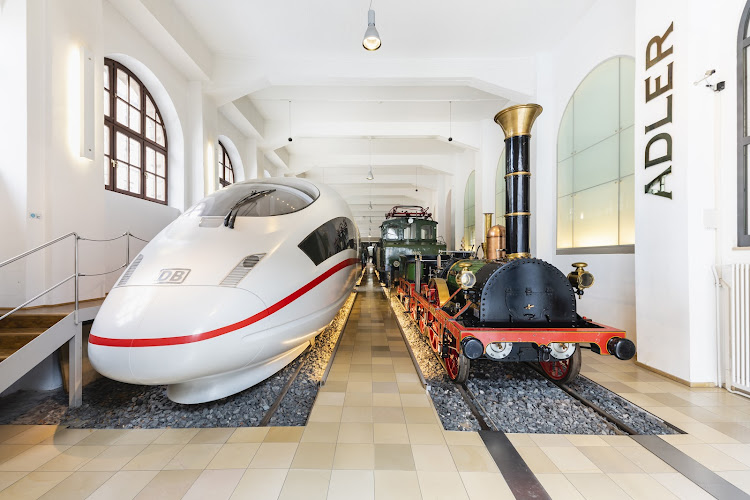
German Railway Museum Nuremberg

New Museum - Nuremberg State Museum of Art and Design
Find Accommodations Nearby
Recommended Tours & Activities
Visitor Reviews
There are no reviews yet. Be the first one to write one.
Share Your Experience
Have you visited Germanic National Museum? Help other travelers by leaving a review.