

New Museum – Nuremberg State Museum of Art and Design
About New Museum – Nuremberg State Museum of Art and Design
Description
The New Museum in Nuremberg represents one of those contemporary art spaces that manages to blend architectural boldness with thoughtful curation in ways that surprise even seasoned museum-goers. Standing proudly as the Nuremberg State Museum of Art and Design, this institution houses an impressive collection focusing primarily on art and design from the 1950s onwards, which honestly makes it a refreshing change from the medieval-heavy offerings you'll find elsewhere in this historic Bavarian city. What strikes visitors first is the building itself - that dramatic curved glass facade catches light in ways that change throughout the day, creating an almost living quality to the structure. I've always thought there's something particularly fitting about housing modern design in a building that itself makes such a strong design statement. The architects clearly understood that the container matters just as much as the contents when you're celebrating creativity and innovation. Inside, the museum dedicates itself to showcasing how art and design evolved through the latter half of the 20th century and into our current era. You'll find yourself walking through galleries that examine everything from industrial design to contemporary art installations, and the curators have done a genuinely commendable job of making these collections accessible without dumbing them down. This is a women-owned institution, which adds another layer of significance to its mission and approach to art presentation. The collection itself spans multiple disciplines - graphic design, product design, contemporary painting, sculpture, and new media all find their place within these walls. What makes the New Museum particularly valuable for travelers is how it complements Nuremberg's other cultural offerings. While the city is rightfully famous for its medieval architecture and World War II historical sites, this museum reminds visitors that Nuremberg has a vibrant present and future alongside its weighty past.Key Features
The New Museum offers several distinctive elements that set it apart from typical art museums:- The striking curved glass facade that's become an architectural landmark in Nuremberg's cultural landscape, offering a modern contrast to the city's medieval structures
- Comprehensive collections of post-1950s art and design that provide context for understanding contemporary creative movements
- Rotating temporary exhibitions that bring international contemporary artists to Nuremberg, ensuring repeat visits reveal new experiences
- Wheelchair accessible entrance and restrooms, making the space genuinely welcoming to visitors with mobility challenges
- Free Wi-Fi throughout the museum, which is honestly more useful than you'd think for looking up artists and movements as you explore
- Family-friendly galleries and programming that don't talk down to younger visitors but actually engage them with design thinking
- A focus on industrial and product design that reflects Nuremberg's historical importance as a manufacturing center
- Interactive displays that let visitors understand the creative process behind various design objects
- Thoughtfully lit galleries that do justice to both two-dimensional and three-dimensional works
- Comfortable viewing spaces where you can actually sit and contemplate pieces without feeling rushed
Best Time to Visit
Timing your visit to the New Museum requires thinking about both the calendar and the clock. The museum tends to be quietest on weekday mornings, particularly Tuesday through Thursday between opening and lunch time. If you're someone who likes to take your time with art without constantly navigating around other people, these windows offer the best experience. Weekend afternoons can get busy, especially when there's a popular temporary exhibition running. But honestly, I wouldn't let crowds deter you entirely - sometimes the energy of other engaged visitors adds to the experience rather than detracting from it. Season-wise, the New Museum makes an excellent rainy day destination any time of year. Nuremberg's winters can be pretty gray and damp, and there's something particularly cozy about spending a chilly afternoon in a well-heated gallery space contemplating mid-century design philosophy. That said, summer visits have their own appeal - the natural light flooding through that glass facade really transforms the viewing experience. If you're planning around special exhibitions, check the museum's schedule before your trip. Major shows typically run for several months, and attending during the first few weeks usually means you'll encounter more enthusiastic crowds and possibly special programming. The museum also hosts evening events periodically, which can offer a completely different atmosphere than daytime visits. Consider avoiding the first Sunday of the month if you prefer quieter experiences, as many museums in Germany offer reduced or free admission on these days, drawing larger crowds. However, if you're budget-conscious and don't mind company, this timing could work perfectly for you.How to Get There
Getting to the New Museum is refreshingly straightforward, which isn't always the case with contemporary art spaces that sometimes end up in converted warehouses on city outskirts. This museum sits in Nuremberg's city center, making it easily accessible through multiple transportation options. The public transport system in Nuremberg is efficient and visitor-friendly. If you're staying anywhere in the central area, you can likely reach the museum on foot - it's located in the Klarissenplatz area, which is well-connected to major walking routes through the old town. And walking in Nuremberg is genuinely pleasant, with well-maintained pedestrian areas and clear signage. For those using public transportation, several tram and bus lines stop within easy walking distance. The U-Bahn (subway) system also provides convenient access, and honestly, experiencing Nuremberg's clean, punctual public transit is part of the local experience. A day pass for public transport is reasonably priced and gives you the freedom to hop on and off as you explore different parts of the city. Cycling is another viable option if you're comfortable on two wheels. Nuremberg has been steadily improving its bike infrastructure, and many visitors rent bikes for their stay. Just know that bike parking directly at the museum can be limited during busy periods. If you're driving, be aware that parking in central Nuremberg requires some planning. There isn't a dedicated museum parking lot that's wheelchair accessible, so drivers with mobility concerns should research nearby accessible parking garages in advance. The city center has several public parking facilities within reasonable distance, though they fill up during peak tourist season and can be pricey by the standards of smaller German cities.Tips for Visiting
First things first - don't try to rush through this museum. I've seen too many travelers treat it as a quick checkbox on their Nuremberg itinerary, spending maybe thirty minutes before rushing off to the next attraction. The collections here deserve at least two hours of your time, and if you're genuinely interested in design history, you could easily spend half a day. The museum provides onsite services that enhance the experience, so take advantage of them. Audio guides or printed materials can add context that transforms your understanding of particular pieces or movements. Some visitors skip these because they want an "authentic" unmediated experience, but honestly, knowing the backstory of why a particular chair design revolutionized manufacturing processes makes looking at it so much more interesting. Photography policies vary by exhibition, so check the signage or ask staff before snapping pictures. Some temporary exhibitions prohibit photography due to loan agreements, while the permanent collection is generally more permissive. When photography is allowed, remember that flash can damage artworks and annoy other visitors. Families with kids should know that the museum really is good for children, but that doesn't mean it's a playground. The difference is important - there are thoughtful ways to engage young people with design thinking and contemporary art, but parents need to actively participate in that engagement rather than expecting the museum to babysit. I've watched families have genuinely enriching experiences here when adults took time to ask kids questions about what they noticed in different pieces. The restrooms are clean and well-maintained, which matters more than you might think when you're spending several hours in a museum. And while there's no restaurant on site, the central location means you're surrounded by cafes and dining options when hunger strikes. Consider planning your visit so you can grab lunch afterward at one of the nearby spots rather than feeling rushed because you're getting hungry. Accessibility-wise, the wheelchair accessible entrance and restrooms demonstrate genuine commitment rather than token compliance. However, the absence of an assistive hearing loop might be challenging for some visitors with hearing impairments, so plan accordingly if this affects you or your traveling companions. The Wi-Fi actually works reliably, which isn't universal among cultural institutions. Use it to look up artists you discover and want to learn more about, or to share particularly striking pieces with friends back home. Just maybe put the phone away periodically and let yourself simply experience the art without immediately documenting everything. Finally, check whether any special events or workshops coincide with your visit. The museum regularly programs talks, demonstrations, and interactive sessions that can deepen your understanding and appreciation. These aren't always prominently advertised to general tourists, so it's worth asking at the admissions desk what's happening during your visit.Key Features
- The striking curved glass facade that's become an architectural landmark in Nuremberg's cultural landscape, offering a modern contrast to the city's medieval structures
- Comprehensive collections of post-1950s art and design that provide context for understanding contemporary creative movements
- Rotating temporary exhibitions that bring international contemporary artists to Nuremberg, ensuring repeat visits reveal new experiences
- Wheelchair accessible entrance and restrooms, making the space genuinely welcoming to visitors with mobility challenges
- Free Wi-Fi throughout the museum, which is honestly more useful than you'd think for looking up artists and movements as you explore
- Family-friendly galleries and programming that don't talk down to younger visitors but actually engage them with design thinking
- A focus on industrial and product design that reflects Nuremberg's historical importance as a manufacturing center
- Interactive displays that let visitors understand the creative process behind various design objects
More Details
Updated March 30, 2026
Table of Contents
- Description
- Key Features
- Best Time to Visit
- How to Get There
- Tips for Visiting
- Key Highlights
- Location
- Places to Stay Near New Museum - Nuremberg State Museum of Art and Design
- Find and Book a Tour
- Explore More Travel Guides
- Nearby Places You Might Like
- Traveler Reviews for New Museum – Nuremberg State Museum of Art and Design
- Share Your Experience
Description
The New Museum in Nuremberg represents one of those contemporary art spaces that manages to blend architectural boldness with thoughtful curation in ways that surprise even seasoned museum-goers. Standing proudly as the Nuremberg State Museum of Art and Design, this institution houses an impressive collection focusing primarily on art and design from the 1950s onwards, which honestly makes it a refreshing change from the medieval-heavy offerings you’ll find elsewhere in this historic Bavarian city.
What strikes visitors first is the building itself – that dramatic curved glass facade catches light in ways that change throughout the day, creating an almost living quality to the structure. I’ve always thought there’s something particularly fitting about housing modern design in a building that itself makes such a strong design statement. The architects clearly understood that the container matters just as much as the contents when you’re celebrating creativity and innovation.
Inside, the museum dedicates itself to showcasing how art and design evolved through the latter half of the 20th century and into our current era. You’ll find yourself walking through galleries that examine everything from industrial design to contemporary art installations, and the curators have done a genuinely commendable job of making these collections accessible without dumbing them down. This is a women-owned institution, which adds another layer of significance to its mission and approach to art presentation.
The collection itself spans multiple disciplines – graphic design, product design, contemporary painting, sculpture, and new media all find their place within these walls. What makes the New Museum particularly valuable for travelers is how it complements Nuremberg’s other cultural offerings. While the city is rightfully famous for its medieval architecture and World War II historical sites, this museum reminds visitors that Nuremberg has a vibrant present and future alongside its weighty past.
Key Features
The New Museum offers several distinctive elements that set it apart from typical art museums:
- The striking curved glass facade that’s become an architectural landmark in Nuremberg’s cultural landscape, offering a modern contrast to the city’s medieval structures
- Comprehensive collections of post-1950s art and design that provide context for understanding contemporary creative movements
- Rotating temporary exhibitions that bring international contemporary artists to Nuremberg, ensuring repeat visits reveal new experiences
- Wheelchair accessible entrance and restrooms, making the space genuinely welcoming to visitors with mobility challenges
- Free Wi-Fi throughout the museum, which is honestly more useful than you’d think for looking up artists and movements as you explore
- Family-friendly galleries and programming that don’t talk down to younger visitors but actually engage them with design thinking
- A focus on industrial and product design that reflects Nuremberg’s historical importance as a manufacturing center
- Interactive displays that let visitors understand the creative process behind various design objects
- Thoughtfully lit galleries that do justice to both two-dimensional and three-dimensional works
- Comfortable viewing spaces where you can actually sit and contemplate pieces without feeling rushed
Best Time to Visit
Timing your visit to the New Museum requires thinking about both the calendar and the clock. The museum tends to be quietest on weekday mornings, particularly Tuesday through Thursday between opening and lunch time. If you’re someone who likes to take your time with art without constantly navigating around other people, these windows offer the best experience.
Weekend afternoons can get busy, especially when there’s a popular temporary exhibition running. But honestly, I wouldn’t let crowds deter you entirely – sometimes the energy of other engaged visitors adds to the experience rather than detracting from it.
Season-wise, the New Museum makes an excellent rainy day destination any time of year. Nuremberg’s winters can be pretty gray and damp, and there’s something particularly cozy about spending a chilly afternoon in a well-heated gallery space contemplating mid-century design philosophy. That said, summer visits have their own appeal – the natural light flooding through that glass facade really transforms the viewing experience.
If you’re planning around special exhibitions, check the museum’s schedule before your trip. Major shows typically run for several months, and attending during the first few weeks usually means you’ll encounter more enthusiastic crowds and possibly special programming. The museum also hosts evening events periodically, which can offer a completely different atmosphere than daytime visits.
Consider avoiding the first Sunday of the month if you prefer quieter experiences, as many museums in Germany offer reduced or free admission on these days, drawing larger crowds. However, if you’re budget-conscious and don’t mind company, this timing could work perfectly for you.
How to Get There
Getting to the New Museum is refreshingly straightforward, which isn’t always the case with contemporary art spaces that sometimes end up in converted warehouses on city outskirts. This museum sits in Nuremberg’s city center, making it easily accessible through multiple transportation options.
The public transport system in Nuremberg is efficient and visitor-friendly. If you’re staying anywhere in the central area, you can likely reach the museum on foot – it’s located in the Klarissenplatz area, which is well-connected to major walking routes through the old town. And walking in Nuremberg is genuinely pleasant, with well-maintained pedestrian areas and clear signage.
For those using public transportation, several tram and bus lines stop within easy walking distance. The U-Bahn (subway) system also provides convenient access, and honestly, experiencing Nuremberg’s clean, punctual public transit is part of the local experience. A day pass for public transport is reasonably priced and gives you the freedom to hop on and off as you explore different parts of the city.
Cycling is another viable option if you’re comfortable on two wheels. Nuremberg has been steadily improving its bike infrastructure, and many visitors rent bikes for their stay. Just know that bike parking directly at the museum can be limited during busy periods.
If you’re driving, be aware that parking in central Nuremberg requires some planning. There isn’t a dedicated museum parking lot that’s wheelchair accessible, so drivers with mobility concerns should research nearby accessible parking garages in advance. The city center has several public parking facilities within reasonable distance, though they fill up during peak tourist season and can be pricey by the standards of smaller German cities.
Tips for Visiting
First things first – don’t try to rush through this museum. I’ve seen too many travelers treat it as a quick checkbox on their Nuremberg itinerary, spending maybe thirty minutes before rushing off to the next attraction. The collections here deserve at least two hours of your time, and if you’re genuinely interested in design history, you could easily spend half a day.
The museum provides onsite services that enhance the experience, so take advantage of them. Audio guides or printed materials can add context that transforms your understanding of particular pieces or movements. Some visitors skip these because they want an “authentic” unmediated experience, but honestly, knowing the backstory of why a particular chair design revolutionized manufacturing processes makes looking at it so much more interesting.
Photography policies vary by exhibition, so check the signage or ask staff before snapping pictures. Some temporary exhibitions prohibit photography due to loan agreements, while the permanent collection is generally more permissive. When photography is allowed, remember that flash can damage artworks and annoy other visitors.
Families with kids should know that the museum really is good for children, but that doesn’t mean it’s a playground. The difference is important – there are thoughtful ways to engage young people with design thinking and contemporary art, but parents need to actively participate in that engagement rather than expecting the museum to babysit. I’ve watched families have genuinely enriching experiences here when adults took time to ask kids questions about what they noticed in different pieces.
The restrooms are clean and well-maintained, which matters more than you might think when you’re spending several hours in a museum. And while there’s no restaurant on site, the central location means you’re surrounded by cafes and dining options when hunger strikes. Consider planning your visit so you can grab lunch afterward at one of the nearby spots rather than feeling rushed because you’re getting hungry.
Accessibility-wise, the wheelchair accessible entrance and restrooms demonstrate genuine commitment rather than token compliance. However, the absence of an assistive hearing loop might be challenging for some visitors with hearing impairments, so plan accordingly if this affects you or your traveling companions.
The Wi-Fi actually works reliably, which isn’t universal among cultural institutions. Use it to look up artists you discover and want to learn more about, or to share particularly striking pieces with friends back home. Just maybe put the phone away periodically and let yourself simply experience the art without immediately documenting everything.
Finally, check whether any special events or workshops coincide with your visit. The museum regularly programs talks, demonstrations, and interactive sessions that can deepen your understanding and appreciation. These aren’t always prominently advertised to general tourists, so it’s worth asking at the admissions desk what’s happening during your visit.
Key Highlights
- The striking curved glass facade that's become an architectural landmark in Nuremberg's cultural landscape, offering a modern contrast to the city's medieval structures
- Comprehensive collections of post-1950s art and design that provide context for understanding contemporary creative movements
- Rotating temporary exhibitions that bring international contemporary artists to Nuremberg, ensuring repeat visits reveal new experiences
- Wheelchair accessible entrance and restrooms, making the space genuinely welcoming to visitors with mobility challenges
- Free Wi-Fi throughout the museum, which is honestly more useful than you'd think for looking up artists and movements as you explore
- Family-friendly galleries and programming that don't talk down to younger visitors but actually engage them with design thinking
- A focus on industrial and product design that reflects Nuremberg's historical importance as a manufacturing center
- Interactive displays that let visitors understand the creative process behind various design objects
Location
Places to Stay Near New Museum - Nuremberg State Museum of Art and Design
Find and Book a Tour
Explore More Travel Guides
No reviews found! Be the first to review!
New Museum – Nuremberg State Museum of Art and Design is a prominent museums located in Nuremberg.
Visit us at: Luitpoldstraße 5, 90402 Nürnberg, Germany.
Traveler Reviews for New Museum – Nuremberg State Museum of Art and Design
There are no reviews yet. Be the first one to write one.
Have you visited New Museum – Nuremberg State Museum of Art and Design? Help other travelers by sharing your review.
You Might Also Like

Rathauspl. 2
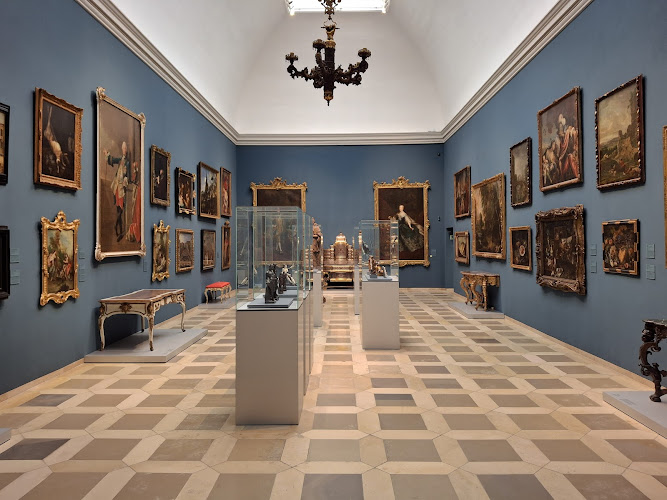
Germanic National Museum
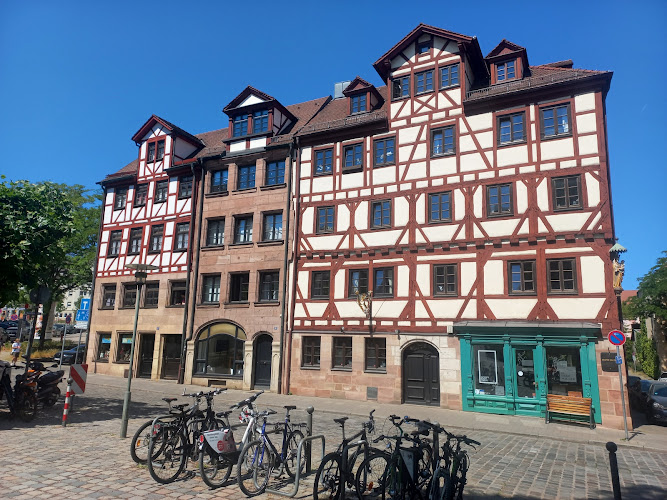
Unschlittplatz
Find Accommodations Nearby
Recommended Tours & Activities
Visitor Reviews
There are no reviews yet. Be the first one to write one.
Share Your Experience
Have you visited New Museum – Nuremberg State Museum of Art and Design? Help other travelers by leaving a review.