

Rathauspl. 2
About Rathauspl. 2
Description
Rathauspl. 2 stands as one of those remarkable European addresses that captures the essence of civic pride and architectural heritage all in one place. When I first encountered this location during my travels through German-speaking Europe, I was struck by how naturally it seems to blend into the urban fabric while simultaneously commanding respect as a focal point of community life. This address represents more than just a building or a spot on a map – it's genuinely a window into the administrative and cultural heart of the city. The Rathaus, or town hall, has served as the beating pulse of municipal governance for generations, and standing at this particular address gives you an authentic sense of how European cities organize their civic spaces. You'll notice immediately that unlike many modern city centers where administrative buildings hide away in faceless office complexes, this location proudly announces its importance through its positioning and presence. What makes Rathauspl. 2 particularly fascinating for travelers is the way it embodies centuries of urban planning philosophy. The plaza itself – and let me tell you, European plazas have a certain magic that American town squares just don't quite capture – creates this natural gathering space that's been witness to everything from medieval market days to contemporary public celebrations. I remember sitting on a nearby bench one afternoon, watching the flow of both tourists and locals, and thinking how remarkable it was that this single spot could serve so many different purposes for so many different people. The architecture you'll encounter here tells its own story. Depending on which specific Rathaus you're visiting, you might see Gothic spires reaching skyward, Renaissance facades with intricate detailing, or Baroque elements that speak to later renovations and expansions. These buildings weren't constructed all at once but grew organically over time, with each generation adding its own chapter to the architectural narrative. And that's what I find compelling – you're not just looking at a building, you're reading centuries of history written in stone and mortar.Key Features
The distinctive characteristics of Rathauspl. 2 that make it worth your attention include: • Historical significance as the seat of municipal government, often dating back several centuries • Architectural elements representing multiple periods of construction and renovation, creating a layered visual experience • Central plaza location that serves as a natural gathering point and orientation landmark for navigating the city • Proximity to other significant municipal buildings, churches, and commercial establishments • Regular hosting of public events, markets, and seasonal celebrations that bring the space to life • Interior spaces that may include council chambers, historical exhibits, and sometimes public viewing galleries • Clock towers or bell towers that have marked time for the community across generations • Ceremonial spaces where important civic functions and public ceremonies take place • Ground-level arcades or covered walkways that provide shelter and create intimate pedestrian spaces • Public art installations, statues, or fountains that add cultural dimension to the civic space • Tourist information centers or municipal services often located within or adjacent to the building • Restaurants and cafes with outdoor seating that take advantage of the plaza atmosphereBest Time to Visit
Timing your visit to Rathauspl. 2 really does make a difference in what you'll experience. I've learned this the hard way after showing up to similar locations at completely the wrong moments and missing out on the real character of the place. Spring months from April through early June offer some of the most pleasant conditions for exploring this civic heart. The weather cooperates nicely – not too hot, not freezing – and you'll often catch the plaza in the midst of preparation for summer events. Local flower markets sometimes pop up, and the outdoor cafe seating starts filling the surrounding spaces. There's an energy to spring in these old European squares that's hard to describe but wonderful to experience. Summer brings the most activity but also the heaviest tourist crowds. If you don't mind sharing the space with fellow travelers, July and August present opportunities to witness outdoor concerts, cultural festivals, and evening events that transform the plaza into an open-air entertainment venue. The extended daylight hours mean you can visit comfortably well into the evening, and there's something magical about seeing these historic buildings illuminated as dusk settles over the city. But here's my perhaps controversial opinion – autumn might actually be the ideal time. September and October deliver gorgeous weather, significantly fewer tourists, and a more authentic glimpse of how locals actually use these spaces. You'll see the plaza functioning as it does for the people who live there year-round, not just as a tourist attraction. The changing leaves (if there are trees in the surrounding area) add visual interest, and the crisp air makes walking around genuinely enjoyable. Winter visits have their own charm, particularly if you time it with Christmas market season. Many town hall plazas throughout German-speaking Europe become the primary location for holiday markets, and the combination of historic architecture, twinkling lights, mulled wine stands, and handicraft vendors creates an atmosphere you simply can't replicate at other times of year. Just bundle up properly because these stone plazas can get pretty cold when temperatures drop. Regarding time of day – early morning around 8 or 9 AM offers the best light for photography and the smallest crowds. Midday brings the most activity but harsh light and lots of people. Late afternoon into early evening provides that golden hour glow that makes everything look better in photos, plus you might catch the building's illumination as evening approaches.How to Get There
Getting to Rathauspl. 2 is typically straightforward since town halls were deliberately positioned at the accessible center of their communities. That's the whole point of a rathaus – it's supposed to be easy for citizens to reach. Public transportation represents your best option in most cases. European cities generally run excellent tram, bus, and metro systems, and you'll almost certainly find stops within easy walking distance of the Rathaus. Look for stations or stops literally named "Rathaus" or including that term – urban planners weren't subtle about this. The building serves as such a prominent landmark that transit systems use it as a natural reference point. If you're staying anywhere in the historic city center, walking might be your simplest approach. I always prefer exploring on foot when possible because you discover those little details – a interesting doorway here, an old inscription there – that you'd completely miss from inside a vehicle or rushing past on a bike. Plus, European old towns are generally compact enough that "walking distance" actually means something manageable, not the absurd American definition where that might mean a mile along a highway with no sidewalk. For those considering driving, I'd generally advise against it. Parking near central plazas ranges from difficult to impossible, and you'll likely end up in a expensive parking garage several blocks away anyway. Many historic centers have restricted vehicle access or pedestrian-only zones during certain hours. Save yourself the headache and leave the car at your hotel or a park-and-ride facility. Cycling works well if you're comfortable navigating European bike infrastructure and traffic patterns. Many cities offer bike-sharing programs with stations scattered throughout the center. Just be aware that some plazas don't allow cycling across them, so you might need to dismount and walk your bike through the immediate area. Taxi or rideshare services can drop you nearby, though they may not be able to access the plaza itself depending on local traffic regulations. Plan for a short walk from the drop-off point to your actual destination.Tips for Visiting
Let me share some practical wisdom I wish someone had told me before my first experiences at these European civic spaces. Check in advance whether the building interior is open to visitors. Not all Rathäuser offer public access to their interiors, and those that do often have limited hours. Some only allow visits during specific times or require advance booking for guided tours. Nothing's more frustrating than showing up eager to explore the council chambers or historical rooms only to find the doors locked. Dress codes generally aren't enforced for exterior plaza visits, but if you're planning to enter the building for a tour or to attend a public event, err on the side of respectful casual attire. These are working government buildings, after all, not theme parks. Bring a decent camera or make sure your phone battery is charged. The architectural details reward close photographic attention, and you'll want to capture the interplay of light on stone facades, the intricate sculptural elements, and the plaza atmosphere. Early morning or late afternoon light works best for avoiding harsh shadows. If you're visiting during market days or special events, arrive earlier than you think necessary. These occasions draw both tourists and locals, and popular markets can get genuinely crowded by mid-morning. The early bird not only gets the worm but also gets better photos without crowds of people in every frame. Consider combining your visit with nearby attractions since town hall plazas rarely exist in isolation. Churches, museums, shopping streets, and restaurants cluster around these civic centers. You can easily spend an entire day in the immediate area without running out of things to explore. Watch for free concerts or public events, especially during summer months. Many cities host regular musical performances, cultural presentations, or seasonal celebrations in their main plazas. Check local tourism websites or ask at your hotel about scheduled events during your visit dates. The surrounding cafes and restaurants might charge premium prices for their prime plaza-front locations, but sometimes the people-watching and atmosphere justify the expense. I've found that nursing a coffee for an hour while watching the plaza life unfold can be worth considerably more than the few extra euros you'll pay compared to a cafe a block away. Be mindful of official functions. If you notice barriers being set up or security presence increasing, there may be a government ceremony or official event scheduled. While these can be interesting to observe, they might limit access to certain areas temporarily. Finally, talk to locals if you have the chance. The shopkeepers, cafe owners, and people who work in the area often have fascinating stories about the plaza and building that you won't find in any guidebook. And that's really what makes visiting places like Rathauspl. 2 memorable – not just seeing the architecture, but connecting with the living community that gives these historic spaces their continued meaning.Key Features
- Gothic and Renaissance architecture of the Old Town Hall
- Historic city council chamber with period details
- Medieval Dungeons located in the cellars
- Museum displays on Nuremberg’s civic history
- Central Old Town location on Hauptmarkt, easy to combine with other sights
More Details
Updated March 30, 2026
Table of Contents
Description
Rathauspl. 2 stands as one of those remarkable European addresses that captures the essence of civic pride and architectural heritage all in one place. When I first encountered this location during my travels through German-speaking Europe, I was struck by how naturally it seems to blend into the urban fabric while simultaneously commanding respect as a focal point of community life.
This address represents more than just a building or a spot on a map – it’s genuinely a window into the administrative and cultural heart of the city. The Rathaus, or town hall, has served as the beating pulse of municipal governance for generations, and standing at this particular address gives you an authentic sense of how European cities organize their civic spaces. You’ll notice immediately that unlike many modern city centers where administrative buildings hide away in faceless office complexes, this location proudly announces its importance through its positioning and presence.
What makes Rathauspl. 2 particularly fascinating for travelers is the way it embodies centuries of urban planning philosophy. The plaza itself – and let me tell you, European plazas have a certain magic that American town squares just don’t quite capture – creates this natural gathering space that’s been witness to everything from medieval market days to contemporary public celebrations. I remember sitting on a nearby bench one afternoon, watching the flow of both tourists and locals, and thinking how remarkable it was that this single spot could serve so many different purposes for so many different people.
The architecture you’ll encounter here tells its own story. Depending on which specific Rathaus you’re visiting, you might see Gothic spires reaching skyward, Renaissance facades with intricate detailing, or Baroque elements that speak to later renovations and expansions. These buildings weren’t constructed all at once but grew organically over time, with each generation adding its own chapter to the architectural narrative. And that’s what I find compelling – you’re not just looking at a building, you’re reading centuries of history written in stone and mortar.
Key Features
The distinctive characteristics of Rathauspl. 2 that make it worth your attention include:
• Historical significance as the seat of municipal government, often dating back several centuries
• Architectural elements representing multiple periods of construction and renovation, creating a layered visual experience
• Central plaza location that serves as a natural gathering point and orientation landmark for navigating the city
• Proximity to other significant municipal buildings, churches, and commercial establishments
• Regular hosting of public events, markets, and seasonal celebrations that bring the space to life
• Interior spaces that may include council chambers, historical exhibits, and sometimes public viewing galleries
• Clock towers or bell towers that have marked time for the community across generations
• Ceremonial spaces where important civic functions and public ceremonies take place
• Ground-level arcades or covered walkways that provide shelter and create intimate pedestrian spaces
• Public art installations, statues, or fountains that add cultural dimension to the civic space
• Tourist information centers or municipal services often located within or adjacent to the building
• Restaurants and cafes with outdoor seating that take advantage of the plaza atmosphere
Best Time to Visit
Timing your visit to Rathauspl. 2 really does make a difference in what you’ll experience. I’ve learned this the hard way after showing up to similar locations at completely the wrong moments and missing out on the real character of the place.
Spring months from April through early June offer some of the most pleasant conditions for exploring this civic heart. The weather cooperates nicely – not too hot, not freezing – and you’ll often catch the plaza in the midst of preparation for summer events. Local flower markets sometimes pop up, and the outdoor cafe seating starts filling the surrounding spaces. There’s an energy to spring in these old European squares that’s hard to describe but wonderful to experience.
Summer brings the most activity but also the heaviest tourist crowds. If you don’t mind sharing the space with fellow travelers, July and August present opportunities to witness outdoor concerts, cultural festivals, and evening events that transform the plaza into an open-air entertainment venue. The extended daylight hours mean you can visit comfortably well into the evening, and there’s something magical about seeing these historic buildings illuminated as dusk settles over the city.
But here’s my perhaps controversial opinion – autumn might actually be the ideal time. September and October deliver gorgeous weather, significantly fewer tourists, and a more authentic glimpse of how locals actually use these spaces. You’ll see the plaza functioning as it does for the people who live there year-round, not just as a tourist attraction. The changing leaves (if there are trees in the surrounding area) add visual interest, and the crisp air makes walking around genuinely enjoyable.
Winter visits have their own charm, particularly if you time it with Christmas market season. Many town hall plazas throughout German-speaking Europe become the primary location for holiday markets, and the combination of historic architecture, twinkling lights, mulled wine stands, and handicraft vendors creates an atmosphere you simply can’t replicate at other times of year. Just bundle up properly because these stone plazas can get pretty cold when temperatures drop.
Regarding time of day – early morning around 8 or 9 AM offers the best light for photography and the smallest crowds. Midday brings the most activity but harsh light and lots of people. Late afternoon into early evening provides that golden hour glow that makes everything look better in photos, plus you might catch the building’s illumination as evening approaches.
How to Get There
Getting to Rathauspl. 2 is typically straightforward since town halls were deliberately positioned at the accessible center of their communities. That’s the whole point of a rathaus – it’s supposed to be easy for citizens to reach.
Public transportation represents your best option in most cases. European cities generally run excellent tram, bus, and metro systems, and you’ll almost certainly find stops within easy walking distance of the Rathaus. Look for stations or stops literally named “Rathaus” or including that term – urban planners weren’t subtle about this. The building serves as such a prominent landmark that transit systems use it as a natural reference point.
If you’re staying anywhere in the historic city center, walking might be your simplest approach. I always prefer exploring on foot when possible because you discover those little details – a interesting doorway here, an old inscription there – that you’d completely miss from inside a vehicle or rushing past on a bike. Plus, European old towns are generally compact enough that “walking distance” actually means something manageable, not the absurd American definition where that might mean a mile along a highway with no sidewalk.
For those considering driving, I’d generally advise against it. Parking near central plazas ranges from difficult to impossible, and you’ll likely end up in a expensive parking garage several blocks away anyway. Many historic centers have restricted vehicle access or pedestrian-only zones during certain hours. Save yourself the headache and leave the car at your hotel or a park-and-ride facility.
Cycling works well if you’re comfortable navigating European bike infrastructure and traffic patterns. Many cities offer bike-sharing programs with stations scattered throughout the center. Just be aware that some plazas don’t allow cycling across them, so you might need to dismount and walk your bike through the immediate area.
Taxi or rideshare services can drop you nearby, though they may not be able to access the plaza itself depending on local traffic regulations. Plan for a short walk from the drop-off point to your actual destination.
Tips for Visiting
Let me share some practical wisdom I wish someone had told me before my first experiences at these European civic spaces.
Check in advance whether the building interior is open to visitors. Not all Rathäuser offer public access to their interiors, and those that do often have limited hours. Some only allow visits during specific times or require advance booking for guided tours. Nothing’s more frustrating than showing up eager to explore the council chambers or historical rooms only to find the doors locked.
Dress codes generally aren’t enforced for exterior plaza visits, but if you’re planning to enter the building for a tour or to attend a public event, err on the side of respectful casual attire. These are working government buildings, after all, not theme parks.
Bring a decent camera or make sure your phone battery is charged. The architectural details reward close photographic attention, and you’ll want to capture the interplay of light on stone facades, the intricate sculptural elements, and the plaza atmosphere. Early morning or late afternoon light works best for avoiding harsh shadows.
If you’re visiting during market days or special events, arrive earlier than you think necessary. These occasions draw both tourists and locals, and popular markets can get genuinely crowded by mid-morning. The early bird not only gets the worm but also gets better photos without crowds of people in every frame.
Consider combining your visit with nearby attractions since town hall plazas rarely exist in isolation. Churches, museums, shopping streets, and restaurants cluster around these civic centers. You can easily spend an entire day in the immediate area without running out of things to explore.
Watch for free concerts or public events, especially during summer months. Many cities host regular musical performances, cultural presentations, or seasonal celebrations in their main plazas. Check local tourism websites or ask at your hotel about scheduled events during your visit dates.
The surrounding cafes and restaurants might charge premium prices for their prime plaza-front locations, but sometimes the people-watching and atmosphere justify the expense. I’ve found that nursing a coffee for an hour while watching the plaza life unfold can be worth considerably more than the few extra euros you’ll pay compared to a cafe a block away.
Be mindful of official functions. If you notice barriers being set up or security presence increasing, there may be a government ceremony or official event scheduled. While these can be interesting to observe, they might limit access to certain areas temporarily.
Finally, talk to locals if you have the chance. The shopkeepers, cafe owners, and people who work in the area often have fascinating stories about the plaza and building that you won’t find in any guidebook. And that’s really what makes visiting places like Rathauspl. 2 memorable – not just seeing the architecture, but connecting with the living community that gives these historic spaces their continued meaning.
Key Highlights
- Gothic and Renaissance architecture of the Old Town Hall
- Historic city council chamber with period details
- Medieval Dungeons located in the cellars
- Museum displays on Nuremberg’s civic history
- Central Old Town location on Hauptmarkt, easy to combine with other sights
Location
Places to Stay Near Rathauspl. 2
Find and Book a Tour
Explore More Travel Guides
No reviews found! Be the first to review!
Rathauspl. 2 is a prominent Culture & History located in Nuremberg.
Visit us at: Rathauspl. 2, 90403 Nürnberg, Allemagne.
Traveler Reviews for Rathauspl. 2
There are no reviews yet. Be the first one to write one.
Have you visited Rathauspl. 2? Help other travelers by sharing your review.
Nearby Attractions
You Might Also Like
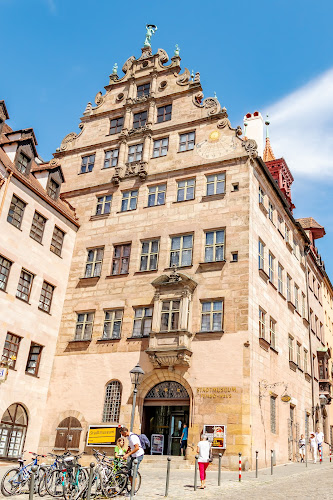
Stadtmuseum im Fembo-Haus
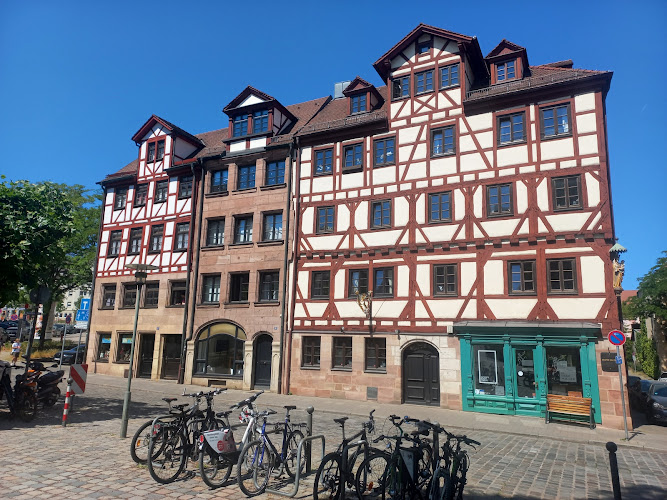
Unschlittplatz
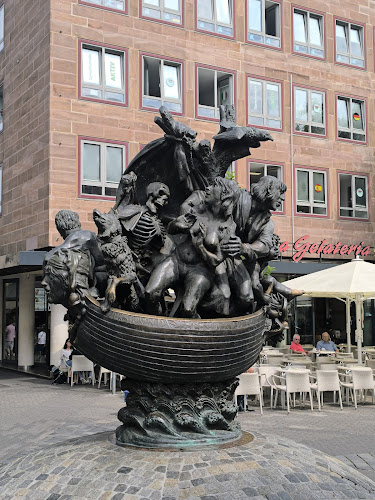
Narrenschiffbrunnen
Find Accommodations Nearby
Recommended Tours & Activities
Visitor Reviews
There are no reviews yet. Be the first one to write one.
Share Your Experience
Have you visited Rathauspl. 2? Help other travelers by leaving a review.