
Museum | 22 | 20 | 18 |
About Museum | 22 | 20 | 18 |
Description
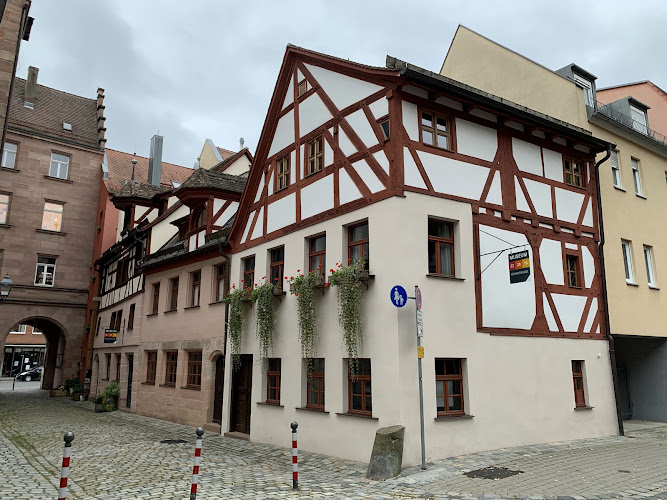
The Museum | 22 | 20 | 18 is not your typical sterile gallery with white walls and hushed voices. Instead, it feels like stepping into a time machine that’s parked right in the middle of a cluster of restored 14th-century artisan homes. The place tells the story of early craftsmen—their tools, their trades, and even the little quirks of everyday life that you don’t usually see in glossy history books. What struck me most on my first visit was how personal it felt, almost like walking into someone’s home rather than a museum. You can sense the sweat, skill, and stubborn pride of the people who lived and worked here centuries ago. And while it’s not without its rough edges, that’s honestly part of its charm.
Travelers who enjoy digging beneath the surface of a city’s culture will love it here. It’s not just about admiring objects behind glass; it’s about understanding how ordinary people shaped traditions that still echo today. The museum is fairly compact, but don’t let that fool you. Every corner hides some detail—a carved wooden beam, a worn-out tool, or a faded textile—that quietly tells a story. If you’re the kind of person who likes to slow down and imagine life centuries ago, you’ll probably find yourself staying longer than you planned.
Key Features
- Authentic 14th-century artisan houses carefully restored
- Exhibits showcasing traditional handicrafts and tools of early craftsmen
- Interactive displays that make history feel hands-on rather than distant
- Family-friendly with spaces that spark kids’ curiosity
- Restrooms available on-site (a small but important detail for travelers)
- No wheelchair accessible entrance or parking, which can be a limitation for some visitors
- Atmosphere that feels intimate and personal, more like a lived-in home than a formal museum
Best Time to Visit
If you’re like me and prefer avoiding crowds, mornings are the sweet spot. The museum tends to be quieter then, and you can take your time wandering without feeling rushed. Spring and autumn are especially pleasant seasons—the weather outside makes strolling through the surrounding area enjoyable, and the natural light streaming into the old houses gives the exhibits a warm glow. Summer afternoons can get a bit stuffy inside the old structures (stone walls don’t always mean cool interiors), so plan accordingly. Winter has its own charm, though: the creak of wooden floors and the coziness of the dimly lit rooms really drive home the sense of stepping back in time.
How to Get There
Reaching the Museum | 22 | 20 | 18 isn’t complicated, but it does depend on how adventurous you’re feeling. Public transport gets you fairly close, followed by a short walk through narrow streets that already set the mood for what’s ahead. If you’re driving, keep in mind that parking nearby can be a hassle—those old neighborhoods weren’t exactly designed with cars in mind. Personally, I’d recommend walking if you’re staying in the city center. There’s something about approaching on foot that makes the transition into the museum’s world feel more natural, like you’re peeling back layers of history step by step.
Tips for Visiting
First off, give yourself more time than you think you’ll need. At a glance, the museum looks small, but once you start poking around the details, you’ll realize it’s easy to lose track of time. Bring a bit of patience too—some of the signage isn’t as polished as in bigger institutions, but that’s part of the experience. If you’re traveling with kids, this is one of those rare places where they can actually enjoy themselves without being told “don’t touch” every five seconds. And here’s a practical note: there’s no restaurant inside, so eat beforehand or plan a meal nearby.
One thing I wish I’d known before my first visit is that the museum isn’t wheelchair accessible. It’s a real drawback, and I hope they address it someday, but for now it’s something to keep in mind if accessibility is important for you or your travel companions. On the brighter side, the staff are usually friendly and happy to answer questions, even if English isn’t always their strongest language. A smile and a bit of patience go a long way.
All in all, the Museum | 22 | 20 | 18 is the kind of place that rewards curious travelers. It’s not flashy, it’s not perfect, but it’s real—and that’s what makes it memorable. If you’re the type who values authenticity over polish, you’ll walk away with more than just photos; you’ll carry a sense of connection to the people who came before us. And honestly, isn’t that what travel is really about?
Key Features
- Authentic 14th-century artisan houses carefully restored
- Exhibits showcasing traditional handicrafts and tools of early craftsmen
- Interactive displays that make history feel hands-on rather than distant
- Family-friendly with spaces that spark kids’ curiosity
- Restrooms available on-site (a small but important detail for travelers)
- No wheelchair accessible entrance or parking, which can be a limitation for some visitors
- Atmosphere that feels intimate and personal, more like a lived-in home than a formal museum
More Details
Updated September 9, 2025
Table of Contents
Description
The Museum | 22 | 20 | 18 is not your typical sterile gallery with white walls and hushed voices. Instead, it feels like stepping into a time machine that’s parked right in the middle of a cluster of restored 14th-century artisan homes. The place tells the story of early craftsmen—their tools, their trades, and even the little quirks of everyday life that you don’t usually see in glossy history books. What struck me most on my first visit was how personal it felt, almost like walking into someone’s home rather than a museum. You can sense the sweat, skill, and stubborn pride of the people who lived and worked here centuries ago. And while it’s not without its rough edges, that’s honestly part of its charm.
Travelers who enjoy digging beneath the surface of a city’s culture will love it here. It’s not just about admiring objects behind glass; it’s about understanding how ordinary people shaped traditions that still echo today. The museum is fairly compact, but don’t let that fool you. Every corner hides some detail—a carved wooden beam, a worn-out tool, or a faded textile—that quietly tells a story. If you’re the kind of person who likes to slow down and imagine life centuries ago, you’ll probably find yourself staying longer than you planned.
Key Features
- Authentic 14th-century artisan houses carefully restored
- Exhibits showcasing traditional handicrafts and tools of early craftsmen
- Interactive displays that make history feel hands-on rather than distant
- Family-friendly with spaces that spark kids’ curiosity
- Restrooms available on-site (a small but important detail for travelers)
- No wheelchair accessible entrance or parking, which can be a limitation for some visitors
- Atmosphere that feels intimate and personal, more like a lived-in home than a formal museum
Best Time to Visit
If you’re like me and prefer avoiding crowds, mornings are the sweet spot. The museum tends to be quieter then, and you can take your time wandering without feeling rushed. Spring and autumn are especially pleasant seasons—the weather outside makes strolling through the surrounding area enjoyable, and the natural light streaming into the old houses gives the exhibits a warm glow. Summer afternoons can get a bit stuffy inside the old structures (stone walls don’t always mean cool interiors), so plan accordingly. Winter has its own charm, though: the creak of wooden floors and the coziness of the dimly lit rooms really drive home the sense of stepping back in time.
How to Get There
Reaching the Museum | 22 | 20 | 18 isn’t complicated, but it does depend on how adventurous you’re feeling. Public transport gets you fairly close, followed by a short walk through narrow streets that already set the mood for what’s ahead. If you’re driving, keep in mind that parking nearby can be a hassle—those old neighborhoods weren’t exactly designed with cars in mind. Personally, I’d recommend walking if you’re staying in the city center. There’s something about approaching on foot that makes the transition into the museum’s world feel more natural, like you’re peeling back layers of history step by step.
Tips for Visiting
First off, give yourself more time than you think you’ll need. At a glance, the museum looks small, but once you start poking around the details, you’ll realize it’s easy to lose track of time. Bring a bit of patience too—some of the signage isn’t as polished as in bigger institutions, but that’s part of the experience. If you’re traveling with kids, this is one of those rare places where they can actually enjoy themselves without being told “don’t touch” every five seconds. And here’s a practical note: there’s no restaurant inside, so eat beforehand or plan a meal nearby.
One thing I wish I’d known before my first visit is that the museum isn’t wheelchair accessible. It’s a real drawback, and I hope they address it someday, but for now it’s something to keep in mind if accessibility is important for you or your travel companions. On the brighter side, the staff are usually friendly and happy to answer questions, even if English isn’t always their strongest language. A smile and a bit of patience go a long way.
All in all, the Museum | 22 | 20 | 18 is the kind of place that rewards curious travelers. It’s not flashy, it’s not perfect, but it’s real—and that’s what makes it memorable. If you’re the type who values authenticity over polish, you’ll walk away with more than just photos; you’ll carry a sense of connection to the people who came before us. And honestly, isn’t that what travel is really about?
Key Highlights
- Authentic 14th-century artisan houses carefully restored
- Exhibits showcasing traditional handicrafts and tools of early craftsmen
- Interactive displays that make history feel hands-on rather than distant
- Family-friendly with spaces that spark kids’ curiosity
- Restrooms available on-site (a small but important detail for travelers)
- No wheelchair accessible entrance or parking, which can be a limitation for some visitors
- Atmosphere that feels intimate and personal, more like a lived-in home than a formal museum
Location
Places to Stay Near Museum | 22 | 20 | 18 |
Find and Book a Tour
Explore More Travel Guides
No reviews found! Be the first to review!
Traveler Reviews for Museum | 22 | 20 | 18 |
There are no reviews yet. Be the first one to write one.
Have you visited Museum | 22 | 20 | 18 |? Help other travelers by sharing your review.
You Might Also Like
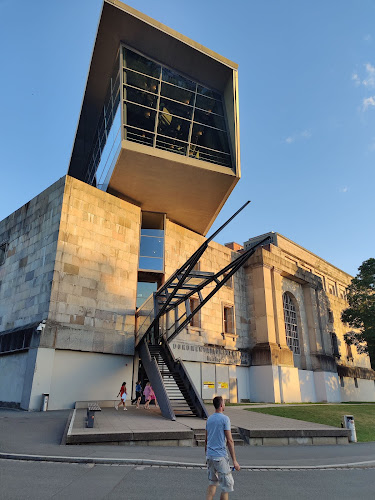
Congress Hall

Museum of Industrial Culture
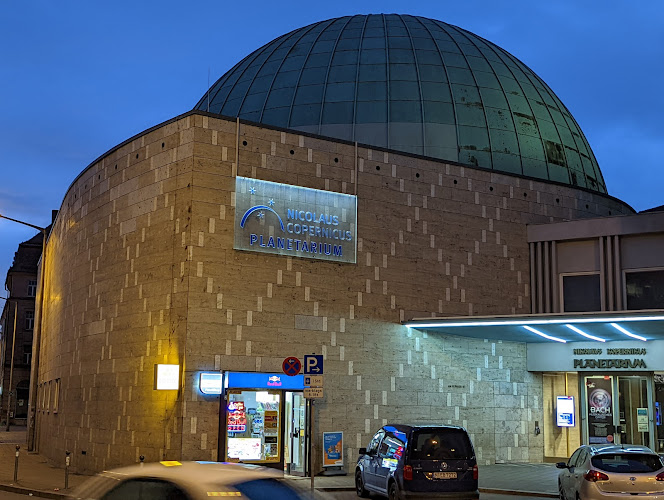
Nicolaus Copernicus Planetarium Nürnberg
Find Accommodations Nearby
Recommended Tours & Activities
Visitor Reviews
There are no reviews yet. Be the first one to write one.
Share Your Experience
Have you visited Museum | 22 | 20 | 18 |? Help other travelers by leaving a review.