About Frauentor

Description

The Frauentor stands as one of Nuremberg's most impressive medieval gateways, a remarkable piece of architecture that has watched over the city for centuries. This historic fortification is part of the old city walls that once protected Nuremberg from invaders and unwelcome visitors. And honestly, when you first lay eyes on it, you can't help but feel transported back to a time when knights roamed these streets and merchants traveled through these very gates with their precious cargo. Walking through the Frauentor is like stepping through a portal in time. The massive stone structure rises above you with an almost intimidating presence, yet there's something undeniably welcoming about it too. I remember the first time I passed through one of these medieval gates in Germany - the cool shadow it cast, the echo of footsteps on ancient stones, the way the sunlight seemed different on the other side. It's an experience that photographs simply can't capture. What makes the Frauentor particularly special is how well it has survived through the years. Unlike many historical structures that were lost during World War II, this gateway has maintained its authentic character. The craftsmanship visible in every stone tells stories of medieval builders who constructed these defenses to last, and boy, did they succeed. The gate isn't just a relic behind glass or ropes - it's still very much a functioning part of the city's landscape that people walk through daily. The structure itself represents incredible medieval engineering. These weren't just decorative elements; they were serious defensive installations designed to protect one of the Holy Roman Empire's most important cities. The thickness of the walls, the strategic positioning, the way the gate could be secured - all of it speaks to a time when city fortifications meant the difference between prosperity and conquest.

Key Features

The Frauentor offers visitors several noteworthy characteristics that make it worth including in any Nuremberg itinerary: • Authentic Medieval Architecture: The gate showcases genuine medieval construction techniques and materials that have stood the test of time for hundreds of years, providing an unaltered glimpse into the past. • Strategic Historical Significance: As part of Nuremberg's extensive fortification system, the Frauentor played a crucial role in protecting one of medieval Germany's most important commercial and political centers. • Wheelchair Accessible: Unlike many historic sites with challenging terrain, the Frauentor features accessible entrances that allow visitors of all mobility levels to experience this remarkable landmark. • Family-Friendly Experience: The site is excellent for children, offering them a tangible connection to history that beats any textbook lesson about medieval times. • Photographic Opportunities: The gate's imposing structure and well-preserved details create stunning photo opportunities from multiple angles, especially during golden hour when the stone takes on warm, rich tones. • Free to Explore: Visitors can walk through and around the gate without admission fees, making it an accessible attraction for budget-conscious travelers. • Connected to City Walls: The gate is part of a larger system of fortifications that visitors can explore, offering context for understanding medieval urban defense. • Active Urban Integration: Unlike museum pieces, the Frauentor remains an active part of Nuremberg's cityscape, with locals and visitors passing through it regularly.

Best Time to Visit

Timing your visit to the Frauentor can significantly enhance your experience, though honestly, this landmark impresses year-round. But if you want my opinion on the absolute best times, here's what works. Spring months from April through June offer ideal conditions. The weather is pleasant without being too hot, and the crowds haven't reached their summer peak yet. The surrounding areas start blooming, and there's something magical about seeing medieval stone framed by fresh green leaves and spring flowers. Plus, the lighting during these months is particularly beautiful for photography - not too harsh, with longer days giving you more time to explore. Early autumn, particularly September and early October, provides another excellent window. The summer tourist rush has diminmed, but the weather remains comfortable for walking around and exploring. And let me tell you, there's something special about seeing old stone architecture against autumn colors. The cooler temperatures actually make walking the city walls more enjoyable too. For those who don't mind chillier weather, winter visits have their own charm. The Frauentor looks absolutely stunning dusted with snow, and if you time it right during Nuremberg's famous Christmas market season, the entire old town takes on a fairytale quality. Just bundle up - those medieval stones don't provide much warmth! Regarding time of day, early morning visits before 9 AM offer the quietest experience. You'll have better opportunities for photos without crowds, and there's something peaceful about seeing such an ancient structure in the soft morning light. Late afternoon around 4-5 PM also works well, especially in summer when the sun creates dramatic shadows and highlights the architectural details. Weekdays generally see fewer tourists than weekends, though the difference isn't as dramatic as at some other attractions since people constantly pass through as part of their daily routes.

How to Get There

Getting to the Frauentor is refreshingly straightforward, especially compared to some hard-to-reach historical sites. Nuremberg's excellent public transportation system makes accessing the old town and its fortifications quite easy. If you're arriving by train, Nuremberg's main station (Hauptbahnhof) is your starting point. From there, it's actually a pleasant 15-20 minute walk through the city to reach the Frauentor. The route takes you through interesting streets, and honestly, walking is one of the best ways to get a feel for Nuremberg's layout and character. Just head toward the old town - the medieval walls are hard to miss once you get close. Public transportation offers another convenient option. Several tram and bus lines service the old town area. The U-Bahn (subway) system also has stations near the historic center. You'll want to check current routes, but generally speaking, any transport heading to "Altstadt" or the old town will get you within easy walking distance. For those driving, parking near the old town can be challenging - as it is in most historic European city centers. Several parking garages exist around the perimeter of the old town, but spaces fill quickly during peak tourist seasons. I'd honestly recommend using public transport or walking if you're already staying somewhere in Nuremberg. The Frauentor's accessibility features mean that visitors with mobility concerns can reach and experience the site without significant barriers. The surrounding streets are generally well-maintained, though remember this is a historic area with some cobblestones. If you're exploring Nuremberg's fortifications more extensively, the Frauentor makes an excellent starting or ending point for a walk along the city walls. You can easily combine your visit with other nearby attractions in the old town.

Tips for Visiting

After spending time exploring Nuremberg's historic sites, I've picked up some practical insights that'll make your Frauentor visit more rewarding. First off, wear comfortable walking shoes. I can't stress this enough. You'll be on your feet exploring not just the gate but likely the surrounding old town, and those cobblestones look charming but aren't exactly forgiving on your feet. Leave the fancy shoes at the hotel. Bring a decent camera or make sure your phone is charged. The Frauentor offers fantastic photo opportunities, but the stone details and architectural elements really benefit from good image quality. Try shooting from different angles - inside the gate looking out, from the sides to capture the full structure, and from a distance to show how it connects to the city walls. Don't just walk through quickly. Actually stop and look at the construction details. Run your hand along the stone (respectfully, of course). Notice how the gate was designed, where defensive elements were placed, how thick those walls really are. These details bring the history alive in ways that rushing past simply can't. If you're visiting with kids, prepare them beforehand with some basic context about medieval cities and why these fortifications existed. It transforms the visit from "just looking at old walls" into an adventure. Kids generally love imagining knights and battles, and the Frauentor provides the perfect backdrop for letting their imaginations run. The area around the Frauentor has several cafes and restaurants where you can grab refreshments. Consider timing your visit so you can sit somewhere nearby afterward and really process what you've seen. Sometimes the best travel moments come when you're sitting with a coffee, watching locals pass through a 600-year-old gate like it's the most normal thing in the world. Weather can change quickly, especially during spring and fall. Bring a light jacket even if it looks sunny when you leave your accommodation. The old town streets can be breezy, and you'll likely spend more time exploring than you initially planned. Consider downloading or bringing a good guidebook about Nuremberg's fortifications. While the Frauentor is impressive on its own, understanding its role in the broader defensive system adds another layer of appreciation. The more context you have, the more meaningful the visit becomes. Visit during different times if you're in Nuremberg for several days. The gate looks completely different in morning light versus evening, and you'll notice new details each time. Plus, the flow of people changes throughout the day, creating different atmospheres. Be respectful of the fact that this is still a functioning part of the city. Locals use these passages regularly, so don't block pathways for extended periods while taking photos. A little courtesy goes a long way. Finally, use the Frauentor as a jumping-off point for exploring the rest of Nuremberg's remarkable old town. The gate is wonderful, but it's really just the beginning of what this historic city offers.

Key Features

  • 14th-century gateway structure tied to Nuremberg’s medieval city walls
  • Frauentorturm (Women’s Gate Tower) with preserved medieval architecture
  • Close connection to the former St. Klara convent (name origin)
  • Scenic photo opportunities blending historic masonry and urban context
  • Convenient location near Hauptbahnhof and the Handwerkerhof artisans' courtyard

More Details

Updated March 30, 2026

Description

The Frauentor stands as one of Nuremberg’s most impressive medieval gateways, a remarkable piece of architecture that has watched over the city for centuries. This historic fortification is part of the old city walls that once protected Nuremberg from invaders and unwelcome visitors. And honestly, when you first lay eyes on it, you can’t help but feel transported back to a time when knights roamed these streets and merchants traveled through these very gates with their precious cargo.

Walking through the Frauentor is like stepping through a portal in time. The massive stone structure rises above you with an almost intimidating presence, yet there’s something undeniably welcoming about it too. I remember the first time I passed through one of these medieval gates in Germany – the cool shadow it cast, the echo of footsteps on ancient stones, the way the sunlight seemed different on the other side. It’s an experience that photographs simply can’t capture.

What makes the Frauentor particularly special is how well it has survived through the years. Unlike many historical structures that were lost during World War II, this gateway has maintained its authentic character. The craftsmanship visible in every stone tells stories of medieval builders who constructed these defenses to last, and boy, did they succeed. The gate isn’t just a relic behind glass or ropes – it’s still very much a functioning part of the city’s landscape that people walk through daily.

The structure itself represents incredible medieval engineering. These weren’t just decorative elements; they were serious defensive installations designed to protect one of the Holy Roman Empire’s most important cities. The thickness of the walls, the strategic positioning, the way the gate could be secured – all of it speaks to a time when city fortifications meant the difference between prosperity and conquest.

Key Features

The Frauentor offers visitors several noteworthy characteristics that make it worth including in any Nuremberg itinerary:

Authentic Medieval Architecture: The gate showcases genuine medieval construction techniques and materials that have stood the test of time for hundreds of years, providing an unaltered glimpse into the past.

Strategic Historical Significance: As part of Nuremberg’s extensive fortification system, the Frauentor played a crucial role in protecting one of medieval Germany’s most important commercial and political centers.

Wheelchair Accessible: Unlike many historic sites with challenging terrain, the Frauentor features accessible entrances that allow visitors of all mobility levels to experience this remarkable landmark.

Family-Friendly Experience: The site is excellent for children, offering them a tangible connection to history that beats any textbook lesson about medieval times.

Photographic Opportunities: The gate’s imposing structure and well-preserved details create stunning photo opportunities from multiple angles, especially during golden hour when the stone takes on warm, rich tones.

Free to Explore: Visitors can walk through and around the gate without admission fees, making it an accessible attraction for budget-conscious travelers.

Connected to City Walls: The gate is part of a larger system of fortifications that visitors can explore, offering context for understanding medieval urban defense.

Active Urban Integration: Unlike museum pieces, the Frauentor remains an active part of Nuremberg’s cityscape, with locals and visitors passing through it regularly.

Best Time to Visit

Timing your visit to the Frauentor can significantly enhance your experience, though honestly, this landmark impresses year-round. But if you want my opinion on the absolute best times, here’s what works.

Spring months from April through June offer ideal conditions. The weather is pleasant without being too hot, and the crowds haven’t reached their summer peak yet. The surrounding areas start blooming, and there’s something magical about seeing medieval stone framed by fresh green leaves and spring flowers. Plus, the lighting during these months is particularly beautiful for photography – not too harsh, with longer days giving you more time to explore.

Early autumn, particularly September and early October, provides another excellent window. The summer tourist rush has diminmed, but the weather remains comfortable for walking around and exploring. And let me tell you, there’s something special about seeing old stone architecture against autumn colors. The cooler temperatures actually make walking the city walls more enjoyable too.

For those who don’t mind chillier weather, winter visits have their own charm. The Frauentor looks absolutely stunning dusted with snow, and if you time it right during Nuremberg’s famous Christmas market season, the entire old town takes on a fairytale quality. Just bundle up – those medieval stones don’t provide much warmth!

Regarding time of day, early morning visits before 9 AM offer the quietest experience. You’ll have better opportunities for photos without crowds, and there’s something peaceful about seeing such an ancient structure in the soft morning light. Late afternoon around 4-5 PM also works well, especially in summer when the sun creates dramatic shadows and highlights the architectural details.

Weekdays generally see fewer tourists than weekends, though the difference isn’t as dramatic as at some other attractions since people constantly pass through as part of their daily routes.

How to Get There

Getting to the Frauentor is refreshingly straightforward, especially compared to some hard-to-reach historical sites. Nuremberg’s excellent public transportation system makes accessing the old town and its fortifications quite easy.

If you’re arriving by train, Nuremberg’s main station (Hauptbahnhof) is your starting point. From there, it’s actually a pleasant 15-20 minute walk through the city to reach the Frauentor. The route takes you through interesting streets, and honestly, walking is one of the best ways to get a feel for Nuremberg’s layout and character. Just head toward the old town – the medieval walls are hard to miss once you get close.

Public transportation offers another convenient option. Several tram and bus lines service the old town area. The U-Bahn (subway) system also has stations near the historic center. You’ll want to check current routes, but generally speaking, any transport heading to “Altstadt” or the old town will get you within easy walking distance.

For those driving, parking near the old town can be challenging – as it is in most historic European city centers. Several parking garages exist around the perimeter of the old town, but spaces fill quickly during peak tourist seasons. I’d honestly recommend using public transport or walking if you’re already staying somewhere in Nuremberg.

The Frauentor’s accessibility features mean that visitors with mobility concerns can reach and experience the site without significant barriers. The surrounding streets are generally well-maintained, though remember this is a historic area with some cobblestones.

If you’re exploring Nuremberg’s fortifications more extensively, the Frauentor makes an excellent starting or ending point for a walk along the city walls. You can easily combine your visit with other nearby attractions in the old town.

Tips for Visiting

After spending time exploring Nuremberg’s historic sites, I’ve picked up some practical insights that’ll make your Frauentor visit more rewarding.

First off, wear comfortable walking shoes. I can’t stress this enough. You’ll be on your feet exploring not just the gate but likely the surrounding old town, and those cobblestones look charming but aren’t exactly forgiving on your feet. Leave the fancy shoes at the hotel.

Bring a decent camera or make sure your phone is charged. The Frauentor offers fantastic photo opportunities, but the stone details and architectural elements really benefit from good image quality. Try shooting from different angles – inside the gate looking out, from the sides to capture the full structure, and from a distance to show how it connects to the city walls.

Don’t just walk through quickly. Actually stop and look at the construction details. Run your hand along the stone (respectfully, of course). Notice how the gate was designed, where defensive elements were placed, how thick those walls really are. These details bring the history alive in ways that rushing past simply can’t.

If you’re visiting with kids, prepare them beforehand with some basic context about medieval cities and why these fortifications existed. It transforms the visit from “just looking at old walls” into an adventure. Kids generally love imagining knights and battles, and the Frauentor provides the perfect backdrop for letting their imaginations run.

The area around the Frauentor has several cafes and restaurants where you can grab refreshments. Consider timing your visit so you can sit somewhere nearby afterward and really process what you’ve seen. Sometimes the best travel moments come when you’re sitting with a coffee, watching locals pass through a 600-year-old gate like it’s the most normal thing in the world.

Weather can change quickly, especially during spring and fall. Bring a light jacket even if it looks sunny when you leave your accommodation. The old town streets can be breezy, and you’ll likely spend more time exploring than you initially planned.

Consider downloading or bringing a good guidebook about Nuremberg’s fortifications. While the Frauentor is impressive on its own, understanding its role in the broader defensive system adds another layer of appreciation. The more context you have, the more meaningful the visit becomes.

Visit during different times if you’re in Nuremberg for several days. The gate looks completely different in morning light versus evening, and you’ll notice new details each time. Plus, the flow of people changes throughout the day, creating different atmospheres.

Be respectful of the fact that this is still a functioning part of the city. Locals use these passages regularly, so don’t block pathways for extended periods while taking photos. A little courtesy goes a long way.

Finally, use the Frauentor as a jumping-off point for exploring the rest of Nuremberg’s remarkable old town. The gate is wonderful, but it’s really just the beginning of what this historic city offers.
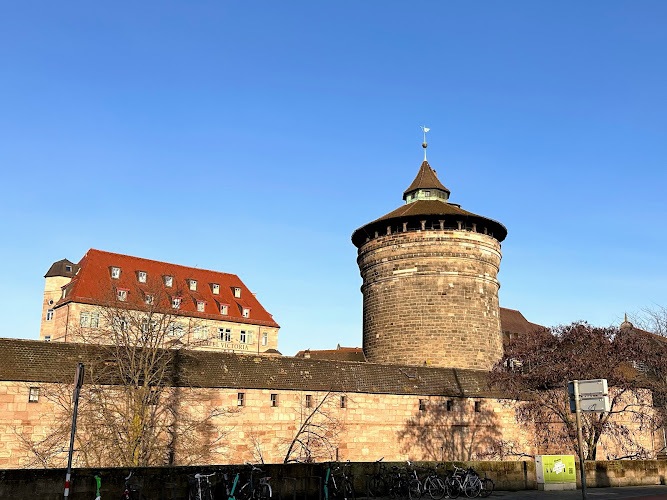

Key Highlights

  • 14th-century gateway structure tied to Nuremberg’s medieval city walls
  • Frauentorturm (Women’s Gate Tower) with preserved medieval architecture
  • Close connection to the former St. Klara convent (name origin)
  • Scenic photo opportunities blending historic masonry and urban context
  • Convenient location near Hauptbahnhof and the Handwerkerhof artisans’ courtyard

Location

Places to Stay Near Frauentor

Find and Book a Tour

Explore More Travel Guides

No reviews found! Be the first to review!

Frauentor is a prominent attractions located in Nuremberg.

Visit us at: Unnamed Road, 90402 Nürnberg, Germany.

Traveler Reviews for Frauentor

There are no reviews yet. Be the first one to write one.

Share Your Experience

Have you visited Frauentor? Help other travelers by sharing your review.

Nearby Attractions

Handwerkerhof (artisans' courtyard) Nürnberg Hauptbahnhof (main train station) Nuremberg Old Town (Altstadt) — including churches and medieval streets

Find Accommodations Nearby

Recommended Tours & Activities

Visitor Reviews

There are no reviews yet. Be the first one to write one.

Share Your Experience

Have you visited Frauentor? Help other travelers by leaving a review.