
German Railway Museum Nuremberg
About German Railway Museum Nuremberg
Description
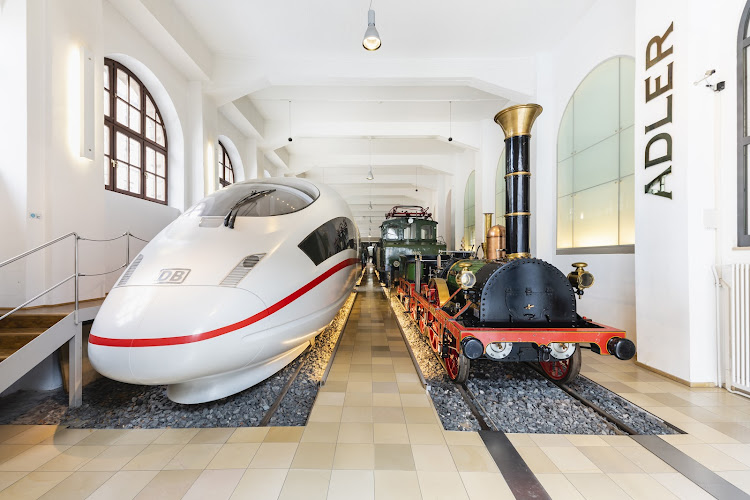
The German Railway Museum Nuremberg stands as one of Europe's oldest and most comprehensive railway museums, and honestly, it's the kind of place that surprises you in the best way possible. I've always thought railway museums might be a bit dry – you know, just old trains sitting around gathering dust – but this institution completely changed my perspective on what a transportation museum could be. Spread across both indoor exhibition halls and outdoor display areas, this impressive facility tells the story of German rail transport from its earliest days right through to modern high-speed trains. The collection is absolutely massive, featuring original locomotives, carriages, and railway equipment that span nearly two centuries of technological evolution. Walking through the halls feels like stepping through different eras of German history, with each train carrying its own stories of progress, innovation, and sometimes even darker chapters of the past. What really sets this museum apart is how it balances preservation with engagement. The museum doesn't just present static displays behind velvet ropes. Instead, visitors can actually board many of the historic trains, peer into driver's cabins, and get a genuine feel for what railway travel was like in different periods. And the interactive exhibits make technical concepts accessible even if you're not particularly mechanically minded. The building itself deserves mention too – it's housed in a genuine 19th-century railway depot, which adds another layer of authenticity to the whole experience. You're not just looking at history; you're standing in it. The outdoor areas showcase larger locomotives and rolling stock, creating an almost park-like atmosphere where families can wander between displays at their own pace.Key Features
The German Railway Museum Nuremberg offers visitors an incredible range of exhibits and experiences that go well beyond what you'd typically expect:- Over 200 years of railway history represented through authentic locomotives and carriages from different eras
- Interactive displays that let you experience train operations, signaling systems, and railway technology firsthand
- Original royal carriages that once transported Bavarian royalty, showcasing the luxury travel of bygone aristocracy
- The chance to climb aboard historic steam locomotives and explore their mechanics up close
- A dedicated children's area with hands-on activities and model railway displays that actually run
- Exhibition spaces covering both the glamorous and difficult aspects of railway history, including the role of trains during wartime
- Live demonstrations and performances that bring railway operations to life
- Scale models showing the evolution of railway infrastructure and station design
- Original railway artifacts including vintage timetables, tickets, uniforms, and signaling equipment
- Special exhibitions that rotate throughout the year, focusing on specific themes or anniversaries
- An extensive model railway layout that recreates German rail networks in miniature detail
- Wheelchair accessible facilities throughout, making it genuinely inclusive for all visitors
- An onsite restaurant where you can refuel during your visit without having to leave the premises
Best Time to Visit
Planning when to visit the German Railway Museum can really make or break your experience, and I've learned this the hard way with museum visits over the years. Weekdays during the school term are hands down your best bet if you want a more relaxed visit. Tuesday through Thursday mornings are particularly quiet, giving you space to really appreciate the exhibits without constantly navigating around large groups. But if you're traveling with kids, weekends and school holidays obviously make more sense for your schedule, even though you'll be sharing the space with more families. Weather-wise, the museum works year-round since most exhibits are indoors. However, spring and early autumn offer the sweet spot for enjoying the outdoor displays comfortably. Summer can get quite warm in those exhibition halls, and trust me, when you're in a building filled with metal locomotives on a hot July day, you'll feel it. Winter visits have their own charm though – there's something special about seeing those old steam engines when it's cold outside, almost like you can imagine the warmth they once generated. The museum tends to host special events and demonstrations during certain periods throughout the year. Steam days and anniversary celebrations draw bigger crowds but offer unique experiences you won't get on regular days. Check ahead if you're specifically interested in these events, though be prepared for larger visitor numbers. Morning visits generally work better than afternoons, especially on weekends. Getting there when doors open means you'll have first crack at the interactive exhibits before they get swamped. Plus, natural light fills those big industrial spaces beautifully in the morning hours, making for better photography if that's your thing. If you're combining your museum visit with exploring Nuremberg itself – which you absolutely should – consider saving the museum for a day when weather might not be ideal for outdoor sightseeing. It's the perfect rainy day alternative, though calling it just an alternative feels unfair to how genuinely engaging it is.How to Get There
Getting to the German Railway Museum is refreshingly straightforward, which makes sense given it's a museum celebrating railways in a country known for excellent public transportation. Nuremberg's public transport system connects directly to the museum, making it accessible without needing a car. The location is well-served by local transit, and you can easily reach it from the city center or your accommodation. For visitors staying in Nuremberg's Old Town or near the main railway station, the journey takes roughly 15-20 minutes depending on your exact starting point. If you're arriving in Nuremberg specifically to visit the museum, the city itself is well-connected to Germany's extensive rail network – which feels appropriately fitting for a railway museum visit. The main Nuremberg Hauptbahnhof serves as a major hub with connections throughout Germany and beyond. From Munich, you're looking at about an hour by train. Frankfurt is roughly two hours away, and even Berlin is reachable in under five hours. For those driving, parking facilities are available near the museum, including designated wheelchair-accessible spaces. The museum's location makes it accessible from major highways connecting Nuremberg to other parts of Bavaria and Germany. Just keep in mind that Nuremberg itself can get busy with traffic, particularly during rush hours and tourist season. International visitors flying into Nuremberg Airport will find the museum relatively accessible. The airport connects to the city's public transport network, making it possible to reach the museum without renting a car, though you might want to drop your luggage at your hotel first rather than dragging suitcases through railway exhibitions. I'd recommend getting a day pass for Nuremberg's public transport if you're planning to visit the museum and explore other parts of the city. It simplifies the logistics and usually works out more economical than buying individual tickets for each journey.Tips for Visiting
After spending considerable time exploring museums across Europe, I've picked up a few insights that'll help you make the most of your visit to the German Railway Museum. Plan for at least three to four hours, seriously. I made the mistake once of thinking I could breeze through in 90 minutes before meeting friends, and I barely scratched the surface. The collection is enormous, and if you're actually reading the information and climbing aboard the trains rather than just walking past, you'll need proper time. Families with kids who want to explore everything interactive should probably budget even longer. Wear comfortable shoes – this isn't negotiable. You'll be walking on hard floors through multiple exhibition halls and outdoor areas. Those cute travel shoes that looked great in the store? Leave them at the hotel. Your feet will thank you later. The onsite restaurant is genuinely convenient, but it can get packed during lunch hours, especially on weekends. Either eat early before the noon rush or plan a later lunch around 2pm when families with small children have usually moved on. Alternatively, the museum has restroom facilities and outdoor areas where you could have a picnic if you've brought snacks along. Don't skip the outdoor exhibits just because they might seem less glamorous than the indoor displays. Some of the most impressive locomotives live outside, and you can get much closer to them. Plus, if you're visiting with energetic kids, the outdoor space gives them room to move around between more structured indoor exhibits. The museum provides information in German primarily, but English materials are available for major exhibits. Download any available apps or audio guides beforehand if language might be a barrier. That said, trains are pretty universal – you can appreciate the engineering and design even without understanding every word of explanatory text. Photography is generally permitted, which is fantastic because you'll want to capture some of these incredible machines. But be respectful of other visitors and avoid blocking pathways or exhibits while getting your shots. And natural light in the main halls works better than flash for those interior shots anyway. If you're visiting with very young children, make use of the changing table facilities – the museum is genuinely set up for families. The kid-friendly interactive areas aren't just afterthoughts either; they're well-designed and educational without being preachy about it. Check the museum's schedule before visiting to see if any special demonstrations or live performances are happening during your visit. These events add real value to the experience, and timing your visit to coincide with them can turn a great day into an exceptional one. The museum is wheelchair accessible throughout, but some of the older train carriages obviously weren't designed with modern accessibility standards. Staff members are generally helpful if you need assistance accessing certain areas. Finally, don't rush. This isn't a place to tick off your list and move on. The German Railway Museum tells stories about technology, progress, human ambition, and yes, sometimes human tragedy too. Give yourself permission to wander, to sit in a 1920s passenger carriage and imagine the journeys it made, to really look at the engineering of a steam locomotive rather than just snapping a photo. That's when museums like this really come alive.Key Features
- Over 200 years of railway history represented through authentic locomotives and carriages from different eras
- Interactive displays that let you experience train operations, signaling systems, and railway technology firsthand
- Original royal carriages that once transported Bavarian royalty, showcasing the luxury travel of bygone aristocracy
- The chance to climb aboard historic steam locomotives and explore their mechanics up close
- A dedicated children's area with hands-on activities and model railway displays that actually run
- Exhibition spaces covering both the glamorous and difficult aspects of railway history, including the role of trains during wartime
- Live demonstrations and performances that bring railway operations to life
- Scale models showing the evolution of railway infrastructure and station design
More Details
Updated March 30, 2026
Table of Contents
Description
The German Railway Museum Nuremberg stands as one of Europe’s oldest and most comprehensive railway museums, and honestly, it’s the kind of place that surprises you in the best way possible. I’ve always thought railway museums might be a bit dry – you know, just old trains sitting around gathering dust – but this institution completely changed my perspective on what a transportation museum could be.
Spread across both indoor exhibition halls and outdoor display areas, this impressive facility tells the story of German rail transport from its earliest days right through to modern high-speed trains. The collection is absolutely massive, featuring original locomotives, carriages, and railway equipment that span nearly two centuries of technological evolution. Walking through the halls feels like stepping through different eras of German history, with each train carrying its own stories of progress, innovation, and sometimes even darker chapters of the past.
What really sets this museum apart is how it balances preservation with engagement. The museum doesn’t just present static displays behind velvet ropes. Instead, visitors can actually board many of the historic trains, peer into driver’s cabins, and get a genuine feel for what railway travel was like in different periods. And the interactive exhibits make technical concepts accessible even if you’re not particularly mechanically minded.
The building itself deserves mention too – it’s housed in a genuine 19th-century railway depot, which adds another layer of authenticity to the whole experience. You’re not just looking at history; you’re standing in it. The outdoor areas showcase larger locomotives and rolling stock, creating an almost park-like atmosphere where families can wander between displays at their own pace.
Key Features
The German Railway Museum Nuremberg offers visitors an incredible range of exhibits and experiences that go well beyond what you’d typically expect:
- Over 200 years of railway history represented through authentic locomotives and carriages from different eras
- Interactive displays that let you experience train operations, signaling systems, and railway technology firsthand
- Original royal carriages that once transported Bavarian royalty, showcasing the luxury travel of bygone aristocracy
- The chance to climb aboard historic steam locomotives and explore their mechanics up close
- A dedicated children’s area with hands-on activities and model railway displays that actually run
- Exhibition spaces covering both the glamorous and difficult aspects of railway history, including the role of trains during wartime
- Live demonstrations and performances that bring railway operations to life
- Scale models showing the evolution of railway infrastructure and station design
- Original railway artifacts including vintage timetables, tickets, uniforms, and signaling equipment
- Special exhibitions that rotate throughout the year, focusing on specific themes or anniversaries
- An extensive model railway layout that recreates German rail networks in miniature detail
- Wheelchair accessible facilities throughout, making it genuinely inclusive for all visitors
- An onsite restaurant where you can refuel during your visit without having to leave the premises
Best Time to Visit
Planning when to visit the German Railway Museum can really make or break your experience, and I’ve learned this the hard way with museum visits over the years.
Weekdays during the school term are hands down your best bet if you want a more relaxed visit. Tuesday through Thursday mornings are particularly quiet, giving you space to really appreciate the exhibits without constantly navigating around large groups. But if you’re traveling with kids, weekends and school holidays obviously make more sense for your schedule, even though you’ll be sharing the space with more families.
Weather-wise, the museum works year-round since most exhibits are indoors. However, spring and early autumn offer the sweet spot for enjoying the outdoor displays comfortably. Summer can get quite warm in those exhibition halls, and trust me, when you’re in a building filled with metal locomotives on a hot July day, you’ll feel it. Winter visits have their own charm though – there’s something special about seeing those old steam engines when it’s cold outside, almost like you can imagine the warmth they once generated.
The museum tends to host special events and demonstrations during certain periods throughout the year. Steam days and anniversary celebrations draw bigger crowds but offer unique experiences you won’t get on regular days. Check ahead if you’re specifically interested in these events, though be prepared for larger visitor numbers.
Morning visits generally work better than afternoons, especially on weekends. Getting there when doors open means you’ll have first crack at the interactive exhibits before they get swamped. Plus, natural light fills those big industrial spaces beautifully in the morning hours, making for better photography if that’s your thing.
If you’re combining your museum visit with exploring Nuremberg itself – which you absolutely should – consider saving the museum for a day when weather might not be ideal for outdoor sightseeing. It’s the perfect rainy day alternative, though calling it just an alternative feels unfair to how genuinely engaging it is.
How to Get There
Getting to the German Railway Museum is refreshingly straightforward, which makes sense given it’s a museum celebrating railways in a country known for excellent public transportation.
Nuremberg’s public transport system connects directly to the museum, making it accessible without needing a car. The location is well-served by local transit, and you can easily reach it from the city center or your accommodation. For visitors staying in Nuremberg’s Old Town or near the main railway station, the journey takes roughly 15-20 minutes depending on your exact starting point.
If you’re arriving in Nuremberg specifically to visit the museum, the city itself is well-connected to Germany’s extensive rail network – which feels appropriately fitting for a railway museum visit. The main Nuremberg Hauptbahnhof serves as a major hub with connections throughout Germany and beyond. From Munich, you’re looking at about an hour by train. Frankfurt is roughly two hours away, and even Berlin is reachable in under five hours.
For those driving, parking facilities are available near the museum, including designated wheelchair-accessible spaces. The museum’s location makes it accessible from major highways connecting Nuremberg to other parts of Bavaria and Germany. Just keep in mind that Nuremberg itself can get busy with traffic, particularly during rush hours and tourist season.
International visitors flying into Nuremberg Airport will find the museum relatively accessible. The airport connects to the city’s public transport network, making it possible to reach the museum without renting a car, though you might want to drop your luggage at your hotel first rather than dragging suitcases through railway exhibitions.
I’d recommend getting a day pass for Nuremberg’s public transport if you’re planning to visit the museum and explore other parts of the city. It simplifies the logistics and usually works out more economical than buying individual tickets for each journey.
Tips for Visiting
After spending considerable time exploring museums across Europe, I’ve picked up a few insights that’ll help you make the most of your visit to the German Railway Museum.
Plan for at least three to four hours, seriously. I made the mistake once of thinking I could breeze through in 90 minutes before meeting friends, and I barely scratched the surface. The collection is enormous, and if you’re actually reading the information and climbing aboard the trains rather than just walking past, you’ll need proper time. Families with kids who want to explore everything interactive should probably budget even longer.
Wear comfortable shoes – this isn’t negotiable. You’ll be walking on hard floors through multiple exhibition halls and outdoor areas. Those cute travel shoes that looked great in the store? Leave them at the hotel. Your feet will thank you later.
The onsite restaurant is genuinely convenient, but it can get packed during lunch hours, especially on weekends. Either eat early before the noon rush or plan a later lunch around 2pm when families with small children have usually moved on. Alternatively, the museum has restroom facilities and outdoor areas where you could have a picnic if you’ve brought snacks along.
Don’t skip the outdoor exhibits just because they might seem less glamorous than the indoor displays. Some of the most impressive locomotives live outside, and you can get much closer to them. Plus, if you’re visiting with energetic kids, the outdoor space gives them room to move around between more structured indoor exhibits.
The museum provides information in German primarily, but English materials are available for major exhibits. Download any available apps or audio guides beforehand if language might be a barrier. That said, trains are pretty universal – you can appreciate the engineering and design even without understanding every word of explanatory text.
Photography is generally permitted, which is fantastic because you’ll want to capture some of these incredible machines. But be respectful of other visitors and avoid blocking pathways or exhibits while getting your shots. And natural light in the main halls works better than flash for those interior shots anyway.
If you’re visiting with very young children, make use of the changing table facilities – the museum is genuinely set up for families. The kid-friendly interactive areas aren’t just afterthoughts either; they’re well-designed and educational without being preachy about it.
Check the museum’s schedule before visiting to see if any special demonstrations or live performances are happening during your visit. These events add real value to the experience, and timing your visit to coincide with them can turn a great day into an exceptional one.
The museum is wheelchair accessible throughout, but some of the older train carriages obviously weren’t designed with modern accessibility standards. Staff members are generally helpful if you need assistance accessing certain areas.
Finally, don’t rush. This isn’t a place to tick off your list and move on. The German Railway Museum tells stories about technology, progress, human ambition, and yes, sometimes human tragedy too. Give yourself permission to wander, to sit in a 1920s passenger carriage and imagine the journeys it made, to really look at the engineering of a steam locomotive rather than just snapping a photo. That’s when museums like this really come alive.
Key Highlights
- Over 200 years of railway history represented through authentic locomotives and carriages from different eras
- Interactive displays that let you experience train operations, signaling systems, and railway technology firsthand
- Original royal carriages that once transported Bavarian royalty, showcasing the luxury travel of bygone aristocracy
- The chance to climb aboard historic steam locomotives and explore their mechanics up close
- A dedicated children's area with hands-on activities and model railway displays that actually run
- Exhibition spaces covering both the glamorous and difficult aspects of railway history, including the role of trains during wartime
- Live demonstrations and performances that bring railway operations to life
- Scale models showing the evolution of railway infrastructure and station design
Location
Places to Stay Near German Railway Museum Nuremberg
Find and Book a Tour
Explore More Travel Guides
No reviews found! Be the first to review!
German Railway Museum Nuremberg is a prominent museums located in Nuremberg.
Visit us at: Lessingstraße 6, 90443 Nürnberg, Germany.
Traveler Reviews for German Railway Museum Nuremberg
There are no reviews yet. Be the first one to write one.
Have you visited German Railway Museum Nuremberg? Help other travelers by sharing your review.
You Might Also Like
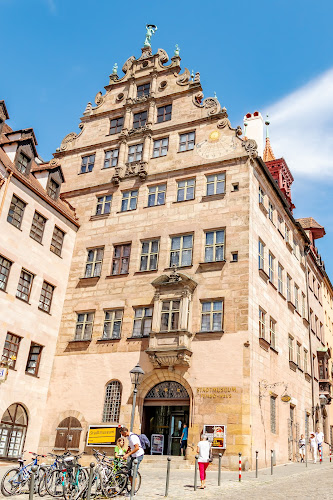
Stadtmuseum im Fembo-Haus
Museum | 22 | 20 | 18 |
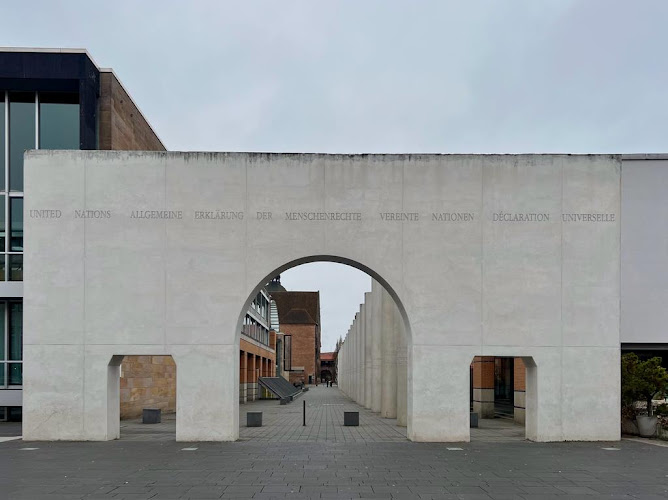
Street of Human Rights
Find Accommodations Nearby
Recommended Tours & Activities
Visitor Reviews
There are no reviews yet. Be the first one to write one.
Share Your Experience
Have you visited German Railway Museum Nuremberg? Help other travelers by leaving a review.