
Street of Human Rights
About Street of Human Rights
Description
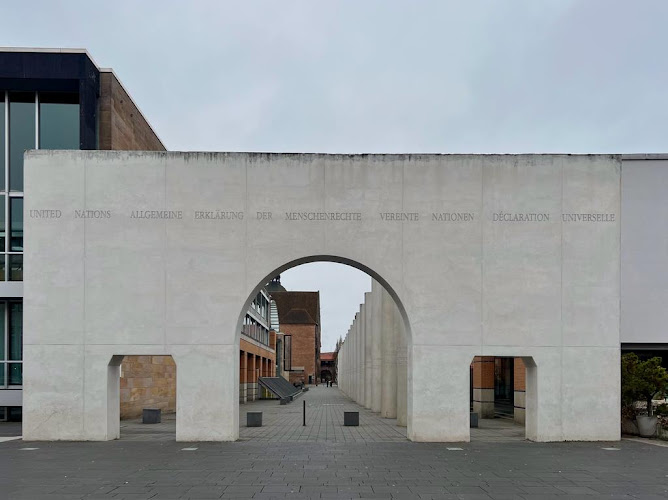
The Street of Human Rights stands as one of those monuments that catches you off guard in the best possible way. I'll be honest, when I first heard about a street lined with pillars showcasing the Universal Declaration of Human Rights, I wondered if it might feel a bit preachy or heavy-handed. But there's something genuinely moving about walking through this concrete archway and finding yourself surrounded by these declarations etched into stone. It's not just a tourist attraction—though it absolutely is worth visiting—but more of an outdoor gallery that makes you stop and think about principles we sometimes take for granted. The structure itself begins with a distinctive concrete arch that serves as your gateway into this unique historical landmark. Beyond that arch, dozens of pillars rise from the ground, each one bearing articles from the Universal Declaration of Human Rights. What makes this particularly interesting is how the monument translates these fundamental rights into multiple languages, creating this wonderful intersection of universal values and cultural diversity. You're reading about freedom and dignity in tongues you might not even recognize, and somehow that drives home the point even stronger. This isn't your typical monument where you snap a quick photo and move on. People tend to linger here, reading the inscriptions, contemplating what they mean in today's world. I've seen families using it as a teaching moment with their kids, couples having quiet conversations between the pillars, and solo travelers sitting on the ground just taking it all in. There's a contemplative quality to the space that's hard to describe until you experience it yourself.Key Features
The Street of Human Rights offers several distinctive elements that make it stand out among historical landmarks: • A striking concrete archway that marks the entrance to the monument and provides an excellent frame for photography • Multiple stone pillars, each standing as individual testaments to different articles of the Universal Declaration of Human Rights • Multilingual inscriptions that showcase the universal nature of human rights across different cultures and languages • Wheelchair accessible entrance and parking facilities, making it genuinely inclusive for visitors with mobility considerations • An open-air design that allows visitors to experience the monument regardless of opening hours or ticket requirements • Family-friendly environment that's particularly well-suited for educational visits with children • Opportunities for quiet reflection in a space designed to inspire contemplation about fundamental freedoms • Historical significance tied to the broader human rights movement and post-World War II international cooperation • Architectural design that balances solemnity with accessibility, avoiding the stuffiness of traditional monuments • Free admission that removes economic barriers to experiencing this important landmarkBest Time to Visit
Timing your visit to the Street of Human Rights can really enhance your experience, though I should mention upfront that this outdoor monument doesn't have restricted hours—which is actually part of its charm. You can wander through at just about any time, but some moments are definitely better than others. Early morning visits have their own magic. There's something about reading declarations of human dignity while the world is just waking up that hits different, you know? The light tends to be softer, there are fewer people around, and you can take your time with each pillar without feeling rushed. Plus, if you're visiting during summer months, getting there before the heat really kicks in makes the experience much more comfortable. Late afternoon and early evening can be equally compelling, especially if you're hoping to capture some striking photographs. The way the setting sun casts shadows through the pillars creates this dramatic effect that you won't get at midday. I've found that golden hour—that magical time about an hour before sunset—transforms the entire space. The concrete takes on warmer tones, and there's usually a peaceful quality to the atmosphere as day transitions into evening. Weather-wise, spring and fall offer ideal conditions for visiting. You're not dealing with extreme temperatures, and the moderate climate means you can spend as much time as you want reading and reflecting without being driven away by heat or cold. That said, I've heard from travelers who visited during winter that there's something poignant about standing among these declarations of human rights when the air is crisp and cold—it somehow makes the words feel more urgent. Weekdays generally see smaller crowds compared to weekends, which might matter to you if you're hoping for a more solitary, contemplative experience. But honestly, I wouldn't avoid weekends entirely. Sometimes seeing families bringing their children to learn about human rights or watching groups of students taking notes adds to the significance of the place.How to Get There
Getting to the Street of Human Rights is straightforward enough that you shouldn't stress too much about logistics. The monument's accessible design extends to its location, which travelers consistently find manageable to reach. For those driving, you'll be pleased to know that wheelchair accessible parking is available on-site. This is actually a bigger deal than it might sound—plenty of historical landmarks pay lip service to accessibility but then make it nearly impossible to actually park and access the site. Here, the planners clearly thought things through. Just be aware that parking availability can vary depending on when you visit, so arriving earlier rather than later gives you more options. Public transportation serves the area reasonably well, though you'll want to check current routes and schedules before you head out. Bus lines typically run nearby, and from the stop, it's usually a short walk to the monument itself. The surrounding area is generally pedestrian-friendly, which makes the final approach pleasant rather than stressful. If you're staying in the central area of the city, walking or cycling might actually be your best bet. The monument fits nicely into a broader walking tour of local historical sites, and there's something appropriate about approaching a monument to human rights on foot—it gives you time to transition from tourist mode into a more reflective mindset. Taxis and rideshare services can drop you right near the entrance, which is perfect if you're traveling with young children, have mobility concerns, or just want the convenience. The landmark is well-known enough that drivers won't have trouble finding it.Tips for Visiting
A few practical insights can make your visit to the Street of Human Rights more meaningful and comfortable. These are things I wish someone had told me before visiting similar monuments. Take your time—seriously. This isn't a place for rushing through. Each pillar deserves a moment of your attention, and you'll get so much more out of the experience if you resist the urge to treat it like a checkbox on your itinerary. I'd suggest allowing at least 45 minutes to an hour, maybe more if you're really interested in reading through all the articles. Bring the kids, honestly. Yes, human rights might sound like heavy stuff for children, but this monument is genuinely good for young visitors. It's an opportunity to have age-appropriate conversations about fairness, kindness, and why treating people with dignity matters. The visual nature of the pillars gives kids something tangible to engage with rather than abstract concepts. Just be prepared for questions—lots of them. Photography is obviously allowed, and you should absolutely take pictures. But here's something I learned the hard way at similar sites: don't experience the entire thing through your camera lens. Take your photos, sure, but then put the phone away for a while and just be present. The pillars make for striking images, especially with creative angles using the archway, but the real value comes from reading and reflecting. Dress comfortably and consider the weather. Since this is an outdoor monument, you're exposed to the elements. Wear walking shoes because you'll be on your feet, and bring sun protection during warmer months. Conversely, a jacket during cooler seasons makes sense. There's no shelter here, so come prepared. The wheelchair accessible entrance isn't just about compliance—it genuinely works well. If you or someone in your group has mobility considerations, don't hesitate to visit. The paths between pillars are navigable, and the overall design accounts for different levels of physical ability. Consider bringing a notebook or using your phone to jot down thoughts. Reading through the Declaration of Human Rights often sparks reflections on current events, personal values, or questions about how we're living up to these ideals. Capturing those thoughts while they're fresh can be valuable. Visit with someone if possible. The conversations that emerge from walking through this monument together often become as memorable as the monument itself. I'm not saying don't visit solo—solitary visits have their own value—but there's something about processing these ideas with another person that enhances the experience. Don't expect elaborate facilities. This is a monument, not a museum. There aren't gift shops or cafes or tour guides with microphones. That's actually part of its appeal—it's stripped down to the essential message. But it also means you should plan accordingly. Use the restroom before you arrive, bring water if you need it, and don't count on purchasing refreshments on-site. Check if there are any special events or commemorations scheduled during your visit. Sometimes the monument hosts gatherings on significant dates related to human rights, and experiencing it during one of these moments can add another layer of meaning to your visit. The Street of Human Rights rewards thoughtful visitors who arrive ready to engage with its message. It's a place that asks something of you—your attention, your reflection, maybe even your commitment to the principles it represents. And that's exactly what makes it worth visiting.Key Features
- Sequence of tall white pillars each inscribed with an article of the Universal Declaration of Human Rights
- Designed by Israeli artist Dani Karavan and opened in 1993
- Located between the new and old buildings of the Germanisches Nationalmuseum
- Connects Kornmarkt/Kartäusergasse area with the medieval city wall, creating a pedestrian axis
- Free, open-air installation that combines art, history, and architecture
More Details
Updated March 30, 2026
Table of Contents
Description
The Street of Human Rights stands as one of those monuments that catches you off guard in the best possible way. I’ll be honest, when I first heard about a street lined with pillars showcasing the Universal Declaration of Human Rights, I wondered if it might feel a bit preachy or heavy-handed. But there’s something genuinely moving about walking through this concrete archway and finding yourself surrounded by these declarations etched into stone. It’s not just a tourist attraction—though it absolutely is worth visiting—but more of an outdoor gallery that makes you stop and think about principles we sometimes take for granted.
The structure itself begins with a distinctive concrete arch that serves as your gateway into this unique historical landmark. Beyond that arch, dozens of pillars rise from the ground, each one bearing articles from the Universal Declaration of Human Rights. What makes this particularly interesting is how the monument translates these fundamental rights into multiple languages, creating this wonderful intersection of universal values and cultural diversity. You’re reading about freedom and dignity in tongues you might not even recognize, and somehow that drives home the point even stronger.
This isn’t your typical monument where you snap a quick photo and move on. People tend to linger here, reading the inscriptions, contemplating what they mean in today’s world. I’ve seen families using it as a teaching moment with their kids, couples having quiet conversations between the pillars, and solo travelers sitting on the ground just taking it all in. There’s a contemplative quality to the space that’s hard to describe until you experience it yourself.
Key Features
The Street of Human Rights offers several distinctive elements that make it stand out among historical landmarks:
• A striking concrete archway that marks the entrance to the monument and provides an excellent frame for photography
• Multiple stone pillars, each standing as individual testaments to different articles of the Universal Declaration of Human Rights
• Multilingual inscriptions that showcase the universal nature of human rights across different cultures and languages
• Wheelchair accessible entrance and parking facilities, making it genuinely inclusive for visitors with mobility considerations
• An open-air design that allows visitors to experience the monument regardless of opening hours or ticket requirements
• Family-friendly environment that’s particularly well-suited for educational visits with children
• Opportunities for quiet reflection in a space designed to inspire contemplation about fundamental freedoms
• Historical significance tied to the broader human rights movement and post-World War II international cooperation
• Architectural design that balances solemnity with accessibility, avoiding the stuffiness of traditional monuments
• Free admission that removes economic barriers to experiencing this important landmark
Best Time to Visit
Timing your visit to the Street of Human Rights can really enhance your experience, though I should mention upfront that this outdoor monument doesn’t have restricted hours—which is actually part of its charm. You can wander through at just about any time, but some moments are definitely better than others.
Early morning visits have their own magic. There’s something about reading declarations of human dignity while the world is just waking up that hits different, you know? The light tends to be softer, there are fewer people around, and you can take your time with each pillar without feeling rushed. Plus, if you’re visiting during summer months, getting there before the heat really kicks in makes the experience much more comfortable.
Late afternoon and early evening can be equally compelling, especially if you’re hoping to capture some striking photographs. The way the setting sun casts shadows through the pillars creates this dramatic effect that you won’t get at midday. I’ve found that golden hour—that magical time about an hour before sunset—transforms the entire space. The concrete takes on warmer tones, and there’s usually a peaceful quality to the atmosphere as day transitions into evening.
Weather-wise, spring and fall offer ideal conditions for visiting. You’re not dealing with extreme temperatures, and the moderate climate means you can spend as much time as you want reading and reflecting without being driven away by heat or cold. That said, I’ve heard from travelers who visited during winter that there’s something poignant about standing among these declarations of human rights when the air is crisp and cold—it somehow makes the words feel more urgent.
Weekdays generally see smaller crowds compared to weekends, which might matter to you if you’re hoping for a more solitary, contemplative experience. But honestly, I wouldn’t avoid weekends entirely. Sometimes seeing families bringing their children to learn about human rights or watching groups of students taking notes adds to the significance of the place.
How to Get There
Getting to the Street of Human Rights is straightforward enough that you shouldn’t stress too much about logistics. The monument’s accessible design extends to its location, which travelers consistently find manageable to reach.
For those driving, you’ll be pleased to know that wheelchair accessible parking is available on-site. This is actually a bigger deal than it might sound—plenty of historical landmarks pay lip service to accessibility but then make it nearly impossible to actually park and access the site. Here, the planners clearly thought things through. Just be aware that parking availability can vary depending on when you visit, so arriving earlier rather than later gives you more options.
Public transportation serves the area reasonably well, though you’ll want to check current routes and schedules before you head out. Bus lines typically run nearby, and from the stop, it’s usually a short walk to the monument itself. The surrounding area is generally pedestrian-friendly, which makes the final approach pleasant rather than stressful.
If you’re staying in the central area of the city, walking or cycling might actually be your best bet. The monument fits nicely into a broader walking tour of local historical sites, and there’s something appropriate about approaching a monument to human rights on foot—it gives you time to transition from tourist mode into a more reflective mindset.
Taxis and rideshare services can drop you right near the entrance, which is perfect if you’re traveling with young children, have mobility concerns, or just want the convenience. The landmark is well-known enough that drivers won’t have trouble finding it.
Tips for Visiting
A few practical insights can make your visit to the Street of Human Rights more meaningful and comfortable. These are things I wish someone had told me before visiting similar monuments.
Take your time—seriously. This isn’t a place for rushing through. Each pillar deserves a moment of your attention, and you’ll get so much more out of the experience if you resist the urge to treat it like a checkbox on your itinerary. I’d suggest allowing at least 45 minutes to an hour, maybe more if you’re really interested in reading through all the articles.
Bring the kids, honestly. Yes, human rights might sound like heavy stuff for children, but this monument is genuinely good for young visitors. It’s an opportunity to have age-appropriate conversations about fairness, kindness, and why treating people with dignity matters. The visual nature of the pillars gives kids something tangible to engage with rather than abstract concepts. Just be prepared for questions—lots of them.
Photography is obviously allowed, and you should absolutely take pictures. But here’s something I learned the hard way at similar sites: don’t experience the entire thing through your camera lens. Take your photos, sure, but then put the phone away for a while and just be present. The pillars make for striking images, especially with creative angles using the archway, but the real value comes from reading and reflecting.
Dress comfortably and consider the weather. Since this is an outdoor monument, you’re exposed to the elements. Wear walking shoes because you’ll be on your feet, and bring sun protection during warmer months. Conversely, a jacket during cooler seasons makes sense. There’s no shelter here, so come prepared.
The wheelchair accessible entrance isn’t just about compliance—it genuinely works well. If you or someone in your group has mobility considerations, don’t hesitate to visit. The paths between pillars are navigable, and the overall design accounts for different levels of physical ability.
Consider bringing a notebook or using your phone to jot down thoughts. Reading through the Declaration of Human Rights often sparks reflections on current events, personal values, or questions about how we’re living up to these ideals. Capturing those thoughts while they’re fresh can be valuable.
Visit with someone if possible. The conversations that emerge from walking through this monument together often become as memorable as the monument itself. I’m not saying don’t visit solo—solitary visits have their own value—but there’s something about processing these ideas with another person that enhances the experience.
Don’t expect elaborate facilities. This is a monument, not a museum. There aren’t gift shops or cafes or tour guides with microphones. That’s actually part of its appeal—it’s stripped down to the essential message. But it also means you should plan accordingly. Use the restroom before you arrive, bring water if you need it, and don’t count on purchasing refreshments on-site.
Check if there are any special events or commemorations scheduled during your visit. Sometimes the monument hosts gatherings on significant dates related to human rights, and experiencing it during one of these moments can add another layer of meaning to your visit.
The Street of Human Rights rewards thoughtful visitors who arrive ready to engage with its message. It’s a place that asks something of you—your attention, your reflection, maybe even your commitment to the principles it represents. And that’s exactly what makes it worth visiting.
Key Highlights
- Sequence of tall white pillars each inscribed with an article of the Universal Declaration of Human Rights
- Designed by Israeli artist Dani Karavan and opened in 1993
- Located between the new and old buildings of the Germanisches Nationalmuseum
- Connects Kornmarkt/Kartäusergasse area with the medieval city wall, creating a pedestrian axis
- Free, open-air installation that combines art, history, and architecture
Location
Places to Stay Near Street of Human Rights
Find and Book a Tour
Explore More Travel Guides
No reviews found! Be the first to review!
Street of Human Rights is a prominent attractions located in Nuremberg.
Visit us at: Kartäusergasse 1, 90402 Nürnberg, Germany.
Traveler Reviews for Street of Human Rights
There are no reviews yet. Be the first one to write one.
Have you visited Street of Human Rights? Help other travelers by sharing your review.
Nearby Attractions
You Might Also Like
Congress Hall
Museums Nuremberg - Albrecht Dürer House

Handwerkerhof Nürnberg
Find Accommodations Nearby
Recommended Tours & Activities
Visitor Reviews
There are no reviews yet. Be the first one to write one.
Share Your Experience
Have you visited Street of Human Rights? Help other travelers by leaving a review.