
Museums Nuremberg – Albrecht Dürer House
About Museums Nuremberg – Albrecht Dürer House
Description
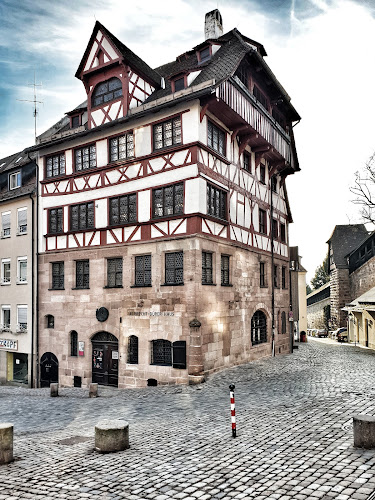
Walking through Nuremberg's medieval streets, you'll stumble upon one of those rare places where history doesn't just whisper—it practically shouts at you through every creaky floorboard and centuries-old beam. The Albrecht Dürer House stands as a remarkable testament to artistic genius and architectural resilience, having miraculously survived the devastating WWII bombings that leveled much of the city around it. This Gothic timbered house served as both home and workshop to Germany's most celebrated Renaissance artist from 1509 until his death in 1528. I've always found something profoundly moving about visiting homes where creative giants actually lived and worked. And this place delivers that experience in spades. The museum doesn't just display Dürer's works—though his original etchings and woodcuts are absolutely worth the admission price alone—it transports visitors back five centuries to experience the world as this remarkable artist knew it. The building itself dates back to around 1420, making it one of the few remaining authentic burgher houses from Nuremberg's golden age. What strikes most visitors immediately is how the house managed to maintain its original character despite being located in a city that suffered catastrophic damage during the war. The timber framing, the narrow staircases, the small-paned windows—they're all authentic remnants of late medieval architecture. You're literally walking where Dürer walked, climbing stairs he climbed thousands of times, looking out windows he gazed through while contemplating his next masterpiece. The museum offers an intimate glimpse into not just Dürer's artistic achievements but also his daily life, his workshop practices, and the broader context of Renaissance Nuremberg. Through carefully curated exhibits and period furnishings, visitors gain understanding of how a 16th-century artist actually functioned—from mixing pigments to operating a printing press to managing household affairs.Key Features
The Albrecht Dürer House presents travelers with distinctive features that make it stand out among European art museums:- Original etchings and woodcuts by Albrecht Dürer himself, displayed in rotation to preserve these delicate works while giving visitors access to authentic masterpieces
- A functioning historical printing press demonstration that shows exactly how Dürer created his revolutionary prints, complete with period-appropriate tools and techniques
- An audio guide system that brings the experience to life with detailed narration—highly recommended because it adds context you'd otherwise miss completely
- Authentic Gothic architecture from the 15th century, making the building itself as much an artifact as the artworks it contains
- Period-furnished rooms recreating the living and working spaces as they would have appeared during Dürer's lifetime, including his studio and living quarters
- Interactive demonstrations by costumed guides who sometimes portray Agnes Dürer, the artist's wife, sharing insights about household management and daily life in Renaissance Nuremberg
- An assistive hearing loop system for visitors with hearing impairments, ensuring accessibility for those who need it
- A genuine medieval kitchen that shows how meals were prepared in the 16th century, complete with original cooking implements
- Temporary exhibitions that explore various aspects of Dürer's work and influence on subsequent generations of artists
- Educational displays explaining Renaissance artistic techniques, from copper engraving to watercolor painting methods Dürer pioneered
- Views from upper floors that offer perspectives of Nuremberg's old town much as Dürer would have seen it
Best Time to Visit
Timing your visit to the Albrecht Dürer House requires considering both seasonal factors and daily crowd patterns. Based on experience and observation, weekday mornings—particularly Tuesday through Thursday between 10 AM and noon—tend to offer the most peaceful viewing experience. You'll have space to really absorb the details without bumping elbows with tour groups. Summer months from June through August bring the heaviest tourist traffic to Nuremberg, and the Dürer House definitely feels that pressure. The narrow staircases and relatively small rooms can get uncomfortably crowded when multiple tour groups converge. But here's the thing—summer also brings the longest opening hours and the best weather for exploring the surrounding Altstadt before or after your museum visit. I'd personally recommend visiting during shoulder seasons, specifically late April through May or September through early October. The weather's still pleasant for walking around Nuremberg's cobblestone streets, but the crushing summer crowds have either not yet arrived or already departed. Plus, the autumn light filtering through those old windows creates an atmosphere that feels particularly appropriate for contemplating Renaissance art. Winter visits have their own charm, honestly. December brings Nuremberg's famous Christkindlesmarkt, and while the city gets busy, there's something magical about visiting Dürer's house when snow might be dusting the timber frames outside. Just bundle up—these old buildings weren't exactly built with modern heating in mind. Regarding time of day, early morning right when doors open typically offers the best experience. By mid-afternoon, especially on weekends, the rooms can feel pretty packed. Allow yourself at least 90 minutes to two hours for a thorough visit—rushing through defeats the purpose entirely. One consideration that doesn't get mentioned enough: avoid visiting during German school holiday periods if possible. The museum is genuinely good for kids, which means school groups frequent the place, and twenty excited teenagers in a medieval house creates quite the acoustic experience.How to Get There
Getting to the Albrecht Dürer House proves remarkably straightforward, even for first-time visitors to Nuremberg. The museum sits in the northern section of the Altstadt, perched on a hill that was historically the more prestigious residential area—artists and wealthy merchants lived up here while tradespeople occupied lower elevations. From Nuremberg's main train station (Hauptbahnhof), you've got several options. The most scenic approach involves walking, which takes about 20-25 minutes through the old town. Head north from the station, pass through the city walls at Königstor, continue along Königstraße through the main market square (Hauptmarkt), then climb up toward the castle district. The Dürer House sits just below Nuremberg Castle, and honestly, the walk itself serves as a wonderful introduction to the city's medieval character. Public transportation offers a faster alternative. Take the U-Bahn (subway) line U1, U2, or U3 to Lorenzkirche station, then it's about a 10-minute walk uphill. Alternatively, several bus lines service the area near the castle. The number 36 bus gets you particularly close, though schedules can be less frequent than the U-Bahn. Here's something important that catches visitors off guard: the house doesn't have wheelchair accessible entrances or parking. The building's historic nature means it's not retrofitted for full accessibility, which is unfortunate but also understandable given the architectural constraints of a 600-year-old structure. Those narrow medieval staircases simply weren't designed with accessibility in mind. For drivers, parking in the Altstadt is limited and can be expensive. Your best bet involves parking at one of the larger garages near the city walls—like the Parkhaus Sterntor or Parkhaus Hauptmarkt—then walking or taking public transport the rest of the way. Honestly though, you don't need a car in Nuremberg's center; everything's walkable or easily reached by public transport. If you're staying elsewhere in Nuremberg, the castle district serves as a useful landmark. Ask anyone for directions to "Nürnberger Burg" (Nuremberg Castle), and once you're there, the Dürer House is immediately identifiable with its distinctive timber framing just down the street. Local signage in the area is actually pretty good, with brown tourist signs pointing toward major attractions.Tips for Visiting
First things first—definitely get the audio guide. I know some people resist audio tours, finding them tedious or restrictive, but this one genuinely enhances the experience. The house doesn't have extensive written descriptions throughout, and the audio guide fills in critical context about what you're seeing. Without it, you're basically just looking at old rooms and prints without understanding their significance. Wear comfortable shoes with good traction. Those original wooden staircases have been worn smooth by centuries of footsteps, and they can be slippery. The stairs are also steep by modern standards—this was built when people were generally shorter and building codes didn't exist. Watch your head on the low doorframes too, especially if you're above average height. Photography policies deserve attention before you start snapping away. Flash photography isn't permitted because it damages the artworks, and some temporary exhibitions may prohibit photos entirely. Always check the posted rules, and respect them—these are irreplaceable cultural treasures we're talking about. Restroom facilities are available onsite, which might seem like a minor detail but becomes relevant when you're spending a couple hours exploring. However, there's no restaurant or café within the museum itself. Plan accordingly—maybe grab coffee beforehand or save lunch for after your visit. The surrounding neighborhood has plenty of options. The museum works well for kids, but prepare younger children for the fact that this isn't a hands-on, interactive children's museum. It's a historic house with valuable artworks. That said, the printing press demonstrations usually captivate children's attention, and the period room setups can spark imagination about how people lived centuries ago. The audio guide offers a children's version that makes the experience more engaging for younger visitors. Timing your visit to coincide with one of the costumed interpreter sessions adds tremendous value. Agnes Dürer (or rather, an interpreter portraying her) provides insights you simply won't get from static displays. Check the museum's schedule when planning your visit. Combine your visit with the nearby Imperial Castle—they're literally adjacent to each other. A combination ticket might be available, saving you a few euros. Both attractions complement each other well, giving you a fuller picture of medieval and Renaissance Nuremberg. Weather matters more than you might think for a museum visit. The building lacks modern climate control, so it can get quite warm in summer and chilly in winter. Layer your clothing appropriately. Budget at least two hours if you want to thoroughly experience everything. Rushing through in 45 minutes means you'll miss details that make this place special—the views from upper windows, the subtle craftsmanship in the timber work, the stories embedded in each room. Don't skip the temporary exhibition space if there's something showing during your visit. These rotating exhibits often explore specific aspects of Dürer's work or technique in greater depth than the permanent collection can accommodate. And here's a tip born from personal observation: visit the gift shop after you've toured the house, not before. You'll appreciate the books, prints, and reproductions much more once you've developed context for Dürer's work and understand why it matters. The shop actually stocks some quality items beyond typical tourist fare. Finally, take a moment when you're in Dürer's studio space to just stand quietly and absorb the atmosphere. Imagine the artist himself standing at that same window, contemplating his next work. That connection across centuries—that's what makes visiting places like this worthwhile. You can't get that from a textbook or website.Key Features
- Original etchings and woodcuts by Albrecht Dürer himself, displayed in rotation to preserve these delicate works while giving visitors access to authentic masterpieces
- A functioning historical printing press demonstration that shows exactly how Dürer created his revolutionary prints, complete with period-appropriate tools and techniques
- An audio guide system that brings the experience to life with detailed narration—highly recommended because it adds context you'd otherwise miss completely
- Authentic Gothic architecture from the 15th century, making the building itself as much an artifact as the artworks it contains
- Period-furnished rooms recreating the living and working spaces as they would have appeared during Dürer's lifetime, including his studio and living quarters
- Interactive demonstrations by costumed guides who sometimes portray Agnes Dürer, the artist's wife, sharing insights about household management and daily life in Renaissance Nuremberg
- An assistive hearing loop system for visitors with hearing impairments, ensuring accessibility for those who need it
- A genuine medieval kitchen that shows how meals were prepared in the 16th century, complete with original cooking implements
More Details
Updated March 30, 2026
Table of Contents
- Description
- Key Features
- Best Time to Visit
- How to Get There
- Tips for Visiting
- Key Highlights
- Location
- Places to Stay Near Museums Nuremberg - Albrecht Dürer House
- Find and Book a Tour
- Explore More Travel Guides
- Nearby Places You Might Like
- Traveler Reviews for Museums Nuremberg – Albrecht Dürer House
- Share Your Experience
Description
Walking through Nuremberg’s medieval streets, you’ll stumble upon one of those rare places where history doesn’t just whisper—it practically shouts at you through every creaky floorboard and centuries-old beam. The Albrecht Dürer House stands as a remarkable testament to artistic genius and architectural resilience, having miraculously survived the devastating WWII bombings that leveled much of the city around it. This Gothic timbered house served as both home and workshop to Germany’s most celebrated Renaissance artist from 1509 until his death in 1528.
I’ve always found something profoundly moving about visiting homes where creative giants actually lived and worked. And this place delivers that experience in spades. The museum doesn’t just display Dürer’s works—though his original etchings and woodcuts are absolutely worth the admission price alone—it transports visitors back five centuries to experience the world as this remarkable artist knew it. The building itself dates back to around 1420, making it one of the few remaining authentic burgher houses from Nuremberg’s golden age.
What strikes most visitors immediately is how the house managed to maintain its original character despite being located in a city that suffered catastrophic damage during the war. The timber framing, the narrow staircases, the small-paned windows—they’re all authentic remnants of late medieval architecture. You’re literally walking where Dürer walked, climbing stairs he climbed thousands of times, looking out windows he gazed through while contemplating his next masterpiece.
The museum offers an intimate glimpse into not just Dürer’s artistic achievements but also his daily life, his workshop practices, and the broader context of Renaissance Nuremberg. Through carefully curated exhibits and period furnishings, visitors gain understanding of how a 16th-century artist actually functioned—from mixing pigments to operating a printing press to managing household affairs.
Key Features
The Albrecht Dürer House presents travelers with distinctive features that make it stand out among European art museums:
- Original etchings and woodcuts by Albrecht Dürer himself, displayed in rotation to preserve these delicate works while giving visitors access to authentic masterpieces
- A functioning historical printing press demonstration that shows exactly how Dürer created his revolutionary prints, complete with period-appropriate tools and techniques
- An audio guide system that brings the experience to life with detailed narration—highly recommended because it adds context you’d otherwise miss completely
- Authentic Gothic architecture from the 15th century, making the building itself as much an artifact as the artworks it contains
- Period-furnished rooms recreating the living and working spaces as they would have appeared during Dürer’s lifetime, including his studio and living quarters
- Interactive demonstrations by costumed guides who sometimes portray Agnes Dürer, the artist’s wife, sharing insights about household management and daily life in Renaissance Nuremberg
- An assistive hearing loop system for visitors with hearing impairments, ensuring accessibility for those who need it
- A genuine medieval kitchen that shows how meals were prepared in the 16th century, complete with original cooking implements
- Temporary exhibitions that explore various aspects of Dürer’s work and influence on subsequent generations of artists
- Educational displays explaining Renaissance artistic techniques, from copper engraving to watercolor painting methods Dürer pioneered
- Views from upper floors that offer perspectives of Nuremberg’s old town much as Dürer would have seen it
Best Time to Visit
Timing your visit to the Albrecht Dürer House requires considering both seasonal factors and daily crowd patterns. Based on experience and observation, weekday mornings—particularly Tuesday through Thursday between 10 AM and noon—tend to offer the most peaceful viewing experience. You’ll have space to really absorb the details without bumping elbows with tour groups.
Summer months from June through August bring the heaviest tourist traffic to Nuremberg, and the Dürer House definitely feels that pressure. The narrow staircases and relatively small rooms can get uncomfortably crowded when multiple tour groups converge. But here’s the thing—summer also brings the longest opening hours and the best weather for exploring the surrounding Altstadt before or after your museum visit.
I’d personally recommend visiting during shoulder seasons, specifically late April through May or September through early October. The weather’s still pleasant for walking around Nuremberg’s cobblestone streets, but the crushing summer crowds have either not yet arrived or already departed. Plus, the autumn light filtering through those old windows creates an atmosphere that feels particularly appropriate for contemplating Renaissance art.
Winter visits have their own charm, honestly. December brings Nuremberg’s famous Christkindlesmarkt, and while the city gets busy, there’s something magical about visiting Dürer’s house when snow might be dusting the timber frames outside. Just bundle up—these old buildings weren’t exactly built with modern heating in mind.
Regarding time of day, early morning right when doors open typically offers the best experience. By mid-afternoon, especially on weekends, the rooms can feel pretty packed. Allow yourself at least 90 minutes to two hours for a thorough visit—rushing through defeats the purpose entirely.
One consideration that doesn’t get mentioned enough: avoid visiting during German school holiday periods if possible. The museum is genuinely good for kids, which means school groups frequent the place, and twenty excited teenagers in a medieval house creates quite the acoustic experience.
How to Get There
Getting to the Albrecht Dürer House proves remarkably straightforward, even for first-time visitors to Nuremberg. The museum sits in the northern section of the Altstadt, perched on a hill that was historically the more prestigious residential area—artists and wealthy merchants lived up here while tradespeople occupied lower elevations.
From Nuremberg’s main train station (Hauptbahnhof), you’ve got several options. The most scenic approach involves walking, which takes about 20-25 minutes through the old town. Head north from the station, pass through the city walls at Königstor, continue along Königstraße through the main market square (Hauptmarkt), then climb up toward the castle district. The Dürer House sits just below Nuremberg Castle, and honestly, the walk itself serves as a wonderful introduction to the city’s medieval character.
Public transportation offers a faster alternative. Take the U-Bahn (subway) line U1, U2, or U3 to Lorenzkirche station, then it’s about a 10-minute walk uphill. Alternatively, several bus lines service the area near the castle. The number 36 bus gets you particularly close, though schedules can be less frequent than the U-Bahn.
Here’s something important that catches visitors off guard: the house doesn’t have wheelchair accessible entrances or parking. The building’s historic nature means it’s not retrofitted for full accessibility, which is unfortunate but also understandable given the architectural constraints of a 600-year-old structure. Those narrow medieval staircases simply weren’t designed with accessibility in mind.
For drivers, parking in the Altstadt is limited and can be expensive. Your best bet involves parking at one of the larger garages near the city walls—like the Parkhaus Sterntor or Parkhaus Hauptmarkt—then walking or taking public transport the rest of the way. Honestly though, you don’t need a car in Nuremberg’s center; everything’s walkable or easily reached by public transport.
If you’re staying elsewhere in Nuremberg, the castle district serves as a useful landmark. Ask anyone for directions to “Nürnberger Burg” (Nuremberg Castle), and once you’re there, the Dürer House is immediately identifiable with its distinctive timber framing just down the street. Local signage in the area is actually pretty good, with brown tourist signs pointing toward major attractions.
Tips for Visiting
First things first—definitely get the audio guide. I know some people resist audio tours, finding them tedious or restrictive, but this one genuinely enhances the experience. The house doesn’t have extensive written descriptions throughout, and the audio guide fills in critical context about what you’re seeing. Without it, you’re basically just looking at old rooms and prints without understanding their significance.
Wear comfortable shoes with good traction. Those original wooden staircases have been worn smooth by centuries of footsteps, and they can be slippery. The stairs are also steep by modern standards—this was built when people were generally shorter and building codes didn’t exist. Watch your head on the low doorframes too, especially if you’re above average height.
Photography policies deserve attention before you start snapping away. Flash photography isn’t permitted because it damages the artworks, and some temporary exhibitions may prohibit photos entirely. Always check the posted rules, and respect them—these are irreplaceable cultural treasures we’re talking about.
Restroom facilities are available onsite, which might seem like a minor detail but becomes relevant when you’re spending a couple hours exploring. However, there’s no restaurant or café within the museum itself. Plan accordingly—maybe grab coffee beforehand or save lunch for after your visit. The surrounding neighborhood has plenty of options.
The museum works well for kids, but prepare younger children for the fact that this isn’t a hands-on, interactive children’s museum. It’s a historic house with valuable artworks. That said, the printing press demonstrations usually captivate children’s attention, and the period room setups can spark imagination about how people lived centuries ago. The audio guide offers a children’s version that makes the experience more engaging for younger visitors.
Timing your visit to coincide with one of the costumed interpreter sessions adds tremendous value. Agnes Dürer (or rather, an interpreter portraying her) provides insights you simply won’t get from static displays. Check the museum’s schedule when planning your visit.
Combine your visit with the nearby Imperial Castle—they’re literally adjacent to each other. A combination ticket might be available, saving you a few euros. Both attractions complement each other well, giving you a fuller picture of medieval and Renaissance Nuremberg.
Weather matters more than you might think for a museum visit. The building lacks modern climate control, so it can get quite warm in summer and chilly in winter. Layer your clothing appropriately.
Budget at least two hours if you want to thoroughly experience everything. Rushing through in 45 minutes means you’ll miss details that make this place special—the views from upper windows, the subtle craftsmanship in the timber work, the stories embedded in each room.
Don’t skip the temporary exhibition space if there’s something showing during your visit. These rotating exhibits often explore specific aspects of Dürer’s work or technique in greater depth than the permanent collection can accommodate.
And here’s a tip born from personal observation: visit the gift shop after you’ve toured the house, not before. You’ll appreciate the books, prints, and reproductions much more once you’ve developed context for Dürer’s work and understand why it matters. The shop actually stocks some quality items beyond typical tourist fare.
Finally, take a moment when you’re in Dürer’s studio space to just stand quietly and absorb the atmosphere. Imagine the artist himself standing at that same window, contemplating his next work. That connection across centuries—that’s what makes visiting places like this worthwhile. You can’t get that from a textbook or website.
Key Highlights
- Original etchings and woodcuts by Albrecht Dürer himself, displayed in rotation to preserve these delicate works while giving visitors access to authentic masterpieces
- A functioning historical printing press demonstration that shows exactly how Dürer created his revolutionary prints, complete with period-appropriate tools and techniques
- An audio guide system that brings the experience to life with detailed narration—highly recommended because it adds context you'd otherwise miss completely
- Authentic Gothic architecture from the 15th century, making the building itself as much an artifact as the artworks it contains
- Period-furnished rooms recreating the living and working spaces as they would have appeared during Dürer's lifetime, including his studio and living quarters
- Interactive demonstrations by costumed guides who sometimes portray Agnes Dürer, the artist's wife, sharing insights about household management and daily life in Renaissance Nuremberg
- An assistive hearing loop system for visitors with hearing impairments, ensuring accessibility for those who need it
- A genuine medieval kitchen that shows how meals were prepared in the 16th century, complete with original cooking implements
Location
Places to Stay Near Museums Nuremberg - Albrecht Dürer House
Find and Book a Tour
Explore More Travel Guides
No reviews found! Be the first to review!
Museums Nuremberg – Albrecht Dürer House is a prominent museums located in Nuremberg.
Visit us at: Albrecht-Dürer-Straße 39, 90403 Nürnberg, Germany.
Traveler Reviews for Museums Nuremberg – Albrecht Dürer House
There are no reviews yet. Be the first one to write one.
Have you visited Museums Nuremberg – Albrecht Dürer House? Help other travelers by sharing your review.
You Might Also Like
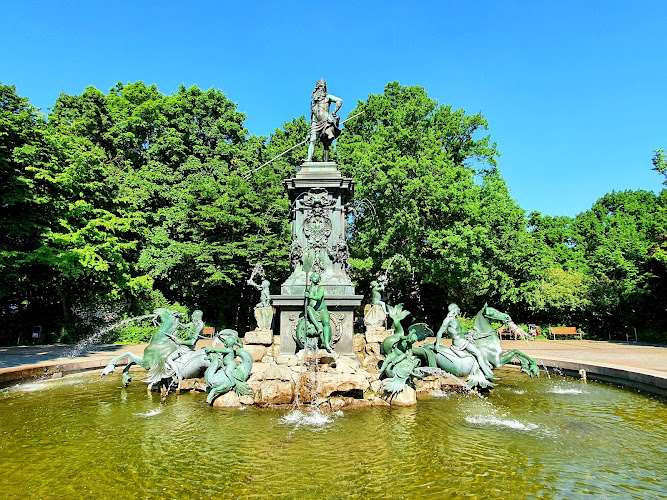
Neptune Fountain

Schöner Brunnen

Museumsbrücke
Find Accommodations Nearby
Recommended Tours & Activities
Visitor Reviews
There are no reviews yet. Be the first one to write one.
Share Your Experience
Have you visited Museums Nuremberg – Albrecht Dürer House? Help other travelers by leaving a review.