
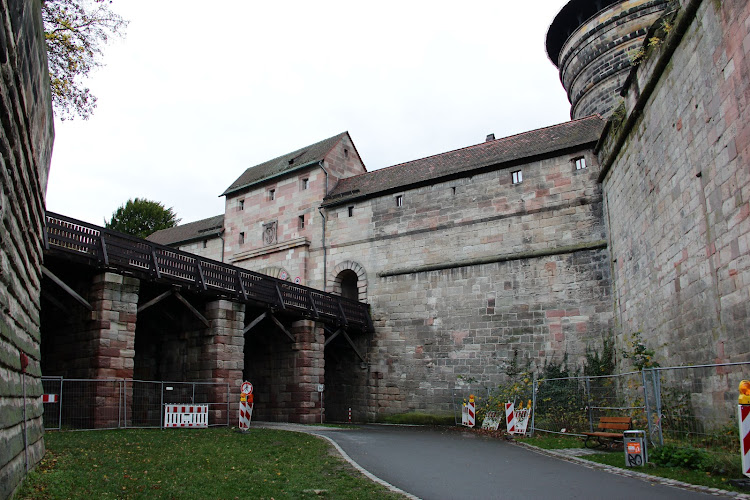
Neutor
About Neutor
Description
The Neutor stands as one of those intriguing medieval gateways that makes you stop and really think about all the history that's passed through its archway over the centuries. I've always been fascinated by these old city gates – they're like portals to another time, and this one's no exception. When you stand beneath its sturdy stone structure, you can almost hear the echoes of merchants, soldiers, and travelers who walked this same path hundreds of years ago. This historic gateway represents more than just an architectural feature. It's a genuine piece of living history that's managed to survive wars, urban development, and the relentless march of modernization. And honestly? That's pretty remarkable when you think about how many similar structures have been lost to time. The Neutor served as a critical entry point into the fortified city, controlling who came and went during periods when such security measures meant the difference between safety and invasion. What strikes most visitors first is the sheer presence of the gate. The stonework tells stories through its weathered surfaces – you'll notice different shades and textures where repairs were made over different centuries, creating this beautiful patchwork of architectural history. The craftsmanship is something we just don't see in modern construction, with each stone carefully placed by hands that understood their work would need to last generations. The surrounding area has evolved significantly, but the Neutor remains steadfast, refusing to be overshadowed by contemporary buildings. It creates this interesting juxtaposition between old and new that photographers absolutely love. I remember watching a local artist sketching the gate one afternoon, and she told me she'd been drawing it for twenty years and still discovered new details every time. That kind of says it all, doesn't it?Key Features
- Remarkable medieval architecture showcasing construction techniques from centuries past
- Authentic stonework with visible historical layers and repairs from different time periods
- Strategic positioning that demonstrates medieval urban planning and defensive strategies
- Architectural elements that reveal the evolution of fortification design
- Atmospheric setting that transports visitors to another era
- Excellent photographic opportunities from multiple angles and perspectives
- Accessible location that allows close-up examination of historical details
- Connection to the broader medieval defensive system of the city
- Well-preserved structural integrity despite centuries of exposure to the elements
- Educational value for understanding medieval European urban development
Best Time to Visit
Timing your visit to the Neutor can really make a difference in your experience. Early morning hours, particularly during weekdays, offer something special – the soft light hits the stonework in a way that brings out all those textures and subtle color variations. Plus, you'll have the place mostly to yourself, which is golden if you want to take your time examining the details without dodging other tourists. Late spring through early autumn presents ideal weather conditions for exploring the Neutor comfortably. The months of May, June, and September are particularly pleasant because you get lovely temperatures without the peak summer crowds. But here's the thing – each season offers its own unique perspective. Winter visits have their charm too, especially if there's snow dusting the ancient stones. The contrast is absolutely stunning, though you'll want to bundle up properly. Golden hour photography enthusiasts should plan their visits accordingly. The hour before sunset casts this warm, almost magical glow on the medieval stonework that you simply can't replicate with filters or editing. I've seen professional photographers camp out waiting for that perfect light, and honestly, their patience pays off. The shadows lengthen, highlighting every carved detail and weathered surface. Weekends tend to bring more visitors, but that's not necessarily a bad thing. Sometimes the energy of other curious travelers adds to the experience. You might overhear interesting conversations or meet fellow history buffs who share fascinating insights. Just be prepared for less solitude during these times. Avoiding major public holidays is generally wise unless you're specifically interested in local celebrations that might take place near the gateway. The area can get congested, making it difficult to fully appreciate the structure's architectural significance. That said, some festivals incorporate the historical landmarks into their celebrations, which can provide unique cultural context.How to Get There
Getting to the Neutor is generally straightforward, though your approach will depend on where you're starting from. The gateway's location within the city's historic quarter means it's typically well-connected by public transportation. Most visitors find that walking is actually the best approach if you're already exploring the old town area – it allows you to appreciate how the Neutor fits into the broader medieval urban layout. Public transportation usually offers several convenient options. Local bus routes frequently serve the historic district, and you'll find stops within easy walking distance of the gateway. Check current schedules before heading out, as frequencies can vary depending on the day of week and season. Trams or light rail systems, where available, often provide efficient connections to the old town quarter where the Neutor stands. For those driving, parking in medieval city centers can be challenging. Your best bet is typically using designated parking facilities on the periphery of the historic zone and walking the remaining distance. This approach has the added benefit of letting you experience the gradual transition from modern streets to historic quarters. Many cities have implemented pedestrian-only zones around their most significant historical monuments, and the area around the Neutor might fall under such restrictions. Cycling presents another viable option if you're comfortable navigating European streets. Bike-sharing programs have expanded significantly in recent years, making this mode of transport increasingly accessible for travelers. Just be aware of local cycling regulations, particularly in pedestrian-heavy areas near historical sites. If you're staying in accommodations within the historic center, you might find the Neutor is already within comfortable walking distance. Many travelers actually stumble upon it while exploring the area on foot – sometimes the best discoveries aren't planned at all. Using navigation apps helps, but don't be afraid to ask locals for directions. People generally enjoy helping visitors find these historical treasures.Tips for Visiting
Bringing a good camera or ensuring your phone is fully charged makes sense – you'll want to capture the architectural details and overall atmosphere. But try not to experience the entire visit through a lens. I've watched too many people spend their whole time photographing without actually looking at what's in front of them with their own eyes. Wear comfortable walking shoes. The ground surfaces around historic gateways can be uneven, with cobblestones or weathered pavement that looks charming but isn't exactly sneaker-smooth. You'll want to move around the structure to see it from different angles, and comfortable footwear makes this much easier. Take time to really examine the stonework up close. Look for mason's marks, evidence of repairs, and the variations in stone types used throughout different construction periods. These details tell fascinating stories about the gateway's history and the craftspeople who built and maintained it over centuries. A small flashlight can help illuminate darker recesses where interesting details hide. Consider visiting during different times of day if your schedule allows. Morning light reveals different aspects than afternoon or evening illumination. The changing light conditions can make the same structure look remarkably different, highlighting features that might be less visible at other times. Research the gateway's history before or after your visit. Understanding the context – when it was built, what threats it defended against, how it fit into the city's defensive network – deepens your appreciation considerably. Some visitors prefer reading up beforehand, while others like experiencing the structure first and then learning its stories. Respect the historical significance of what you're visiting. These aren't just photo props – they're genuine historical monuments that have survived for centuries. Following posted rules and treating the site with care helps ensure future generations can enjoy it too. Don't rush. Modern life moves fast enough already. One of the joys of visiting historical sites like the Neutor is the opportunity to slow down and contemplate the passage of time. Fifteen minutes of mindful observation often provides more value than a quick photo stop. Weather can affect your experience significantly. Rain makes stones slippery and can limit photography opportunities, but it also brings out colors and creates atmospheric conditions that sunny days don't offer. Check forecasts and plan accordingly, but remember that sometimes unexpected weather creates the most memorable experiences. If you're traveling with children, turn the visit into an interactive experience. Ask them to imagine what it was like when the gate was actively used, or have them sketch details they notice. Historical sites become much more engaging for young visitors when they're encouraged to observe actively rather than just tag along. Combining your Neutor visit with exploration of the surrounding historic quarter maximizes your experience. These gateways didn't exist in isolation – they were part of larger defensive systems and urban landscapes. Walking the nearby streets provides context that helps you understand the gateway's original purpose and significance. And who knows what other historical gems you might discover along the way?Key Features
- Late 13th-century circular gate tower integrated into original city walls
- Well-preserved stone masonry and medieval archway
- Photogenic views of Gostenhof and the Old Town ramparts
- Easy walking access to nearby historic sites and markets
- Atmospheric site that evokes Nuremberg’s medieval urban life
More Details
Updated March 30, 2026
Table of Contents
Description
The Neutor stands as one of those intriguing medieval gateways that makes you stop and really think about all the history that’s passed through its archway over the centuries. I’ve always been fascinated by these old city gates – they’re like portals to another time, and this one’s no exception. When you stand beneath its sturdy stone structure, you can almost hear the echoes of merchants, soldiers, and travelers who walked this same path hundreds of years ago.
This historic gateway represents more than just an architectural feature. It’s a genuine piece of living history that’s managed to survive wars, urban development, and the relentless march of modernization. And honestly? That’s pretty remarkable when you think about how many similar structures have been lost to time. The Neutor served as a critical entry point into the fortified city, controlling who came and went during periods when such security measures meant the difference between safety and invasion.
What strikes most visitors first is the sheer presence of the gate. The stonework tells stories through its weathered surfaces – you’ll notice different shades and textures where repairs were made over different centuries, creating this beautiful patchwork of architectural history. The craftsmanship is something we just don’t see in modern construction, with each stone carefully placed by hands that understood their work would need to last generations.
The surrounding area has evolved significantly, but the Neutor remains steadfast, refusing to be overshadowed by contemporary buildings. It creates this interesting juxtaposition between old and new that photographers absolutely love. I remember watching a local artist sketching the gate one afternoon, and she told me she’d been drawing it for twenty years and still discovered new details every time. That kind of says it all, doesn’t it?
Key Features
- Remarkable medieval architecture showcasing construction techniques from centuries past
- Authentic stonework with visible historical layers and repairs from different time periods
- Strategic positioning that demonstrates medieval urban planning and defensive strategies
- Architectural elements that reveal the evolution of fortification design
- Atmospheric setting that transports visitors to another era
- Excellent photographic opportunities from multiple angles and perspectives
- Accessible location that allows close-up examination of historical details
- Connection to the broader medieval defensive system of the city
- Well-preserved structural integrity despite centuries of exposure to the elements
- Educational value for understanding medieval European urban development
Best Time to Visit
Timing your visit to the Neutor can really make a difference in your experience. Early morning hours, particularly during weekdays, offer something special – the soft light hits the stonework in a way that brings out all those textures and subtle color variations. Plus, you’ll have the place mostly to yourself, which is golden if you want to take your time examining the details without dodging other tourists.
Late spring through early autumn presents ideal weather conditions for exploring the Neutor comfortably. The months of May, June, and September are particularly pleasant because you get lovely temperatures without the peak summer crowds. But here’s the thing – each season offers its own unique perspective. Winter visits have their charm too, especially if there’s snow dusting the ancient stones. The contrast is absolutely stunning, though you’ll want to bundle up properly.
Golden hour photography enthusiasts should plan their visits accordingly. The hour before sunset casts this warm, almost magical glow on the medieval stonework that you simply can’t replicate with filters or editing. I’ve seen professional photographers camp out waiting for that perfect light, and honestly, their patience pays off. The shadows lengthen, highlighting every carved detail and weathered surface.
Weekends tend to bring more visitors, but that’s not necessarily a bad thing. Sometimes the energy of other curious travelers adds to the experience. You might overhear interesting conversations or meet fellow history buffs who share fascinating insights. Just be prepared for less solitude during these times.
Avoiding major public holidays is generally wise unless you’re specifically interested in local celebrations that might take place near the gateway. The area can get congested, making it difficult to fully appreciate the structure’s architectural significance. That said, some festivals incorporate the historical landmarks into their celebrations, which can provide unique cultural context.
How to Get There
Getting to the Neutor is generally straightforward, though your approach will depend on where you’re starting from. The gateway’s location within the city’s historic quarter means it’s typically well-connected by public transportation. Most visitors find that walking is actually the best approach if you’re already exploring the old town area – it allows you to appreciate how the Neutor fits into the broader medieval urban layout.
Public transportation usually offers several convenient options. Local bus routes frequently serve the historic district, and you’ll find stops within easy walking distance of the gateway. Check current schedules before heading out, as frequencies can vary depending on the day of week and season. Trams or light rail systems, where available, often provide efficient connections to the old town quarter where the Neutor stands.
For those driving, parking in medieval city centers can be challenging. Your best bet is typically using designated parking facilities on the periphery of the historic zone and walking the remaining distance. This approach has the added benefit of letting you experience the gradual transition from modern streets to historic quarters. Many cities have implemented pedestrian-only zones around their most significant historical monuments, and the area around the Neutor might fall under such restrictions.
Cycling presents another viable option if you’re comfortable navigating European streets. Bike-sharing programs have expanded significantly in recent years, making this mode of transport increasingly accessible for travelers. Just be aware of local cycling regulations, particularly in pedestrian-heavy areas near historical sites.
If you’re staying in accommodations within the historic center, you might find the Neutor is already within comfortable walking distance. Many travelers actually stumble upon it while exploring the area on foot – sometimes the best discoveries aren’t planned at all. Using navigation apps helps, but don’t be afraid to ask locals for directions. People generally enjoy helping visitors find these historical treasures.
Tips for Visiting
Bringing a good camera or ensuring your phone is fully charged makes sense – you’ll want to capture the architectural details and overall atmosphere. But try not to experience the entire visit through a lens. I’ve watched too many people spend their whole time photographing without actually looking at what’s in front of them with their own eyes.
Wear comfortable walking shoes. The ground surfaces around historic gateways can be uneven, with cobblestones or weathered pavement that looks charming but isn’t exactly sneaker-smooth. You’ll want to move around the structure to see it from different angles, and comfortable footwear makes this much easier.
Take time to really examine the stonework up close. Look for mason’s marks, evidence of repairs, and the variations in stone types used throughout different construction periods. These details tell fascinating stories about the gateway’s history and the craftspeople who built and maintained it over centuries. A small flashlight can help illuminate darker recesses where interesting details hide.
Consider visiting during different times of day if your schedule allows. Morning light reveals different aspects than afternoon or evening illumination. The changing light conditions can make the same structure look remarkably different, highlighting features that might be less visible at other times.
Research the gateway’s history before or after your visit. Understanding the context – when it was built, what threats it defended against, how it fit into the city’s defensive network – deepens your appreciation considerably. Some visitors prefer reading up beforehand, while others like experiencing the structure first and then learning its stories.
Respect the historical significance of what you’re visiting. These aren’t just photo props – they’re genuine historical monuments that have survived for centuries. Following posted rules and treating the site with care helps ensure future generations can enjoy it too.
Don’t rush. Modern life moves fast enough already. One of the joys of visiting historical sites like the Neutor is the opportunity to slow down and contemplate the passage of time. Fifteen minutes of mindful observation often provides more value than a quick photo stop.
Weather can affect your experience significantly. Rain makes stones slippery and can limit photography opportunities, but it also brings out colors and creates atmospheric conditions that sunny days don’t offer. Check forecasts and plan accordingly, but remember that sometimes unexpected weather creates the most memorable experiences.
If you’re traveling with children, turn the visit into an interactive experience. Ask them to imagine what it was like when the gate was actively used, or have them sketch details they notice. Historical sites become much more engaging for young visitors when they’re encouraged to observe actively rather than just tag along.
Combining your Neutor visit with exploration of the surrounding historic quarter maximizes your experience. These gateways didn’t exist in isolation – they were part of larger defensive systems and urban landscapes. Walking the nearby streets provides context that helps you understand the gateway’s original purpose and significance. And who knows what other historical gems you might discover along the way?
Key Highlights
- Late 13th-century circular gate tower integrated into original city walls
- Well-preserved stone masonry and medieval archway
- Photogenic views of Gostenhof and the Old Town ramparts
- Easy walking access to nearby historic sites and markets
- Atmospheric site that evokes Nuremberg’s medieval urban life
Location
Places to Stay Near Neutor
Find and Book a Tour
Explore More Travel Guides
No reviews found! Be the first to review!
Neutor is a prominent Attractions located in Nuremberg.
Visit us at: Neutor, 90403 Nürnberg, Germany.
Traveler Reviews for Neutor
There are no reviews yet. Be the first one to write one.
Have you visited Neutor? Help other travelers by sharing your review.
Nearby Attractions
You Might Also Like

Handwerkerhof Nürnberg
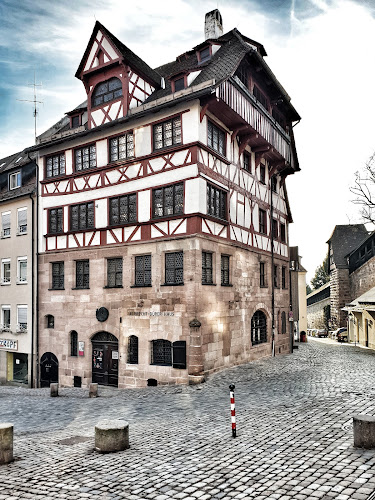
Museums Nuremberg - Albrecht Dürer House
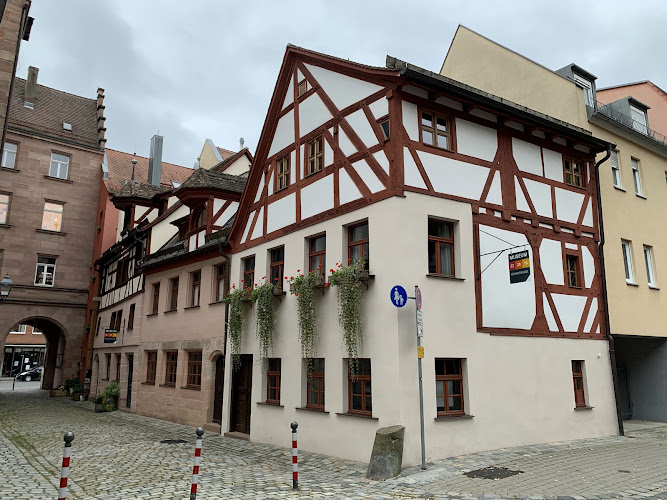
Museum | 22 | 20 | 18 |
Find Accommodations Nearby
Recommended Tours & Activities
Visitor Reviews
There are no reviews yet. Be the first one to write one.
Share Your Experience
Have you visited Neutor? Help other travelers by leaving a review.