
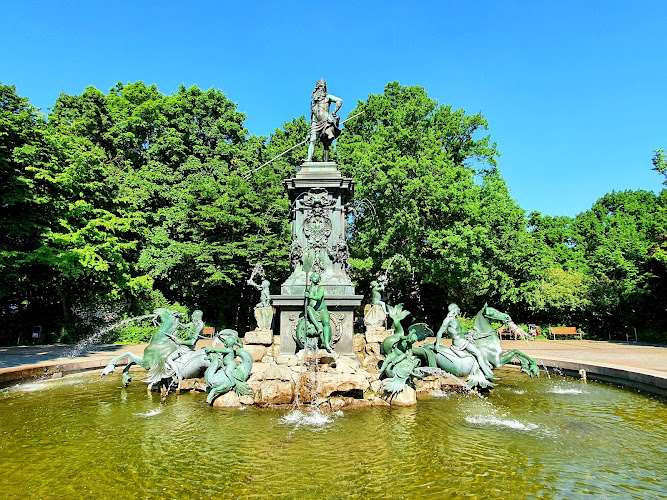
Neptune Fountain
About Neptune Fountain
Description
The Neptune Fountain stands as one of those historical landmarks that somehow manages to slip under the radar of most travel guides, yet locals will tell you it's absolutely worth the visit. This isn't just another fountain you'll pass by without a second glance – it's a piece of living history set within a beautifully maintained public park that offers way more than you'd initially expect. When I first stumbled upon this place during a research trip a few years back, I was genuinely surprised by how much there was to do beyond just admiring the fountain itself. The surrounding park has evolved into a proper recreational area where families gather for weekend picnics, cyclists zip along dedicated lanes, and hikers explore the trails that wind through the grounds. And honestly? That's what makes this place special. It's not trying to be some stuffy monument that you just photograph and leave – it's actually integrated into the daily life of the community. The fountain itself serves as the centerpiece of this historical landmark, drawing architecture enthusiasts and history buffs who appreciate the craftsmanship that went into creating such a structure. The Neptune figure commands attention with its detailed sculptural work, and depending on when you visit, the water display can be quite mesmerizing. But what really sets this attraction apart is the fact that it exists within this larger ecosystem of a public park that caters to pretty much every type of traveler. Families absolutely love this spot because it checks multiple boxes in one location. The kids can burn energy at the playground while parents relax nearby, then everyone can gather for a picnic lunch before taking a leisurely walk around the grounds. Dog owners will be pleased to know their furry companions are welcome here, making it an ideal stop if you're traveling with pets. I've seen everything from casual strollers to serious hikers making use of the trails, which tells you something about the versatility of this place. The park's accessibility features deserve mention too, particularly for travelers who need wheelchair-accessible facilities. It's refreshing to find a historical site that's made genuine efforts to ensure everyone can experience it properly, from the entrance to the parking areas.Key Features
- Historic Neptune Fountain as the central architectural highlight with intricate sculptural details that showcase period craftsmanship
- Expansive public park setting that transforms the fountain visit into a full recreational experience rather than just a quick photo stop
- Multiple hiking trails suitable for various skill levels, from easy kid-friendly paths to more challenging routes for experienced hikers
- Dedicated cycling lanes that allow visitors to explore the grounds on two wheels safely
- Well-equipped playground area that keeps children entertained while adults appreciate the historical elements
- Designated picnic areas perfect for creating memorable outdoor dining experiences with scenic backdrops
- Dog-friendly policies throughout the park, making it a rare historical attraction where pets are genuinely welcome
- Wheelchair-accessible entrances and parking facilities ensuring the site is available to all visitors
- Public restroom facilities that are actually maintained well – trust me, this matters more than you think when traveling
- Combination of historical significance and modern recreational amenities that appeals to diverse traveler interests
Best Time to Visit
Here's the thing about timing your visit to the Neptune Fountain – it really depends on what kind of experience you're after. The park receives visitors year-round, but each season brings its own character to the place. Spring tends to be magical here, if I'm being honest. The surrounding greenery comes alive, temperatures are comfortable for hiking, and you'll avoid the peak summer crowds. I'd say late April through early June hits that sweet spot where the weather cooperates but school groups haven't fully descended yet. The fountain looks particularly photogenic during these months when everything around it is blooming. Summer obviously brings the most visitors, which is a double-edged sword. Yes, it gets busier, but there's also an energy to the place during peak season that you won't find at other times. Families fill the picnic areas, the playground buzzes with activity, and the fountain becomes a refreshing focal point on hot days. If you don't mind sharing the space and you're traveling with kids who want to maximize playground time, summer weekdays (particularly Tuesday through Thursday) offer better experiences than weekends. Fall brings absolutely gorgeous light for photography enthusiasts. The changing leaves create this stunning backdrop for the fountain, and the hiking trails become especially appealing when temperatures drop. September and October typically see fewer crowds while still offering pleasant weather conditions. I've personally found early autumn to be ideal for those who want to appreciate the historical aspects without constant interruptions. Winter visits have their own charm, though you'll need to dress appropriately. The park takes on a quiet, contemplative atmosphere that history lovers might actually prefer. The fountain looks dramatic against winter skies, and you'll practically have the place to yourself on weekday mornings. Just check ahead about any seasonal closures or reduced fountain operation during colder months. For specific timing during your chosen day, early mornings around 8-9 AM or late afternoons after 4 PM tend to offer the most peaceful experiences. Midday brings peak activity, which works great if you want that lively park atmosphere but not so much if you're hoping for contemplative fountain appreciation.How to Get There
Getting to the Neptune Fountain is actually pretty straightforward, though your transportation method will depend on where you're coming from and how you prefer to travel. If you're driving, you'll find dedicated parking facilities with wheelchair-accessible spaces near the main entrance. The parking situation is generally manageable except during peak summer weekends when you might need to circle a bit or arrive earlier than planned. I'd recommend getting there before 10 AM on Saturdays if you're visiting during high season. Public transportation serves the area reasonably well, though you'll want to check current routes and schedules since these can change seasonally. Many travelers find that combining public transit with a short walk actually adds to the experience – you get to see more of the surrounding neighborhood and work up an appetite for that picnic lunch. Cycling to the fountain makes tons of sense given the dedicated bike lanes throughout the park. If you're staying somewhere within a few miles, riding over can be part of the adventure itself. The cycling infrastructure here is legitimately good, not just an afterthought like at some attractions. For those using rideshare services, drop-off and pickup points are clearly marked near the main entrance. Just be aware that during busy periods, your driver might have trouble accessing the immediate area, so be prepared to walk a short distance if needed. Accessibility is genuinely prioritized here, which isn't always the case with historical landmarks. The wheelchair-accessible entrance provides actual easy access rather than some complicated workaround, and the pathways throughout the park are well-maintained for wheelchair users and those with mobility considerations.Tips for Visiting
Bring a proper picnic setup if you're planning to stay more than an hour or two. The picnic areas are legitimately nice, and there's something special about dining near a historical fountain rather than at some generic restaurant. Pack extra water too – the hiking trails are more extensive than they might initially appear. Don't rush the experience. I know that sounds like generic travel advice, but seriously, this place rewards slower exploration. The fountain itself might only hold your attention for fifteen minutes, but the surrounding park can easily fill half a day if you let it. Bring a book, take the longer hiking trail, let the kids actually play instead of hurrying them along. Photography works best during golden hour – that soft light about an hour before sunset makes the fountain look absolutely stunning. But honestly, overcast days can produce surprisingly good shots too, with even lighting that brings out details in the sculptural work. If you're traveling with dogs, bring waste bags and keep your pet leashed even though the park is dog-friendly. It's just common courtesy, and it helps ensure the policies stay pet-friendly for future travelers. The public restrooms exist, but I'd still recommend using facilities before you arrive if possible. They're maintained decently but can get overwhelmed during peak times. Wear proper footwear if you plan on hiking. Some visitors show up in flip-flops expecting just a fountain view and then discover trails they want to explore. Comfortable walking shoes make everything better. Check the fountain's operational status before visiting, particularly during off-season months or if there's been recent weather events. Nothing's worse than arriving to find it drained for maintenance. Families should definitely scope out the playground area early – kids will spot it immediately and want to go there first, which might derail your historical appreciation plans. Sometimes it's easier to let them play first, then do the educational stuff when they've burned some energy. Bring sun protection during warmer months. The park has some shaded areas, but you'll be exposed during much of your fountain viewing and trail hiking. Sunscreen, hats, and sunglasses aren't optional – they're essential. Consider visiting on weekdays if your schedule allows it. The difference in crowd levels between Tuesday afternoon and Saturday afternoon is honestly dramatic. You'll get better photos, more peaceful reflection time, and easier parking. Local food vendors sometimes operate near the park entrance during peak season, offering convenient snack options. But prices tend to run higher than bringing your own supplies, so budget accordingly. Finally, take time to read any historical plaques or information boards around the fountain. They provide context that transforms this from just a pretty water feature into a meaningful historical landmark with actual stories to tell. And isn't that why we travel in the first place?Key Features
- Historic Neptune Fountain as the central architectural highlight with intricate sculptural details that showcase period craftsmanship
- Expansive public park setting that transforms the fountain visit into a full recreational experience rather than just a quick photo stop
- Multiple hiking trails suitable for various skill levels, from easy kid-friendly paths to more challenging routes for experienced hikers
- Dedicated cycling lanes that allow visitors to explore the grounds on two wheels safely
- Well-equipped playground area that keeps children entertained while adults appreciate the historical elements
- Designated picnic areas perfect for creating memorable outdoor dining experiences with scenic backdrops
- Dog-friendly policies throughout the park, making it a rare historical attraction where pets are genuinely welcome
- Wheelchair-accessible entrances and parking facilities ensuring the site is available to all visitors
More Details
Updated March 30, 2026
Table of Contents
Description
The Neptune Fountain stands as one of those historical landmarks that somehow manages to slip under the radar of most travel guides, yet locals will tell you it’s absolutely worth the visit. This isn’t just another fountain you’ll pass by without a second glance – it’s a piece of living history set within a beautifully maintained public park that offers way more than you’d initially expect.
When I first stumbled upon this place during a research trip a few years back, I was genuinely surprised by how much there was to do beyond just admiring the fountain itself. The surrounding park has evolved into a proper recreational area where families gather for weekend picnics, cyclists zip along dedicated lanes, and hikers explore the trails that wind through the grounds. And honestly? That’s what makes this place special. It’s not trying to be some stuffy monument that you just photograph and leave – it’s actually integrated into the daily life of the community.
The fountain itself serves as the centerpiece of this historical landmark, drawing architecture enthusiasts and history buffs who appreciate the craftsmanship that went into creating such a structure. The Neptune figure commands attention with its detailed sculptural work, and depending on when you visit, the water display can be quite mesmerizing. But what really sets this attraction apart is the fact that it exists within this larger ecosystem of a public park that caters to pretty much every type of traveler.
Families absolutely love this spot because it checks multiple boxes in one location. The kids can burn energy at the playground while parents relax nearby, then everyone can gather for a picnic lunch before taking a leisurely walk around the grounds. Dog owners will be pleased to know their furry companions are welcome here, making it an ideal stop if you’re traveling with pets. I’ve seen everything from casual strollers to serious hikers making use of the trails, which tells you something about the versatility of this place.
The park’s accessibility features deserve mention too, particularly for travelers who need wheelchair-accessible facilities. It’s refreshing to find a historical site that’s made genuine efforts to ensure everyone can experience it properly, from the entrance to the parking areas.
Key Features
- Historic Neptune Fountain as the central architectural highlight with intricate sculptural details that showcase period craftsmanship
- Expansive public park setting that transforms the fountain visit into a full recreational experience rather than just a quick photo stop
- Multiple hiking trails suitable for various skill levels, from easy kid-friendly paths to more challenging routes for experienced hikers
- Dedicated cycling lanes that allow visitors to explore the grounds on two wheels safely
- Well-equipped playground area that keeps children entertained while adults appreciate the historical elements
- Designated picnic areas perfect for creating memorable outdoor dining experiences with scenic backdrops
- Dog-friendly policies throughout the park, making it a rare historical attraction where pets are genuinely welcome
- Wheelchair-accessible entrances and parking facilities ensuring the site is available to all visitors
- Public restroom facilities that are actually maintained well – trust me, this matters more than you think when traveling
- Combination of historical significance and modern recreational amenities that appeals to diverse traveler interests
Best Time to Visit
Here’s the thing about timing your visit to the Neptune Fountain – it really depends on what kind of experience you’re after. The park receives visitors year-round, but each season brings its own character to the place.
Spring tends to be magical here, if I’m being honest. The surrounding greenery comes alive, temperatures are comfortable for hiking, and you’ll avoid the peak summer crowds. I’d say late April through early June hits that sweet spot where the weather cooperates but school groups haven’t fully descended yet. The fountain looks particularly photogenic during these months when everything around it is blooming.
Summer obviously brings the most visitors, which is a double-edged sword. Yes, it gets busier, but there’s also an energy to the place during peak season that you won’t find at other times. Families fill the picnic areas, the playground buzzes with activity, and the fountain becomes a refreshing focal point on hot days. If you don’t mind sharing the space and you’re traveling with kids who want to maximize playground time, summer weekdays (particularly Tuesday through Thursday) offer better experiences than weekends.
Fall brings absolutely gorgeous light for photography enthusiasts. The changing leaves create this stunning backdrop for the fountain, and the hiking trails become especially appealing when temperatures drop. September and October typically see fewer crowds while still offering pleasant weather conditions. I’ve personally found early autumn to be ideal for those who want to appreciate the historical aspects without constant interruptions.
Winter visits have their own charm, though you’ll need to dress appropriately. The park takes on a quiet, contemplative atmosphere that history lovers might actually prefer. The fountain looks dramatic against winter skies, and you’ll practically have the place to yourself on weekday mornings. Just check ahead about any seasonal closures or reduced fountain operation during colder months.
For specific timing during your chosen day, early mornings around 8-9 AM or late afternoons after 4 PM tend to offer the most peaceful experiences. Midday brings peak activity, which works great if you want that lively park atmosphere but not so much if you’re hoping for contemplative fountain appreciation.
How to Get There
Getting to the Neptune Fountain is actually pretty straightforward, though your transportation method will depend on where you’re coming from and how you prefer to travel.
If you’re driving, you’ll find dedicated parking facilities with wheelchair-accessible spaces near the main entrance. The parking situation is generally manageable except during peak summer weekends when you might need to circle a bit or arrive earlier than planned. I’d recommend getting there before 10 AM on Saturdays if you’re visiting during high season.
Public transportation serves the area reasonably well, though you’ll want to check current routes and schedules since these can change seasonally. Many travelers find that combining public transit with a short walk actually adds to the experience – you get to see more of the surrounding neighborhood and work up an appetite for that picnic lunch.
Cycling to the fountain makes tons of sense given the dedicated bike lanes throughout the park. If you’re staying somewhere within a few miles, riding over can be part of the adventure itself. The cycling infrastructure here is legitimately good, not just an afterthought like at some attractions.
For those using rideshare services, drop-off and pickup points are clearly marked near the main entrance. Just be aware that during busy periods, your driver might have trouble accessing the immediate area, so be prepared to walk a short distance if needed.
Accessibility is genuinely prioritized here, which isn’t always the case with historical landmarks. The wheelchair-accessible entrance provides actual easy access rather than some complicated workaround, and the pathways throughout the park are well-maintained for wheelchair users and those with mobility considerations.
Tips for Visiting
Bring a proper picnic setup if you’re planning to stay more than an hour or two. The picnic areas are legitimately nice, and there’s something special about dining near a historical fountain rather than at some generic restaurant. Pack extra water too – the hiking trails are more extensive than they might initially appear.
Don’t rush the experience. I know that sounds like generic travel advice, but seriously, this place rewards slower exploration. The fountain itself might only hold your attention for fifteen minutes, but the surrounding park can easily fill half a day if you let it. Bring a book, take the longer hiking trail, let the kids actually play instead of hurrying them along.
Photography works best during golden hour – that soft light about an hour before sunset makes the fountain look absolutely stunning. But honestly, overcast days can produce surprisingly good shots too, with even lighting that brings out details in the sculptural work.
If you’re traveling with dogs, bring waste bags and keep your pet leashed even though the park is dog-friendly. It’s just common courtesy, and it helps ensure the policies stay pet-friendly for future travelers.
The public restrooms exist, but I’d still recommend using facilities before you arrive if possible. They’re maintained decently but can get overwhelmed during peak times.
Wear proper footwear if you plan on hiking. Some visitors show up in flip-flops expecting just a fountain view and then discover trails they want to explore. Comfortable walking shoes make everything better.
Check the fountain’s operational status before visiting, particularly during off-season months or if there’s been recent weather events. Nothing’s worse than arriving to find it drained for maintenance.
Families should definitely scope out the playground area early – kids will spot it immediately and want to go there first, which might derail your historical appreciation plans. Sometimes it’s easier to let them play first, then do the educational stuff when they’ve burned some energy.
Bring sun protection during warmer months. The park has some shaded areas, but you’ll be exposed during much of your fountain viewing and trail hiking. Sunscreen, hats, and sunglasses aren’t optional – they’re essential.
Consider visiting on weekdays if your schedule allows it. The difference in crowd levels between Tuesday afternoon and Saturday afternoon is honestly dramatic. You’ll get better photos, more peaceful reflection time, and easier parking.
Local food vendors sometimes operate near the park entrance during peak season, offering convenient snack options. But prices tend to run higher than bringing your own supplies, so budget accordingly.
Finally, take time to read any historical plaques or information boards around the fountain. They provide context that transforms this from just a pretty water feature into a meaningful historical landmark with actual stories to tell. And isn’t that why we travel in the first place?
Key Highlights
- Historic Neptune Fountain as the central architectural highlight with intricate sculptural details that showcase period craftsmanship
- Expansive public park setting that transforms the fountain visit into a full recreational experience rather than just a quick photo stop
- Multiple hiking trails suitable for various skill levels, from easy kid-friendly paths to more challenging routes for experienced hikers
- Dedicated cycling lanes that allow visitors to explore the grounds on two wheels safely
- Well-equipped playground area that keeps children entertained while adults appreciate the historical elements
- Designated picnic areas perfect for creating memorable outdoor dining experiences with scenic backdrops
- Dog-friendly policies throughout the park, making it a rare historical attraction where pets are genuinely welcome
- Wheelchair-accessible entrances and parking facilities ensuring the site is available to all visitors
Location
Places to Stay Near Neptune Fountain
Find and Book a Tour
Explore More Travel Guides
No reviews found! Be the first to review!
Neptune Fountain is a prominent attractions located in Nuremberg.
Visit us at: Am Stadtpark 67, 90409 Nürnberg, Germany.
Traveler Reviews for Neptune Fountain
There are no reviews yet. Be the first one to write one.
Have you visited Neptune Fountain? Help other travelers by sharing your review.
You Might Also Like
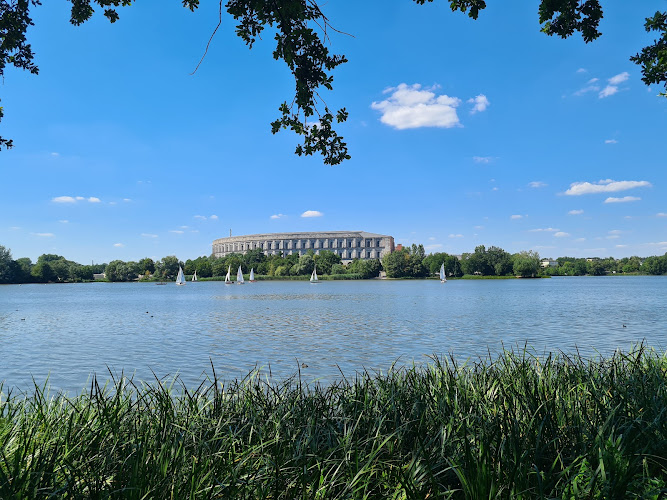
Volkspark Dutzendteich
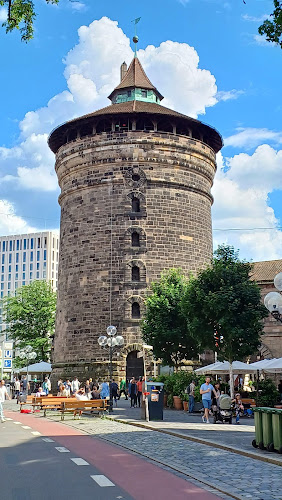
Frauentorturm
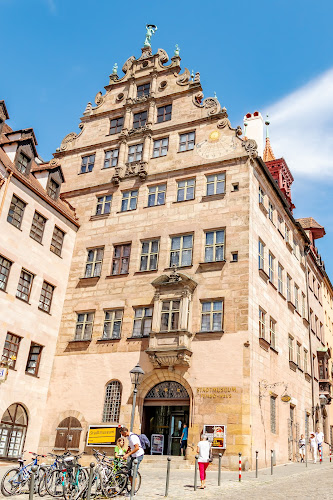
Stadtmuseum im Fembo-Haus
Find Accommodations Nearby
Recommended Tours & Activities
Visitor Reviews
There are no reviews yet. Be the first one to write one.
Share Your Experience
Have you visited Neptune Fountain? Help other travelers by leaving a review.