
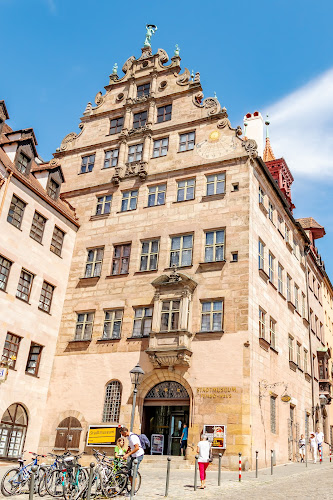
Stadtmuseum im Fembo-Haus
About Stadtmuseum im Fembo-Haus
Description
The Stadtmuseum im Fembo-Haus stands as one of Nuremberg's most fascinating windows into the past, housed within what might just be the city's last surviving late-Renaissance merchant house. Built around the 1590s, this remarkable building has weathered centuries of change while maintaining its architectural integrity - no small feat considering what Nuremberg went through during World War II. Walking through its doors feels like stepping back through time, and honestly, that's exactly what makes this place special. The museum itself focuses on bringing Nuremberg's rich urban history to life through carefully curated exhibitions that span art, culture, and historical artifacts. What strikes visitors most isn't just the collection inside but the building itself - a restored merchant's residence that serves as its own living exhibit. The Fembo family, wealthy merchants who once called this place home, left behind a structure that tells stories through its very walls, elaborate courtyards, and period rooms. I've always believed that the best museums are those where the container is as compelling as the contents, and this place delivers on both fronts. The exhibitions here don't just display objects behind glass - they contextualize Nuremberg's evolution from a medieval trading hub to a modern city, covering everything from daily life in different eras to the city's role in broader European history. You'll find yourself wandering through rooms that showcase how people actually lived, worked, and celebrated in centuries past. The audio guide system enhances the experience considerably, offering detailed narratives that bring context to what you're seeing. And unlike some stuffy institutions where you feel like you need a PhD to understand what's going on, the Stadtmuseum strikes a nice balance between scholarly depth and accessibility.Key Features
- Authentic late-Renaissance merchant house architecture from the 1590s, representing one of the few remaining examples of its kind in Nuremberg
- Comprehensive permanent exhibitions chronicling Nuremberg's transformation across different historical periods
- Original period rooms showcasing how wealthy merchant families lived during the Renaissance era
- Beautiful interior courtyards and architectural details that survived restoration efforts
- Rotating temporary exhibitions that dive deeper into specific aspects of local history and culture
- Audio guide system available to enhance understanding of exhibits and building history
- Fully wheelchair accessible entrance and restroom facilities for visitors with mobility needs
- Family-friendly exhibits that engage younger visitors without dumbing down the historical content
- Collection of historical artifacts, artworks, and everyday objects that paint a vivid picture of urban life through the ages
- Architectural features including ornate ceilings, wooden staircases, and original structural elements that demonstrate Renaissance craftsmanship
Best Time to Visit
Timing your visit to the Stadtmuseum im Fembo-Haus can make a real difference in your experience. Tuesday through Friday mornings, particularly around 10 or 11 AM, tend to be quieter periods when you can explore the rooms at your own pace without bumping into tour groups. There's something meditative about having these historical spaces nearly to yourself, letting you really absorb the atmosphere. Weekends naturally draw more visitors, especially families, but Saturday mornings right when the museum opens can still offer a peaceful experience. Sunday afternoons get busier as both tourists and locals make cultural outings part of their weekend routine. From a seasonal perspective, visiting during spring (April through May) or early fall (September through October) offers pleasant weather for exploring Nuremberg before or after your museum visit. The museum itself maintains comfortable temperatures year-round, but these shoulder seasons mean fewer crowds throughout the Old Town area. Winter months, particularly December, present a unique opportunity. While Nuremberg's famous Christmas markets draw massive crowds to the city, the museum often sees fewer visitors as tourists focus on outdoor festivities. This creates an interesting dynamic - you can warm up inside the Fembo-Haus between market visits while enjoying relatively uncrowded galleries. But here's a local insight: rainy days are perfect for museum visits. Germans take their museum-going seriously, but many still prefer outdoor activities when weather permits. A drizzly Tuesday morning might just give you the place almost entirely to yourself. If you're particularly interested in special exhibitions, check the museum's schedule before planning your trip. These temporary shows often explore fascinating niches of Nuremberg history and can be worth timing your visit around.How to Get There
Getting to the Stadtmuseum im Fembo-Haus is refreshingly straightforward, especially given its location in Nuremberg's historic center. The museum sits within easy walking distance of most major Old Town attractions, making it a natural addition to any historical walking tour of the city. If you're staying anywhere in the Altstadt (Old Town), you can probably walk there in 10-15 minutes. The area around the museum is pedestrian-friendly, with cobblestone streets that add to the historical ambiance but might require sensible footwear - those charming medieval stones weren't designed with modern comfort in mind. For those using public transportation, Nuremberg's efficient U-Bahn and tram system makes access simple. The closest U-Bahn station is Lorenzkirche, about a 10-minute walk away. Alternatively, various tram and bus lines stop near the Old Town area. The walk from these public transport stops takes you through picturesque streets that are part of the experience themselves. Driving to the museum requires a bit more planning. Like most European historic centers, the Old Town has limited car access and even more limited parking. There is a paid parking garage nearby, but honestly, you're better off parking at one of the Park and Ride facilities on the city outskirts and taking public transport in. German cities generally make this option convenient and cost-effective. For visitors arriving at Nuremberg's main train station (Hauptbahnhof), the museum is about a 20-minute walk through the city center. This walk is actually quite pleasant and gives you a feel for Nuremberg's layout. Alternatively, take the U-Bahn one or two stops toward the Old Town. The wheelchair accessible entrance makes the museum reachable for visitors with mobility challenges, though navigating the surrounding Old Town's uneven surfaces might require extra care and planning.Tips for Visiting
Coming to the Stadtmuseum im Fembo-Haus prepared can transform a good visit into a great one. First off, definitely grab that audio guide. I know some people prefer wandering museums at their own intuitive pace, but the Fembo-Haus really benefits from the additional context. The building's architectural features and the historical artifacts on display reveal so much more when you understand their backstory. Plan to spend at least 90 minutes to two hours here. Rushing through defeats the purpose - this isn't a museum where you tick boxes and move on. The period rooms especially reward slow, observant exploration. Notice the ceiling details, the window constructions, the way light falls through original glass. These details tell stories that placards can't fully capture. The museum is genuinely good for kids, but bringing children requires some strategy. Younger ones might appreciate the tactile aspects - the old staircases, the sense of being in someone's actual home from long ago. For older children interested in history, the museum offers tangible connections to topics they might study in school. That said, don't expect tons of interactive digital displays or hands-on activities. This is more of a contemplative experience. Restroom facilities are available and wheelchair accessible, which matters more than people realize when planning a day of sightseeing. Nothing ruins a museum visit faster than discomfort, so take advantage of these amenities. Photography policies are worth checking at the entrance, as they can vary for different exhibitions. Generally, personal photography without flash is permitted in permanent collections, but special exhibitions might have restrictions. Combine your visit with other nearby attractions to make the most of your time in this part of Nuremberg. The surrounding streets contain numerous other historical buildings, traditional restaurants, and shops. The museum doesn't have its own restaurant, so plan your meal times accordingly - though this also means you have a great excuse to explore local eateries nearby. Wear comfortable shoes. I can't stress this enough. Between the museum's multiple floors, wooden staircases, and the cobblestone streets outside, your feet will thank you for choosing comfort over style. Consider visiting during a temporary exhibition if one interests you. These special shows often dive deep into specific aspects of Nuremberg's history that the permanent collection can't fully explore, offering fresh perspectives even for repeat visitors. If you're traveling during peak tourist season, purchasing tickets early in the day helps avoid any potential queues later. While this museum doesn't typically see the massive crowds of more famous attractions, popular temporary exhibitions can draw larger numbers. Finally, take time after your visit to sit in the courtyard if weather permits, or find a quiet corner to reflect on what you've seen. Museums pack our brains with information, and processing it all requires a moment of pause. The Fembo-Haus offers that rare combination of historical significance and intimate scale that makes reflection feel natural rather than forced.Key Features
- Authentic late-Renaissance merchant house architecture from the 1590s, representing one of the few remaining examples of its kind in Nuremberg
- Comprehensive permanent exhibitions chronicling Nuremberg's transformation across different historical periods
- Original period rooms showcasing how wealthy merchant families lived during the Renaissance era
- Beautiful interior courtyards and architectural details that survived restoration efforts
- Rotating temporary exhibitions that dive deeper into specific aspects of local history and culture
- Audio guide system available to enhance understanding of exhibits and building history
- Fully wheelchair accessible entrance and restroom facilities for visitors with mobility needs
- Family-friendly exhibits that engage younger visitors without dumbing down the historical content
More Details
Updated March 30, 2026
Table of Contents
Description
The Stadtmuseum im Fembo-Haus stands as one of Nuremberg’s most fascinating windows into the past, housed within what might just be the city’s last surviving late-Renaissance merchant house. Built around the 1590s, this remarkable building has weathered centuries of change while maintaining its architectural integrity – no small feat considering what Nuremberg went through during World War II. Walking through its doors feels like stepping back through time, and honestly, that’s exactly what makes this place special.
The museum itself focuses on bringing Nuremberg’s rich urban history to life through carefully curated exhibitions that span art, culture, and historical artifacts. What strikes visitors most isn’t just the collection inside but the building itself – a restored merchant’s residence that serves as its own living exhibit. The Fembo family, wealthy merchants who once called this place home, left behind a structure that tells stories through its very walls, elaborate courtyards, and period rooms.
I’ve always believed that the best museums are those where the container is as compelling as the contents, and this place delivers on both fronts. The exhibitions here don’t just display objects behind glass – they contextualize Nuremberg’s evolution from a medieval trading hub to a modern city, covering everything from daily life in different eras to the city’s role in broader European history. You’ll find yourself wandering through rooms that showcase how people actually lived, worked, and celebrated in centuries past.
The audio guide system enhances the experience considerably, offering detailed narratives that bring context to what you’re seeing. And unlike some stuffy institutions where you feel like you need a PhD to understand what’s going on, the Stadtmuseum strikes a nice balance between scholarly depth and accessibility.
Key Features
- Authentic late-Renaissance merchant house architecture from the 1590s, representing one of the few remaining examples of its kind in Nuremberg
- Comprehensive permanent exhibitions chronicling Nuremberg’s transformation across different historical periods
- Original period rooms showcasing how wealthy merchant families lived during the Renaissance era
- Beautiful interior courtyards and architectural details that survived restoration efforts
- Rotating temporary exhibitions that dive deeper into specific aspects of local history and culture
- Audio guide system available to enhance understanding of exhibits and building history
- Fully wheelchair accessible entrance and restroom facilities for visitors with mobility needs
- Family-friendly exhibits that engage younger visitors without dumbing down the historical content
- Collection of historical artifacts, artworks, and everyday objects that paint a vivid picture of urban life through the ages
- Architectural features including ornate ceilings, wooden staircases, and original structural elements that demonstrate Renaissance craftsmanship
Best Time to Visit
Timing your visit to the Stadtmuseum im Fembo-Haus can make a real difference in your experience. Tuesday through Friday mornings, particularly around 10 or 11 AM, tend to be quieter periods when you can explore the rooms at your own pace without bumping into tour groups. There’s something meditative about having these historical spaces nearly to yourself, letting you really absorb the atmosphere.
Weekends naturally draw more visitors, especially families, but Saturday mornings right when the museum opens can still offer a peaceful experience. Sunday afternoons get busier as both tourists and locals make cultural outings part of their weekend routine.
From a seasonal perspective, visiting during spring (April through May) or early fall (September through October) offers pleasant weather for exploring Nuremberg before or after your museum visit. The museum itself maintains comfortable temperatures year-round, but these shoulder seasons mean fewer crowds throughout the Old Town area.
Winter months, particularly December, present a unique opportunity. While Nuremberg’s famous Christmas markets draw massive crowds to the city, the museum often sees fewer visitors as tourists focus on outdoor festivities. This creates an interesting dynamic – you can warm up inside the Fembo-Haus between market visits while enjoying relatively uncrowded galleries.
But here’s a local insight: rainy days are perfect for museum visits. Germans take their museum-going seriously, but many still prefer outdoor activities when weather permits. A drizzly Tuesday morning might just give you the place almost entirely to yourself.
If you’re particularly interested in special exhibitions, check the museum’s schedule before planning your trip. These temporary shows often explore fascinating niches of Nuremberg history and can be worth timing your visit around.
How to Get There
Getting to the Stadtmuseum im Fembo-Haus is refreshingly straightforward, especially given its location in Nuremberg’s historic center. The museum sits within easy walking distance of most major Old Town attractions, making it a natural addition to any historical walking tour of the city.
If you’re staying anywhere in the Altstadt (Old Town), you can probably walk there in 10-15 minutes. The area around the museum is pedestrian-friendly, with cobblestone streets that add to the historical ambiance but might require sensible footwear – those charming medieval stones weren’t designed with modern comfort in mind.
For those using public transportation, Nuremberg’s efficient U-Bahn and tram system makes access simple. The closest U-Bahn station is Lorenzkirche, about a 10-minute walk away. Alternatively, various tram and bus lines stop near the Old Town area. The walk from these public transport stops takes you through picturesque streets that are part of the experience themselves.
Driving to the museum requires a bit more planning. Like most European historic centers, the Old Town has limited car access and even more limited parking. There is a paid parking garage nearby, but honestly, you’re better off parking at one of the Park and Ride facilities on the city outskirts and taking public transport in. German cities generally make this option convenient and cost-effective.
For visitors arriving at Nuremberg’s main train station (Hauptbahnhof), the museum is about a 20-minute walk through the city center. This walk is actually quite pleasant and gives you a feel for Nuremberg’s layout. Alternatively, take the U-Bahn one or two stops toward the Old Town.
The wheelchair accessible entrance makes the museum reachable for visitors with mobility challenges, though navigating the surrounding Old Town’s uneven surfaces might require extra care and planning.
Tips for Visiting
Coming to the Stadtmuseum im Fembo-Haus prepared can transform a good visit into a great one. First off, definitely grab that audio guide. I know some people prefer wandering museums at their own intuitive pace, but the Fembo-Haus really benefits from the additional context. The building’s architectural features and the historical artifacts on display reveal so much more when you understand their backstory.
Plan to spend at least 90 minutes to two hours here. Rushing through defeats the purpose – this isn’t a museum where you tick boxes and move on. The period rooms especially reward slow, observant exploration. Notice the ceiling details, the window constructions, the way light falls through original glass. These details tell stories that placards can’t fully capture.
The museum is genuinely good for kids, but bringing children requires some strategy. Younger ones might appreciate the tactile aspects – the old staircases, the sense of being in someone’s actual home from long ago. For older children interested in history, the museum offers tangible connections to topics they might study in school. That said, don’t expect tons of interactive digital displays or hands-on activities. This is more of a contemplative experience.
Restroom facilities are available and wheelchair accessible, which matters more than people realize when planning a day of sightseeing. Nothing ruins a museum visit faster than discomfort, so take advantage of these amenities.
Photography policies are worth checking at the entrance, as they can vary for different exhibitions. Generally, personal photography without flash is permitted in permanent collections, but special exhibitions might have restrictions.
Combine your visit with other nearby attractions to make the most of your time in this part of Nuremberg. The surrounding streets contain numerous other historical buildings, traditional restaurants, and shops. The museum doesn’t have its own restaurant, so plan your meal times accordingly – though this also means you have a great excuse to explore local eateries nearby.
Wear comfortable shoes. I can’t stress this enough. Between the museum’s multiple floors, wooden staircases, and the cobblestone streets outside, your feet will thank you for choosing comfort over style.
Consider visiting during a temporary exhibition if one interests you. These special shows often dive deep into specific aspects of Nuremberg’s history that the permanent collection can’t fully explore, offering fresh perspectives even for repeat visitors.
If you’re traveling during peak tourist season, purchasing tickets early in the day helps avoid any potential queues later. While this museum doesn’t typically see the massive crowds of more famous attractions, popular temporary exhibitions can draw larger numbers.
Finally, take time after your visit to sit in the courtyard if weather permits, or find a quiet corner to reflect on what you’ve seen. Museums pack our brains with information, and processing it all requires a moment of pause. The Fembo-Haus offers that rare combination of historical significance and intimate scale that makes reflection feel natural rather than forced.
Key Highlights
- Authentic late-Renaissance merchant house architecture from the 1590s, representing one of the few remaining examples of its kind in Nuremberg
- Comprehensive permanent exhibitions chronicling Nuremberg's transformation across different historical periods
- Original period rooms showcasing how wealthy merchant families lived during the Renaissance era
- Beautiful interior courtyards and architectural details that survived restoration efforts
- Rotating temporary exhibitions that dive deeper into specific aspects of local history and culture
- Audio guide system available to enhance understanding of exhibits and building history
- Fully wheelchair accessible entrance and restroom facilities for visitors with mobility needs
- Family-friendly exhibits that engage younger visitors without dumbing down the historical content
Location
Places to Stay Near Stadtmuseum im Fembo-Haus
Find and Book a Tour
Explore More Travel Guides
No reviews found! Be the first to review!
Stadtmuseum im Fembo-Haus is a prominent museums located in Nuremberg.
Visit us at: Burgstraße 15, 90403 Nürnberg, Germany.
Traveler Reviews for Stadtmuseum im Fembo-Haus
There are no reviews yet. Be the first one to write one.
Have you visited Stadtmuseum im Fembo-Haus? Help other travelers by sharing your review.
You Might Also Like
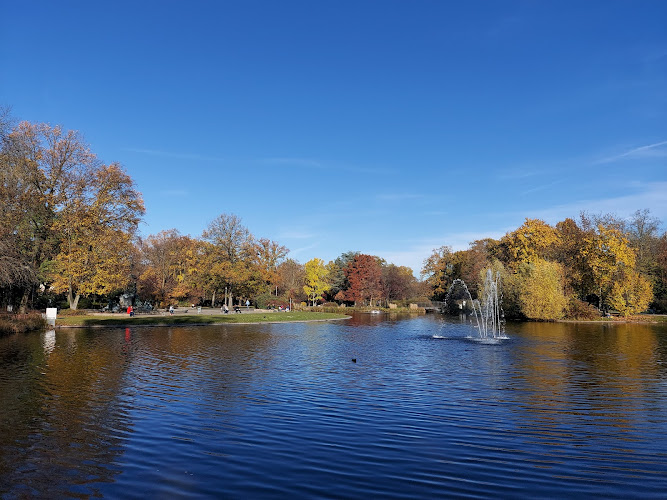
Stadtpark
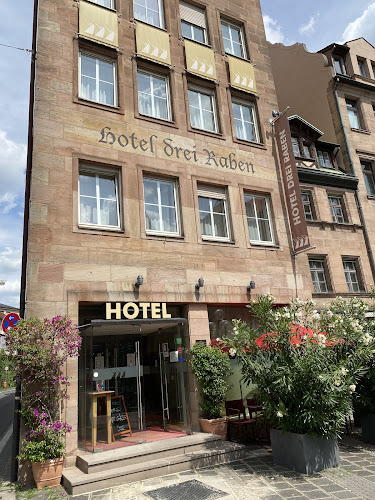
Hotel Drei Raben Nürnberg
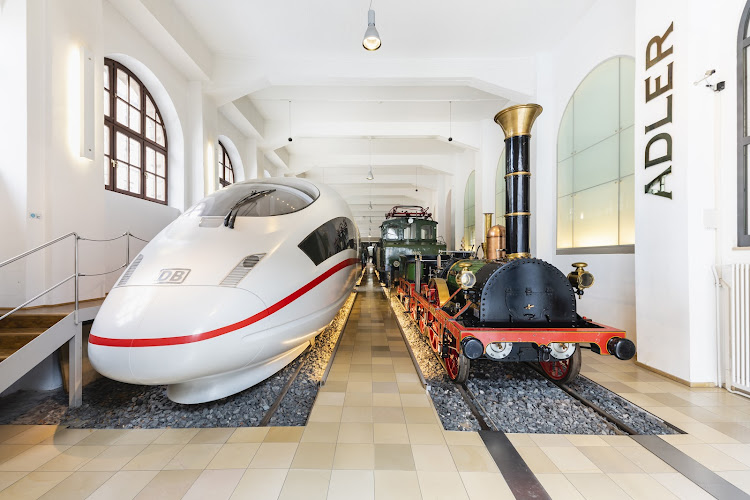
German Railway Museum Nuremberg
Find Accommodations Nearby
Recommended Tours & Activities
Visitor Reviews
There are no reviews yet. Be the first one to write one.
Share Your Experience
Have you visited Stadtmuseum im Fembo-Haus? Help other travelers by leaving a review.