
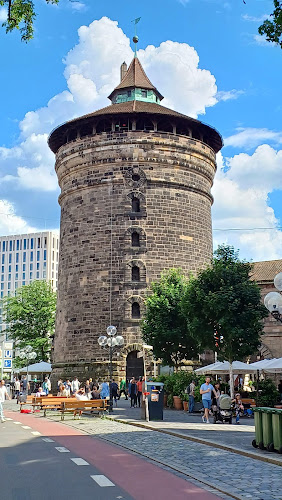
Frauentorturm
About Frauentorturm
Description
The Frauentorturm stands as one of Nuremberg's most recognizable medieval towers, and honestly, it's hard to miss this architectural beauty when you're exploring the old town. Built in the 14th century, this impressive structure was once part of the city's fortification system, serving as both a defensive gateway and a symbol of Nuremberg's prosperity during the Middle Ages. What makes this tower particularly special is its location at the southern edge of the old city. The Frauentorturm isn't just another old building you'll pass by – it's a genuine piece of history that has witnessed centuries of change, wars, and transformation. The tower got its name from the nearby Frauenkirche (Church of Our Lady), and throughout the years, it's managed to retain much of its original character despite the chaos that surrounded it during World War II. Walking around the base of this 80-foot tall structure, you'll notice the distinctive red sandstone construction that's typical of Nuremberg's historic buildings. The tower's cylindrical shape and conical roof make it instantly recognizable, and photographers absolutely love capturing it from different angles. I've spent quite a bit of time around medieval German architecture, and there's something about the Frauentorturm that just feels authentic – maybe it's the weathered stones or the way it stands proudly against the modern cityscape. The tower has evolved over the centuries. While it once served a purely defensive purpose, it later housed various civic functions and even served as a prison at certain points in history. Today, visitors can appreciate it as a well-preserved example of medieval military architecture, and the area around it has become quite popular with tourists who want to experience Nuremberg's rich historical tapestry.Key Features
The Frauentorturm offers several compelling features that make it worth including in your Nuremberg itinerary:- Authentic Medieval Architecture – The tower showcases original 14th-century construction techniques and materials, giving visitors a genuine glimpse into medieval building practices
- Strategic Location – Positioned at the former southern entrance to the old city, the tower offers excellent access to other historical sites and the charming streets of Nuremberg's Altstadt
- Well-Preserved Structure – Unlike many medieval buildings that were heavily damaged or completely destroyed during WWII, the Frauentorturm has maintained much of its original form
- Photography Opportunities – The tower's distinctive silhouette and surrounding medieval atmosphere create perfect conditions for memorable photos
- Family-Friendly Attraction – The site works wonderfully for visitors traveling with children, offering an accessible way to teach kids about medieval history without requiring hours of walking through museums
- Part of Larger Fortification System – The tower connects to remnants of Nuremberg's old city walls, allowing visitors to understand how medieval cities defended themselves
- Year-Round Accessibility – The exterior can be viewed and appreciated regardless of season or weather conditions
- Free External Viewing – Unlike some attractions that charge hefty entrance fees, you can appreciate the tower's exterior architecture without spending a cent
Best Time to Visit
Timing your visit to the Frauentorturm really depends on what kind of experience you're after. From my experience exploring German historical sites, I'd say late spring through early autumn offers the most pleasant conditions for wandering around the old town and really soaking in the atmosphere. May through September brings warm weather and longer daylight hours, which means you'll have more time to explore the surrounding area and capture those perfect photos. The golden hour lighting on the red sandstone during summer evenings? Absolutely spectacular. But here's the thing – these months also attract the biggest crowds, especially during July and August when European tourism peaks. If you're someone who prefers a quieter, more contemplative experience, consider visiting during the shoulder seasons. April and October offer cooler temperatures but far fewer tourists. I've walked through Nuremberg's old town in early October, and there's something magical about experiencing these medieval structures without fighting through crowds of tour groups. Winter has its own charm, particularly during Nuremberg's famous Christmas market season in December. The Frauentorturm takes on an almost fairytale quality when dusted with snow, and the festive atmosphere throughout the old town creates memories you won't forget. Just bundle up – German winters can be properly cold, and you'll want to dress appropriately if you're planning to spend time outdoors admiring the architecture. For the best photographic conditions, aim for early morning visits around 7-9 AM or late afternoon between 4-6 PM. The lighting during these times brings out the texture in the stonework beautifully, and you'll avoid the harsh midday sun that washes out architectural details. Weekdays generally see fewer visitors than weekends, so if your schedule allows flexibility, plan your visit for a Tuesday through Thursday. You'll have more space to appreciate the tower and explore the surrounding areas without feeling rushed.How to Get There
Getting to the Frauentorturm is refreshingly straightforward, and you've got several options depending on where you're starting from and your preferred mode of transportation. If you're staying anywhere in Nuremberg's city center, walking is probably your best bet. The old town isn't huge, and part of the charm of visiting historical sites like this is experiencing the journey through medieval streets. From the Hauptmarkt (main market square), it's roughly a 10-minute walk southward. Just head toward the Frauenkirche and keep going – you can't miss the tower. Public transportation in Nuremberg is efficient and reliable. The U-Bahn (subway) and tram systems both serve the area well. The closest stops are "Weisser Turm" or "Lorenzkirche," both of which put you within easy walking distance. The U1, U2, and U3 subway lines all stop nearby, making it accessible from virtually anywhere in the city. Grab a day pass if you're planning multiple trips around Nuremberg – it's more economical than buying individual tickets. For those arriving by train at Nuremberg's main railway station (Hauptbahnhof), you can either walk (about 15-20 minutes through the old town) or take the U-Bahn one stop to "Lorenzkirche." Honestly, I'd recommend walking if the weather cooperates. The route takes you through some beautiful historic streets, and you'll pass several other interesting sites along the way. Driving to the area is possible but not particularly practical. Nuremberg's old town has strict traffic restrictions, and parking is both limited and expensive. If you're coming from outside the city, your best strategy is to park at one of the Park+Ride facilities on the outskirts and use public transportation to reach the old town. Cyclists will find Nuremberg generally bike-friendly, with dedicated lanes throughout much of the city. Several bike rental options exist if you don't have your own wheels.Tips for Visiting
Let me share some practical advice that'll help you make the most of your visit to the Frauentorturm, based on what I've learned from exploring similar historical sites throughout Germany. First off, wear comfortable walking shoes. This might sound obvious, but the cobblestone streets around the tower can be uneven and slippery, especially after rain. I've watched too many tourists struggle in inappropriate footwear, turning what should be an enjoyable experience into an uncomfortable ordeal. Bring a decent camera or make sure your phone is charged. The Frauentorturm and its surroundings offer countless photo opportunities, and you'll want to capture them. The texture of the medieval stonework, the contrast between old and new architecture, the way light plays across the tower at different times of day – all worth documenting. Plan to spend time exploring beyond just the tower itself. The surrounding area contains numerous other historical buildings, cafes, and shops worth discovering. Don't rush through just to tick a box on your itinerary. Give yourself at least an hour or two to wander and absorb the atmosphere. Consider combining your visit with nearby attractions. The St. Lawrence Church (Lorenzkirche) sits just a short walk away, and the path along the old city walls makes for a fascinating historical walk. The area also contains several traditional German restaurants where you can try local specialties like Nürnberger Rostbratwurst. If you're traveling with kids, turn the visit into an educational adventure. Talk about what life was like in medieval times, how the tower was used for defense, why cities needed walls. Most children find castles and towers inherently interesting if you help bring the history to life. Check for any special events or tours that might coincide with your visit. While the tower itself doesn't typically offer guided tours, the Nuremberg tourism office occasionally organizes walking tours of the old fortifications that include the Frauentorturm. Weather can change quickly, so bring layers. Even summer days can turn cool, and having a light jacket or sweater ensures comfort throughout your visit. Visit early in the day to avoid crowds and enjoy softer lighting. The early bird really does get the worm when it comes to popular tourist sites. Respect the historical nature of the site. While the Frauentorturm is sturdy, it's still an ancient structure. Don't climb on walls or restricted areas, and follow any posted guidelines. Stop by the nearby tourist information center if you want more historical context. They offer brochures and maps that provide deeper insights into the tower's history and its role in Nuremberg's development. Budget some time to just sit and observe. Find a nearby bench or cafe terrace, and simply watch the tower and the life moving around it. Sometimes the best travel experiences come from slowing down rather than constantly moving from one sight to the next.Key Features
- Late-medieval sandstone tower originally documented in the 14th century
- Rounded outer wall added in the 16th century, giving the tower its current profile
- Part of Nuremberg’s historic city fortifications — one of four main towers
- Located beside Königstraße and within easy walking distance of the Old Town
- Close visual and contextual connection to the Handwerkerhof, city walls and nearby historic sites
More Details
Updated March 30, 2026
Table of Contents
Description
The Frauentorturm stands as one of Nuremberg’s most recognizable medieval towers, and honestly, it’s hard to miss this architectural beauty when you’re exploring the old town. Built in the 14th century, this impressive structure was once part of the city’s fortification system, serving as both a defensive gateway and a symbol of Nuremberg’s prosperity during the Middle Ages.
What makes this tower particularly special is its location at the southern edge of the old city. The Frauentorturm isn’t just another old building you’ll pass by – it’s a genuine piece of history that has witnessed centuries of change, wars, and transformation. The tower got its name from the nearby Frauenkirche (Church of Our Lady), and throughout the years, it’s managed to retain much of its original character despite the chaos that surrounded it during World War II.
Walking around the base of this 80-foot tall structure, you’ll notice the distinctive red sandstone construction that’s typical of Nuremberg’s historic buildings. The tower’s cylindrical shape and conical roof make it instantly recognizable, and photographers absolutely love capturing it from different angles. I’ve spent quite a bit of time around medieval German architecture, and there’s something about the Frauentorturm that just feels authentic – maybe it’s the weathered stones or the way it stands proudly against the modern cityscape.
The tower has evolved over the centuries. While it once served a purely defensive purpose, it later housed various civic functions and even served as a prison at certain points in history. Today, visitors can appreciate it as a well-preserved example of medieval military architecture, and the area around it has become quite popular with tourists who want to experience Nuremberg’s rich historical tapestry.
Key Features
The Frauentorturm offers several compelling features that make it worth including in your Nuremberg itinerary:
- Authentic Medieval Architecture – The tower showcases original 14th-century construction techniques and materials, giving visitors a genuine glimpse into medieval building practices
- Strategic Location – Positioned at the former southern entrance to the old city, the tower offers excellent access to other historical sites and the charming streets of Nuremberg’s Altstadt
- Well-Preserved Structure – Unlike many medieval buildings that were heavily damaged or completely destroyed during WWII, the Frauentorturm has maintained much of its original form
- Photography Opportunities – The tower’s distinctive silhouette and surrounding medieval atmosphere create perfect conditions for memorable photos
- Family-Friendly Attraction – The site works wonderfully for visitors traveling with children, offering an accessible way to teach kids about medieval history without requiring hours of walking through museums
- Part of Larger Fortification System – The tower connects to remnants of Nuremberg’s old city walls, allowing visitors to understand how medieval cities defended themselves
- Year-Round Accessibility – The exterior can be viewed and appreciated regardless of season or weather conditions
- Free External Viewing – Unlike some attractions that charge hefty entrance fees, you can appreciate the tower’s exterior architecture without spending a cent
Best Time to Visit
Timing your visit to the Frauentorturm really depends on what kind of experience you’re after. From my experience exploring German historical sites, I’d say late spring through early autumn offers the most pleasant conditions for wandering around the old town and really soaking in the atmosphere.
May through September brings warm weather and longer daylight hours, which means you’ll have more time to explore the surrounding area and capture those perfect photos. The golden hour lighting on the red sandstone during summer evenings? Absolutely spectacular. But here’s the thing – these months also attract the biggest crowds, especially during July and August when European tourism peaks.
If you’re someone who prefers a quieter, more contemplative experience, consider visiting during the shoulder seasons. April and October offer cooler temperatures but far fewer tourists. I’ve walked through Nuremberg’s old town in early October, and there’s something magical about experiencing these medieval structures without fighting through crowds of tour groups.
Winter has its own charm, particularly during Nuremberg’s famous Christmas market season in December. The Frauentorturm takes on an almost fairytale quality when dusted with snow, and the festive atmosphere throughout the old town creates memories you won’t forget. Just bundle up – German winters can be properly cold, and you’ll want to dress appropriately if you’re planning to spend time outdoors admiring the architecture.
For the best photographic conditions, aim for early morning visits around 7-9 AM or late afternoon between 4-6 PM. The lighting during these times brings out the texture in the stonework beautifully, and you’ll avoid the harsh midday sun that washes out architectural details.
Weekdays generally see fewer visitors than weekends, so if your schedule allows flexibility, plan your visit for a Tuesday through Thursday. You’ll have more space to appreciate the tower and explore the surrounding areas without feeling rushed.
How to Get There
Getting to the Frauentorturm is refreshingly straightforward, and you’ve got several options depending on where you’re starting from and your preferred mode of transportation.
If you’re staying anywhere in Nuremberg’s city center, walking is probably your best bet. The old town isn’t huge, and part of the charm of visiting historical sites like this is experiencing the journey through medieval streets. From the Hauptmarkt (main market square), it’s roughly a 10-minute walk southward. Just head toward the Frauenkirche and keep going – you can’t miss the tower.
Public transportation in Nuremberg is efficient and reliable. The U-Bahn (subway) and tram systems both serve the area well. The closest stops are “Weisser Turm” or “Lorenzkirche,” both of which put you within easy walking distance. The U1, U2, and U3 subway lines all stop nearby, making it accessible from virtually anywhere in the city. Grab a day pass if you’re planning multiple trips around Nuremberg – it’s more economical than buying individual tickets.
For those arriving by train at Nuremberg’s main railway station (Hauptbahnhof), you can either walk (about 15-20 minutes through the old town) or take the U-Bahn one stop to “Lorenzkirche.” Honestly, I’d recommend walking if the weather cooperates. The route takes you through some beautiful historic streets, and you’ll pass several other interesting sites along the way.
Driving to the area is possible but not particularly practical. Nuremberg’s old town has strict traffic restrictions, and parking is both limited and expensive. If you’re coming from outside the city, your best strategy is to park at one of the Park+Ride facilities on the outskirts and use public transportation to reach the old town.
Cyclists will find Nuremberg generally bike-friendly, with dedicated lanes throughout much of the city. Several bike rental options exist if you don’t have your own wheels.
Tips for Visiting
Let me share some practical advice that’ll help you make the most of your visit to the Frauentorturm, based on what I’ve learned from exploring similar historical sites throughout Germany.
First off, wear comfortable walking shoes. This might sound obvious, but the cobblestone streets around the tower can be uneven and slippery, especially after rain. I’ve watched too many tourists struggle in inappropriate footwear, turning what should be an enjoyable experience into an uncomfortable ordeal.
Bring a decent camera or make sure your phone is charged. The Frauentorturm and its surroundings offer countless photo opportunities, and you’ll want to capture them. The texture of the medieval stonework, the contrast between old and new architecture, the way light plays across the tower at different times of day – all worth documenting.
Plan to spend time exploring beyond just the tower itself. The surrounding area contains numerous other historical buildings, cafes, and shops worth discovering. Don’t rush through just to tick a box on your itinerary. Give yourself at least an hour or two to wander and absorb the atmosphere.
Consider combining your visit with nearby attractions. The St. Lawrence Church (Lorenzkirche) sits just a short walk away, and the path along the old city walls makes for a fascinating historical walk. The area also contains several traditional German restaurants where you can try local specialties like Nürnberger Rostbratwurst.
If you’re traveling with kids, turn the visit into an educational adventure. Talk about what life was like in medieval times, how the tower was used for defense, why cities needed walls. Most children find castles and towers inherently interesting if you help bring the history to life.
Check for any special events or tours that might coincide with your visit. While the tower itself doesn’t typically offer guided tours, the Nuremberg tourism office occasionally organizes walking tours of the old fortifications that include the Frauentorturm.
Weather can change quickly, so bring layers. Even summer days can turn cool, and having a light jacket or sweater ensures comfort throughout your visit.
Visit early in the day to avoid crowds and enjoy softer lighting. The early bird really does get the worm when it comes to popular tourist sites.
Respect the historical nature of the site. While the Frauentorturm is sturdy, it’s still an ancient structure. Don’t climb on walls or restricted areas, and follow any posted guidelines.
Stop by the nearby tourist information center if you want more historical context. They offer brochures and maps that provide deeper insights into the tower’s history and its role in Nuremberg’s development.
Budget some time to just sit and observe. Find a nearby bench or cafe terrace, and simply watch the tower and the life moving around it. Sometimes the best travel experiences come from slowing down rather than constantly moving from one sight to the next.
Key Highlights
- Late-medieval sandstone tower originally documented in the 14th century
- Rounded outer wall added in the 16th century, giving the tower its current profile
- Part of Nuremberg’s historic city fortifications — one of four main towers
- Located beside Königstraße and within easy walking distance of the Old Town
- Close visual and contextual connection to the Handwerkerhof, city walls and nearby historic sites
Location
Places to Stay Near Frauentorturm
Find and Book a Tour
Explore More Travel Guides
No reviews found! Be the first to review!
Frauentorturm is a prominent attractions located in Nuremberg.
Visit us at: Königstraße 2, 90402 Nürnberg, Jerman.
Traveler Reviews for Frauentorturm
There are no reviews yet. Be the first one to write one.
Have you visited Frauentorturm? Help other travelers by sharing your review.
Nearby Attractions
You Might Also Like
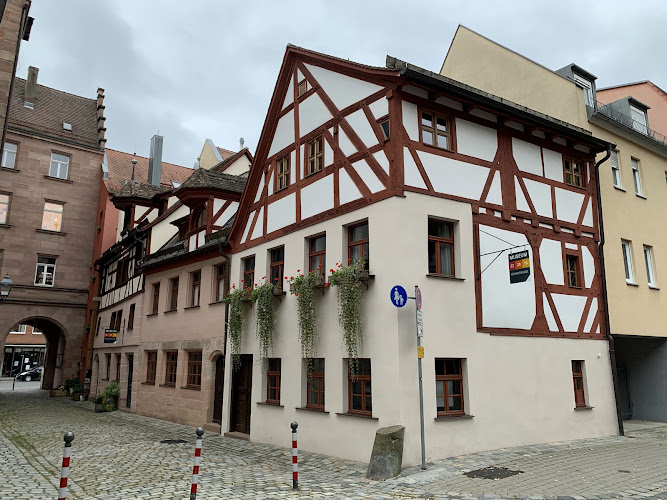
Museum | 22 | 20 | 18 |
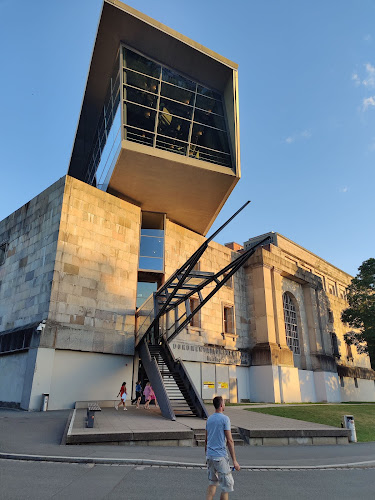
Congress Hall

Rathauspl. 2
Find Accommodations Nearby
Recommended Tours & Activities
Visitor Reviews
There are no reviews yet. Be the first one to write one.
Share Your Experience
Have you visited Frauentorturm? Help other travelers by leaving a review.