
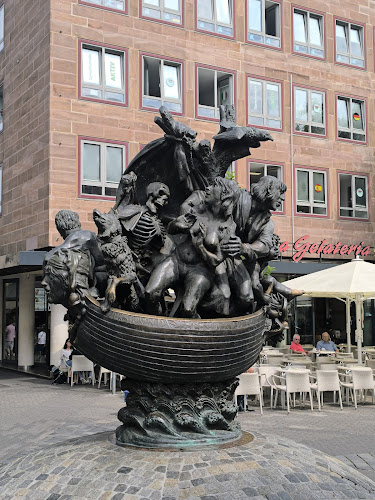
Narrenschiffbrunnen
About Narrenschiffbrunnen
Description
The Narrenschiffbrunnen stands as one of Basel's most fascinating and thought-provoking public sculptures, embodying the city's rich carnival tradition and literary heritage. This fountain, whose name translates to the Ship of Fools Fountain, isn't just another pretty water feature you'll breeze past on your European tour. It's a genuine conversation starter that'll have you standing there longer than you planned, trying to decode its peculiar characters and symbolism. Created by Swiss sculptor Jean Tinguely in 1977, the fountain represents a modern interpretation of Sebastian Brant's 15th-century satirical masterpiece "Das Narrenschiff" (The Ship of Fools). Now, you might be wondering what makes this particular fountain worth seeking out when Basel has no shortage of impressive public art. The answer lies in its delightfully chaotic energy and the way it captures the spirit of Basel's famous Fasnacht carnival, one of the largest and most important carnival celebrations in Switzerland. The sculpture features a collection of grotesque and whimsical figures that seem to dance and splash in perpetual motion. Tinguely, who was born in nearby Fribourg and had deep connections to Basel, created this kinetic fountain with his characteristic playfulness and mechanical genius. The figures aren't meant to be beautiful in the traditional sense – they're satirical representations of human folly, vanity, and the absurdities of society. And honestly, that's what makes them so captivating. I remember the first time I stumbled upon this fountain during a rainy afternoon in Basel. What struck me wasn't just the water and movement, but how locals seemed completely unfazed by this bizarre mechanical spectacle while tourists like me stood gawking with cameras out. That contrast really highlighted how the fountain has become woven into the fabric of everyday Basel life.Key Features
The Narrenschiffbrunnen offers visitors several distinctive elements that make it a memorable stop:- Kinetic Artistry: The fountain features moving mechanical parts that create an ever-changing display of water, motion, and sound. Unlike static sculptures, this piece is alive with movement, which keeps it interesting no matter how long you observe it.
- Carnival Connection: The figures directly reference Basel's Fasnacht tradition, giving visitors insight into this important cultural celebration even if they're not visiting during carnival season. The masks and grotesque characters echo the costumes and themes you'd see during the actual festival.
- Literary Heritage: The fountain serves as a three-dimensional interpretation of Sebastian Brant's medieval text, bridging centuries of Basel's intellectual and artistic history in one public space.
- Accessible Design: The fountain includes wheelchair-accessible viewing areas, making it easy for all visitors to appreciate the artwork up close without barriers or obstacles getting in the way.
- Family-Friendly Appeal: Children absolutely love watching the mechanical figures move and splash. It's engaging enough to hold kids' attention, which any parent traveling through Europe will tell you is worth its weight in gold.
- Year-Round Operation: The fountain typically runs throughout the year, providing entertainment in every season. Watching it in winter when parts might freeze creates an entirely different aesthetic than seeing it in summer sunshine.
- Photographic Opportunities: The dark, weathered metal figures against splashing water create dramatic photo compositions that look fantastic in both color and black-and-white photography.
- Central Location: Situated in a public square, the fountain is surrounded by Basel's charming streets, making it easy to combine with other sightseeing activities rather than requiring a special trip.
Best Time to Visit
Timing your visit to the Narrenschiffbrunnen can significantly enhance your experience, though I'll be honest – there's really no bad time to see it. That said, some periods definitely offer advantages over others. The absolute best time to visit Basel and see this fountain is during the Fasnacht carnival, which typically takes place in February or March. The three-day festival begins on the Monday after Ash Wednesday at exactly 4 a.m. with the Morgestraich, a spectacular procession of lanterns and piccolo players. Seeing the Narrenschiffbrunnen during this period gives you the full context of what Tinguely was referencing. The entire city transforms into a living version of the fountain itself, with masked figures and satirical commentary everywhere you look. But be warned – Basel gets absolutely packed during Fasnacht, and hotel prices skyrocket. If you can't make it during carnival season (and let's face it, most people can't plan their trips around such a specific window), late spring through early fall offers excellent visiting conditions. May through September brings warmer weather that makes standing around observing the fountain much more comfortable. The water splashing in sunshine creates beautiful light effects, and you won't be shivering while trying to get that perfect photo. Early morning visits, particularly on weekdays, provide a quieter experience. Around 8 or 9 a.m., you'll likely have the fountain mostly to yourself, which allows for uninterrupted photography and contemplation. The morning light in Basel can be particularly lovely, casting interesting shadows across the mechanical figures. Conversely, visiting in the evening as the sun sets offers a different ambiance. Many travelers overlook evening visits to outdoor sculptures, but the changing light can reveal details you might miss during the harsh midday sun. Plus, you'll encounter more locals during evening hours, giving you a glimpse of how Basel residents interact with this public art in their daily routines. Winter visits have their own charm, though you'll want to bundle up. The fountain against a backdrop of potential snow creates a almost gothic atmosphere that suits the satirical nature of the Ship of Fools theme. Just check ahead to confirm the fountain is operating, as extreme cold can occasionally affect the mechanical elements. I'd personally avoid visiting during the midday rush on summer weekends if you want a peaceful experience. That's when tour groups and casual visitors converge, and you'll be jockeying for position to see the details up close.How to Get There
Getting to the Narrenschiffbrunnen is refreshingly straightforward, especially given Basel's excellent public transportation network. The fountain is located in the city center, making it accessible through multiple routes depending on where you're starting from. Basel's tram system is probably your best bet for reaching the fountain. The city's trams are clean, punctual, and cover pretty much everywhere you'd want to go. Several tram lines stop within a short walking distance of the fountain. The Swiss are famous for their transportation efficiency, and Basel doesn't disappoint. You can purchase tickets from machines at tram stops, and if you're staying in a Basel hotel, you'll receive a free mobility ticket that covers all public transportation during your stay – a fantastic perk that many visitors don't know about until they check in. If you're arriving from the Basel SBB train station (the main railway hub), you have multiple options. A tram ride will get you there in roughly 10-15 minutes depending on which line you take. Alternatively, Basel's city center is compact enough that walking from the station takes maybe 20-25 minutes if you're not hauling heavy luggage and enjoy getting a feel for the city on foot. For visitors who prefer walking, Basel's old town is genuinely pleasant to explore on foot. The fountain sits in an area surrounded by other attractions, cafes, and shops, so you can easily incorporate it into a larger walking route. I've always found that walking in European cities reveals little discoveries that you'd completely miss from tram windows – small fountains, interesting architecture, local bakeries that smell amazing. Cyclists will find Basel very accommodating, with dedicated bike lanes throughout the city. If your hotel offers bike rentals or you're using a bike-sharing service, cycling to the fountain is both practical and enjoyable. Just remember to follow Swiss traffic rules, which locals take seriously. Driving and parking in Basel's city center isn't really recommended unless absolutely necessary. Parking is expensive and limited, and honestly, you don't need a car for exploring the central areas. The public transportation options are so good that a car becomes more of a hindrance than a help. For those with mobility concerns, the area around the fountain is generally flat and paved, with wheelchair-accessible routes available. The fountain itself was designed with accessibility in mind, which was pretty forward-thinking for a 1977 installation.Tips for Visiting
Making the most of your Narrenschiffbrunnen visit requires just a bit of preparation and some insider knowledge that'll enhance your experience considerably. First off, bring a decent camera or make sure your phone is charged. The fountain's mechanical elements create unpredictable moments that are perfect for photography, but you'll want to be patient. Unlike static sculptures where you can snap a quick photo and move on, this fountain rewards those who stick around for a few minutes. The figures move at different speeds, and catching them in interesting configurations takes time. I've seen too many tourists take one quick shot and leave, missing the fountain's real magic. Consider downloading information about Sebastian Brant's "Ship of Fools" before you visit. Understanding the literary source material genuinely enhances what you're seeing. The fountain isn't just random weird figures – each element carries satirical meaning about human folly and society. Knowing the backstory transforms it from "that strange fountain" into a multilayered artwork worth serious contemplation. Watch out for water spray, especially on windy days. The fountain splashes unpredictably, and I've watched more than one well-dressed visitor get unexpectedly dampened. Keep electronics at a safe distance when the wind picks up, and maybe don't wear your fanciest clothes for this particular attraction. Combine your fountain visit with other nearby Basel attractions to make efficient use of your time. The Basel Minster, the old town's narrow medieval streets, and various museums are all within reasonable walking distance. Basel is wonderfully compact for sightseeing. If you're traveling with children, use the fountain as a teaching opportunity about art, history, and carnival traditions. Kids naturally love the moving parts and water, but adding context can turn it into an educational moment without feeling like a lecture. Ask them what they think the different figures represent or what stories the fountain might be telling. Visit during different times of day if your schedule allows. The fountain genuinely looks and feels different in morning light versus evening shadows. If you're spending a few days in Basel, checking it out more than once isn't excessive – it's actually a smart way to appreciate its changing character. Don't rush. This is probably my most important tip. The Narrenschiffbrunnen isn't designed for quick consumption. It's a piece that reveals itself slowly, rewarding attention and contemplation. Budget at least 20-30 minutes if you want to really experience it rather than just checking it off a list. Engage with locals if you get the chance. Basel residents often have stories or insights about the fountain and Tinguely's work that you won't find in guidebooks. Swiss people can seem reserved initially, but they're generally friendly and proud of their city's cultural offerings. Finally, respect the artwork. While it's designed for public enjoyment and is quite sturdy, climbing on it or interfering with the mechanical elements is both dangerous and disrespectful. I've seen people try to stop moving parts or throw things into the fountain, which is just unnecessary and potentially damaging to an important cultural installation. The Narrenschiffbrunnen represents Basel at its most playful and intellectually rich, offering visitors a glimpse into the city's carnival soul and artistic heritage all wrapped up in one splashing, moving, thought-provoking package.Key Features
- Bronze sculpture by Jürgen Weber (1984–87) installed 1988
- Depicts a crowded ‘ship of fools’ with multiple expressive figures, a skeleton, and a dog
- Inspired by Sebastian Brant’s book and Albrecht Dürer’s woodcut imagery
- Compact, highly photogenic public artwork integrated with a fountain
- Located near Museumsbrücke and central Nuremberg — easy to combine with nearby museums
More Details
Updated March 30, 2026
Table of Contents
Description
The Narrenschiffbrunnen stands as one of Basel’s most fascinating and thought-provoking public sculptures, embodying the city’s rich carnival tradition and literary heritage. This fountain, whose name translates to the Ship of Fools Fountain, isn’t just another pretty water feature you’ll breeze past on your European tour. It’s a genuine conversation starter that’ll have you standing there longer than you planned, trying to decode its peculiar characters and symbolism.
Created by Swiss sculptor Jean Tinguely in 1977, the fountain represents a modern interpretation of Sebastian Brant’s 15th-century satirical masterpiece “Das Narrenschiff” (The Ship of Fools). Now, you might be wondering what makes this particular fountain worth seeking out when Basel has no shortage of impressive public art. The answer lies in its delightfully chaotic energy and the way it captures the spirit of Basel’s famous Fasnacht carnival, one of the largest and most important carnival celebrations in Switzerland.
The sculpture features a collection of grotesque and whimsical figures that seem to dance and splash in perpetual motion. Tinguely, who was born in nearby Fribourg and had deep connections to Basel, created this kinetic fountain with his characteristic playfulness and mechanical genius. The figures aren’t meant to be beautiful in the traditional sense – they’re satirical representations of human folly, vanity, and the absurdities of society. And honestly, that’s what makes them so captivating.
I remember the first time I stumbled upon this fountain during a rainy afternoon in Basel. What struck me wasn’t just the water and movement, but how locals seemed completely unfazed by this bizarre mechanical spectacle while tourists like me stood gawking with cameras out. That contrast really highlighted how the fountain has become woven into the fabric of everyday Basel life.
Key Features
The Narrenschiffbrunnen offers visitors several distinctive elements that make it a memorable stop:
- Kinetic Artistry: The fountain features moving mechanical parts that create an ever-changing display of water, motion, and sound. Unlike static sculptures, this piece is alive with movement, which keeps it interesting no matter how long you observe it.
- Carnival Connection: The figures directly reference Basel’s Fasnacht tradition, giving visitors insight into this important cultural celebration even if they’re not visiting during carnival season. The masks and grotesque characters echo the costumes and themes you’d see during the actual festival.
- Literary Heritage: The fountain serves as a three-dimensional interpretation of Sebastian Brant’s medieval text, bridging centuries of Basel’s intellectual and artistic history in one public space.
- Accessible Design: The fountain includes wheelchair-accessible viewing areas, making it easy for all visitors to appreciate the artwork up close without barriers or obstacles getting in the way.
- Family-Friendly Appeal: Children absolutely love watching the mechanical figures move and splash. It’s engaging enough to hold kids’ attention, which any parent traveling through Europe will tell you is worth its weight in gold.
- Year-Round Operation: The fountain typically runs throughout the year, providing entertainment in every season. Watching it in winter when parts might freeze creates an entirely different aesthetic than seeing it in summer sunshine.
- Photographic Opportunities: The dark, weathered metal figures against splashing water create dramatic photo compositions that look fantastic in both color and black-and-white photography.
- Central Location: Situated in a public square, the fountain is surrounded by Basel’s charming streets, making it easy to combine with other sightseeing activities rather than requiring a special trip.
Best Time to Visit
Timing your visit to the Narrenschiffbrunnen can significantly enhance your experience, though I’ll be honest – there’s really no bad time to see it. That said, some periods definitely offer advantages over others.
The absolute best time to visit Basel and see this fountain is during the Fasnacht carnival, which typically takes place in February or March. The three-day festival begins on the Monday after Ash Wednesday at exactly 4 a.m. with the Morgestraich, a spectacular procession of lanterns and piccolo players. Seeing the Narrenschiffbrunnen during this period gives you the full context of what Tinguely was referencing. The entire city transforms into a living version of the fountain itself, with masked figures and satirical commentary everywhere you look. But be warned – Basel gets absolutely packed during Fasnacht, and hotel prices skyrocket.
If you can’t make it during carnival season (and let’s face it, most people can’t plan their trips around such a specific window), late spring through early fall offers excellent visiting conditions. May through September brings warmer weather that makes standing around observing the fountain much more comfortable. The water splashing in sunshine creates beautiful light effects, and you won’t be shivering while trying to get that perfect photo.
Early morning visits, particularly on weekdays, provide a quieter experience. Around 8 or 9 a.m., you’ll likely have the fountain mostly to yourself, which allows for uninterrupted photography and contemplation. The morning light in Basel can be particularly lovely, casting interesting shadows across the mechanical figures.
Conversely, visiting in the evening as the sun sets offers a different ambiance. Many travelers overlook evening visits to outdoor sculptures, but the changing light can reveal details you might miss during the harsh midday sun. Plus, you’ll encounter more locals during evening hours, giving you a glimpse of how Basel residents interact with this public art in their daily routines.
Winter visits have their own charm, though you’ll want to bundle up. The fountain against a backdrop of potential snow creates a almost gothic atmosphere that suits the satirical nature of the Ship of Fools theme. Just check ahead to confirm the fountain is operating, as extreme cold can occasionally affect the mechanical elements.
I’d personally avoid visiting during the midday rush on summer weekends if you want a peaceful experience. That’s when tour groups and casual visitors converge, and you’ll be jockeying for position to see the details up close.
How to Get There
Getting to the Narrenschiffbrunnen is refreshingly straightforward, especially given Basel’s excellent public transportation network. The fountain is located in the city center, making it accessible through multiple routes depending on where you’re starting from.
Basel’s tram system is probably your best bet for reaching the fountain. The city’s trams are clean, punctual, and cover pretty much everywhere you’d want to go. Several tram lines stop within a short walking distance of the fountain. The Swiss are famous for their transportation efficiency, and Basel doesn’t disappoint. You can purchase tickets from machines at tram stops, and if you’re staying in a Basel hotel, you’ll receive a free mobility ticket that covers all public transportation during your stay – a fantastic perk that many visitors don’t know about until they check in.
If you’re arriving from the Basel SBB train station (the main railway hub), you have multiple options. A tram ride will get you there in roughly 10-15 minutes depending on which line you take. Alternatively, Basel’s city center is compact enough that walking from the station takes maybe 20-25 minutes if you’re not hauling heavy luggage and enjoy getting a feel for the city on foot.
For visitors who prefer walking, Basel’s old town is genuinely pleasant to explore on foot. The fountain sits in an area surrounded by other attractions, cafes, and shops, so you can easily incorporate it into a larger walking route. I’ve always found that walking in European cities reveals little discoveries that you’d completely miss from tram windows – small fountains, interesting architecture, local bakeries that smell amazing.
Cyclists will find Basel very accommodating, with dedicated bike lanes throughout the city. If your hotel offers bike rentals or you’re using a bike-sharing service, cycling to the fountain is both practical and enjoyable. Just remember to follow Swiss traffic rules, which locals take seriously.
Driving and parking in Basel’s city center isn’t really recommended unless absolutely necessary. Parking is expensive and limited, and honestly, you don’t need a car for exploring the central areas. The public transportation options are so good that a car becomes more of a hindrance than a help.
For those with mobility concerns, the area around the fountain is generally flat and paved, with wheelchair-accessible routes available. The fountain itself was designed with accessibility in mind, which was pretty forward-thinking for a 1977 installation.
Tips for Visiting
Making the most of your Narrenschiffbrunnen visit requires just a bit of preparation and some insider knowledge that’ll enhance your experience considerably.
First off, bring a decent camera or make sure your phone is charged. The fountain’s mechanical elements create unpredictable moments that are perfect for photography, but you’ll want to be patient. Unlike static sculptures where you can snap a quick photo and move on, this fountain rewards those who stick around for a few minutes. The figures move at different speeds, and catching them in interesting configurations takes time. I’ve seen too many tourists take one quick shot and leave, missing the fountain’s real magic.
Consider downloading information about Sebastian Brant’s “Ship of Fools” before you visit. Understanding the literary source material genuinely enhances what you’re seeing. The fountain isn’t just random weird figures – each element carries satirical meaning about human folly and society. Knowing the backstory transforms it from “that strange fountain” into a multilayered artwork worth serious contemplation.
Watch out for water spray, especially on windy days. The fountain splashes unpredictably, and I’ve watched more than one well-dressed visitor get unexpectedly dampened. Keep electronics at a safe distance when the wind picks up, and maybe don’t wear your fanciest clothes for this particular attraction.
Combine your fountain visit with other nearby Basel attractions to make efficient use of your time. The Basel Minster, the old town’s narrow medieval streets, and various museums are all within reasonable walking distance. Basel is wonderfully compact for sightseeing.
If you’re traveling with children, use the fountain as a teaching opportunity about art, history, and carnival traditions. Kids naturally love the moving parts and water, but adding context can turn it into an educational moment without feeling like a lecture. Ask them what they think the different figures represent or what stories the fountain might be telling.
Visit during different times of day if your schedule allows. The fountain genuinely looks and feels different in morning light versus evening shadows. If you’re spending a few days in Basel, checking it out more than once isn’t excessive – it’s actually a smart way to appreciate its changing character.
Don’t rush. This is probably my most important tip. The Narrenschiffbrunnen isn’t designed for quick consumption. It’s a piece that reveals itself slowly, rewarding attention and contemplation. Budget at least 20-30 minutes if you want to really experience it rather than just checking it off a list.
Engage with locals if you get the chance. Basel residents often have stories or insights about the fountain and Tinguely’s work that you won’t find in guidebooks. Swiss people can seem reserved initially, but they’re generally friendly and proud of their city’s cultural offerings.
Finally, respect the artwork. While it’s designed for public enjoyment and is quite sturdy, climbing on it or interfering with the mechanical elements is both dangerous and disrespectful. I’ve seen people try to stop moving parts or throw things into the fountain, which is just unnecessary and potentially damaging to an important cultural installation.
The Narrenschiffbrunnen represents Basel at its most playful and intellectually rich, offering visitors a glimpse into the city’s carnival soul and artistic heritage all wrapped up in one splashing, moving, thought-provoking package.
Key Highlights
- Bronze sculpture by Jürgen Weber (1984–87) installed 1988
- Depicts a crowded ‘ship of fools’ with multiple expressive figures, a skeleton, and a dog
- Inspired by Sebastian Brant’s book and Albrecht Dürer’s woodcut imagery
- Compact, highly photogenic public artwork integrated with a fountain
- Located near Museumsbrücke and central Nuremberg — easy to combine with nearby museums
Location
Places to Stay Near Narrenschiffbrunnen
Find and Book a Tour
Explore More Travel Guides
No reviews found! Be the first to review!
Narrenschiffbrunnen is a prominent attractions located in Nuremberg.
Visit us at: Plobenhofstraße 10, 90403 Nürnberg, Germany.
Traveler Reviews for Narrenschiffbrunnen
There are no reviews yet. Be the first one to write one.
Have you visited Narrenschiffbrunnen? Help other travelers by sharing your review.
Nearby Attractions
You Might Also Like
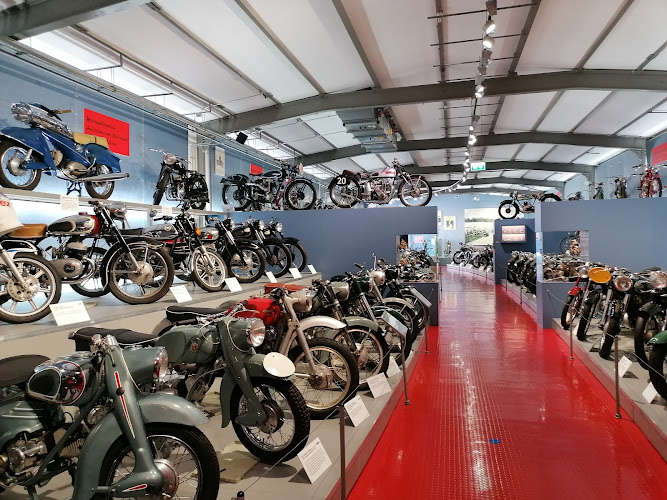
Museum of Industrial Culture
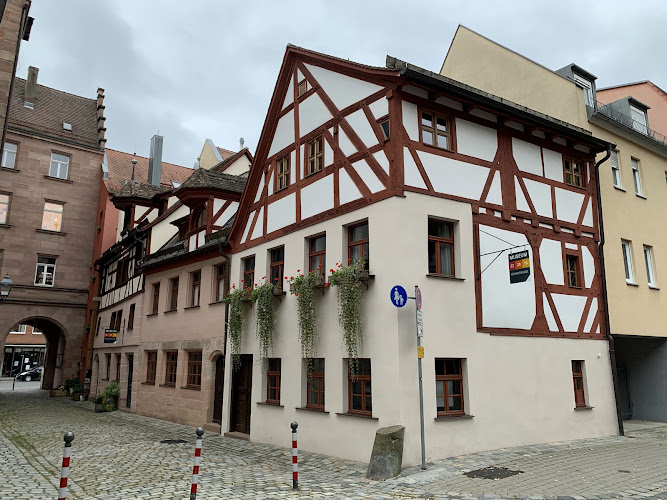
Museum | 22 | 20 | 18 |
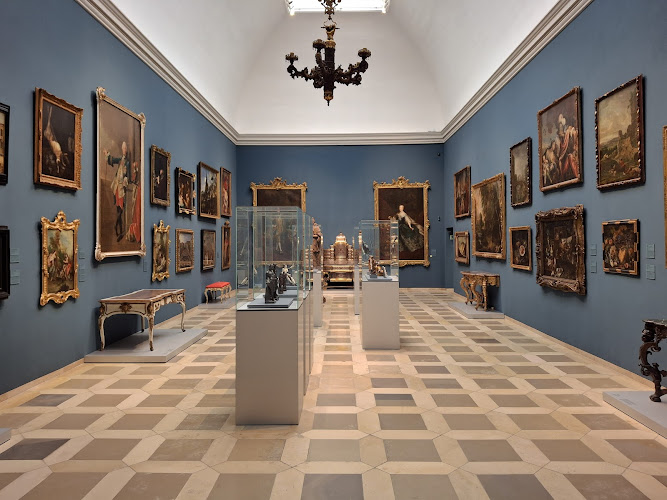
Germanic National Museum
Find Accommodations Nearby
Recommended Tours & Activities
Visitor Reviews
There are no reviews yet. Be the first one to write one.
Share Your Experience
Have you visited Narrenschiffbrunnen? Help other travelers by leaving a review.