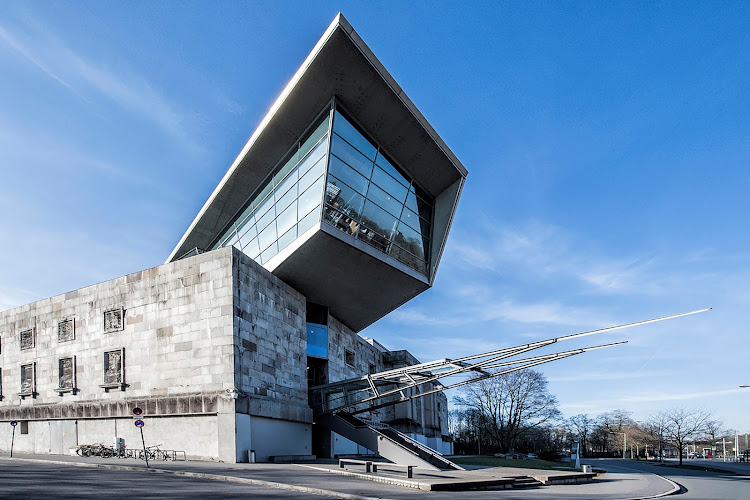
About Documentation Center Nazi Party Rally Grounds

Description

The Documentation Center Nazi Party Rally Grounds stands as one of the most sobering and important historical sites travelers can visit in Germany. Located in Nuremberg, this museum occupies a space that was once the heart of Nazi propaganda - the very grounds where Adolf Hitler and the Nazi Party staged their massive rallies between 1933 and 1938. The main building itself is housed within the unfinished Congress Hall, a structure that was supposed to seat 50,000 people but thankfully never reached completion. Walking through these grounds feels different than visiting most historical museums. There's a weight here, a tangible reminder of how easily democracy can crumble and how powerful propaganda can shape an entire nation's consciousness. The Documentation Center doesn't shy away from the uncomfortable truths of this dark period in human history. Instead, it confronts them head-on through meticulously curated exhibitions that trace the rise of National Socialism, the staging of the party rallies, and the devastating consequences that followed. I've visited many World War II museums across Europe, but this one hits differently because you're literally standing on the same grounds where history unfolded. The contrast between the imposing Nazi-era architecture and the modern educational mission of the center creates this almost surreal experience that stays with you long after you've left.

Key Features

The Documentation Center offers travelers an extensive educational experience that goes far beyond what you'd expect from a typical history museum. Here's what makes this place particularly remarkable:
  • The Permanent Exhibition "Fascination and Terror" - This comprehensive display spans approximately 1,300 square meters and walks visitors through the complete timeline of the Nazi Party's rise to power, focusing specifically on Nuremberg's role as the "City of the Reich Party Rallies"
  • Audio Guide System - Available in multiple languages, these guides provide detailed context that really helps you understand what you're seeing (and trust me, you'll want this because there's so much information to absorb)
  • The Congress Hall Architecture - The building itself is a historical artifact, with its massive unfinished structure serving as a physical reminder of the regime's grandiose ambitions that thankfully never materialized
  • Original Rally Grounds Access - Beyond the museum, visitors can explore the actual outdoor spaces where rallies took place, including the Zeppelin Field where hundreds of thousands gathered
  • Multimedia Presentations - Modern technology brings historical footage to life, showing the actual rallies, speeches, and crowds that once filled these spaces
  • Educational Study Forums - The center hosts ongoing programs for students and researchers dedicated to preventing the repetition of such atrocities
  • Complete Accessibility Features - Wheelchair accessible throughout with rental options available, making this important historical site accessible to everyone
  • On-site Cafe - A welcome respite after what can be an emotionally draining but necessary visit
  • Changing Tables and Family Facilities - Though heavy subject matter, the center acknowledges families visit and provides appropriate amenities

Best Time to Visit

Timing your visit to the Documentation Center requires some thought beyond just weather considerations. Sure, Nuremberg enjoys pleasant conditions from May through September, but there's more to consider when planning this particular trip. The museum sees its heaviest crowds during summer months, particularly July and August when European tourism peaks. If you're someone who prefers absorbing historical information without constantly navigating around tour groups, I'd strongly suggest visiting during shoulder seasons - April, May, or September through early October. The weather's still decent enough to explore the outdoor rally grounds, but you'll have considerably more breathing room inside the exhibition halls. Weekdays generally offer a calmer experience than weekends. And here's something I learned the hard way: avoid going on rainy days if possible. Not because the museum itself isn't worth it in any weather, but because you'll want time to walk the actual rally grounds outside, and that experience loses something when you're huddling under an umbrella. Winter visits have their own character. The starkness of the grounds under gray skies or even snow creates this particularly somber atmosphere that actually enhances the reflective nature of the visit. Just bundle up properly because those grounds are expansive and exposed. One practical note - the center typically opens Tuesday through Sunday, so plan accordingly. Morning visits right when they open tend to be quietest, giving you space to process everything without feeling rushed by crowds behind you.

How to Get There

Getting to the Documentation Center is refreshingly straightforward, which matters when you're in an unfamiliar city trying to navigate to an important destination. If you're arriving in Nuremberg by train - which many travelers do since the city's well-connected to Germany's excellent rail network - you've got several options. The public transportation system in Nuremberg is reliable and efficient. From the main train station (Hauptbahnhof), you can take tram line 8 toward Doku-Zentrum. Yes, there's actually a stop named after the documentation center, which makes things pretty foolproof. The journey takes roughly 20 minutes. Alternatively, tram line 6 also gets you there, though you'll need to walk a bit more from the stop. Some travelers prefer taking a taxi from the station, especially if they're traveling in a group where splitting the fare makes sense. The ride runs about 10-15 minutes depending on traffic. For those driving, there's both free and paid parking available on-site, which honestly surprised me given how many European attractions charge premium rates for parking. The facility's well-signposted once you're in the general area, so you won't find yourself circling endlessly. If you're staying in Nuremberg's old town - where many tourists base themselves - it's about a 4-kilometer journey. Some ambitious visitors walk it, but I'd recommend saving your energy for the extensive walking you'll do once you arrive.

Tips for Visiting

Visiting the Documentation Center Nazi Party Rally Grounds requires different preparation than your typical tourist attraction. Here's what I wish someone had told me before my first visit. First off, budget more time than you think you'll need. The exhibitions are dense with information, and if you're someone who actually reads the displays rather than just skimming, you could easily spend three to four hours inside. And that's before exploring the outdoor grounds. I initially planned for 90 minutes and ended up staying nearly five hours. Definitely get the audio guide. I know some people skip these at museums, but this isn't the place to do that. The additional context and explanations really deepen your understanding of what you're seeing. The guides are well-produced and don't drone on endlessly - they strike a good balance between thorough and concise. Bring water and maybe a snack, though there's a cafe on-site if you need it. This visit can be emotionally taxing, and staying hydrated and maintaining blood sugar helps you process everything more effectively. It sounds basic, but I've watched people get overwhelmed partly because they were also hungry and dehydrated. Wear comfortable shoes - this cannot be stressed enough. Between the museum floors and the outdoor rally grounds, you'll be walking quite a bit. Those grounds are massive, and experiencing their full scale really drives home how organized these rallies were. The subject matter is heavy, obviously. It's not graphic in terms of violence shown, but the psychological weight of understanding how this all happened can be draining. Give yourself some lighter plans afterward - maybe a nice dinner in the old town or a walk along the river. Don't schedule something stressful immediately after. Photography is allowed in most areas, but be respectful about it. This isn't the place for selfies or casual vacation snapshots. Documentary photos that help you remember what you learned? Absolutely. But I've seen tourists treating it like any other attraction, and it feels deeply wrong. If you're visiting with children, consider their age and maturity level carefully. The center doesn't show gratuitous images, but the concepts are complex and the history is disturbing. Many families do visit successfully, but know your kids and be prepared to have difficult conversations. The exhibitions are primarily in German and English, with the audio guides offering additional languages. If you're not comfortable with either language, check ahead about what's available in your preferred language to avoid frustration. Finally, don't rush through to tick a box on your itinerary. This place deserves your attention and reflection. The Documentation Center exists not just to show what happened, but to make us think about how it happened and how we prevent it from happening again. That's worth slowing down for, worth really engaging with, even when it's uncomfortable. Especially when it's uncomfortable. The grounds themselves tell a story beyond the exhibitions. Walking across the Zeppelin Field where hundreds of thousands once gathered for torch-lit rallies, you can almost feel the echoes of that terrible history. It's both chilling and absolutely essential for understanding this period. Take time with it. Sit for a moment. Think about what brought you here and what you'll take away from the experience.

Key Features

  • Permanent exhibition tracing the origins, mechanisms, and consequences of National Socialism
  • Contemporary architecture and rooftop views overlooking the rally grounds
  • Large-format historical photographs and original audiovisual materials
  • Outdoor ruins and preserved rally grounds accessible from the museum
  • Educational programs, temporary exhibitions, and guided tours

More Details

Updated March 30, 2026

Description

The Documentation Center Nazi Party Rally Grounds stands as one of the most sobering and important historical sites travelers can visit in Germany. Located in Nuremberg, this museum occupies a space that was once the heart of Nazi propaganda – the very grounds where Adolf Hitler and the Nazi Party staged their massive rallies between 1933 and 1938. The main building itself is housed within the unfinished Congress Hall, a structure that was supposed to seat 50,000 people but thankfully never reached completion.

Walking through these grounds feels different than visiting most historical museums. There’s a weight here, a tangible reminder of how easily democracy can crumble and how powerful propaganda can shape an entire nation’s consciousness. The Documentation Center doesn’t shy away from the uncomfortable truths of this dark period in human history. Instead, it confronts them head-on through meticulously curated exhibitions that trace the rise of National Socialism, the staging of the party rallies, and the devastating consequences that followed.

I’ve visited many World War II museums across Europe, but this one hits differently because you’re literally standing on the same grounds where history unfolded. The contrast between the imposing Nazi-era architecture and the modern educational mission of the center creates this almost surreal experience that stays with you long after you’ve left.

Key Features

The Documentation Center offers travelers an extensive educational experience that goes far beyond what you’d expect from a typical history museum. Here’s what makes this place particularly remarkable:

  • The Permanent Exhibition “Fascination and Terror” – This comprehensive display spans approximately 1,300 square meters and walks visitors through the complete timeline of the Nazi Party’s rise to power, focusing specifically on Nuremberg’s role as the “City of the Reich Party Rallies”
  • Audio Guide System – Available in multiple languages, these guides provide detailed context that really helps you understand what you’re seeing (and trust me, you’ll want this because there’s so much information to absorb)
  • The Congress Hall Architecture – The building itself is a historical artifact, with its massive unfinished structure serving as a physical reminder of the regime’s grandiose ambitions that thankfully never materialized
  • Original Rally Grounds Access – Beyond the museum, visitors can explore the actual outdoor spaces where rallies took place, including the Zeppelin Field where hundreds of thousands gathered
  • Multimedia Presentations – Modern technology brings historical footage to life, showing the actual rallies, speeches, and crowds that once filled these spaces
  • Educational Study Forums – The center hosts ongoing programs for students and researchers dedicated to preventing the repetition of such atrocities
  • Complete Accessibility Features – Wheelchair accessible throughout with rental options available, making this important historical site accessible to everyone
  • On-site Cafe – A welcome respite after what can be an emotionally draining but necessary visit
  • Changing Tables and Family Facilities – Though heavy subject matter, the center acknowledges families visit and provides appropriate amenities

Best Time to Visit

Timing your visit to the Documentation Center requires some thought beyond just weather considerations. Sure, Nuremberg enjoys pleasant conditions from May through September, but there’s more to consider when planning this particular trip.

The museum sees its heaviest crowds during summer months, particularly July and August when European tourism peaks. If you’re someone who prefers absorbing historical information without constantly navigating around tour groups, I’d strongly suggest visiting during shoulder seasons – April, May, or September through early October. The weather’s still decent enough to explore the outdoor rally grounds, but you’ll have considerably more breathing room inside the exhibition halls.

Weekdays generally offer a calmer experience than weekends. And here’s something I learned the hard way: avoid going on rainy days if possible. Not because the museum itself isn’t worth it in any weather, but because you’ll want time to walk the actual rally grounds outside, and that experience loses something when you’re huddling under an umbrella.

Winter visits have their own character. The starkness of the grounds under gray skies or even snow creates this particularly somber atmosphere that actually enhances the reflective nature of the visit. Just bundle up properly because those grounds are expansive and exposed.

One practical note – the center typically opens Tuesday through Sunday, so plan accordingly. Morning visits right when they open tend to be quietest, giving you space to process everything without feeling rushed by crowds behind you.

How to Get There

Getting to the Documentation Center is refreshingly straightforward, which matters when you’re in an unfamiliar city trying to navigate to an important destination.

If you’re arriving in Nuremberg by train – which many travelers do since the city’s well-connected to Germany’s excellent rail network – you’ve got several options. The public transportation system in Nuremberg is reliable and efficient. From the main train station (Hauptbahnhof), you can take tram line 8 toward Doku-Zentrum. Yes, there’s actually a stop named after the documentation center, which makes things pretty foolproof. The journey takes roughly 20 minutes.

Alternatively, tram line 6 also gets you there, though you’ll need to walk a bit more from the stop. Some travelers prefer taking a taxi from the station, especially if they’re traveling in a group where splitting the fare makes sense. The ride runs about 10-15 minutes depending on traffic.

For those driving, there’s both free and paid parking available on-site, which honestly surprised me given how many European attractions charge premium rates for parking. The facility’s well-signposted once you’re in the general area, so you won’t find yourself circling endlessly.

If you’re staying in Nuremberg’s old town – where many tourists base themselves – it’s about a 4-kilometer journey. Some ambitious visitors walk it, but I’d recommend saving your energy for the extensive walking you’ll do once you arrive.

Tips for Visiting

Visiting the Documentation Center Nazi Party Rally Grounds requires different preparation than your typical tourist attraction. Here’s what I wish someone had told me before my first visit.

First off, budget more time than you think you’ll need. The exhibitions are dense with information, and if you’re someone who actually reads the displays rather than just skimming, you could easily spend three to four hours inside. And that’s before exploring the outdoor grounds. I initially planned for 90 minutes and ended up staying nearly five hours.

Definitely get the audio guide. I know some people skip these at museums, but this isn’t the place to do that. The additional context and explanations really deepen your understanding of what you’re seeing. The guides are well-produced and don’t drone on endlessly – they strike a good balance between thorough and concise.

Bring water and maybe a snack, though there’s a cafe on-site if you need it. This visit can be emotionally taxing, and staying hydrated and maintaining blood sugar helps you process everything more effectively. It sounds basic, but I’ve watched people get overwhelmed partly because they were also hungry and dehydrated.

Wear comfortable shoes – this cannot be stressed enough. Between the museum floors and the outdoor rally grounds, you’ll be walking quite a bit. Those grounds are massive, and experiencing their full scale really drives home how organized these rallies were.

The subject matter is heavy, obviously. It’s not graphic in terms of violence shown, but the psychological weight of understanding how this all happened can be draining. Give yourself some lighter plans afterward – maybe a nice dinner in the old town or a walk along the river. Don’t schedule something stressful immediately after.

Photography is allowed in most areas, but be respectful about it. This isn’t the place for selfies or casual vacation snapshots. Documentary photos that help you remember what you learned? Absolutely. But I’ve seen tourists treating it like any other attraction, and it feels deeply wrong.

If you’re visiting with children, consider their age and maturity level carefully. The center doesn’t show gratuitous images, but the concepts are complex and the history is disturbing. Many families do visit successfully, but know your kids and be prepared to have difficult conversations.

The exhibitions are primarily in German and English, with the audio guides offering additional languages. If you’re not comfortable with either language, check ahead about what’s available in your preferred language to avoid frustration.

Finally, don’t rush through to tick a box on your itinerary. This place deserves your attention and reflection. The Documentation Center exists not just to show what happened, but to make us think about how it happened and how we prevent it from happening again. That’s worth slowing down for, worth really engaging with, even when it’s uncomfortable. Especially when it’s uncomfortable.

The grounds themselves tell a story beyond the exhibitions. Walking across the Zeppelin Field where hundreds of thousands once gathered for torch-lit rallies, you can almost feel the echoes of that terrible history. It’s both chilling and absolutely essential for understanding this period. Take time with it. Sit for a moment. Think about what brought you here and what you’ll take away from the experience.

Key Highlights

  • Permanent exhibition tracing the origins, mechanisms, and consequences of National Socialism
  • Contemporary architecture and rooftop views overlooking the rally grounds
  • Large-format historical photographs and original audiovisual materials
  • Outdoor ruins and preserved rally grounds accessible from the museum
  • Educational programs, temporary exhibitions, and guided tours

Location

Places to Stay Near Documentation Center Nazi Party Rally Grounds

Find and Book a Tour

Explore More Travel Guides

No reviews found! Be the first to review!

Documentation Center Nazi Party Rally Grounds is a prominent museums located in Nuremberg.

Visit us at: Bayernstraße 110, 90478 Nürnberg, Germany.

Traveler Reviews for Documentation Center Nazi Party Rally Grounds

There are no reviews yet. Be the first one to write one.

Share Your Experience

Have you visited Documentation Center Nazi Party Rally Grounds? Help other travelers by sharing your review.

Nearby Attractions

Nuremberg Castle (Kaiserburg Nürnberg) Germanisches Nationalmuseum Nuremberg Old Town (Altstadt) and Hauptmarkt

Find Accommodations Nearby

Recommended Tours & Activities

Visitor Reviews

There are no reviews yet. Be the first one to write one.

Share Your Experience

Have you visited Documentation Center Nazi Party Rally Grounds? Help other travelers by leaving a review.