

Toy Museum
About Toy Museum
Description
The Toy Museum offers travelers a remarkable journey through six centuries of toy-making heritage, showcasing how playthings have evolved alongside human creativity and craftsmanship. For anyone who's ever wondered about the stories behind childhood treasures, this museum delivers an experience that's genuinely fascinating – and I'll admit, when I first heard about a museum dedicated entirely to toys, I wasn't sure what to expect. Turns out, it's way more interesting than you might think. What sets this place apart from your typical museum visit is its ability to transport visitors through different eras of childhood imagination. You'll find yourself face-to-face with meticulously crafted dollhouses that represent architectural styles from various periods, alongside modern playthings that'll make you nostalgic for your own childhood. The collection spans 600 years of toy-making tradition, which is pretty impressive when you stop to consider how much human ingenuity has gone into creating objects purely designed to bring joy to children. The museum doesn't just display toys behind glass cases though. There's an interactive quality to the experience that makes it particularly engaging for families traveling with kids. And honestly, even adults without children find themselves surprisingly captivated by the exhibits – there's something universally appealing about reconnecting with the simplicity of play. The onsite cafe provides a welcome break where you can reflect on what you've seen while the little ones recharge their batteries.Key Features
The museum houses several distinctive elements that make it worth adding to your travel itinerary: • An extensive collection documenting 600 years of toy-making history, providing cultural and historical context that goes beyond simple entertainment • Elaborate dollhouses featuring miniature furniture, fixtures, and architectural details that showcase craftsmanship from different time periods • Modern toy exhibits that bridge the gap between historical playthings and contemporary designs, showing how innovation has shaped children's entertainment • Wheelchair accessible entrance and restrooms, ensuring all visitors can comfortably explore the exhibits • A dedicated playground area where children can actually play rather than just observe, which is honestly a lifesaver for parents • Onsite cafe offering refreshments and light meals, perfect for taking a break during your visit • Restroom facilities conveniently located within the museum • Interactive displays that engage younger visitors and keep their attention throughout the tour • Educational information presented in ways that appeal to both children and adults, making it genuinely family-friendly without being condescending • Exhibits that change periodically, so even return visitors discover something newBest Time to Visit
Timing your visit to the Toy Museum can make a significant difference in your overall experience. Weekday mornings, particularly Tuesday through Thursday, tend to be quieter periods when you'll have more space to explore the exhibits without navigating through crowds. I've found that arriving right when they open gives you that magical feeling of having the place almost to yourself, at least for the first hour or so. School holidays and weekends naturally attract larger numbers of families, which creates a lively atmosphere but can also mean waiting your turn at popular interactive displays. If you're traveling with younger children who might get overwhelmed by crowds, definitely aim for those weekday slots. But if you don't mind the bustle and actually enjoy the energy that groups of excited kids bring to a space, weekend afternoons work just fine. Weather doesn't impact your visit too much since this is primarily an indoor attraction, which makes it an excellent rainy day option when outdoor activities aren't practical. Actually, some of my best museum experiences have happened on drizzly afternoons when the cozy indoor atmosphere feels particularly welcoming. The museum experiences slightly less foot traffic during the off-peak tourist seasons, typically late autumn and early spring. Summer months bring vacationing families from around the world, creating an international atmosphere that's culturally interesting though admittedly more crowded. Winter visits have their own charm, especially if you're traveling during the holiday season when toy nostalgia hits differently. Consider planning your visit around nap times if you're traveling with toddlers – arriving after a good rest means happier kids and more enjoyable viewing for everyone. The museum typically requires about two to three hours to explore thoroughly, though you could easily spend longer if your children are particularly engaged with the interactive elements.How to Get There
Getting to the Toy Museum is relatively straightforward for most travelers, regardless of your preferred transportation method. The location is well-connected to public transportation networks, making it accessible without needing a rental car. Local buses serve the area regularly throughout the day, and you'll find stops within comfortable walking distance of the museum entrance. For those using public transit, check the local transportation app or website for current schedules and route information. The routes serving the museum area typically run every 15-20 minutes during peak hours, though this varies depending on the day of the week. Keep your transit pass handy – many cities offer day passes that provide better value than individual tickets if you're planning multiple stops. Taxi services and rideshare apps operate throughout the area, offering convenient door-to-door service if you're traveling with young children or prefer not to navigate public transportation. The museum's address is easily recognized by local drivers, so you shouldn't encounter any confusion about your destination. If you're driving, parking options exist in the vicinity though availability can be limited during peak visiting times. Arriving early improves your chances of finding convenient parking. Some travelers report that parking slightly farther away and walking actually provides a pleasant approach to the museum, especially on nice weather days. The museum's wheelchair accessible entrance makes arrival stress-free for visitors with mobility considerations. Clear signage helps orient first-time visitors, and staff members are generally helpful if you need directions from nearby landmarks. Walking to the museum from central hotel districts is feasible in many cases, typically taking 15-30 minutes depending on your starting point. The pedestrian route passes through interesting neighborhoods that give you a feel for local life beyond tourist attractions.Tips for Visiting
Making the most of your Toy Museum experience involves some strategic planning that I've learned through both personal visits and hearing from other travelers. First off, wear comfortable shoes – you'll be standing and walking more than you might anticipate, and sore feet can really diminish your enjoyment. Bringing snacks for children is smart even though there's a cafe onsite. Sometimes kids need immediate sustenance rather than waiting in line, and having crackers or fruit readily available prevents minor meltdowns. The museum generally allows small snacks though you should avoid bringing messy foods that could damage exhibits. Photography policies vary by exhibit area, so check signage or ask staff before snapping pictures. Some displays allow photos while others prohibit them to protect light-sensitive materials. Respecting these guidelines helps preserve the collection for future visitors. Download any available museum apps before your visit since wifi can be spotty in some areas. These apps often provide additional context about exhibits that enhances your understanding and appreciation. And let's be honest, kids sometimes engage more when there's a digital component involved. Plan bathroom breaks strategically since the museum's restrooms are located in specific areas. Knowing where facilities are located before your children announce urgent needs saves stress and rushing. The playground area deserves dedicated time in your schedule rather than treating it as an afterthought. Children process museum experiences differently than adults, and they need physical outlets between periods of observation. Allowing 20-30 minutes of play time actually improves their engagement with exhibits afterward. Consider visiting the gift shop at the end rather than the beginning of your tour. This prevents kids from fixating on merchandise throughout your visit and allows them to choose items based on what genuinely interested them in the exhibits. Engage with museum staff and volunteers who often have fascinating stories about particular pieces in the collection. Their personal insights add dimensions that written placards can't capture, and I've discovered some of the most interesting details through casual conversations. Budget more time than you think you'll need – rushing through defeats the purpose and creates unnecessary stress. If you finish early, that's fine, but feeling pressured to hurry past interesting exhibits diminishes the experience for everyone. Pack layers since temperature can vary throughout the museum spaces. Some areas feel warmer than others depending on climate control needs for different types of materials in the collection. Check if the museum offers any special programming during your visit dates. Temporary exhibitions, demonstrations, or educational workshops can significantly enhance your experience though they might require advance registration. Bring hand sanitizer and use it regularly, especially after interactive displays. Museums attract visitors from everywhere, and keeping hands clean matters particularly when you've got kids who touch everything then rub their eyes. Most importantly, allow yourself to genuinely enjoy the experience rather than just checking it off your itinerary. The Toy Museum offers something rare – a chance to reconnect with wonder and playfulness that adult life often suppresses. Whether you're traveling with children or exploring solo, approaching the exhibits with openness and curiosity transforms a simple museum visit into something memorable.Key Features
- Collection spanning roughly 600 years of toy history
- Notable Nuremberg-made pieces: tin soldiers, wooden toys, dolls
- Thematic displays with social and manufacturing context
- Dioramas and interactive elements suitable for families
- Temporary special exhibitions and rotating highlights
More Details
Updated March 30, 2026
Table of Contents
Description
The Toy Museum offers travelers a remarkable journey through six centuries of toy-making heritage, showcasing how playthings have evolved alongside human creativity and craftsmanship. For anyone who’s ever wondered about the stories behind childhood treasures, this museum delivers an experience that’s genuinely fascinating – and I’ll admit, when I first heard about a museum dedicated entirely to toys, I wasn’t sure what to expect. Turns out, it’s way more interesting than you might think.
What sets this place apart from your typical museum visit is its ability to transport visitors through different eras of childhood imagination. You’ll find yourself face-to-face with meticulously crafted dollhouses that represent architectural styles from various periods, alongside modern playthings that’ll make you nostalgic for your own childhood. The collection spans 600 years of toy-making tradition, which is pretty impressive when you stop to consider how much human ingenuity has gone into creating objects purely designed to bring joy to children.
The museum doesn’t just display toys behind glass cases though. There’s an interactive quality to the experience that makes it particularly engaging for families traveling with kids. And honestly, even adults without children find themselves surprisingly captivated by the exhibits – there’s something universally appealing about reconnecting with the simplicity of play. The onsite cafe provides a welcome break where you can reflect on what you’ve seen while the little ones recharge their batteries.
Key Features
The museum houses several distinctive elements that make it worth adding to your travel itinerary:
• An extensive collection documenting 600 years of toy-making history, providing cultural and historical context that goes beyond simple entertainment
• Elaborate dollhouses featuring miniature furniture, fixtures, and architectural details that showcase craftsmanship from different time periods
• Modern toy exhibits that bridge the gap between historical playthings and contemporary designs, showing how innovation has shaped children’s entertainment
• Wheelchair accessible entrance and restrooms, ensuring all visitors can comfortably explore the exhibits
• A dedicated playground area where children can actually play rather than just observe, which is honestly a lifesaver for parents
• Onsite cafe offering refreshments and light meals, perfect for taking a break during your visit
• Restroom facilities conveniently located within the museum
• Interactive displays that engage younger visitors and keep their attention throughout the tour
• Educational information presented in ways that appeal to both children and adults, making it genuinely family-friendly without being condescending
• Exhibits that change periodically, so even return visitors discover something new
Best Time to Visit
Timing your visit to the Toy Museum can make a significant difference in your overall experience. Weekday mornings, particularly Tuesday through Thursday, tend to be quieter periods when you’ll have more space to explore the exhibits without navigating through crowds. I’ve found that arriving right when they open gives you that magical feeling of having the place almost to yourself, at least for the first hour or so.
School holidays and weekends naturally attract larger numbers of families, which creates a lively atmosphere but can also mean waiting your turn at popular interactive displays. If you’re traveling with younger children who might get overwhelmed by crowds, definitely aim for those weekday slots. But if you don’t mind the bustle and actually enjoy the energy that groups of excited kids bring to a space, weekend afternoons work just fine.
Weather doesn’t impact your visit too much since this is primarily an indoor attraction, which makes it an excellent rainy day option when outdoor activities aren’t practical. Actually, some of my best museum experiences have happened on drizzly afternoons when the cozy indoor atmosphere feels particularly welcoming.
The museum experiences slightly less foot traffic during the off-peak tourist seasons, typically late autumn and early spring. Summer months bring vacationing families from around the world, creating an international atmosphere that’s culturally interesting though admittedly more crowded. Winter visits have their own charm, especially if you’re traveling during the holiday season when toy nostalgia hits differently.
Consider planning your visit around nap times if you’re traveling with toddlers – arriving after a good rest means happier kids and more enjoyable viewing for everyone. The museum typically requires about two to three hours to explore thoroughly, though you could easily spend longer if your children are particularly engaged with the interactive elements.
How to Get There
Getting to the Toy Museum is relatively straightforward for most travelers, regardless of your preferred transportation method. The location is well-connected to public transportation networks, making it accessible without needing a rental car. Local buses serve the area regularly throughout the day, and you’ll find stops within comfortable walking distance of the museum entrance.
For those using public transit, check the local transportation app or website for current schedules and route information. The routes serving the museum area typically run every 15-20 minutes during peak hours, though this varies depending on the day of the week. Keep your transit pass handy – many cities offer day passes that provide better value than individual tickets if you’re planning multiple stops.
Taxi services and rideshare apps operate throughout the area, offering convenient door-to-door service if you’re traveling with young children or prefer not to navigate public transportation. The museum’s address is easily recognized by local drivers, so you shouldn’t encounter any confusion about your destination.
If you’re driving, parking options exist in the vicinity though availability can be limited during peak visiting times. Arriving early improves your chances of finding convenient parking. Some travelers report that parking slightly farther away and walking actually provides a pleasant approach to the museum, especially on nice weather days.
The museum’s wheelchair accessible entrance makes arrival stress-free for visitors with mobility considerations. Clear signage helps orient first-time visitors, and staff members are generally helpful if you need directions from nearby landmarks.
Walking to the museum from central hotel districts is feasible in many cases, typically taking 15-30 minutes depending on your starting point. The pedestrian route passes through interesting neighborhoods that give you a feel for local life beyond tourist attractions.
Tips for Visiting
Making the most of your Toy Museum experience involves some strategic planning that I’ve learned through both personal visits and hearing from other travelers. First off, wear comfortable shoes – you’ll be standing and walking more than you might anticipate, and sore feet can really diminish your enjoyment.
Bringing snacks for children is smart even though there’s a cafe onsite. Sometimes kids need immediate sustenance rather than waiting in line, and having crackers or fruit readily available prevents minor meltdowns. The museum generally allows small snacks though you should avoid bringing messy foods that could damage exhibits.
Photography policies vary by exhibit area, so check signage or ask staff before snapping pictures. Some displays allow photos while others prohibit them to protect light-sensitive materials. Respecting these guidelines helps preserve the collection for future visitors.
Download any available museum apps before your visit since wifi can be spotty in some areas. These apps often provide additional context about exhibits that enhances your understanding and appreciation. And let’s be honest, kids sometimes engage more when there’s a digital component involved.
Plan bathroom breaks strategically since the museum’s restrooms are located in specific areas. Knowing where facilities are located before your children announce urgent needs saves stress and rushing.
The playground area deserves dedicated time in your schedule rather than treating it as an afterthought. Children process museum experiences differently than adults, and they need physical outlets between periods of observation. Allowing 20-30 minutes of play time actually improves their engagement with exhibits afterward.
Consider visiting the gift shop at the end rather than the beginning of your tour. This prevents kids from fixating on merchandise throughout your visit and allows them to choose items based on what genuinely interested them in the exhibits.
Engage with museum staff and volunteers who often have fascinating stories about particular pieces in the collection. Their personal insights add dimensions that written placards can’t capture, and I’ve discovered some of the most interesting details through casual conversations.
Budget more time than you think you’ll need – rushing through defeats the purpose and creates unnecessary stress. If you finish early, that’s fine, but feeling pressured to hurry past interesting exhibits diminishes the experience for everyone.
Pack layers since temperature can vary throughout the museum spaces. Some areas feel warmer than others depending on climate control needs for different types of materials in the collection.
Check if the museum offers any special programming during your visit dates. Temporary exhibitions, demonstrations, or educational workshops can significantly enhance your experience though they might require advance registration.
Bring hand sanitizer and use it regularly, especially after interactive displays. Museums attract visitors from everywhere, and keeping hands clean matters particularly when you’ve got kids who touch everything then rub their eyes.
Most importantly, allow yourself to genuinely enjoy the experience rather than just checking it off your itinerary. The Toy Museum offers something rare – a chance to reconnect with wonder and playfulness that adult life often suppresses. Whether you’re traveling with children or exploring solo, approaching the exhibits with openness and curiosity transforms a simple museum visit into something memorable.
Key Highlights
- Collection spanning roughly 600 years of toy history
- Notable Nuremberg-made pieces: tin soldiers, wooden toys, dolls
- Thematic displays with social and manufacturing context
- Dioramas and interactive elements suitable for families
- Temporary special exhibitions and rotating highlights
Location
Places to Stay Near Toy Museum
Find and Book a Tour
Explore More Travel Guides
No reviews found! Be the first to review!
Toy Museum is a prominent museums located in Nuremberg.
Visit us at: Karlstraße 13-15, 90403 Nürnberg, Germany.
Traveler Reviews for Toy Museum
There are no reviews yet. Be the first one to write one.
Have you visited Toy Museum? Help other travelers by sharing your review.
Nearby Attractions
You Might Also Like

Narrenschiffbrunnen

90403 Nuremberg
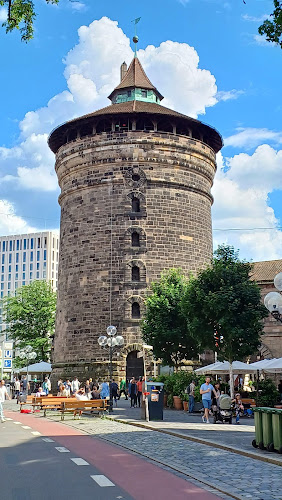
Frauentorturm
Find Accommodations Nearby
Recommended Tours & Activities
Visitor Reviews
There are no reviews yet. Be the first one to write one.
Share Your Experience
Have you visited Toy Museum? Help other travelers by leaving a review.