
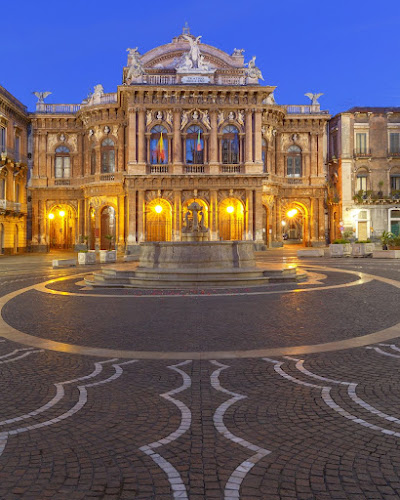
Teatro Massimo Bellini
About Teatro Massimo Bellini
Description
The Teatro Massimo Bellini in Catania is one of those places that seems to hum with history the moment you step inside. Built in the late 19th century and named after the beloved Sicilian composer Vincenzo Bellini, this opera house isn’t just a building—it’s a living, breathing piece of art. The gilded balconies, the crimson velvet seats, the frescoed ceilings that seem to tell stories of their own—it all feels like stepping into another era. If you’ve ever dreamed of experiencing the grandeur of Italian opera in a setting that feels straight out of a painting, this is your spot.
Now, I’ll admit, I’m a bit of a sucker for old theatres. There’s something about the echo of footsteps in marble corridors and the faint scent of polish and history mixed together. When I first visited, I remember sitting down before the show even began, just staring up at the ceiling frescoes. They depict scenes from Bellini’s most famous operas—Norma, I Puritani, La Sonnambula, and Il Pirata—and the detail is so intricate that you could spend half an hour just tracing the brushstrokes with your eyes. It’s not one of those sterile, modern performance halls; it’s warm, ornate, and unapologetically dramatic, just like the operas it hosts.
Performances here range from classic Italian operas to symphonic concerts and even the occasional ballet. The acoustics are phenomenal—so clear that even from the upper tiers, you catch every note. And while it’s undeniably grand, the atmosphere still feels welcoming. Families, couples, solo travelers, and even kids can be seen soaking in the experience. It’s also known for being inclusive and accessible, which isn’t always the case with historical venues. Wheelchair access is thoughtfully integrated, and the staff are genuinely helpful to visitors with different needs.
Not every experience here is flawless—some visitors mention that the seating can be a bit snug (it’s a 19th-century design, after all), and occasionally the air conditioning can’t quite keep up with Sicily’s summer heat. But honestly, those small quirks just add to its charm. You come here for the atmosphere, the artistry, and that feeling of being part of something timeless. It’s a cultural anchor in Catania, and even if you’re not an opera buff, it’s worth visiting just to admire the craftsmanship and the energy that fills the place.
Key Features
- Historical significance: Inaugurated in 1890 with Bellini’s own opera Norma, the theatre remains a cornerstone of Catania’s cultural life.
- Architectural beauty: Designed by architect Carlo Sada, the building features lavish red and gold interiors, marble staircases, and a dazzling chandelier that commands attention.
- Live performances: Hosts operas, ballets, and classical concerts throughout the year, featuring both Italian and international artists.
- Accessibility: Wheelchair-accessible entrances, restrooms, and parking make it inclusive for all visitors.
- Amenities: Onsite bar, gender-neutral restrooms, and friendly staff enhance the visitor experience.
- Family and LGBTQ+ friendly: A welcoming environment for travelers of all backgrounds and orientations.
- Payment options: Accepts credit cards, debit cards, and mobile payments for convenience.
- Atmosphere: Intimate yet majestic, with impeccable acoustics and a sense of grandeur that’s hard to replicate elsewhere.
Best Time to Visit
If you’re planning to catch a performance, the theatre’s season typically runs from October through June, which conveniently avoids the peak summer crowds. Personally, I’d say spring is the sweet spot—April or May—when the weather in Catania is pleasantly warm, and you can stroll to the theatre in the evening without breaking a sweat. The city’s energy feels alive during this time, and grabbing a gelato before or after a show just feels right.
Winter performances have their own charm, though. There’s something magical about stepping out of the crisp evening air and into that golden glow of the auditorium. If you’re not attending a show, daytime guided tours are also offered. These are perfect for those who want to explore the building’s history and architecture without committing to a full performance. And if you’re lucky, you might even hear the orchestra rehearsing—it’s like getting a behind-the-scenes peek into the soul of the theatre.
How to Get There
Getting to the Teatro Massimo Bellini is surprisingly easy, especially if you’re already wandering through central Catania. The theatre sits just off a lively square surrounded by cafés and restaurants, so you can easily make a whole evening of it. If you’re staying nearby, walking is the best way to go—you’ll get to enjoy the city’s baroque streets and maybe stumble upon a few hidden gems on the way.
For those coming from farther out, local buses and taxis are reliable options. Catania’s public transportation system is straightforward, though I’ll admit, it can get a bit crowded during rush hour. If you’re driving, there’s accessible parking nearby, but spaces can fill up quickly before major performances, so plan ahead. And if you’re arriving from the airport, it’s about a 15-minute drive—just enough time to get a glimpse of Mount Etna in the distance before diving into the city’s cultural heart.
Tips for Visiting
Here’s where my personal experience might come in handy. First, book your tickets in advance—especially if there’s a big opera or symphony on the schedule. The theatre isn’t massive, and good seats sell out quickly. I once tried to grab a last-minute ticket for a Bellini tribute concert, and let’s just say I ended up standing in the back (still worth it, though).
Dress code-wise, it’s not overly strict, but you’ll feel more comfortable if you dress smart-casual. Locals tend to dress elegantly for evening performances—it’s part of the fun. If you’re attending a matinee or tour, casual attire is perfectly fine. And don’t forget to arrive a bit early. Not only will you avoid the rush, but you’ll also have time to soak in the details—the marble floors, the ornate mirrors, the soft glow of the chandeliers. It’s all part of the experience.
Another tip: grab a drink at the onsite bar during intermission. The vibe there is relaxed and social, with patrons chatting about the performance or simply admiring the architecture. If you’re traveling with kids, don’t worry—some performances are family-friendly, and the staff are great with younger visitors. And for those who might be nervous about accessibility or inclusivity, rest assured—the theatre has made thoughtful strides in ensuring everyone feels welcome, from wheelchair users to LGBTQ+ travelers.
Lastly, take a moment after the show to step outside and look at the theatre illuminated against the night sky. The façade, with its neoclassical columns and sculpted details, takes on an almost cinematic quality after dark. The square outside often buzzes with conversation, laughter, and the occasional street musician playing softly in the background. It’s one of those moments that stays with you long after you’ve left Catania.
In short, the Teatro Massimo Bellini isn’t just a venue—it’s an experience. Whether you’re an opera lover, a history buff, or simply someone who appreciates beauty and craftsmanship, this theatre offers a glimpse into the soul of Sicily. And who knows? You might even find yourself humming an aria on your way out.
Key Features
- Key Features
- Best Time to Visit
- How to Get There
- Tips for Visiting
More Details
Updated November 30, 2025
Table of Contents
Description
The Teatro Massimo Bellini in Catania is one of those places that seems to hum with history the moment you step inside. Built in the late 19th century and named after the beloved Sicilian composer Vincenzo Bellini, this opera house isn’t just a building—it’s a living, breathing piece of art. The gilded balconies, the crimson velvet seats, the frescoed ceilings that seem to tell stories of their own—it all feels like stepping into another era. If you’ve ever dreamed of experiencing the grandeur of Italian opera in a setting that feels straight out of a painting, this is your spot.
Now, I’ll admit, I’m a bit of a sucker for old theatres. There’s something about the echo of footsteps in marble corridors and the faint scent of polish and history mixed together. When I first visited, I remember sitting down before the show even began, just staring up at the ceiling frescoes. They depict scenes from Bellini’s most famous operas—Norma, I Puritani, La Sonnambula, and Il Pirata—and the detail is so intricate that you could spend half an hour just tracing the brushstrokes with your eyes. It’s not one of those sterile, modern performance halls; it’s warm, ornate, and unapologetically dramatic, just like the operas it hosts.
Performances here range from classic Italian operas to symphonic concerts and even the occasional ballet. The acoustics are phenomenal—so clear that even from the upper tiers, you catch every note. And while it’s undeniably grand, the atmosphere still feels welcoming. Families, couples, solo travelers, and even kids can be seen soaking in the experience. It’s also known for being inclusive and accessible, which isn’t always the case with historical venues. Wheelchair access is thoughtfully integrated, and the staff are genuinely helpful to visitors with different needs.
Not every experience here is flawless—some visitors mention that the seating can be a bit snug (it’s a 19th-century design, after all), and occasionally the air conditioning can’t quite keep up with Sicily’s summer heat. But honestly, those small quirks just add to its charm. You come here for the atmosphere, the artistry, and that feeling of being part of something timeless. It’s a cultural anchor in Catania, and even if you’re not an opera buff, it’s worth visiting just to admire the craftsmanship and the energy that fills the place.
Key Features
- Historical significance: Inaugurated in 1890 with Bellini’s own opera Norma, the theatre remains a cornerstone of Catania’s cultural life.
- Architectural beauty: Designed by architect Carlo Sada, the building features lavish red and gold interiors, marble staircases, and a dazzling chandelier that commands attention.
- Live performances: Hosts operas, ballets, and classical concerts throughout the year, featuring both Italian and international artists.
- Accessibility: Wheelchair-accessible entrances, restrooms, and parking make it inclusive for all visitors.
- Amenities: Onsite bar, gender-neutral restrooms, and friendly staff enhance the visitor experience.
- Family and LGBTQ+ friendly: A welcoming environment for travelers of all backgrounds and orientations.
- Payment options: Accepts credit cards, debit cards, and mobile payments for convenience.
- Atmosphere: Intimate yet majestic, with impeccable acoustics and a sense of grandeur that’s hard to replicate elsewhere.
Best Time to Visit
If you’re planning to catch a performance, the theatre’s season typically runs from October through June, which conveniently avoids the peak summer crowds. Personally, I’d say spring is the sweet spot—April or May—when the weather in Catania is pleasantly warm, and you can stroll to the theatre in the evening without breaking a sweat. The city’s energy feels alive during this time, and grabbing a gelato before or after a show just feels right.
Winter performances have their own charm, though. There’s something magical about stepping out of the crisp evening air and into that golden glow of the auditorium. If you’re not attending a show, daytime guided tours are also offered. These are perfect for those who want to explore the building’s history and architecture without committing to a full performance. And if you’re lucky, you might even hear the orchestra rehearsing—it’s like getting a behind-the-scenes peek into the soul of the theatre.
How to Get There
Getting to the Teatro Massimo Bellini is surprisingly easy, especially if you’re already wandering through central Catania. The theatre sits just off a lively square surrounded by cafés and restaurants, so you can easily make a whole evening of it. If you’re staying nearby, walking is the best way to go—you’ll get to enjoy the city’s baroque streets and maybe stumble upon a few hidden gems on the way.
For those coming from farther out, local buses and taxis are reliable options. Catania’s public transportation system is straightforward, though I’ll admit, it can get a bit crowded during rush hour. If you’re driving, there’s accessible parking nearby, but spaces can fill up quickly before major performances, so plan ahead. And if you’re arriving from the airport, it’s about a 15-minute drive—just enough time to get a glimpse of Mount Etna in the distance before diving into the city’s cultural heart.
Tips for Visiting
Here’s where my personal experience might come in handy. First, book your tickets in advance—especially if there’s a big opera or symphony on the schedule. The theatre isn’t massive, and good seats sell out quickly. I once tried to grab a last-minute ticket for a Bellini tribute concert, and let’s just say I ended up standing in the back (still worth it, though).
Dress code-wise, it’s not overly strict, but you’ll feel more comfortable if you dress smart-casual. Locals tend to dress elegantly for evening performances—it’s part of the fun. If you’re attending a matinee or tour, casual attire is perfectly fine. And don’t forget to arrive a bit early. Not only will you avoid the rush, but you’ll also have time to soak in the details—the marble floors, the ornate mirrors, the soft glow of the chandeliers. It’s all part of the experience.
Another tip: grab a drink at the onsite bar during intermission. The vibe there is relaxed and social, with patrons chatting about the performance or simply admiring the architecture. If you’re traveling with kids, don’t worry—some performances are family-friendly, and the staff are great with younger visitors. And for those who might be nervous about accessibility or inclusivity, rest assured—the theatre has made thoughtful strides in ensuring everyone feels welcome, from wheelchair users to LGBTQ+ travelers.
Lastly, take a moment after the show to step outside and look at the theatre illuminated against the night sky. The façade, with its neoclassical columns and sculpted details, takes on an almost cinematic quality after dark. The square outside often buzzes with conversation, laughter, and the occasional street musician playing softly in the background. It’s one of those moments that stays with you long after you’ve left Catania.
In short, the Teatro Massimo Bellini isn’t just a venue—it’s an experience. Whether you’re an opera lover, a history buff, or simply someone who appreciates beauty and craftsmanship, this theatre offers a glimpse into the soul of Sicily. And who knows? You might even find yourself humming an aria on your way out.
Key Highlights
- Key Features
- Best Time to Visit
- How to Get There
- Tips for Visiting
Location
Places to Stay Near Teatro Massimo Bellini
Find and Book a Tour
Explore More Travel Guides
No reviews found! Be the first to review!
Traveler Reviews for Teatro Massimo Bellini
There are no reviews yet. Be the first one to write one.
Have you visited Teatro Massimo Bellini? Help other travelers by sharing your review.
You Might Also Like

Monumento al Cardinale Dusmet

Benedictine Monastery of San Nicolò l'Arena

Piazza Università
Find Accommodations Nearby
Recommended Tours & Activities
Visitor Reviews
There are no reviews yet. Be the first one to write one.
Share Your Experience
Have you visited Teatro Massimo Bellini? Help other travelers by leaving a review.