
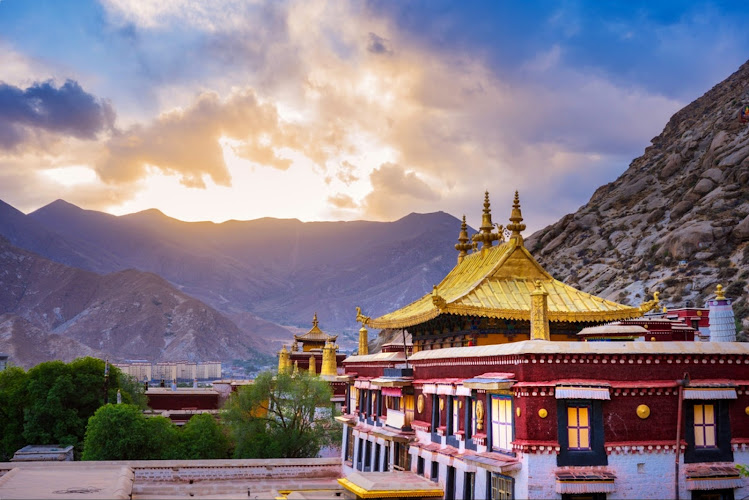
Sera Monastery
About Sera Monastery
Description
Sera Monastery has stood since 1419, and you can feel that weight of history the moment you step through its gates. Spread across 28 acres, it’s not just another stop on a Tibet itinerary—it’s a living, breathing place where monks still gather, debate, and practice rituals that have carried on for centuries. The monastery is part of the Gelug school of Tibetan Buddhism, and its architecture, paintings, and sculptures tell stories that go far beyond words. Some travelers find themselves overwhelmed by the crowds, while others are moved to silence by the chanting echoing through the halls. Honestly, I think it depends on your mood that day. But one thing is certain: there’s a raw, authentic energy here that’s hard to shake off once you’ve felt it.
The monastery is also famous for its debating sessions, which might sound academic and dry at first, but they’re anything but boring. Picture monks in crimson robes clapping their hands sharply as they challenge each other’s ideas about philosophy and Buddhist teachings—it’s lively, almost theatrical. Some visitors describe it as mesmerizing, while others say it feels a bit chaotic. Personally, I found myself smiling the whole time. It reminded me of heated debates with friends in college, except here the stakes were spiritual enlightenment rather than who owed the next round of coffee.
Art lovers will find plenty to admire too. The monastery’s walls are lined with thangkas (traditional Tibetan paintings), statues of deities, and intricate murals that feel like stepping into another world. Sure, some of the paint has faded with time, but I’d argue that’s part of the charm—it’s history you can see and touch. And if you’re lucky enough to visit during one of the festivals, the entire place transforms into a whirlwind of color, chanting, and ritual that you’ll carry in your memory long after you’ve left.
Key Features
- Historic Tibetan Buddhist monastery established in 1419
- Spans 28 acres with multiple chapels, courtyards, and living quarters
- Renowned daily monk debates that attract travelers worldwide
- Rich collection of thangkas, murals, and statues inside the halls
- Annual festivals showcasing Tibetan culture and Buddhist traditions
- Accessible amenities including restrooms on-site
Best Time to Visit
Timing matters here. The best months are generally from May to October, when the weather in Lhasa is more forgiving. Winters can be brutally cold, and while that might mean fewer tourists, it also means you’ll be bundled up so tightly you might not enjoy lingering in the courtyards. If you want to catch the famous debating sessions, plan to arrive in the afternoon—usually around 3 pm is when things start heating up. I’d also suggest checking the local calendar for festivals; being part of one is like stepping into a whole different dimension of Tibetan culture. Just keep in mind, festival days can get crowded, and you might need a little patience to soak it all in.
How to Get There
Sera Monastery sits just a short distance from central Lhasa, making it one of the more accessible monasteries for travelers. Most visitors either take a taxi or arrange transport through a local tour operator. Walking is possible if you’re staying nearby, but keep in mind the altitude—over 3,600 meters above sea level can make even a short uphill stroll feel like a workout. Personally, I underestimated this the first time and ended up huffing and puffing like I’d just run a marathon. My advice? Don’t rush, take your time, and let your body adjust. If you’re already exploring other monasteries like Drepung or Jokhang, it’s easy to add Sera into your day’s itinerary since they’re all within reach of one another.
Tips for Visiting
First, prepare for the altitude. Drink plenty of water, pace yourself, and don’t be embarrassed if you need to pause to catch your breath. It happens to everyone. Second, respect the local customs. Photography is restricted in certain areas, especially inside temples, so always ask before snapping away. And even if you’re not particularly religious, remember this is an active place of worship—keep your voice low and your behavior mindful.
If you’re curious about the debates, arrive early to grab a good spot in the courtyard. They can get crowded, and it’s much more enjoyable when you can actually see the monks’ gestures and hear their voices clearly. Comfortable shoes are a must, since you’ll be walking across uneven stone paths. And don’t forget sunscreen—yes, even if it’s chilly. The sun at high altitude is no joke. I learned this the hard way when I left with a bright red nose that looked like I’d been skiing all day.
Lastly, give yourself time. Too many travelers rush through Sera Monastery as if it’s just another box to tick off. But if you linger, maybe sit quietly in one of the courtyards or watch the monks go about their daily routines, you’ll catch moments that feel incredibly personal. That’s the real magic of this place—it’s not just about what you see, but how it makes you feel.
Key Features
- Historic Tibetan Buddhist monastery established in 1419
- Spans 28 acres with multiple chapels, courtyards, and living quarters
- Renowned daily monk debates that attract travelers worldwide
- Rich collection of thangkas, murals, and statues inside the halls
- Annual festivals showcasing Tibetan culture and Buddhist traditions
- Accessible amenities including restrooms on-site
More Details
Updated September 30, 2025
Table of Contents
Description
Sera Monastery has stood since 1419, and you can feel that weight of history the moment you step through its gates. Spread across 28 acres, it’s not just another stop on a Tibet itinerary—it’s a living, breathing place where monks still gather, debate, and practice rituals that have carried on for centuries. The monastery is part of the Gelug school of Tibetan Buddhism, and its architecture, paintings, and sculptures tell stories that go far beyond words. Some travelers find themselves overwhelmed by the crowds, while others are moved to silence by the chanting echoing through the halls. Honestly, I think it depends on your mood that day. But one thing is certain: there’s a raw, authentic energy here that’s hard to shake off once you’ve felt it.
The monastery is also famous for its debating sessions, which might sound academic and dry at first, but they’re anything but boring. Picture monks in crimson robes clapping their hands sharply as they challenge each other’s ideas about philosophy and Buddhist teachings—it’s lively, almost theatrical. Some visitors describe it as mesmerizing, while others say it feels a bit chaotic. Personally, I found myself smiling the whole time. It reminded me of heated debates with friends in college, except here the stakes were spiritual enlightenment rather than who owed the next round of coffee.
Art lovers will find plenty to admire too. The monastery’s walls are lined with thangkas (traditional Tibetan paintings), statues of deities, and intricate murals that feel like stepping into another world. Sure, some of the paint has faded with time, but I’d argue that’s part of the charm—it’s history you can see and touch. And if you’re lucky enough to visit during one of the festivals, the entire place transforms into a whirlwind of color, chanting, and ritual that you’ll carry in your memory long after you’ve left.
Key Features
- Historic Tibetan Buddhist monastery established in 1419
- Spans 28 acres with multiple chapels, courtyards, and living quarters
- Renowned daily monk debates that attract travelers worldwide
- Rich collection of thangkas, murals, and statues inside the halls
- Annual festivals showcasing Tibetan culture and Buddhist traditions
- Accessible amenities including restrooms on-site
Best Time to Visit
Timing matters here. The best months are generally from May to October, when the weather in Lhasa is more forgiving. Winters can be brutally cold, and while that might mean fewer tourists, it also means you’ll be bundled up so tightly you might not enjoy lingering in the courtyards. If you want to catch the famous debating sessions, plan to arrive in the afternoon—usually around 3 pm is when things start heating up. I’d also suggest checking the local calendar for festivals; being part of one is like stepping into a whole different dimension of Tibetan culture. Just keep in mind, festival days can get crowded, and you might need a little patience to soak it all in.
How to Get There
Sera Monastery sits just a short distance from central Lhasa, making it one of the more accessible monasteries for travelers. Most visitors either take a taxi or arrange transport through a local tour operator. Walking is possible if you’re staying nearby, but keep in mind the altitude—over 3,600 meters above sea level can make even a short uphill stroll feel like a workout. Personally, I underestimated this the first time and ended up huffing and puffing like I’d just run a marathon. My advice? Don’t rush, take your time, and let your body adjust. If you’re already exploring other monasteries like Drepung or Jokhang, it’s easy to add Sera into your day’s itinerary since they’re all within reach of one another.
Tips for Visiting
First, prepare for the altitude. Drink plenty of water, pace yourself, and don’t be embarrassed if you need to pause to catch your breath. It happens to everyone. Second, respect the local customs. Photography is restricted in certain areas, especially inside temples, so always ask before snapping away. And even if you’re not particularly religious, remember this is an active place of worship—keep your voice low and your behavior mindful.
If you’re curious about the debates, arrive early to grab a good spot in the courtyard. They can get crowded, and it’s much more enjoyable when you can actually see the monks’ gestures and hear their voices clearly. Comfortable shoes are a must, since you’ll be walking across uneven stone paths. And don’t forget sunscreen—yes, even if it’s chilly. The sun at high altitude is no joke. I learned this the hard way when I left with a bright red nose that looked like I’d been skiing all day.
Lastly, give yourself time. Too many travelers rush through Sera Monastery as if it’s just another box to tick off. But if you linger, maybe sit quietly in one of the courtyards or watch the monks go about their daily routines, you’ll catch moments that feel incredibly personal. That’s the real magic of this place—it’s not just about what you see, but how it makes you feel.
Key Highlights
- Historic Tibetan Buddhist monastery established in 1419
- Spans 28 acres with multiple chapels, courtyards, and living quarters
- Renowned daily monk debates that attract travelers worldwide
- Rich collection of thangkas, murals, and statues inside the halls
- Annual festivals showcasing Tibetan culture and Buddhist traditions
- Accessible amenities including restrooms on-site
Location
Places to Stay Near Sera Monastery
Find and Book a Tour
Explore More Travel Guides
No reviews found! Be the first to review!
Traveler Reviews for Sera Monastery
There are no reviews yet. Be the first one to write one.
Have you visited Sera Monastery? Help other travelers by sharing your review.
You Might Also Like
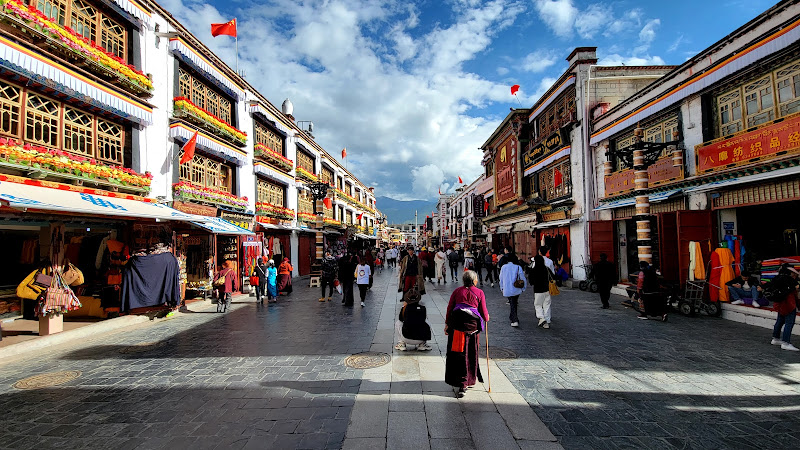
Bakuo Residential District

Lalu Wetlands National Nature Preserve
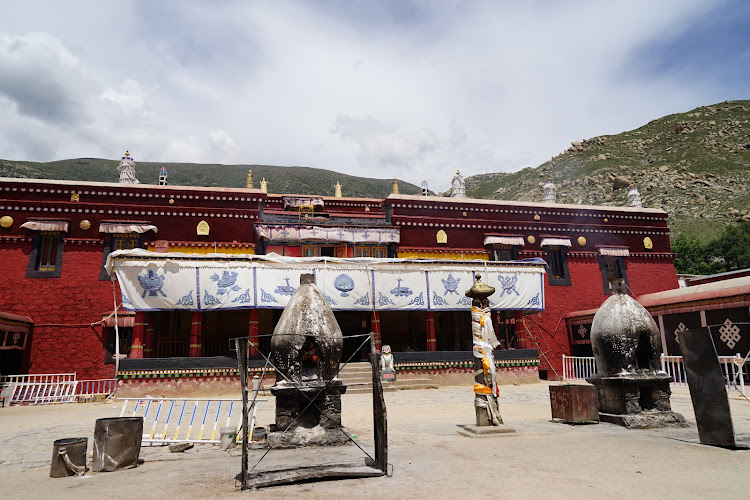
Nechung
Find Accommodations Nearby
Recommended Tours & Activities
Visitor Reviews
There are no reviews yet. Be the first one to write one.
Share Your Experience
Have you visited Sera Monastery? Help other travelers by leaving a review.