
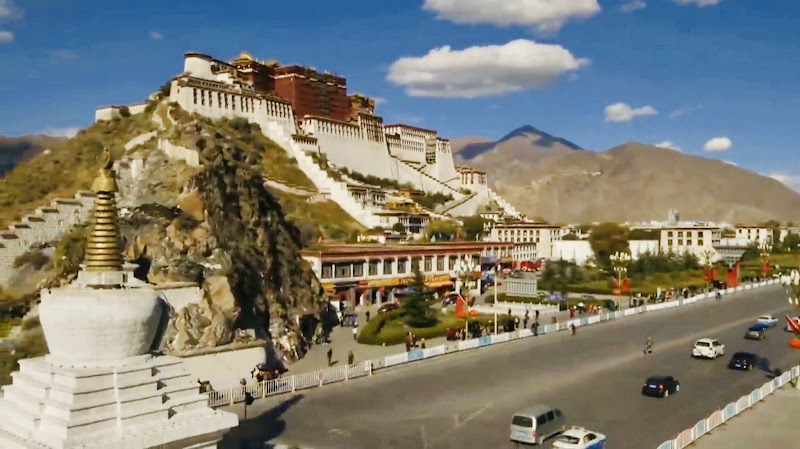
Lhasa
About Lhasa
Description
Lhasa, the capital of Tibet, is one of those places that feels more like an experience than just a destination. Sitting high up in the Himalayas at over 3,600 meters above sea level, the city has long been a spiritual and cultural heart of Tibetan life. It’s often described as a place where ancient traditions still breathe in everyday life, and honestly, I’d agree. Walking through its streets, you’ll see monks in crimson robes, pilgrims circling sacred sites, and the Potala Palace rising like something out of a dream. At the same time, Lhasa is a living city—markets buzz, families share tea, and kids run through narrow alleys. It’s a mix of serenity and energy that’s hard to put into words.
That said, not everything is perfect. The altitude can be tough, and the pace of development sometimes feels at odds with the city’s quieter, spiritual side. But if you’re willing to embrace both the challenges and the beauty, Lhasa rewards you with moments you’ll carry for a lifetime. I still remember sipping yak butter tea in a tiny teahouse, not quite loving the taste but loving the moment—it’s those small, unexpected experiences that make Lhasa unforgettable.
Key Features
- Potala Palace: Once the winter residence of the Dalai Lama, it’s an architectural wonder with over a thousand rooms, chapels, and endless staircases.
- Jokhang Temple: Considered the most sacred temple in Tibet, it’s where pilgrims prostrate themselves outside day and night.
- Barkhor Street: A lively circuit around Jokhang Temple, lined with shops, prayer wheels, and endless people-watching opportunities.
- Altitude: At 3,656 meters, the thin air is part of the experience—challenging, but it adds to the sense of being somewhere extraordinary.
- Cultural Blend: A mix of Tibetan traditions, Buddhist spirituality, and modern Chinese influence, all visible in food, architecture, and daily life.
Best Time to Visit
If you ask me, late spring to early autumn is the sweet spot for visiting Lhasa. From May to October, the weather is relatively mild, with blue skies that feel almost unreal against the snow-capped mountains. July and August are the busiest months, especially with domestic travelers, so if you prefer a quieter vibe, May, June, or September are ideal. Winter can be bitterly cold, but it also means fewer crowds and a more intimate experience—you’ll see more locals going about their routines without the buzz of tourists. Personally, I loved visiting in September; the air was crisp, the skies clear, and the city felt calm but alive.
How to Get There
Getting to Lhasa isn’t as straightforward as hopping on a random flight, but that’s part of what makes arriving here feel so special. Most travelers fly into Lhasa Gonggar Airport, with connections available from major Chinese cities like Beijing, Chengdu, or Xi’an. The approach by air is breathtaking—you’re literally flying over the Himalayas. Another option, and one I’d recommend if you have time, is the Qinghai-Tibet Railway. It’s the world’s highest railway, and while the journey is long (think 20+ hours depending on where you start), the views of snow plains, mountains, and yak herds are unforgettable. Just keep in mind that permits are required for foreign travelers, so planning ahead with a registered tour operator is essential.
Tips for Visiting
First and foremost, give yourself time to acclimatize. The altitude is no joke, and rushing around on your first day can leave you dizzy or worse. Take it slow—sip tea, stroll gently, and let your body adjust. Speaking of tea, don’t skip trying yak butter tea, even if it’s an acquired taste. It’s part of the culture, and honestly, you’ll probably remember the moment more than the flavor.
Another tip: bring layers. The sun here is intense, but the evenings can be downright chilly. Sunscreen, sunglasses, and a good hat are must-haves. And while it’s tempting to snap photos everywhere, remember that some religious sites and locals prefer privacy. A smile and a respectful nod go a long way. I once hesitated to take out my camera at Jokhang Temple, and instead just watched the pilgrims—it ended up being one of the most moving parts of my trip.
Lastly, keep an open mind. Lhasa is a city of contrasts—sacred chants mixing with car horns, ancient monasteries alongside modern shops. Don’t expect it to be a frozen-in-time postcard. Instead, embrace the layers and let the city show you its rhythm. If you do, you’ll leave not just with photos, but with stories you’ll tell for years.
Key Features
- Key Features
- Best Time to Visit
- How to Get There
- Tips for Visiting
More Details
Updated September 30, 2025
Table of Contents
Description
Lhasa, the capital of Tibet, is one of those places that feels more like an experience than just a destination. Sitting high up in the Himalayas at over 3,600 meters above sea level, the city has long been a spiritual and cultural heart of Tibetan life. It’s often described as a place where ancient traditions still breathe in everyday life, and honestly, I’d agree. Walking through its streets, you’ll see monks in crimson robes, pilgrims circling sacred sites, and the Potala Palace rising like something out of a dream. At the same time, Lhasa is a living city—markets buzz, families share tea, and kids run through narrow alleys. It’s a mix of serenity and energy that’s hard to put into words.
That said, not everything is perfect. The altitude can be tough, and the pace of development sometimes feels at odds with the city’s quieter, spiritual side. But if you’re willing to embrace both the challenges and the beauty, Lhasa rewards you with moments you’ll carry for a lifetime. I still remember sipping yak butter tea in a tiny teahouse, not quite loving the taste but loving the moment—it’s those small, unexpected experiences that make Lhasa unforgettable.
Key Features
- Potala Palace: Once the winter residence of the Dalai Lama, it’s an architectural wonder with over a thousand rooms, chapels, and endless staircases.
- Jokhang Temple: Considered the most sacred temple in Tibet, it’s where pilgrims prostrate themselves outside day and night.
- Barkhor Street: A lively circuit around Jokhang Temple, lined with shops, prayer wheels, and endless people-watching opportunities.
- Altitude: At 3,656 meters, the thin air is part of the experience—challenging, but it adds to the sense of being somewhere extraordinary.
- Cultural Blend: A mix of Tibetan traditions, Buddhist spirituality, and modern Chinese influence, all visible in food, architecture, and daily life.
Best Time to Visit
If you ask me, late spring to early autumn is the sweet spot for visiting Lhasa. From May to October, the weather is relatively mild, with blue skies that feel almost unreal against the snow-capped mountains. July and August are the busiest months, especially with domestic travelers, so if you prefer a quieter vibe, May, June, or September are ideal. Winter can be bitterly cold, but it also means fewer crowds and a more intimate experience—you’ll see more locals going about their routines without the buzz of tourists. Personally, I loved visiting in September; the air was crisp, the skies clear, and the city felt calm but alive.
How to Get There
Getting to Lhasa isn’t as straightforward as hopping on a random flight, but that’s part of what makes arriving here feel so special. Most travelers fly into Lhasa Gonggar Airport, with connections available from major Chinese cities like Beijing, Chengdu, or Xi’an. The approach by air is breathtaking—you’re literally flying over the Himalayas. Another option, and one I’d recommend if you have time, is the Qinghai-Tibet Railway. It’s the world’s highest railway, and while the journey is long (think 20+ hours depending on where you start), the views of snow plains, mountains, and yak herds are unforgettable. Just keep in mind that permits are required for foreign travelers, so planning ahead with a registered tour operator is essential.
Tips for Visiting
First and foremost, give yourself time to acclimatize. The altitude is no joke, and rushing around on your first day can leave you dizzy or worse. Take it slow—sip tea, stroll gently, and let your body adjust. Speaking of tea, don’t skip trying yak butter tea, even if it’s an acquired taste. It’s part of the culture, and honestly, you’ll probably remember the moment more than the flavor.
Another tip: bring layers. The sun here is intense, but the evenings can be downright chilly. Sunscreen, sunglasses, and a good hat are must-haves. And while it’s tempting to snap photos everywhere, remember that some religious sites and locals prefer privacy. A smile and a respectful nod go a long way. I once hesitated to take out my camera at Jokhang Temple, and instead just watched the pilgrims—it ended up being one of the most moving parts of my trip.
Lastly, keep an open mind. Lhasa is a city of contrasts—sacred chants mixing with car horns, ancient monasteries alongside modern shops. Don’t expect it to be a frozen-in-time postcard. Instead, embrace the layers and let the city show you its rhythm. If you do, you’ll leave not just with photos, but with stories you’ll tell for years.
Key Highlights
- Key Features
- Best Time to Visit
- How to Get There
- Tips for Visiting
Location
Places to Stay Near Lhasa
Find and Book a Tour
Explore More Travel Guides
No reviews found! Be the first to review!
Traveler Reviews for Lhasa
There are no reviews yet. Be the first one to write one.
Have you visited Lhasa? Help other travelers by sharing your review.
You Might Also Like

Lalu Wetlands National Nature Preserve
850030

Tibet Museum
Find Accommodations Nearby
Recommended Tours & Activities
Visitor Reviews
There are no reviews yet. Be the first one to write one.
Share Your Experience
Have you visited Lhasa? Help other travelers by leaving a review.