
Chimpu Caves
About Chimpu Caves
Description
The Chimpu Caves are one of those places that don’t quite fit neatly into a guidebook description. Tucked away in the hills outside Lhasa, they’re not flashy or polished like some of the more famous monasteries in Tibet, but that’s exactly what makes them special. These caves have been used for centuries by monks and hermits for meditation and retreat, and when you stand there, surrounded by the quiet hum of wind and the faint smell of juniper smoke, you can almost feel the weight of all those years of devotion.
It’s not the kind of spot where you’ll find big crowds or endless souvenir stalls. Honestly, that’s part of the charm. Some travelers absolutely love the raw, spiritual atmosphere here, while others might find it a little too rugged or remote for their taste. Personally, I think that’s what makes visiting worthwhile—you get a glimpse of Tibetan Buddhism in its most authentic, almost untouched form. The caves aren’t perfectly maintained, and you may see chipped walls or uneven pathways, but that imperfection adds to the sense of history.
I remember the first time I hiked up there, my legs were burning from the climb, and I almost turned back. But when I finally reached the caves, there was this incredible silence, broken only by the chanting of a single monk inside one of the darker chambers. It’s one of those travel moments that sticks with you, not because it was comfortable or easy, but because it felt real. That’s the essence of Chimpu—raw, spiritual, and quietly powerful.
Key Features
- Over a hundred meditation caves scattered across the hillside, many still in use today
- Small chapels and hermitages with centuries-old murals and relics
- Peaceful hiking trails with sweeping views of the surrounding valleys
- An active nunnery nearby where visitors can observe daily rituals
- Atmosphere of solitude and spiritual retreat, far from the bustle of Lhasa
Best Time to Visit
The best time to visit Chimpu Caves is generally from May to October, when the weather in Tibet is at its most forgiving. Summer brings clearer skies and more comfortable temperatures for hiking, though you’ll still want to pack layers because the mountain air can turn chilly fast. Spring and early autumn are also beautiful, with fewer travelers on the trails and a softer light that makes the whole valley glow. Winter is possible if you’re prepared for the cold, but the paths can be icy and the journey less pleasant for those not used to high-altitude conditions.
Personally, I’d say late September is magical—crisp air, golden hillsides, and that sense of quiet before winter sets in. Just keep in mind that Tibet’s weather has a mind of its own, so flexibility is key.
How to Get There
Reaching Chimpu Caves usually involves a drive from Lhasa followed by a bit of a climb. The drive itself is scenic, winding through valleys that already start to set the mood for something sacred. Once you arrive near the base, the hike up isn’t too long, but it can be steep in parts, especially at high altitude. Don’t rush it—take your time, catch your breath, and enjoy the views along the way.
If you’re not used to hiking at elevation, it’s smart to spend a few days in Lhasa first to acclimatize. Some travelers hire local guides or drivers, which can be helpful not just for convenience, but also for the stories and context they share along the way.
Tips for Visiting
Visiting Chimpu Caves isn’t like popping into a museum—it’s more of an experience that asks something from you. Here are a few things I’ve learned (sometimes the hard way) that can make your visit smoother:
- Bring water and snacks: There aren’t shops once you start the hike, and trust me, you’ll want a sip of water after the climb.
- Dress respectfully: This is an active spiritual site. Modest clothing is appreciated, and it also helps with the sun and wind.
- Go slow: The altitude can sneak up on you. Take breaks, breathe deeply, and don’t be shy about resting.
- Carry a flashlight: Some caves are dimly lit, and a small torch helps you appreciate the murals and carvings without stumbling around.
- Respect the silence: You might encounter monks or nuns in meditation. A quiet presence keeps the atmosphere intact.
- Stay curious but mindful: Ask questions if you have a guide, but remember this isn’t just history—it’s living tradition.
And one last tip from me: don’t rush. It’s tempting to tick off another “attraction” and move on, but Chimpu rewards those who linger. Sit on a rock, listen to the wind, and let the stillness sink in. It might just be the most memorable part of your trip.
Key Features
- Over a hundred meditation caves scattered across the hillside, many still in use today
- Small chapels and hermitages with centuries-old murals and relics
- Peaceful hiking trails with sweeping views of the surrounding valleys
- An active nunnery nearby where visitors can observe daily rituals
- Atmosphere of solitude and spiritual retreat, far from the bustle of Lhasa
More Details
Updated September 30, 2025
Table of Contents
Description
The Chimpu Caves are one of those places that don’t quite fit neatly into a guidebook description. Tucked away in the hills outside Lhasa, they’re not flashy or polished like some of the more famous monasteries in Tibet, but that’s exactly what makes them special. These caves have been used for centuries by monks and hermits for meditation and retreat, and when you stand there, surrounded by the quiet hum of wind and the faint smell of juniper smoke, you can almost feel the weight of all those years of devotion.
It’s not the kind of spot where you’ll find big crowds or endless souvenir stalls. Honestly, that’s part of the charm. Some travelers absolutely love the raw, spiritual atmosphere here, while others might find it a little too rugged or remote for their taste. Personally, I think that’s what makes visiting worthwhile—you get a glimpse of Tibetan Buddhism in its most authentic, almost untouched form. The caves aren’t perfectly maintained, and you may see chipped walls or uneven pathways, but that imperfection adds to the sense of history.
I remember the first time I hiked up there, my legs were burning from the climb, and I almost turned back. But when I finally reached the caves, there was this incredible silence, broken only by the chanting of a single monk inside one of the darker chambers. It’s one of those travel moments that sticks with you, not because it was comfortable or easy, but because it felt real. That’s the essence of Chimpu—raw, spiritual, and quietly powerful.
Key Features
- Over a hundred meditation caves scattered across the hillside, many still in use today
- Small chapels and hermitages with centuries-old murals and relics
- Peaceful hiking trails with sweeping views of the surrounding valleys
- An active nunnery nearby where visitors can observe daily rituals
- Atmosphere of solitude and spiritual retreat, far from the bustle of Lhasa
Best Time to Visit
The best time to visit Chimpu Caves is generally from May to October, when the weather in Tibet is at its most forgiving. Summer brings clearer skies and more comfortable temperatures for hiking, though you’ll still want to pack layers because the mountain air can turn chilly fast. Spring and early autumn are also beautiful, with fewer travelers on the trails and a softer light that makes the whole valley glow. Winter is possible if you’re prepared for the cold, but the paths can be icy and the journey less pleasant for those not used to high-altitude conditions.
Personally, I’d say late September is magical—crisp air, golden hillsides, and that sense of quiet before winter sets in. Just keep in mind that Tibet’s weather has a mind of its own, so flexibility is key.
How to Get There
Reaching Chimpu Caves usually involves a drive from Lhasa followed by a bit of a climb. The drive itself is scenic, winding through valleys that already start to set the mood for something sacred. Once you arrive near the base, the hike up isn’t too long, but it can be steep in parts, especially at high altitude. Don’t rush it—take your time, catch your breath, and enjoy the views along the way.
If you’re not used to hiking at elevation, it’s smart to spend a few days in Lhasa first to acclimatize. Some travelers hire local guides or drivers, which can be helpful not just for convenience, but also for the stories and context they share along the way.
Tips for Visiting
Visiting Chimpu Caves isn’t like popping into a museum—it’s more of an experience that asks something from you. Here are a few things I’ve learned (sometimes the hard way) that can make your visit smoother:
- Bring water and snacks: There aren’t shops once you start the hike, and trust me, you’ll want a sip of water after the climb.
- Dress respectfully: This is an active spiritual site. Modest clothing is appreciated, and it also helps with the sun and wind.
- Go slow: The altitude can sneak up on you. Take breaks, breathe deeply, and don’t be shy about resting.
- Carry a flashlight: Some caves are dimly lit, and a small torch helps you appreciate the murals and carvings without stumbling around.
- Respect the silence: You might encounter monks or nuns in meditation. A quiet presence keeps the atmosphere intact.
- Stay curious but mindful: Ask questions if you have a guide, but remember this isn’t just history—it’s living tradition.
And one last tip from me: don’t rush. It’s tempting to tick off another “attraction” and move on, but Chimpu rewards those who linger. Sit on a rock, listen to the wind, and let the stillness sink in. It might just be the most memorable part of your trip.
Key Highlights
- Over a hundred meditation caves scattered across the hillside, many still in use today
- Small chapels and hermitages with centuries-old murals and relics
- Peaceful hiking trails with sweeping views of the surrounding valleys
- An active nunnery nearby where visitors can observe daily rituals
- Atmosphere of solitude and spiritual retreat, far from the bustle of Lhasa
Location
Places to Stay Near Chimpu Caves
Find and Book a Tour
Explore More Travel Guides
No reviews found! Be the first to review!
Traveler Reviews for Chimpu Caves
There are no reviews yet. Be the first one to write one.
Have you visited Chimpu Caves? Help other travelers by sharing your review.
You Might Also Like
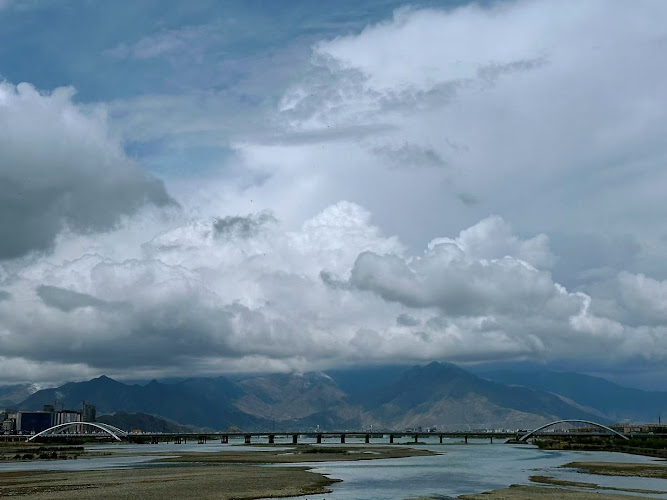
Lhasa River Water Cons. Scenic Spot
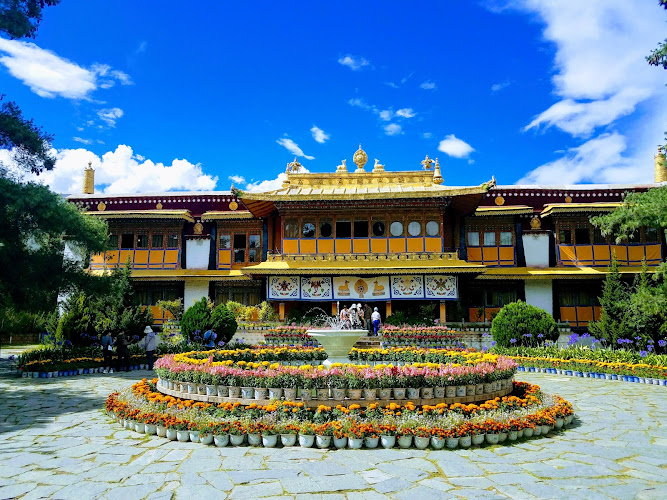
Norbulingka
850030
Find Accommodations Nearby
Recommended Tours & Activities
Visitor Reviews
There are no reviews yet. Be the first one to write one.
Share Your Experience
Have you visited Chimpu Caves? Help other travelers by leaving a review.