
Norbulingka
About Norbulingka
Description
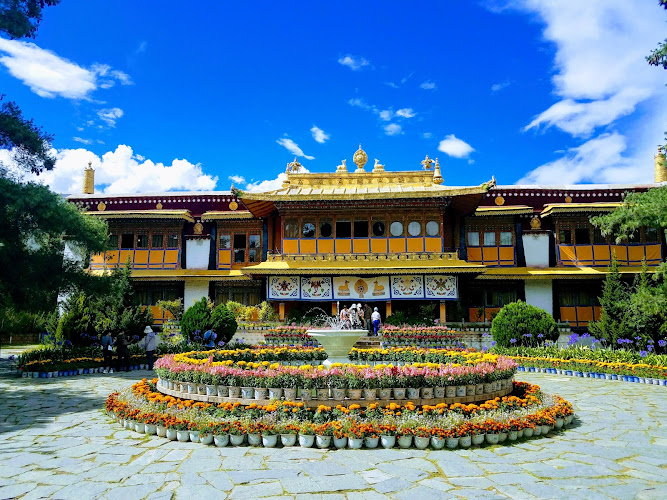
Norbulingka is more than just a palace and garden—it’s a living piece of Tibetan history. Built in 1755, this sprawling complex once served as the summer residence of the Dalai Lamas, offering both a retreat from the bustle of Lhasa and a sacred space for rituals, ceremonies, and quiet contemplation. With over 374 rooms and the largest manmade garden in Tibet, it’s a place where architecture, spirituality, and nature all weave together into something unforgettable.
Walking through Norbulingka, you’ll notice how it feels both grand and personal at the same time. The painted halls, intricate murals, and carefully designed courtyards reflect centuries of Tibetan artistry and devotion. Yet the gardens, with their shaded willow trees, ponds, and flowerbeds, invite you to slow down, breathe deeply, and simply enjoy the moment. It’s not perfect—some areas show their age, and depending on the season, the gardens can feel a bit quieter than expected—but that’s part of its charm. The palace doesn’t try to dazzle in a flashy way; it whispers stories of the past if you take the time to listen.
Key Features
- A 374-room palace complex that once housed the Dalai Lamas during the summer months
- The largest artificial garden in Tibet, blending Tibetan, Han, and other cultural influences
- Stunning murals and frescoes depicting Tibetan Buddhist teachings and history
- Peaceful ponds, willow-lined paths, and shaded courtyards perfect for strolling
- Annual Shoton Festival celebrations, with Tibetan opera performances and gatherings
- Wheelchair-accessible entrances and parking, making it easier for all visitors to explore
- Family-friendly environment where children can enjoy open spaces and colorful gardens
Best Time to Visit
If you’re planning a trip, timing makes all the difference. Spring and summer (April to September) are ideal because the gardens are in full bloom, and the weather is generally mild and pleasant. During the Shoton Festival in August, the palace grounds come alive with opera performances, picnics, and a festive atmosphere that’s unlike anything else in Tibet. Personally, I’d avoid the cold winter months unless you’re comfortable with crisp mountain air and quieter surroundings. The palace remains beautiful year-round, but the gardens really shine when the flowers and greenery are at their peak.
How to Get There
Reaching Norbulingka is relatively straightforward once you’re in Lhasa. It’s located a short distance from the city center, so you can hop in a taxi or even walk if you’re staying nearby. Public buses also stop close to the entrance, which is handy if you’re trying to travel on a budget. For those who prefer a bit more comfort, hiring a local guide and driver can make the journey easier and more informative, since you’ll get stories and insights along the way. Just keep in mind that Lhasa sits at a high altitude, so take it slow when you first arrive in the city before heading out exploring.
Tips for Visiting
Here are a few things I’ve learned (sometimes the hard way) that might help you make the most of your visit:
- Take your time: Don’t rush through the palace rooms—each one has details worth noticing, from wall paintings to small artifacts.
- Hydrate and rest: The altitude in Lhasa can sneak up on you. Bring water, walk slowly, and give yourself breaks in the shaded gardens.
- Photography etiquette: Some areas allow photos, others don’t. Always check the signs or ask politely before snapping away.
- Festival season: If you’re here during the Shoton Festival, expect larger crowds, but also a much richer cultural experience.
- Accessibility: The palace has wheelchair-friendly entrances and parking, but some older sections may still be tricky to navigate.
- Payments: Credit and debit cards are generally accepted, though having some cash on hand is always smart in Tibet.
- Travel with kids: The open gardens are great for children to run around safely, though keep an eye on little ones near ponds and water features.
At the end of the day, Norbulingka isn’t just another tourist stop—it’s a place where history, religion, and everyday life once intertwined. Some visitors walk away enchanted, others a little underwhelmed if they were expecting a flashy palace. But if you go in with curiosity, a bit of patience, and an open heart, you’ll find it’s one of those rare places that leaves a quiet, lasting impression long after you’ve left Tibet.
Key Features
- A 374-room palace complex that once housed the Dalai Lamas during the summer months
- The largest artificial garden in Tibet, blending Tibetan, Han, and other cultural influences
- Stunning murals and frescoes depicting Tibetan Buddhist teachings and history
- Peaceful ponds, willow-lined paths, and shaded courtyards perfect for strolling
- Annual Shoton Festival celebrations, with Tibetan opera performances and gatherings
- Wheelchair-accessible entrances and parking, making it easier for all visitors to explore
- Family-friendly environment where children can enjoy open spaces and colorful gardens
More Details
Updated September 30, 2025
Table of Contents
Description
Norbulingka is more than just a palace and garden—it’s a living piece of Tibetan history. Built in 1755, this sprawling complex once served as the summer residence of the Dalai Lamas, offering both a retreat from the bustle of Lhasa and a sacred space for rituals, ceremonies, and quiet contemplation. With over 374 rooms and the largest manmade garden in Tibet, it’s a place where architecture, spirituality, and nature all weave together into something unforgettable.
Walking through Norbulingka, you’ll notice how it feels both grand and personal at the same time. The painted halls, intricate murals, and carefully designed courtyards reflect centuries of Tibetan artistry and devotion. Yet the gardens, with their shaded willow trees, ponds, and flowerbeds, invite you to slow down, breathe deeply, and simply enjoy the moment. It’s not perfect—some areas show their age, and depending on the season, the gardens can feel a bit quieter than expected—but that’s part of its charm. The palace doesn’t try to dazzle in a flashy way; it whispers stories of the past if you take the time to listen.
Key Features
- A 374-room palace complex that once housed the Dalai Lamas during the summer months
- The largest artificial garden in Tibet, blending Tibetan, Han, and other cultural influences
- Stunning murals and frescoes depicting Tibetan Buddhist teachings and history
- Peaceful ponds, willow-lined paths, and shaded courtyards perfect for strolling
- Annual Shoton Festival celebrations, with Tibetan opera performances and gatherings
- Wheelchair-accessible entrances and parking, making it easier for all visitors to explore
- Family-friendly environment where children can enjoy open spaces and colorful gardens
Best Time to Visit
If you’re planning a trip, timing makes all the difference. Spring and summer (April to September) are ideal because the gardens are in full bloom, and the weather is generally mild and pleasant. During the Shoton Festival in August, the palace grounds come alive with opera performances, picnics, and a festive atmosphere that’s unlike anything else in Tibet. Personally, I’d avoid the cold winter months unless you’re comfortable with crisp mountain air and quieter surroundings. The palace remains beautiful year-round, but the gardens really shine when the flowers and greenery are at their peak.
How to Get There
Reaching Norbulingka is relatively straightforward once you’re in Lhasa. It’s located a short distance from the city center, so you can hop in a taxi or even walk if you’re staying nearby. Public buses also stop close to the entrance, which is handy if you’re trying to travel on a budget. For those who prefer a bit more comfort, hiring a local guide and driver can make the journey easier and more informative, since you’ll get stories and insights along the way. Just keep in mind that Lhasa sits at a high altitude, so take it slow when you first arrive in the city before heading out exploring.
Tips for Visiting
Here are a few things I’ve learned (sometimes the hard way) that might help you make the most of your visit:
- Take your time: Don’t rush through the palace rooms—each one has details worth noticing, from wall paintings to small artifacts.
- Hydrate and rest: The altitude in Lhasa can sneak up on you. Bring water, walk slowly, and give yourself breaks in the shaded gardens.
- Photography etiquette: Some areas allow photos, others don’t. Always check the signs or ask politely before snapping away.
- Festival season: If you’re here during the Shoton Festival, expect larger crowds, but also a much richer cultural experience.
- Accessibility: The palace has wheelchair-friendly entrances and parking, but some older sections may still be tricky to navigate.
- Payments: Credit and debit cards are generally accepted, though having some cash on hand is always smart in Tibet.
- Travel with kids: The open gardens are great for children to run around safely, though keep an eye on little ones near ponds and water features.
At the end of the day, Norbulingka isn’t just another tourist stop—it’s a place where history, religion, and everyday life once intertwined. Some visitors walk away enchanted, others a little underwhelmed if they were expecting a flashy palace. But if you go in with curiosity, a bit of patience, and an open heart, you’ll find it’s one of those rare places that leaves a quiet, lasting impression long after you’ve left Tibet.
Key Highlights
- A 374-room palace complex that once housed the Dalai Lamas during the summer months
- The largest artificial garden in Tibet, blending Tibetan, Han, and other cultural influences
- Stunning murals and frescoes depicting Tibetan Buddhist teachings and history
- Peaceful ponds, willow-lined paths, and shaded courtyards perfect for strolling
- Annual Shoton Festival celebrations, with Tibetan opera performances and gatherings
- Wheelchair-accessible entrances and parking, making it easier for all visitors to explore
- Family-friendly environment where children can enjoy open spaces and colorful gardens
Location
Places to Stay Near Norbulingka
Find and Book a Tour
Explore More Travel Guides
No reviews found! Be the first to review!
Traveler Reviews for Norbulingka
There are no reviews yet. Be the first one to write one.
Have you visited Norbulingka? Help other travelers by sharing your review.
You Might Also Like
Yerpa
Lhasa Education Park
Lhasa
Find Accommodations Nearby
Recommended Tours & Activities
Visitor Reviews
There are no reviews yet. Be the first one to write one.
Share Your Experience
Have you visited Norbulingka? Help other travelers by leaving a review.