
Yerpa
About Yerpa
Description
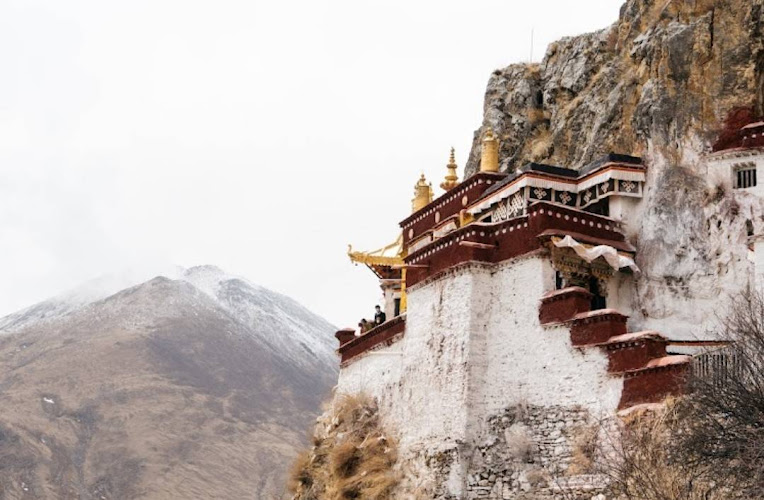
Yerpa, often called Drak Yerpa, is one of those places that feels more like a journey inward than just a sightseeing stop. Set high on the cliffs east of Lhasa, this ancient complex of meditation caves, shrines, and temples has been a spiritual retreat since the 7th century. The site is tied to King Songtsen Gampo and later revered by great Tibetan masters, which makes it not only historically important but also deeply spiritual. Walking up the winding paths, you’ll see whitewashed cave entrances peeking out of the rock face, prayer flags fluttering in the mountain air, and small chapels tucked into seemingly impossible places.
It’s not a polished or overly touristy attraction, and that’s part of its charm. The atmosphere is quiet, contemplative, and a little rugged. Some travelers describe it as one of the most moving experiences they’ve had in Tibet, while others find the steep climbs and thin air a bit challenging. Both views are fair, really—it’s a place that demands some effort but rewards you with sweeping views over the valley, a sense of timelessness, and a glimpse into the heart of Tibetan Buddhist practice. You don’t just visit Yerpa; you feel it.
Key Features
- Cliffside meditation caves used by monks and hermits for centuries
- Historic temples dating back to the 7th century
- Panoramic views over the Dagzê valley and distant mountains
- Strong connections to King Songtsen Gampo and Guru Padmasambhava
- Peaceful atmosphere away from the bustle of Lhasa
- Colorful prayer flags strung across cliffs and ridges
- Opportunities to observe local pilgrims circumambulating and chanting
Best Time to Visit
The best time to visit Yerpa is between May and October, when the weather is relatively mild and the trails are easier to navigate. Spring brings crisp skies and blooming wildflowers, while autumn offers golden landscapes and clearer mountain views. Summer is warmer but can be busier with local pilgrims. Winter, on the other hand, is harsh and icy—if you’re not accustomed to cold high-altitude conditions, it can be tough. Personally, I’d say late September is magical: the air is sharp but not freezing, the crowds thin out, and the light on the cliffs is just stunning.
How to Get There
Yerpa is about 16 kilometers from Lhasa, which makes it a manageable half-day trip. Most travelers arrange a car or join a guided tour since public transport doesn’t really reach the hermitage directly. The drive itself is scenic, winding through valleys with occasional glimpses of yak herders and small villages. Once you arrive at the base, be prepared for some walking and climbing—this isn’t a flat stroll. The altitude is around 4,885 meters, so even short hikes can feel like a workout. Take it slow, sip water often, and don’t be shy about pausing to catch your breath. The views make every step worth it.
Tips for Visiting
First off, don’t underestimate the altitude. If you’ve just landed in Lhasa, give yourself a couple of days to acclimatize before heading to Yerpa. I learned that the hard way—on my first visit, I rushed up too quickly and ended up with a pounding headache that lasted the whole day. Pace yourself and enjoy the journey.
Bring sturdy shoes, because the paths are uneven and sometimes slippery, especially if it’s rained. A light jacket is handy too, since the weather can change quickly in the mountains. And while there are restrooms on site, they’re basic, so carry tissues and hand sanitizer just in case.
Photography is generally allowed outside, but always be respectful around pilgrims and inside chapels. A smile and a small nod go a long way. If you’re traveling with kids, Yerpa can actually be a great experience—they’ll love the colorful prayer flags and the sense of adventure climbing up the caves. Just keep an eye on them near steep edges.
Most importantly, go with an open mind. Yerpa isn’t just about history or architecture—it’s about atmosphere. Sit quietly in one of the caves, listen to the wind, and you might just feel why this place has drawn seekers for more than a thousand years. It’s not flashy, but it’s unforgettable.
Key Features
- Cliffside meditation caves used by monks and hermits for centuries
- Historic temples dating back to the 7th century
- Panoramic views over the Dagzê valley and distant mountains
- Strong connections to King Songtsen Gampo and Guru Padmasambhava
- Peaceful atmosphere away from the bustle of Lhasa
- Colorful prayer flags strung across cliffs and ridges
- Opportunities to observe local pilgrims circumambulating and chanting
More Details
Updated September 30, 2025
Table of Contents
Description
Yerpa, often called Drak Yerpa, is one of those places that feels more like a journey inward than just a sightseeing stop. Set high on the cliffs east of Lhasa, this ancient complex of meditation caves, shrines, and temples has been a spiritual retreat since the 7th century. The site is tied to King Songtsen Gampo and later revered by great Tibetan masters, which makes it not only historically important but also deeply spiritual. Walking up the winding paths, you’ll see whitewashed cave entrances peeking out of the rock face, prayer flags fluttering in the mountain air, and small chapels tucked into seemingly impossible places.
It’s not a polished or overly touristy attraction, and that’s part of its charm. The atmosphere is quiet, contemplative, and a little rugged. Some travelers describe it as one of the most moving experiences they’ve had in Tibet, while others find the steep climbs and thin air a bit challenging. Both views are fair, really—it’s a place that demands some effort but rewards you with sweeping views over the valley, a sense of timelessness, and a glimpse into the heart of Tibetan Buddhist practice. You don’t just visit Yerpa; you feel it.
Key Features
- Cliffside meditation caves used by monks and hermits for centuries
- Historic temples dating back to the 7th century
- Panoramic views over the Dagzê valley and distant mountains
- Strong connections to King Songtsen Gampo and Guru Padmasambhava
- Peaceful atmosphere away from the bustle of Lhasa
- Colorful prayer flags strung across cliffs and ridges
- Opportunities to observe local pilgrims circumambulating and chanting
Best Time to Visit
The best time to visit Yerpa is between May and October, when the weather is relatively mild and the trails are easier to navigate. Spring brings crisp skies and blooming wildflowers, while autumn offers golden landscapes and clearer mountain views. Summer is warmer but can be busier with local pilgrims. Winter, on the other hand, is harsh and icy—if you’re not accustomed to cold high-altitude conditions, it can be tough. Personally, I’d say late September is magical: the air is sharp but not freezing, the crowds thin out, and the light on the cliffs is just stunning.
How to Get There
Yerpa is about 16 kilometers from Lhasa, which makes it a manageable half-day trip. Most travelers arrange a car or join a guided tour since public transport doesn’t really reach the hermitage directly. The drive itself is scenic, winding through valleys with occasional glimpses of yak herders and small villages. Once you arrive at the base, be prepared for some walking and climbing—this isn’t a flat stroll. The altitude is around 4,885 meters, so even short hikes can feel like a workout. Take it slow, sip water often, and don’t be shy about pausing to catch your breath. The views make every step worth it.
Tips for Visiting
First off, don’t underestimate the altitude. If you’ve just landed in Lhasa, give yourself a couple of days to acclimatize before heading to Yerpa. I learned that the hard way—on my first visit, I rushed up too quickly and ended up with a pounding headache that lasted the whole day. Pace yourself and enjoy the journey.
Bring sturdy shoes, because the paths are uneven and sometimes slippery, especially if it’s rained. A light jacket is handy too, since the weather can change quickly in the mountains. And while there are restrooms on site, they’re basic, so carry tissues and hand sanitizer just in case.
Photography is generally allowed outside, but always be respectful around pilgrims and inside chapels. A smile and a small nod go a long way. If you’re traveling with kids, Yerpa can actually be a great experience—they’ll love the colorful prayer flags and the sense of adventure climbing up the caves. Just keep an eye on them near steep edges.
Most importantly, go with an open mind. Yerpa isn’t just about history or architecture—it’s about atmosphere. Sit quietly in one of the caves, listen to the wind, and you might just feel why this place has drawn seekers for more than a thousand years. It’s not flashy, but it’s unforgettable.
Key Highlights
- Cliffside meditation caves used by monks and hermits for centuries
- Historic temples dating back to the 7th century
- Panoramic views over the Dagzê valley and distant mountains
- Strong connections to King Songtsen Gampo and Guru Padmasambhava
- Peaceful atmosphere away from the bustle of Lhasa
- Colorful prayer flags strung across cliffs and ridges
- Opportunities to observe local pilgrims circumambulating and chanting
Location
Places to Stay Near Yerpa
Find and Book a Tour
Explore More Travel Guides
No reviews found! Be the first to review!
Traveler Reviews for Yerpa
There are no reviews yet. Be the first one to write one.
Have you visited Yerpa? Help other travelers by sharing your review.
You Might Also Like
Chimpu Caves

Lhasa Great Mosque

Lalu Wetlands National Nature Preserve
Find Accommodations Nearby
Recommended Tours & Activities
Visitor Reviews
There are no reviews yet. Be the first one to write one.
Share Your Experience
Have you visited Yerpa? Help other travelers by leaving a review.