
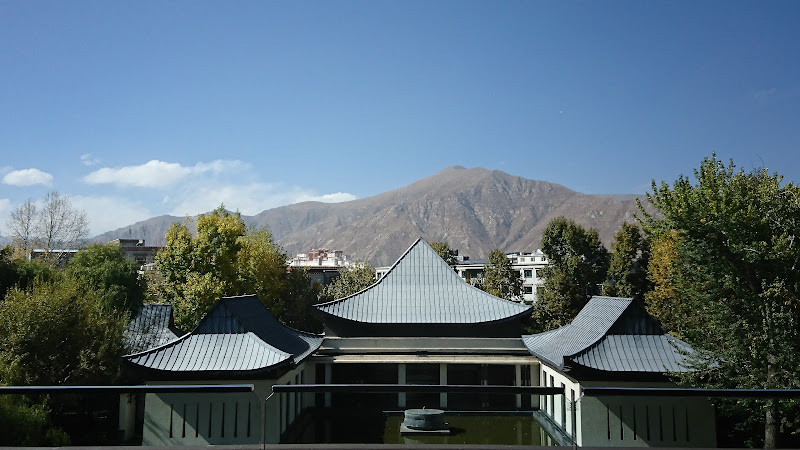
Lhasa Center
About Lhasa Center
Description
The Lhasa Center is one of those places that doesn’t scream for attention but quietly pulls you in with its character. It sits at the heart of the city, where the rhythm of daily life meets the curiosity of travelers. You’ll find a mix of modern touches alongside centuries-old traditions, and that contrast is what makes it so fascinating. Walking through the area, the sound of prayer wheels turning mixes with the chatter of locals bargaining for spices or textiles. It feels less like a staged tourist spot and more like a lived-in space where you can actually sense the pulse of Lhasa.
What struck me most was the atmosphere—it’s calm yet alive. I remember sitting on a small stone bench, watching monks in maroon robes cross paths with kids running after each other, and thinking, “this is the real Tibet.” It’s not polished or overly packaged, but that’s the charm. And yes, it’s clean, organized, and surprisingly welcoming, which isn’t always the case in busy city centers around the world.
For travelers, the Center works almost like a compass. You can branch out to explore nearby monasteries, markets, and tea houses, but you’ll always end up circling back here. It’s a landmark, sure, but it’s also a meeting point, a resting spot, and a cultural hub all rolled into one. If you’re curious about Tibetan life beyond the postcards, this is where you’ll want to spend some time.
Key Features
- Central gathering point for locals and travelers alike
- Blend of traditional Tibetan culture with modern city life
- Close proximity to historic monasteries and marketplaces
- Atmosphere that encourages slow exploration and people-watching
- Authentic Tibetan food stalls and tea houses nearby
- Safe and walkable area, even for first-time visitors
Best Time to Visit
Timing really shapes the experience here. Spring (April to June) is my personal favorite—the skies are clear, the air feels crisp, and the streets aren’t overcrowded. Autumn (September to October) is another sweet spot, with golden tones in the light that make the buildings and prayer flags look almost surreal. Summer can get busy with tour groups, and winter, while quieter, can be harsh if you’re not used to the altitude or the cold. If you want to feel the Center at its most alive, mornings are fantastic. Locals start their day early, and you’ll see processions of people making their rounds before the crowds build up.
How to Get There
Reaching the Lhasa Center is pretty straightforward once you’re in the city. Most visitors arrive in Lhasa either by train from major Chinese cities or by air through Lhasa Gonggar Airport. From the airport, it’s about an hour drive into the city, and taxis or pre-arranged transfers are the easiest options. If you’re already in Lhasa, walking is honestly the best way to approach it—you’ll stumble upon hidden shops and small shrines along the way. Public buses do run through the area, but they can be confusing if you don’t speak Tibetan or Mandarin. Personally, I prefer just wandering in on foot; the journey feels like part of the experience.
Tips for Visiting
First thing: pace yourself. Lhasa sits over 3,600 meters above sea level, and altitude sickness is no joke. Take it slow, drink water, and don’t push yourself too hard the first day. When you’re exploring the Center, keep in mind that it’s a living space, not just a tourist attraction. Be respectful when photographing people—ask first if possible. Also, carry some small cash. While some shops take cards, many tea houses and stalls still prefer cash, and it’s just easier.
Another tip: wear comfortable shoes. The streets are uneven in places, and you’ll likely be on your feet for hours. And don’t skip the food stalls. I once tried a bowl of thenthuk (hand-pulled noodle soup) from a tiny stand nearby, and it was easily one of the best meals I had in Tibet. Lastly, give yourself time. The Center isn’t about rushing from one sight to another—it’s about soaking in the atmosphere, chatting with locals, and letting the city reveal itself at its own pace.
Key Features
- Central gathering point for locals and travelers alike
- Blend of traditional Tibetan culture with modern city life
- Close proximity to historic monasteries and marketplaces
- Atmosphere that encourages slow exploration and people-watching
- Authentic Tibetan food stalls and tea houses nearby
- Safe and walkable area, even for first-time visitors
More Details
Updated September 30, 2025
Table of Contents
Description
The Lhasa Center is one of those places that doesn’t scream for attention but quietly pulls you in with its character. It sits at the heart of the city, where the rhythm of daily life meets the curiosity of travelers. You’ll find a mix of modern touches alongside centuries-old traditions, and that contrast is what makes it so fascinating. Walking through the area, the sound of prayer wheels turning mixes with the chatter of locals bargaining for spices or textiles. It feels less like a staged tourist spot and more like a lived-in space where you can actually sense the pulse of Lhasa.
What struck me most was the atmosphere—it’s calm yet alive. I remember sitting on a small stone bench, watching monks in maroon robes cross paths with kids running after each other, and thinking, “this is the real Tibet.” It’s not polished or overly packaged, but that’s the charm. And yes, it’s clean, organized, and surprisingly welcoming, which isn’t always the case in busy city centers around the world.
For travelers, the Center works almost like a compass. You can branch out to explore nearby monasteries, markets, and tea houses, but you’ll always end up circling back here. It’s a landmark, sure, but it’s also a meeting point, a resting spot, and a cultural hub all rolled into one. If you’re curious about Tibetan life beyond the postcards, this is where you’ll want to spend some time.
Key Features
- Central gathering point for locals and travelers alike
- Blend of traditional Tibetan culture with modern city life
- Close proximity to historic monasteries and marketplaces
- Atmosphere that encourages slow exploration and people-watching
- Authentic Tibetan food stalls and tea houses nearby
- Safe and walkable area, even for first-time visitors
Best Time to Visit
Timing really shapes the experience here. Spring (April to June) is my personal favorite—the skies are clear, the air feels crisp, and the streets aren’t overcrowded. Autumn (September to October) is another sweet spot, with golden tones in the light that make the buildings and prayer flags look almost surreal. Summer can get busy with tour groups, and winter, while quieter, can be harsh if you’re not used to the altitude or the cold. If you want to feel the Center at its most alive, mornings are fantastic. Locals start their day early, and you’ll see processions of people making their rounds before the crowds build up.
How to Get There
Reaching the Lhasa Center is pretty straightforward once you’re in the city. Most visitors arrive in Lhasa either by train from major Chinese cities or by air through Lhasa Gonggar Airport. From the airport, it’s about an hour drive into the city, and taxis or pre-arranged transfers are the easiest options. If you’re already in Lhasa, walking is honestly the best way to approach it—you’ll stumble upon hidden shops and small shrines along the way. Public buses do run through the area, but they can be confusing if you don’t speak Tibetan or Mandarin. Personally, I prefer just wandering in on foot; the journey feels like part of the experience.
Tips for Visiting
First thing: pace yourself. Lhasa sits over 3,600 meters above sea level, and altitude sickness is no joke. Take it slow, drink water, and don’t push yourself too hard the first day. When you’re exploring the Center, keep in mind that it’s a living space, not just a tourist attraction. Be respectful when photographing people—ask first if possible. Also, carry some small cash. While some shops take cards, many tea houses and stalls still prefer cash, and it’s just easier.
Another tip: wear comfortable shoes. The streets are uneven in places, and you’ll likely be on your feet for hours. And don’t skip the food stalls. I once tried a bowl of thenthuk (hand-pulled noodle soup) from a tiny stand nearby, and it was easily one of the best meals I had in Tibet. Lastly, give yourself time. The Center isn’t about rushing from one sight to another—it’s about soaking in the atmosphere, chatting with locals, and letting the city reveal itself at its own pace.
Key Highlights
- Central gathering point for locals and travelers alike
- Blend of traditional Tibetan culture with modern city life
- Close proximity to historic monasteries and marketplaces
- Atmosphere that encourages slow exploration and people-watching
- Authentic Tibetan food stalls and tea houses nearby
- Safe and walkable area, even for first-time visitors
Location
Places to Stay Near Lhasa Center
Find and Book a Tour
Explore More Travel Guides
No reviews found! Be the first to review!
Traveler Reviews for Lhasa Center
There are no reviews yet. Be the first one to write one.
Have you visited Lhasa Center? Help other travelers by sharing your review.
You Might Also Like
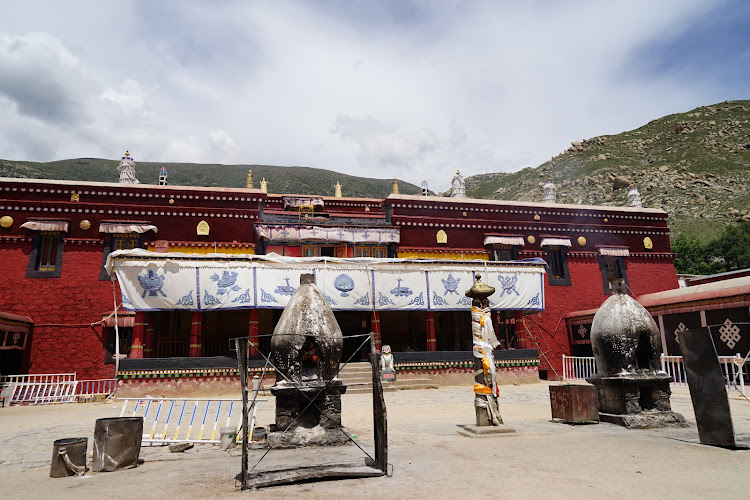
Nechung
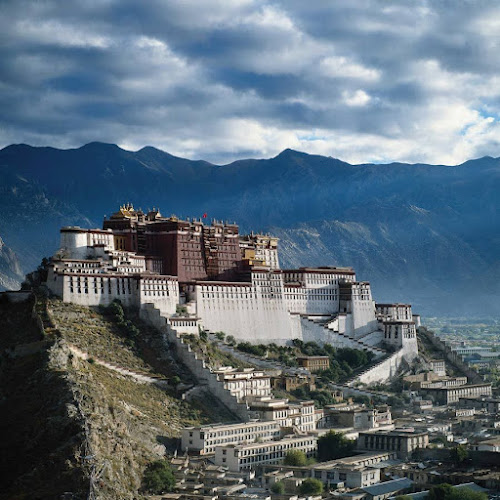
Potala Palace
Xianzu Island
Find Accommodations Nearby
Recommended Tours & Activities
Visitor Reviews
There are no reviews yet. Be the first one to write one.
Share Your Experience
Have you visited Lhasa Center? Help other travelers by leaving a review.