
Ganden Monastery
About Ganden Monastery
Description
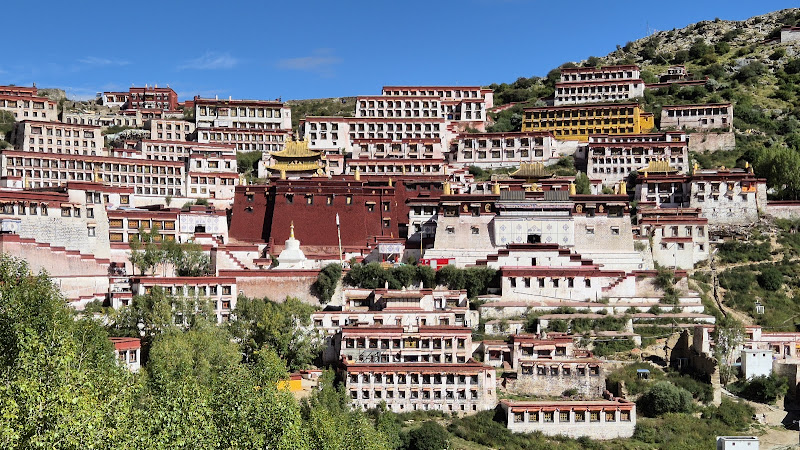
Ganden Monastery is one of those places that doesn’t just sit quietly on a map—it commands attention. Perched high on Wangbur Mountain, it gazes out across the Lhasa River valley with a kind of quiet dignity that makes you stop in your tracks. Founded in 1409 by Je Tsongkhapa, the great reformer and founder of the Gelug school of Tibetan Buddhism, it’s not just another monastery—it’s the original seat of the Gelug tradition. That alone makes it a pilgrimage site for countless devotees, but even if you’re not Buddhist, the atmosphere here is powerful. You feel it in the wind, in the chanting, and in the sheer scale of the complex clinging to the mountainside.
The monastery has seen its share of ups and downs—destruction in the late 1950s, partial rebuilding, and ongoing restoration—but walking through its halls today, you can still sense the centuries of devotion embedded in the walls. Some travelers describe it as peaceful, even life-changing, while others find the climb and altitude a bit challenging. That’s fair. At over 3,800 meters above sea level, just breathing can feel like a workout. But if you’re willing to take it slow, the reward is enormous: sweeping views, intricate murals, golden statues, and the unmistakable hum of history alive in the present.
Personally, I remember standing on the kora path—the circular pilgrimage route around the monastery—watching prayer flags flap against a cobalt sky. There was a group of elderly Tibetans walking beside me, spinning prayer wheels and smiling in that way that makes you feel both welcomed and humbled. It’s moments like that which stick with you long after you’ve left. Ganden isn’t polished or touristy in the way some attractions can be; it feels raw, authentic, and deeply alive.
Key Features
- Founded in 1409 by Je Tsongkhapa, making it the very first monastery of the Gelug school.
- Part of the “Great Three Monasteries” of Lhasa, alongside Sera and Drepung.
- Perched at 3,800 meters, offering panoramic views of the Lhasa River valley.
- Home to sacred relics, vibrant murals, and golden statues that reflect centuries of devotion.
- The Ganden Kora (pilgrimage circuit) provides a spiritual and scenic walking route around the monastery.
- Partially destroyed in the 20th century but now actively restored, blending old ruins with rebuilt halls.
- Atmosphere of living tradition, with monks still engaged in study, debate, and rituals.
- Accessible amenities for visitors, including restrooms, though facilities are basic.
Best Time to Visit
Timing your visit to Ganden Monastery makes a huge difference. Summer (June to September) is the most comfortable season, with warmer weather and lush hillsides, although rain showers can sneak in. The skies after a summer storm, though—absolutely breathtaking. If you’re into photography, this is the season where the light and colors really pop.
Spring and autumn are also great choices, with crisp air and fewer crowds. I personally like autumn best. The air feels sharper, cleaner somehow, and the golden light in late afternoon makes the monastery glow as if it’s lit from within. Winter, on the other hand, is harsh. The cold is biting, and the altitude feels even more unforgiving. But if you don’t mind braving the chill, you’ll find a quieter, more contemplative atmosphere with almost no tourists around.
Festivals are another factor to consider. Ganden Thangka Festival, usually in July or August, is a huge event when an enormous thangka (sacred painting) is unfurled. The energy is electric, but so are the crowds. If you’re looking for a more personal experience, visiting outside festival dates is probably better.
How to Get There
Reaching Ganden Monastery is part of the adventure. It sits about 47 kilometers from Lhasa, which doesn’t sound far until you realize the winding mountain roads and altitude make it feel longer. Most travelers hire a car or join a tour from Lhasa, since public transport isn’t really practical here. The drive itself is scenic, with glimpses of rural Tibetan life—yaks grazing, farmers working the fields, and mountain peaks in the distance.
If you’re the adventurous type, you can combine a visit with a trek. The Ganden to Samye trek is one of Tibet’s most famous routes, taking you across high passes, alpine lakes, and remote valleys. It’s not for the faint-hearted, but it’s unforgettable. I once met a couple of backpackers who started the trek after visiting the monastery—they looked exhausted but exhilarated, and their stories of camping under the stars at 5,000 meters made me a little envious.
For most visitors, though, a day trip from Lhasa is the easiest and most comfortable option. Just remember: the altitude is high, so if you’ve just arrived in Tibet, give yourself a few days to acclimatize before heading up here.
Tips for Visiting
First and foremost, pace yourself. The altitude is no joke, and even walking up a flight of stairs can feel like running a marathon. Drink plenty of water, take breaks often, and don’t be shy about catching your breath. It’s better to move slowly and actually enjoy the monastery than to rush and feel miserable.
Dress warmly, even in summer. The mountain winds can cut right through you, and temperatures drop quickly once the sun dips behind the peaks. Good shoes are a must too—the paths can be uneven, especially if you’re walking the kora.
Respect the local customs. Photography inside temples is often restricted, so always ask before snapping pictures. And remember, this is an active monastery, not just a tourist site. Monks may be chanting, debating, or simply walking about—give them space and observe quietly.
Bring some snacks and water. While there are sometimes small stalls near the parking area, options are limited, and you’ll be glad to have your own supplies. If you’re prone to altitude sickness, carry medication just in case. I’ve seen travelers cut their visit short because they weren’t prepared, and it’s such a shame to miss out.
Lastly, go with an open mind. Ganden Monastery isn’t just about the buildings or the views—it’s about the feeling of being in a place where history, faith, and human resilience are woven together. Whether you’re there for spiritual reasons, cultural curiosity, or simply to see something extraordinary, let yourself soak it in. The memory will stay with you long after the mountain winds fade from your ears.
Key Features
- Founded in 1409 by Je Tsongkhapa, making it the very first monastery of the Gelug school.
- Part of the “Great Three Monasteries” of Lhasa, alongside Sera and Drepung.
- Perched at 3,800 meters, offering panoramic views of the Lhasa River valley.
- Home to sacred relics, vibrant murals, and golden statues that reflect centuries of devotion.
- The Ganden Kora (pilgrimage circuit) provides a spiritual and scenic walking route around the monastery.
- Partially destroyed in the 20th century but now actively restored, blending old ruins with rebuilt halls.
- Atmosphere of living tradition, with monks still engaged in study, debate, and rituals.
- Accessible amenities for visitors, including restrooms, though facilities are basic.
More Details
Updated September 30, 2025
Table of Contents
Description
Ganden Monastery is one of those places that doesn’t just sit quietly on a map—it commands attention. Perched high on Wangbur Mountain, it gazes out across the Lhasa River valley with a kind of quiet dignity that makes you stop in your tracks. Founded in 1409 by Je Tsongkhapa, the great reformer and founder of the Gelug school of Tibetan Buddhism, it’s not just another monastery—it’s the original seat of the Gelug tradition. That alone makes it a pilgrimage site for countless devotees, but even if you’re not Buddhist, the atmosphere here is powerful. You feel it in the wind, in the chanting, and in the sheer scale of the complex clinging to the mountainside.
The monastery has seen its share of ups and downs—destruction in the late 1950s, partial rebuilding, and ongoing restoration—but walking through its halls today, you can still sense the centuries of devotion embedded in the walls. Some travelers describe it as peaceful, even life-changing, while others find the climb and altitude a bit challenging. That’s fair. At over 3,800 meters above sea level, just breathing can feel like a workout. But if you’re willing to take it slow, the reward is enormous: sweeping views, intricate murals, golden statues, and the unmistakable hum of history alive in the present.
Personally, I remember standing on the kora path—the circular pilgrimage route around the monastery—watching prayer flags flap against a cobalt sky. There was a group of elderly Tibetans walking beside me, spinning prayer wheels and smiling in that way that makes you feel both welcomed and humbled. It’s moments like that which stick with you long after you’ve left. Ganden isn’t polished or touristy in the way some attractions can be; it feels raw, authentic, and deeply alive.
Key Features
- Founded in 1409 by Je Tsongkhapa, making it the very first monastery of the Gelug school.
- Part of the “Great Three Monasteries” of Lhasa, alongside Sera and Drepung.
- Perched at 3,800 meters, offering panoramic views of the Lhasa River valley.
- Home to sacred relics, vibrant murals, and golden statues that reflect centuries of devotion.
- The Ganden Kora (pilgrimage circuit) provides a spiritual and scenic walking route around the monastery.
- Partially destroyed in the 20th century but now actively restored, blending old ruins with rebuilt halls.
- Atmosphere of living tradition, with monks still engaged in study, debate, and rituals.
- Accessible amenities for visitors, including restrooms, though facilities are basic.
Best Time to Visit
Timing your visit to Ganden Monastery makes a huge difference. Summer (June to September) is the most comfortable season, with warmer weather and lush hillsides, although rain showers can sneak in. The skies after a summer storm, though—absolutely breathtaking. If you’re into photography, this is the season where the light and colors really pop.
Spring and autumn are also great choices, with crisp air and fewer crowds. I personally like autumn best. The air feels sharper, cleaner somehow, and the golden light in late afternoon makes the monastery glow as if it’s lit from within. Winter, on the other hand, is harsh. The cold is biting, and the altitude feels even more unforgiving. But if you don’t mind braving the chill, you’ll find a quieter, more contemplative atmosphere with almost no tourists around.
Festivals are another factor to consider. Ganden Thangka Festival, usually in July or August, is a huge event when an enormous thangka (sacred painting) is unfurled. The energy is electric, but so are the crowds. If you’re looking for a more personal experience, visiting outside festival dates is probably better.
How to Get There
Reaching Ganden Monastery is part of the adventure. It sits about 47 kilometers from Lhasa, which doesn’t sound far until you realize the winding mountain roads and altitude make it feel longer. Most travelers hire a car or join a tour from Lhasa, since public transport isn’t really practical here. The drive itself is scenic, with glimpses of rural Tibetan life—yaks grazing, farmers working the fields, and mountain peaks in the distance.
If you’re the adventurous type, you can combine a visit with a trek. The Ganden to Samye trek is one of Tibet’s most famous routes, taking you across high passes, alpine lakes, and remote valleys. It’s not for the faint-hearted, but it’s unforgettable. I once met a couple of backpackers who started the trek after visiting the monastery—they looked exhausted but exhilarated, and their stories of camping under the stars at 5,000 meters made me a little envious.
For most visitors, though, a day trip from Lhasa is the easiest and most comfortable option. Just remember: the altitude is high, so if you’ve just arrived in Tibet, give yourself a few days to acclimatize before heading up here.
Tips for Visiting
First and foremost, pace yourself. The altitude is no joke, and even walking up a flight of stairs can feel like running a marathon. Drink plenty of water, take breaks often, and don’t be shy about catching your breath. It’s better to move slowly and actually enjoy the monastery than to rush and feel miserable.
Dress warmly, even in summer. The mountain winds can cut right through you, and temperatures drop quickly once the sun dips behind the peaks. Good shoes are a must too—the paths can be uneven, especially if you’re walking the kora.
Respect the local customs. Photography inside temples is often restricted, so always ask before snapping pictures. And remember, this is an active monastery, not just a tourist site. Monks may be chanting, debating, or simply walking about—give them space and observe quietly.
Bring some snacks and water. While there are sometimes small stalls near the parking area, options are limited, and you’ll be glad to have your own supplies. If you’re prone to altitude sickness, carry medication just in case. I’ve seen travelers cut their visit short because they weren’t prepared, and it’s such a shame to miss out.
Lastly, go with an open mind. Ganden Monastery isn’t just about the buildings or the views—it’s about the feeling of being in a place where history, faith, and human resilience are woven together. Whether you’re there for spiritual reasons, cultural curiosity, or simply to see something extraordinary, let yourself soak it in. The memory will stay with you long after the mountain winds fade from your ears.
Key Highlights
- Founded in 1409 by Je Tsongkhapa, making it the very first monastery of the Gelug school.
- Part of the “Great Three Monasteries” of Lhasa, alongside Sera and Drepung.
- Perched at 3,800 meters, offering panoramic views of the Lhasa River valley.
- Home to sacred relics, vibrant murals, and golden statues that reflect centuries of devotion.
- The Ganden Kora (pilgrimage circuit) provides a spiritual and scenic walking route around the monastery.
- Partially destroyed in the 20th century but now actively restored, blending old ruins with rebuilt halls.
- Atmosphere of living tradition, with monks still engaged in study, debate, and rituals.
- Accessible amenities for visitors, including restrooms, though facilities are basic.
Location
Places to Stay Near Ganden Monastery
Find and Book a Tour
Explore More Travel Guides
No reviews found! Be the first to review!
Traveler Reviews for Ganden Monastery
There are no reviews yet. Be the first one to write one.
Have you visited Ganden Monastery? Help other travelers by sharing your review.
You Might Also Like
Lhasa River Water Cons. Scenic Spot

Ramoche Temple
850030
Find Accommodations Nearby
Recommended Tours & Activities
Visitor Reviews
There are no reviews yet. Be the first one to write one.
Share Your Experience
Have you visited Ganden Monastery? Help other travelers by leaving a review.