
850030
About 850030
Description
The postal code 850030 belongs to a part of Lhasa, the capital of Tibet, and it’s a place that carries a mix of everyday life and extraordinary cultural depth. Unlike the glossy brochures that only show the postcard-perfect monasteries and palaces, this area reveals the quieter side of Lhasa where locals shop, chat in tea houses, and go about their daily routines. It’s not just about temples and history—though you’ll find plenty of that—it’s also about the rhythm of life in a high-altitude city that has learned to balance tradition with modernity. Travelers who wander here often remark that it feels both humbling and surprisingly welcoming. There’s a raw honesty to the streets, the markets, and the people that makes the experience feel more personal and less staged. Sure, the altitude takes some getting used to, and not every corner is polished, but that’s part of the charm. It’s the kind of place where you can sip yak butter tea one moment and stumble into a centuries-old prayer ritual the next without planning for it.
Key Features
- Rich Tibetan culture with monasteries, prayer flags, and local traditions woven into daily life
- Markets filled with handmade crafts, spices, and textiles that make for meaningful souvenirs
- Proximity to iconic landmarks like the Potala Palace and Jokhang Temple
- High-altitude environment offering crisp air and panoramic mountain views
- A blend of old-world charm and modern conveniences—expect smartphones and monks in the same frame
- Local cuisine that ranges from hearty yak-based dishes to comforting noodle soups
- Opportunities for authentic interactions with residents, especially in tea houses and smaller shops
Best Time to Visit
Travelers often find that spring and autumn are the sweet spots for visiting this part of Lhasa. The weather is more forgiving, the skies are clearer, and the crowds are manageable. Summer can be busy, with more tourists and higher prices, while winter, though cold, offers a quieter and more intimate experience. Personally, I’d say autumn wins—there’s something about those golden mountain hues and the cool but not freezing air that makes wandering the streets feel magical. That said, if you’re not a fan of big crowds, avoid major festivals unless you’re specifically coming for them. On the flip side, if you love being swept up in cultural celebrations, timing your trip with a festival can be unforgettable. Just be prepared for higher demand on hotels and permits.
How to Get There
Reaching 850030 in Lhasa isn’t as straightforward as hopping on a quick domestic flight elsewhere in China. Due to Tibet’s unique status, travelers need a Tibet Travel Permit, which usually means booking through an official tour operator. Most people arrive either by plane to Lhasa Gonggar Airport or by train on the Qinghai–Tibet Railway—a journey that’s long but breathtaking, especially as the train snakes through mountains and grasslands at dizzying altitudes. From the airport, it’s about an hour’s drive into the city, while the train station sits closer to the urban center. Once you’re in Lhasa, taxis and walking are the most practical ways to get around. Just remember: the altitude is real, so don’t push yourself too hard on day one. I learned that the hard way by trying to climb too many stairs right after arriving—big mistake.
Tips for Visiting
First and foremost, acclimatization is key. At over 3,600 meters above sea level, altitude sickness is common, and it can ruin your trip if you’re not careful. Drink plenty of water, rest, and resist the urge to sprint around on your first day. Another tip: bring layers. The sun can be blazing during the day, but evenings get chilly fast. Sunglasses and sunscreen are must-haves too—the UV rays at this altitude are no joke. When it comes to food, be open-minded. Yak butter tea might not be love at first sip, but give it a chance—it grows on you. And don’t be shy about chatting with locals; many are curious about visitors and happy to share stories if you show genuine interest. One small but important point: always be respectful around religious sites. Walk clockwise around stupas, don’t photograph people without asking, and keep your voice low in monasteries. Finally, travel light but smart. Wi-Fi exists, but it’s patchy, so download maps and translations in advance. Oh, and cash is still king in many small shops, so don’t rely only on cards. Visiting this area isn’t just about ticking off landmarks—it’s about slowing down, soaking in the atmosphere, and letting the place reveal itself at its own pace.
Key Features
- Rich Tibetan culture with monasteries, prayer flags, and local traditions woven into daily life
- Markets filled with handmade crafts, spices, and textiles that make for meaningful souvenirs
- Proximity to iconic landmarks like the Potala Palace and Jokhang Temple
- High-altitude environment offering crisp air and panoramic mountain views
- A blend of old-world charm and modern conveniences—expect smartphones and monks in the same frame
- Local cuisine that ranges from hearty yak-based dishes to comforting noodle soups
- Opportunities for authentic interactions with residents, especially in tea houses and smaller shops
More Details
Updated September 30, 2025
Table of Contents
Description
The postal code 850030 belongs to a part of Lhasa, the capital of Tibet, and it’s a place that carries a mix of everyday life and extraordinary cultural depth. Unlike the glossy brochures that only show the postcard-perfect monasteries and palaces, this area reveals the quieter side of Lhasa where locals shop, chat in tea houses, and go about their daily routines. It’s not just about temples and history—though you’ll find plenty of that—it’s also about the rhythm of life in a high-altitude city that has learned to balance tradition with modernity. Travelers who wander here often remark that it feels both humbling and surprisingly welcoming. There’s a raw honesty to the streets, the markets, and the people that makes the experience feel more personal and less staged. Sure, the altitude takes some getting used to, and not every corner is polished, but that’s part of the charm. It’s the kind of place where you can sip yak butter tea one moment and stumble into a centuries-old prayer ritual the next without planning for it.
Key Features
- Rich Tibetan culture with monasteries, prayer flags, and local traditions woven into daily life
- Markets filled with handmade crafts, spices, and textiles that make for meaningful souvenirs
- Proximity to iconic landmarks like the Potala Palace and Jokhang Temple
- High-altitude environment offering crisp air and panoramic mountain views
- A blend of old-world charm and modern conveniences—expect smartphones and monks in the same frame
- Local cuisine that ranges from hearty yak-based dishes to comforting noodle soups
- Opportunities for authentic interactions with residents, especially in tea houses and smaller shops
Best Time to Visit
Travelers often find that spring and autumn are the sweet spots for visiting this part of Lhasa. The weather is more forgiving, the skies are clearer, and the crowds are manageable. Summer can be busy, with more tourists and higher prices, while winter, though cold, offers a quieter and more intimate experience. Personally, I’d say autumn wins—there’s something about those golden mountain hues and the cool but not freezing air that makes wandering the streets feel magical. That said, if you’re not a fan of big crowds, avoid major festivals unless you’re specifically coming for them. On the flip side, if you love being swept up in cultural celebrations, timing your trip with a festival can be unforgettable. Just be prepared for higher demand on hotels and permits.
How to Get There
Reaching 850030 in Lhasa isn’t as straightforward as hopping on a quick domestic flight elsewhere in China. Due to Tibet’s unique status, travelers need a Tibet Travel Permit, which usually means booking through an official tour operator. Most people arrive either by plane to Lhasa Gonggar Airport or by train on the Qinghai–Tibet Railway—a journey that’s long but breathtaking, especially as the train snakes through mountains and grasslands at dizzying altitudes. From the airport, it’s about an hour’s drive into the city, while the train station sits closer to the urban center. Once you’re in Lhasa, taxis and walking are the most practical ways to get around. Just remember: the altitude is real, so don’t push yourself too hard on day one. I learned that the hard way by trying to climb too many stairs right after arriving—big mistake.
Tips for Visiting
First and foremost, acclimatization is key. At over 3,600 meters above sea level, altitude sickness is common, and it can ruin your trip if you’re not careful. Drink plenty of water, rest, and resist the urge to sprint around on your first day. Another tip: bring layers. The sun can be blazing during the day, but evenings get chilly fast. Sunglasses and sunscreen are must-haves too—the UV rays at this altitude are no joke. When it comes to food, be open-minded. Yak butter tea might not be love at first sip, but give it a chance—it grows on you. And don’t be shy about chatting with locals; many are curious about visitors and happy to share stories if you show genuine interest. One small but important point: always be respectful around religious sites. Walk clockwise around stupas, don’t photograph people without asking, and keep your voice low in monasteries. Finally, travel light but smart. Wi-Fi exists, but it’s patchy, so download maps and translations in advance. Oh, and cash is still king in many small shops, so don’t rely only on cards. Visiting this area isn’t just about ticking off landmarks—it’s about slowing down, soaking in the atmosphere, and letting the place reveal itself at its own pace.
Key Highlights
- Rich Tibetan culture with monasteries, prayer flags, and local traditions woven into daily life
- Markets filled with handmade crafts, spices, and textiles that make for meaningful souvenirs
- Proximity to iconic landmarks like the Potala Palace and Jokhang Temple
- High-altitude environment offering crisp air and panoramic mountain views
- A blend of old-world charm and modern conveniences—expect smartphones and monks in the same frame
- Local cuisine that ranges from hearty yak-based dishes to comforting noodle soups
- Opportunities for authentic interactions with residents, especially in tea houses and smaller shops
Location
Places to Stay Near 拉萨清真寺
Find and Book a Tour
Explore More Travel Guides
No reviews found! Be the first to review!
Traveler Reviews for 850030
There are no reviews yet. Be the first one to write one.
Have you visited 850030? Help other travelers by sharing your review.
You Might Also Like

Lalu Wetlands National Nature Preserve

Lhasa Great Mosque
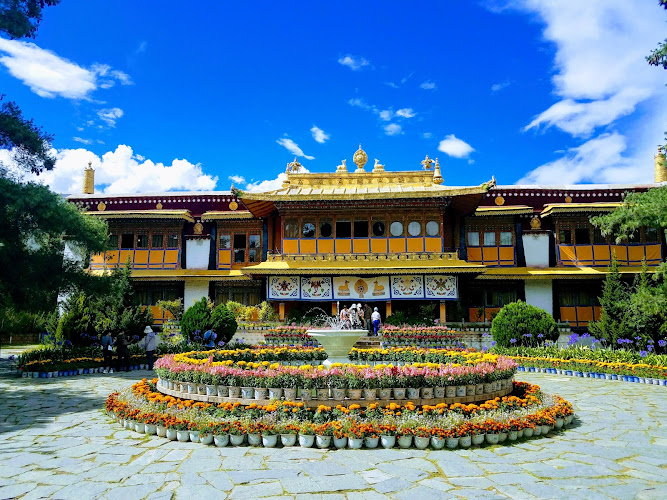
Norbulingka
Find Accommodations Nearby
Recommended Tours & Activities
Visitor Reviews
There are no reviews yet. Be the first one to write one.
Share Your Experience
Have you visited 850030? Help other travelers by leaving a review.