
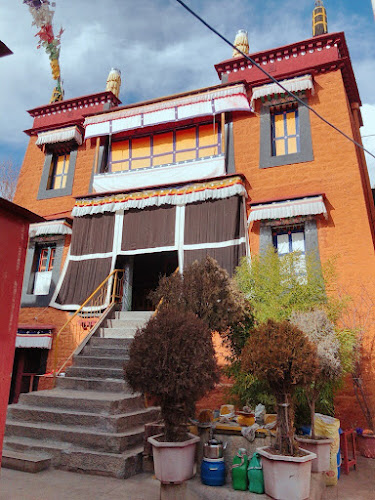
Anitsangkung Nunnery
About Anitsangkung Nunnery
Description
In the heart of old Lhasa lies Anitsangkung Nunnery, a quiet yet deeply meaningful corner of Tibetan Buddhism. Unlike the grand monasteries that dominate the skyline, this nunnery feels more personal, almost like you’re stepping into a living, breathing community rather than a monumental tourist site. It was originally built in the 15th century on a site where the famous 7th-century Tibetan king Songtsen Gampo once meditated. That little detail alone makes it special—imagine standing in the same place where one of Tibet’s legendary figures practiced spiritual retreat. The nunnery belongs to the Gelug school of Tibetan Buddhism, and today it continues to be a home for devoted nuns who dedicate their lives to prayer, study, and service.
What makes this place stand out, at least to me, is its atmosphere. It’s not polished or overly curated for visitors. Instead, it carries the hum of daily life. You might hear chanting echoing through the halls, smell butter lamps burning, or even catch a nun smiling at you as she passes by. That authenticity is something many travelers crave but don’t always find. And while it’s smaller than the big monasteries like Sera or Drepung, it offers a kind of intimacy that those larger sites sometimes lack. It’s the kind of spot where you can slow down, breathe, and feel like you’re part of something timeless.
Key Features
- Founded in the 15th century on a site tied to King Songtsen Gampo’s meditation practice
- Belongs to the Gelug school of Tibetan Buddhism
- Daily chanting sessions from morning until late afternoon, which visitors can sometimes quietly observe
- Murals and sacred artifacts that reflect centuries of Tibetan artistry and devotion
- A functioning nunnery where women actively study and practice Buddhism
- Located along the Lingkor pilgrim circuit, so you’ll often see local Tibetans passing by in prayer
- Basic amenities available for visitors, including restrooms
Best Time to Visit
Lhasa has a rhythm of its own, and timing your visit can really shape your experience. Spring and autumn are generally considered the most pleasant times to explore, with clear skies and comfortable temperatures. Summer can be lively, but it also brings more crowds and occasional rain showers. Personally, I think mornings are the best time to come here, regardless of the season. The air is crisp, the streets are less busy, and the nuns are already deep into their chanting rituals. There’s something grounding about starting your day with that kind of energy—it sets a tone that stays with you as you wander the rest of the city.
If you’re sensitive to altitude, keep in mind that Lhasa sits at over 3,600 meters. The first couple of days can feel heavy on your lungs, so don’t rush. Plan your visit to Anitsangkung Nunnery after you’ve had a little time to acclimatize. That way, you’ll be able to truly enjoy the experience without worrying about shortness of breath or headaches.
How to Get There
Reaching the nunnery isn’t complicated, but it does require a bit of orientation. It’s tucked within the old city of Lhasa, along the Lingkor pilgrim route that circles Jokhang Temple. If you’re staying nearby, you can easily walk there—it’s part of what makes the visit so rewarding. Wandering through narrow lanes, passing prayer wheels and small shops, and then arriving at the gates of the nunnery feels like a journey in itself. Taxis are also an option if you’re coming from farther out, though many travelers prefer to explore the old town on foot.
One thing I’ve noticed in Lhasa is that directions are often given in relation to landmarks rather than street names. Locals might tell you to head toward Jokhang Temple and then follow the Lingkor path until you see the entrance. It’s part of the charm—getting a little lost is almost expected. And honestly, that’s half the fun. You stumble upon hidden courtyards, small chapels, and tea houses along the way.
Tips for Visiting
Visiting Anitsangkung Nunnery isn’t just about sightseeing—it’s about respect and connection. Here are a few suggestions to make the most of your time:
- Dress modestly: Shoulders and knees covered is a good rule of thumb. It’s both respectful and practical for the climate.
- Observe quietly: The nuns’ chanting is not a performance; it’s their daily practice. Watch and listen, but avoid disrupting the flow.
- Bring small change: Donations are welcome, and even a modest contribution helps support the nuns and the upkeep of the nunnery.
- Take your time: Don’t just snap a photo and leave. Sit for a while, soak in the atmosphere, and maybe even join the locals in a moment of reflection.
- Mind the altitude: Carry water, walk slowly, and don’t push yourself too hard if you’re still adjusting.
- Respect photography rules: In some areas, photos may not be allowed. Always ask before raising your camera.
One last thought—if you’re the kind of traveler who loves grand, flashy attractions, this may not strike you at first. But if you give it a chance, you’ll find that the quiet, understated places often leave the deepest impression. I still remember sitting on a low stone wall outside the nunnery, watching pilgrims walk by with their prayer beads, and realizing that this was the real heart of Lhasa. Not the big monuments, but the daily devotion of ordinary people. That’s the memory that sticks with you long after you’ve left.
Key Features
- Founded in the 15th century on a site tied to King Songtsen Gampo’s meditation practice
- Belongs to the Gelug school of Tibetan Buddhism
- Daily chanting sessions from morning until late afternoon, which visitors can sometimes quietly observe
- Murals and sacred artifacts that reflect centuries of Tibetan artistry and devotion
- A functioning nunnery where women actively study and practice Buddhism
- Located along the Lingkor pilgrim circuit, so you’ll often see local Tibetans passing by in prayer
- Basic amenities available for visitors, including restrooms
More Details
Updated September 30, 2025
Table of Contents
Description
In the heart of old Lhasa lies Anitsangkung Nunnery, a quiet yet deeply meaningful corner of Tibetan Buddhism. Unlike the grand monasteries that dominate the skyline, this nunnery feels more personal, almost like you’re stepping into a living, breathing community rather than a monumental tourist site. It was originally built in the 15th century on a site where the famous 7th-century Tibetan king Songtsen Gampo once meditated. That little detail alone makes it special—imagine standing in the same place where one of Tibet’s legendary figures practiced spiritual retreat. The nunnery belongs to the Gelug school of Tibetan Buddhism, and today it continues to be a home for devoted nuns who dedicate their lives to prayer, study, and service.
What makes this place stand out, at least to me, is its atmosphere. It’s not polished or overly curated for visitors. Instead, it carries the hum of daily life. You might hear chanting echoing through the halls, smell butter lamps burning, or even catch a nun smiling at you as she passes by. That authenticity is something many travelers crave but don’t always find. And while it’s smaller than the big monasteries like Sera or Drepung, it offers a kind of intimacy that those larger sites sometimes lack. It’s the kind of spot where you can slow down, breathe, and feel like you’re part of something timeless.
Key Features
- Founded in the 15th century on a site tied to King Songtsen Gampo’s meditation practice
- Belongs to the Gelug school of Tibetan Buddhism
- Daily chanting sessions from morning until late afternoon, which visitors can sometimes quietly observe
- Murals and sacred artifacts that reflect centuries of Tibetan artistry and devotion
- A functioning nunnery where women actively study and practice Buddhism
- Located along the Lingkor pilgrim circuit, so you’ll often see local Tibetans passing by in prayer
- Basic amenities available for visitors, including restrooms
Best Time to Visit
Lhasa has a rhythm of its own, and timing your visit can really shape your experience. Spring and autumn are generally considered the most pleasant times to explore, with clear skies and comfortable temperatures. Summer can be lively, but it also brings more crowds and occasional rain showers. Personally, I think mornings are the best time to come here, regardless of the season. The air is crisp, the streets are less busy, and the nuns are already deep into their chanting rituals. There’s something grounding about starting your day with that kind of energy—it sets a tone that stays with you as you wander the rest of the city.
If you’re sensitive to altitude, keep in mind that Lhasa sits at over 3,600 meters. The first couple of days can feel heavy on your lungs, so don’t rush. Plan your visit to Anitsangkung Nunnery after you’ve had a little time to acclimatize. That way, you’ll be able to truly enjoy the experience without worrying about shortness of breath or headaches.
How to Get There
Reaching the nunnery isn’t complicated, but it does require a bit of orientation. It’s tucked within the old city of Lhasa, along the Lingkor pilgrim route that circles Jokhang Temple. If you’re staying nearby, you can easily walk there—it’s part of what makes the visit so rewarding. Wandering through narrow lanes, passing prayer wheels and small shops, and then arriving at the gates of the nunnery feels like a journey in itself. Taxis are also an option if you’re coming from farther out, though many travelers prefer to explore the old town on foot.
One thing I’ve noticed in Lhasa is that directions are often given in relation to landmarks rather than street names. Locals might tell you to head toward Jokhang Temple and then follow the Lingkor path until you see the entrance. It’s part of the charm—getting a little lost is almost expected. And honestly, that’s half the fun. You stumble upon hidden courtyards, small chapels, and tea houses along the way.
Tips for Visiting
Visiting Anitsangkung Nunnery isn’t just about sightseeing—it’s about respect and connection. Here are a few suggestions to make the most of your time:
- Dress modestly: Shoulders and knees covered is a good rule of thumb. It’s both respectful and practical for the climate.
- Observe quietly: The nuns’ chanting is not a performance; it’s their daily practice. Watch and listen, but avoid disrupting the flow.
- Bring small change: Donations are welcome, and even a modest contribution helps support the nuns and the upkeep of the nunnery.
- Take your time: Don’t just snap a photo and leave. Sit for a while, soak in the atmosphere, and maybe even join the locals in a moment of reflection.
- Mind the altitude: Carry water, walk slowly, and don’t push yourself too hard if you’re still adjusting.
- Respect photography rules: In some areas, photos may not be allowed. Always ask before raising your camera.
One last thought—if you’re the kind of traveler who loves grand, flashy attractions, this may not strike you at first. But if you give it a chance, you’ll find that the quiet, understated places often leave the deepest impression. I still remember sitting on a low stone wall outside the nunnery, watching pilgrims walk by with their prayer beads, and realizing that this was the real heart of Lhasa. Not the big monuments, but the daily devotion of ordinary people. That’s the memory that sticks with you long after you’ve left.
Key Highlights
- Founded in the 15th century on a site tied to King Songtsen Gampo’s meditation practice
- Belongs to the Gelug school of Tibetan Buddhism
- Daily chanting sessions from morning until late afternoon, which visitors can sometimes quietly observe
- Murals and sacred artifacts that reflect centuries of Tibetan artistry and devotion
- A functioning nunnery where women actively study and practice Buddhism
- Located along the Lingkor pilgrim circuit, so you’ll often see local Tibetans passing by in prayer
- Basic amenities available for visitors, including restrooms
Location
Places to Stay Near Anitsangkung Nunnery
Find and Book a Tour
Explore More Travel Guides
No reviews found! Be the first to review!
Traveler Reviews for Anitsangkung Nunnery
There are no reviews yet. Be the first one to write one.
Have you visited Anitsangkung Nunnery? Help other travelers by sharing your review.
You Might Also Like

Ramoche Temple

Tibet Museum
850010
Find Accommodations Nearby
Recommended Tours & Activities
Visitor Reviews
There are no reviews yet. Be the first one to write one.
Share Your Experience
Have you visited Anitsangkung Nunnery? Help other travelers by leaving a review.