

Tibet Museum
About Tibet Museum
Description
The Tibet Museum in Lhasa is one of those places that quietly pulls you in and then leaves you thinking about it long after you’ve walked out the doors. It’s not just a building filled with old objects; it’s a living record of Tibet’s story, from its ancient roots to the complicated present. With a collection of more than half a million artifacts, the museum manages to balance cultural pride with raw history. Some visitors walk away inspired, others a little conflicted, but that’s exactly what makes it worth your time. It’s not a sugar-coated version of Tibet—you’ll see both the beauty of its traditions and the struggles that have shaped its people.
Inside, you’ll find everything from delicate thangka paintings and centuries-old manuscripts to jewelry, clothing, and even everyday household items that once belonged to Tibetan families. I remember standing in front of a display of ceremonial masks and feeling like I was peeking into a world that’s still very much alive in the mountains and monasteries. The museum doesn’t shy away from telling hard truths either, especially regarding Tibet’s political history, which can be eye-opening for those who only know the region through glossy travel brochures. It’s a place that invites you to slow down, read, listen, and reflect—not just snap a quick photo and move on.
Key Features
- Over 520,000 artifacts showcasing Tibetan history, art, and daily life
- Permanent exhibitions on Tibetan culture, religion, and traditions
- Special exhibits that dive into modern Tibetan identity and challenges
- Thangka paintings, ancient scriptures, and religious relics on display
- Interactive installations and multimedia displays for deeper context
- Family-friendly environment with exhibits that kids can appreciate
- Wheelchair accessible facilities, including restrooms
- Guided tours available for those who want structured storytelling
Best Time to Visit
If you’re planning a visit, timing really matters. Spring and autumn are the sweet spots—March to May and September to November. The weather is mild, skies are generally clear, and you won’t be battling the intense summer tourist rush. Winter has its charm too, especially if you don’t mind the cold and want fewer crowds. I once went in October, and the crisp air outside made stepping into the museum feel even more inviting, almost like a warm pause before heading back out into the high-altitude chill. Summer can be busier, especially with domestic tourism, but the museum itself is spacious enough that it rarely feels overwhelming.
How to Get There
Reaching the Tibet Museum is pretty straightforward once you’re in Lhasa. Most travelers arrive in the city either by train or flight, and from the center, it’s a short drive to the museum. Taxis are easy to find and relatively affordable, though I’d suggest agreeing on the fare before hopping in. If you’re staying near Potala Palace or Jokhang Temple, you can even make a half-day outing that includes the museum. Public buses run by, but honestly, unless you’re used to navigating local routes, a taxi or private car will save you time and confusion. For those who enjoy walking, it’s doable from some central hotels, though remember the altitude—what feels like a casual stroll elsewhere can leave you catching your breath in Lhasa.
Tips for Visiting
Here’s the thing: visiting the Tibet Museum isn’t just about ticking off another attraction. To really appreciate it, give yourself at least two to three hours. Don’t rush. Read the captions, watch the videos, and if possible, chat with a guide or staff member. They often share personal insights that you won’t find on the plaques.
Bring a light jacket, even in warmer months, because the climate-controlled galleries can feel cool after walking outside in the sun. Photography rules vary depending on the exhibit, so check before snapping away. And if you’re traveling with kids, don’t worry—the museum is surprisingly engaging for them, with colorful displays and stories that spark curiosity.
One more thing: buy your tickets in advance if you can. It saves you from waiting in line, especially during peak travel seasons. Also, take it easy with the altitude. If you’ve just arrived in Lhasa, give yourself a day to acclimatize before heading out for long museum visits. I learned that the hard way—spending my first day at a museum while still adjusting left me lightheaded and distracted. Trust me, you’ll enjoy the experience much more if you’re feeling steady and rested.
At the end of the day, the Tibet Museum is more than just a stop on your itinerary. It’s a chance to connect with a culture that’s both deeply traditional and constantly evolving. Whether you walk out feeling inspired, challenged, or simply curious to learn more, it’s a place that leaves a mark. And isn’t that exactly what travel should do?
Key Features
- Over 520,000 artifacts showcasing Tibetan history, art, and daily life
- Permanent exhibitions on Tibetan culture, religion, and traditions
- Special exhibits that dive into modern Tibetan identity and challenges
- Thangka paintings, ancient scriptures, and religious relics on display
- Interactive installations and multimedia displays for deeper context
- Family-friendly environment with exhibits that kids can appreciate
- Wheelchair accessible facilities, including restrooms
- Guided tours available for those who want structured storytelling
More Details
Updated September 30, 2025
Table of Contents
Description
The Tibet Museum in Lhasa is one of those places that quietly pulls you in and then leaves you thinking about it long after you’ve walked out the doors. It’s not just a building filled with old objects; it’s a living record of Tibet’s story, from its ancient roots to the complicated present. With a collection of more than half a million artifacts, the museum manages to balance cultural pride with raw history. Some visitors walk away inspired, others a little conflicted, but that’s exactly what makes it worth your time. It’s not a sugar-coated version of Tibet—you’ll see both the beauty of its traditions and the struggles that have shaped its people.
Inside, you’ll find everything from delicate thangka paintings and centuries-old manuscripts to jewelry, clothing, and even everyday household items that once belonged to Tibetan families. I remember standing in front of a display of ceremonial masks and feeling like I was peeking into a world that’s still very much alive in the mountains and monasteries. The museum doesn’t shy away from telling hard truths either, especially regarding Tibet’s political history, which can be eye-opening for those who only know the region through glossy travel brochures. It’s a place that invites you to slow down, read, listen, and reflect—not just snap a quick photo and move on.
Key Features
- Over 520,000 artifacts showcasing Tibetan history, art, and daily life
- Permanent exhibitions on Tibetan culture, religion, and traditions
- Special exhibits that dive into modern Tibetan identity and challenges
- Thangka paintings, ancient scriptures, and religious relics on display
- Interactive installations and multimedia displays for deeper context
- Family-friendly environment with exhibits that kids can appreciate
- Wheelchair accessible facilities, including restrooms
- Guided tours available for those who want structured storytelling
Best Time to Visit
If you’re planning a visit, timing really matters. Spring and autumn are the sweet spots—March to May and September to November. The weather is mild, skies are generally clear, and you won’t be battling the intense summer tourist rush. Winter has its charm too, especially if you don’t mind the cold and want fewer crowds. I once went in October, and the crisp air outside made stepping into the museum feel even more inviting, almost like a warm pause before heading back out into the high-altitude chill. Summer can be busier, especially with domestic tourism, but the museum itself is spacious enough that it rarely feels overwhelming.
How to Get There
Reaching the Tibet Museum is pretty straightforward once you’re in Lhasa. Most travelers arrive in the city either by train or flight, and from the center, it’s a short drive to the museum. Taxis are easy to find and relatively affordable, though I’d suggest agreeing on the fare before hopping in. If you’re staying near Potala Palace or Jokhang Temple, you can even make a half-day outing that includes the museum. Public buses run by, but honestly, unless you’re used to navigating local routes, a taxi or private car will save you time and confusion. For those who enjoy walking, it’s doable from some central hotels, though remember the altitude—what feels like a casual stroll elsewhere can leave you catching your breath in Lhasa.
Tips for Visiting
Here’s the thing: visiting the Tibet Museum isn’t just about ticking off another attraction. To really appreciate it, give yourself at least two to three hours. Don’t rush. Read the captions, watch the videos, and if possible, chat with a guide or staff member. They often share personal insights that you won’t find on the plaques.
Bring a light jacket, even in warmer months, because the climate-controlled galleries can feel cool after walking outside in the sun. Photography rules vary depending on the exhibit, so check before snapping away. And if you’re traveling with kids, don’t worry—the museum is surprisingly engaging for them, with colorful displays and stories that spark curiosity.
One more thing: buy your tickets in advance if you can. It saves you from waiting in line, especially during peak travel seasons. Also, take it easy with the altitude. If you’ve just arrived in Lhasa, give yourself a day to acclimatize before heading out for long museum visits. I learned that the hard way—spending my first day at a museum while still adjusting left me lightheaded and distracted. Trust me, you’ll enjoy the experience much more if you’re feeling steady and rested.
At the end of the day, the Tibet Museum is more than just a stop on your itinerary. It’s a chance to connect with a culture that’s both deeply traditional and constantly evolving. Whether you walk out feeling inspired, challenged, or simply curious to learn more, it’s a place that leaves a mark. And isn’t that exactly what travel should do?
Key Highlights
- Over 520,000 artifacts showcasing Tibetan history, art, and daily life
- Permanent exhibitions on Tibetan culture, religion, and traditions
- Special exhibits that dive into modern Tibetan identity and challenges
- Thangka paintings, ancient scriptures, and religious relics on display
- Interactive installations and multimedia displays for deeper context
- Family-friendly environment with exhibits that kids can appreciate
- Wheelchair accessible facilities, including restrooms
- Guided tours available for those who want structured storytelling
Location
Places to Stay Near Tibet Museum
Find and Book a Tour
Explore More Travel Guides
No reviews found! Be the first to review!
Traveler Reviews for Tibet Museum
There are no reviews yet. Be the first one to write one.
Have you visited Tibet Museum? Help other travelers by sharing your review.
You Might Also Like
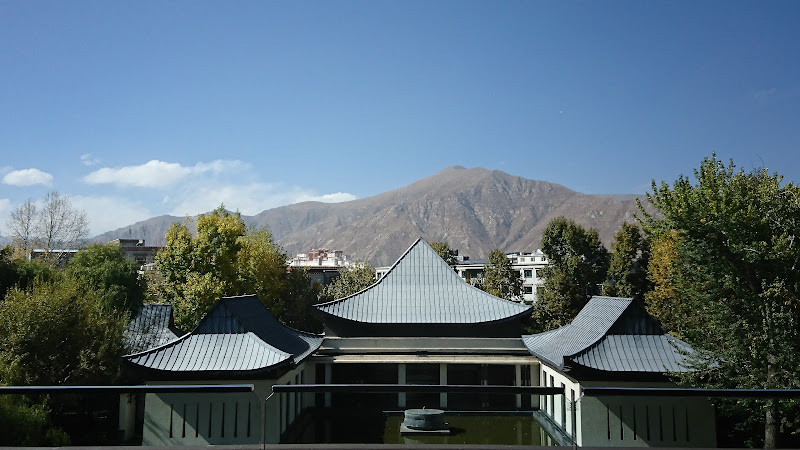
Lhasa Center
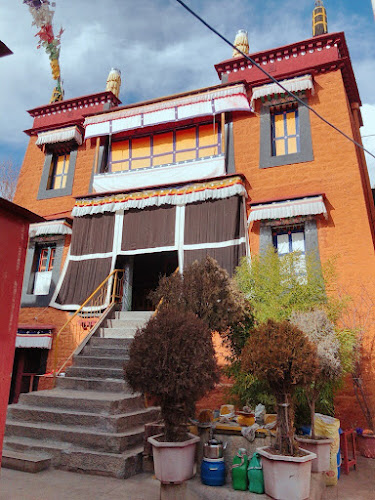
Anitsangkung Nunnery
850010
Find Accommodations Nearby
Recommended Tours & Activities
Visitor Reviews
There are no reviews yet. Be the first one to write one.
Share Your Experience
Have you visited Tibet Museum? Help other travelers by leaving a review.