
Bakuo Residential District
About Bakuo Residential District
Description
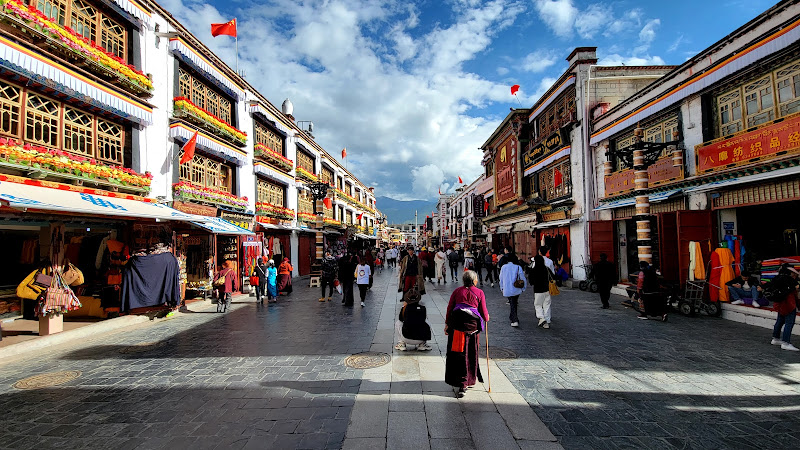
The Bakuo Residential District, more widely known as Barkhor, is the living, breathing heart of old Lhasa. It’s not just a neighborhood—it’s a swirl of devotion, commerce, and history all wrapped into winding lanes that seem to carry whispers of centuries past. Travelers often describe it as a place where you don’t just see culture, you feel it. The air is thick with incense, the sound of murmured prayers blends with the chatter of shopkeepers, and every corner offers a glimpse into Tibetan daily life.
What makes the district stand out is its dual identity: on one hand, it’s a sacred route where pilgrims walk clockwise around the Jokhang Temple, spinning prayer wheels and fingering rosaries. On the other, it’s a lively marketplace where you can haggle over turquoise jewelry, yak wool scarves, or even a simple butter lamp. I remember wandering through on a chilly morning, clutching a hot cup of yak butter tea, and being struck by how seamlessly devotion and daily life intertwine here. It’s not polished or staged—it’s raw, authentic, and deeply human.
Of course, the district can feel crowded and overwhelming at times, especially during peak pilgrimage seasons. But that’s part of its charm. You’re not walking through a museum; you’re stepping into a living tradition. If you’re the kind of traveler who loves to get lost in a place, to observe the rhythm of ordinary lives, then Barkhor is the sort of destination that lingers in your memory long after you’ve left.
Key Features
- The sacred circumambulation route circling Jokhang Temple, walked daily by pilgrims from across Tibet.
- Narrow alleyways lined with vendors selling prayer flags, incense, textiles, and traditional handicrafts.
- Atmospheric mix of devotion, commerce, and social gathering—locals chatting, bargaining, and praying side by side.
- Architecture that reflects centuries of Tibetan design, with whitewashed walls, colorful window frames, and carved wooden details.
- Frequent religious ceremonies and gatherings that give travelers a chance to witness living Tibetan Buddhism.
- Street food stalls offering momos (dumplings), sweet pastries, and yak butter tea—perfect for a quick bite while exploring.
- Opportunities for photography, though sensitivity is key since many moments are deeply personal and spiritual.
Best Time to Visit
Timing matters more than you might think. Spring and autumn are generally the sweet spots—April to June and September to October. The skies are clearer, the temperatures more comfortable, and the crowds manageable. I once visited in early May, and the weather was crisp but not biting, with just enough warmth in the afternoons to linger in the square without shivering.
Winter has its own appeal. Yes, it’s cold, but the light is stunning, and there’s a quieter, more contemplative atmosphere. Summer, on the other hand, can be busy with both pilgrims and tourists, and the rains sometimes dampen the mood. Still, if you’re drawn by the energy of large gatherings and festivals, summer might be your season. It really depends on whether you prefer calm reflection or the buzz of a crowd.
How to Get There
Most travelers arrive in Lhasa by air or train, and from there, the district is right in the old city center. Walking is the best way to approach it. Cars can’t really navigate the narrow alleys, and honestly, you wouldn’t want them to. Half the experience is wandering on foot, weaving through pilgrims and locals, and letting your senses guide you.
If you’re staying nearby, you’ll likely find yourself drawn to the district almost instinctively—it’s the kind of place you hear before you see, thanks to the hum of voices and the rhythmic shuffle of pilgrims’ footsteps. Just remember that altitude can slow you down. Lhasa sits high, and even a short walk can feel like a workout at first. Take it easy, drink plenty of water, and give your body time to adjust.
Tips for Visiting
Visiting Barkhor isn’t just about sightseeing—it’s about respect and awareness. Here are a few things I’ve learned, sometimes the hard way:
- Walk clockwise: Always follow the pilgrims’ direction around the Jokhang Temple. Going the wrong way is not just awkward, it’s disrespectful.
- Dress modestly: Shorts and tank tops will stand out in all the wrong ways. Cover your shoulders and knees, and you’ll blend in better.
- Photography etiquette: Ask before snapping photos of people, especially pilgrims. Many are happy to share a smile, but some moments are deeply personal.
- Bargain gently: Haggling is expected in the markets, but keep it friendly. A few yuan might not mean much to you, but it could to the seller.
- Prepare for altitude: Lhasa is over 3,600 meters above sea level. Move slowly, stay hydrated, and don’t be surprised if you feel winded.
- Soak it in: Don’t rush. Sit on a low wall, sip some tea, and just watch the flow of life around you. Sometimes the best memories come from simply observing.
One last piece of advice—let yourself get a little lost. The alleys curve and twist, and you’ll probably end up circling back to where you started, but that’s part of the magic. I once stumbled into a tiny courtyard where a group of locals were chanting softly, and though I didn’t understand the words, the moment felt like a gift. That’s the kind of experience Barkhor offers if you give it time and openness.
Key Features
- The sacred circumambulation route circling Jokhang Temple, walked daily by pilgrims from across Tibet.
- Narrow alleyways lined with vendors selling prayer flags, incense, textiles, and traditional handicrafts.
- Atmospheric mix of devotion, commerce, and social gathering—locals chatting, bargaining, and praying side by side.
- Architecture that reflects centuries of Tibetan design, with whitewashed walls, colorful window frames, and carved wooden details.
- Frequent religious ceremonies and gatherings that give travelers a chance to witness living Tibetan Buddhism.
- Street food stalls offering momos (dumplings), sweet pastries, and yak butter tea—perfect for a quick bite while exploring.
- Opportunities for photography, though sensitivity is key since many moments are deeply personal and spiritual.
More Details
Updated September 30, 2025
Table of Contents
Description
The Bakuo Residential District, more widely known as Barkhor, is the living, breathing heart of old Lhasa. It’s not just a neighborhood—it’s a swirl of devotion, commerce, and history all wrapped into winding lanes that seem to carry whispers of centuries past. Travelers often describe it as a place where you don’t just see culture, you feel it. The air is thick with incense, the sound of murmured prayers blends with the chatter of shopkeepers, and every corner offers a glimpse into Tibetan daily life.
What makes the district stand out is its dual identity: on one hand, it’s a sacred route where pilgrims walk clockwise around the Jokhang Temple, spinning prayer wheels and fingering rosaries. On the other, it’s a lively marketplace where you can haggle over turquoise jewelry, yak wool scarves, or even a simple butter lamp. I remember wandering through on a chilly morning, clutching a hot cup of yak butter tea, and being struck by how seamlessly devotion and daily life intertwine here. It’s not polished or staged—it’s raw, authentic, and deeply human.
Of course, the district can feel crowded and overwhelming at times, especially during peak pilgrimage seasons. But that’s part of its charm. You’re not walking through a museum; you’re stepping into a living tradition. If you’re the kind of traveler who loves to get lost in a place, to observe the rhythm of ordinary lives, then Barkhor is the sort of destination that lingers in your memory long after you’ve left.
Key Features
- The sacred circumambulation route circling Jokhang Temple, walked daily by pilgrims from across Tibet.
- Narrow alleyways lined with vendors selling prayer flags, incense, textiles, and traditional handicrafts.
- Atmospheric mix of devotion, commerce, and social gathering—locals chatting, bargaining, and praying side by side.
- Architecture that reflects centuries of Tibetan design, with whitewashed walls, colorful window frames, and carved wooden details.
- Frequent religious ceremonies and gatherings that give travelers a chance to witness living Tibetan Buddhism.
- Street food stalls offering momos (dumplings), sweet pastries, and yak butter tea—perfect for a quick bite while exploring.
- Opportunities for photography, though sensitivity is key since many moments are deeply personal and spiritual.
Best Time to Visit
Timing matters more than you might think. Spring and autumn are generally the sweet spots—April to June and September to October. The skies are clearer, the temperatures more comfortable, and the crowds manageable. I once visited in early May, and the weather was crisp but not biting, with just enough warmth in the afternoons to linger in the square without shivering.
Winter has its own appeal. Yes, it’s cold, but the light is stunning, and there’s a quieter, more contemplative atmosphere. Summer, on the other hand, can be busy with both pilgrims and tourists, and the rains sometimes dampen the mood. Still, if you’re drawn by the energy of large gatherings and festivals, summer might be your season. It really depends on whether you prefer calm reflection or the buzz of a crowd.
How to Get There
Most travelers arrive in Lhasa by air or train, and from there, the district is right in the old city center. Walking is the best way to approach it. Cars can’t really navigate the narrow alleys, and honestly, you wouldn’t want them to. Half the experience is wandering on foot, weaving through pilgrims and locals, and letting your senses guide you.
If you’re staying nearby, you’ll likely find yourself drawn to the district almost instinctively—it’s the kind of place you hear before you see, thanks to the hum of voices and the rhythmic shuffle of pilgrims’ footsteps. Just remember that altitude can slow you down. Lhasa sits high, and even a short walk can feel like a workout at first. Take it easy, drink plenty of water, and give your body time to adjust.
Tips for Visiting
Visiting Barkhor isn’t just about sightseeing—it’s about respect and awareness. Here are a few things I’ve learned, sometimes the hard way:
- Walk clockwise: Always follow the pilgrims’ direction around the Jokhang Temple. Going the wrong way is not just awkward, it’s disrespectful.
- Dress modestly: Shorts and tank tops will stand out in all the wrong ways. Cover your shoulders and knees, and you’ll blend in better.
- Photography etiquette: Ask before snapping photos of people, especially pilgrims. Many are happy to share a smile, but some moments are deeply personal.
- Bargain gently: Haggling is expected in the markets, but keep it friendly. A few yuan might not mean much to you, but it could to the seller.
- Prepare for altitude: Lhasa is over 3,600 meters above sea level. Move slowly, stay hydrated, and don’t be surprised if you feel winded.
- Soak it in: Don’t rush. Sit on a low wall, sip some tea, and just watch the flow of life around you. Sometimes the best memories come from simply observing.
One last piece of advice—let yourself get a little lost. The alleys curve and twist, and you’ll probably end up circling back to where you started, but that’s part of the magic. I once stumbled into a tiny courtyard where a group of locals were chanting softly, and though I didn’t understand the words, the moment felt like a gift. That’s the kind of experience Barkhor offers if you give it time and openness.
Key Highlights
- The sacred circumambulation route circling Jokhang Temple, walked daily by pilgrims from across Tibet.
- Narrow alleyways lined with vendors selling prayer flags, incense, textiles, and traditional handicrafts.
- Atmospheric mix of devotion, commerce, and social gathering—locals chatting, bargaining, and praying side by side.
- Architecture that reflects centuries of Tibetan design, with whitewashed walls, colorful window frames, and carved wooden details.
- Frequent religious ceremonies and gatherings that give travelers a chance to witness living Tibetan Buddhism.
- Street food stalls offering momos (dumplings), sweet pastries, and yak butter tea—perfect for a quick bite while exploring.
- Opportunities for photography, though sensitivity is key since many moments are deeply personal and spiritual.
Location
Places to Stay Near Bakuo Residential District
Find and Book a Tour
Explore More Travel Guides
No reviews found! Be the first to review!
Traveler Reviews for Bakuo Residential District
There are no reviews yet. Be the first one to write one.
Have you visited Bakuo Residential District? Help other travelers by sharing your review.
You Might Also Like
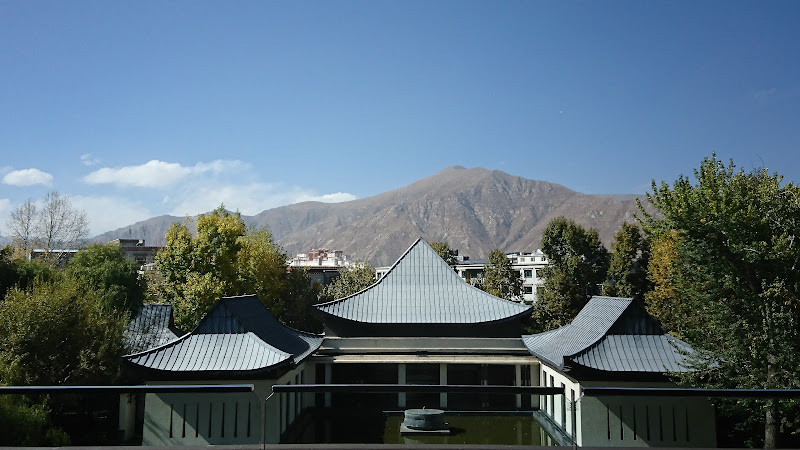
Lhasa Center
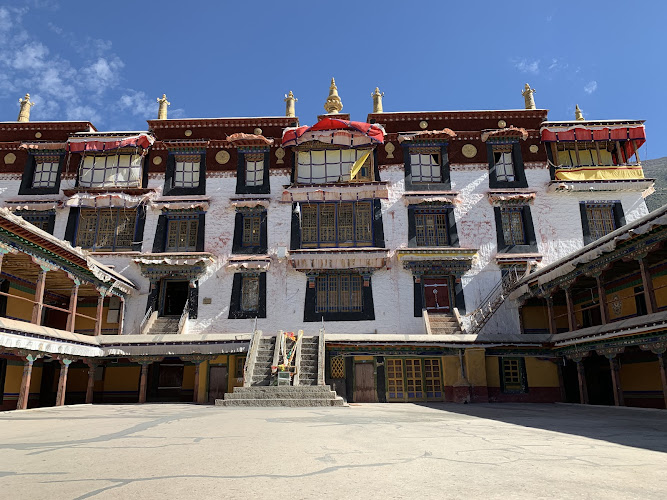
Drepung Monastery
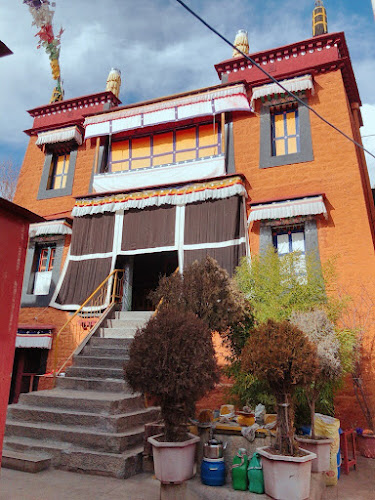
Anitsangkung Nunnery
Find Accommodations Nearby
Recommended Tours & Activities
Visitor Reviews
There are no reviews yet. Be the first one to write one.
Share Your Experience
Have you visited Bakuo Residential District? Help other travelers by leaving a review.