
Drepung Monastery
About Drepung Monastery
Description
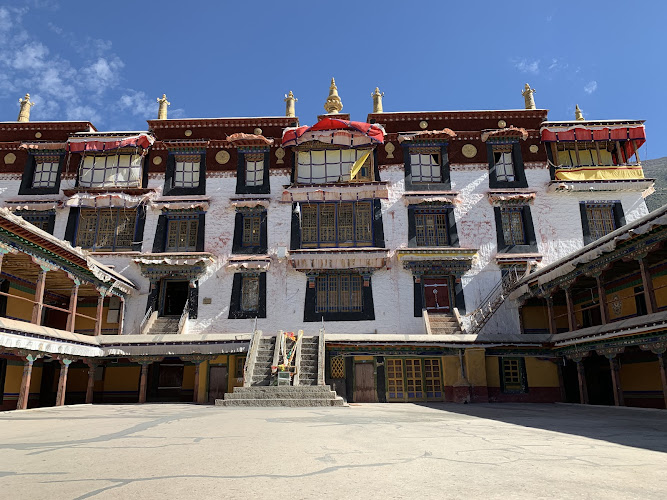
Drepung Monastery is one of those places that has a way of staying with you long after you’ve left. Built back in 1416, it’s considered one of Tibet’s “three great monasteries,” and honestly, the scale of it is staggering. Imagine a sprawling hillside covered in whitewashed buildings that look like they’ve grown right out of the mountain. It was once the largest monastery in the world, housing tens of thousands of monks at its peak. Today, it’s still a living, breathing center of Tibetan Buddhism, though much quieter than in its heyday.
Walking through the monastery, you’ll notice a mix of grandeur and simplicity. Some halls are filled with towering golden statues, intricate murals, and the faint smell of yak butter candles. Others are quiet courtyards where you might stumble across a monk reading in the shade. What makes it special, at least to me, is that it doesn’t feel like a museum—it feels alive. You hear chanting, you see monks debating philosophy in the courtyards, and you get this sense that centuries of tradition are still unfolding right in front of you.
Of course, not every corner is polished. Some areas show their age, with faded paint or uneven stone steps. But that’s part of the charm. This isn’t a place trying to impress visitors with perfection—it’s a place that’s been lived in for over 600 years. And while some travelers might find the climb up the hillside a bit tiring, the views over Lhasa and the surrounding mountains are worth every step.
Key Features
- One of Tibet’s “three great monasteries,” alongside Ganden and Sera
- Founded in 1416 and historically home to up to 10,000 monks
- Massive assembly halls filled with golden statues, relics, and thangkas
- Courtyards where monks still debate Buddhist philosophy daily
- Panoramic views of Lhasa and the valley below
- Rich collection of cultural relics spanning centuries
- Annual Shoton Festival, when giant thangkas are unfurled on the hillside
- Restroom facilities available, though accessibility is limited
Best Time to Visit
If you ask me, the best time to visit Drepung Monastery is late spring through early autumn, roughly May to September. The weather is more forgiving then, with clear skies that make the mountain views pop. July and August can bring more rain, but that’s also when the hillsides around Lhasa turn green, which is rare in Tibet’s high-altitude climate.
If you’re after something truly unforgettable, plan your trip around the Shoton Festival in August. During this time, a massive thangka—basically a giant religious painting—is rolled out on the hillside. The energy is electric, with locals and pilgrims gathering in their best dress, and the air filled with the sounds of chanting and horns. Just keep in mind it gets crowded, so if you’re not a fan of big crowds, maybe aim for another time.
Winter can be brutally cold, and while the monastery is still open, the high altitude makes it tough for many travelers. On the flip side, you’ll find fewer tourists, so if solitude is your thing, it could be worth braving the chill.
How to Get There
Drepung Monastery sits on the slopes of Mount Gephel, just a short drive from central Lhasa. Most travelers reach it by taxi or as part of a guided tour. If you’re feeling adventurous, there’s also the option of hiking up, though at this altitude, even a short walk can feel like a marathon. I remember thinking, “Oh, it’s just a hill,” and then ten minutes later I was gasping for air. So, pace yourself.
Public buses do run towards the monastery, but they can be tricky to navigate if you don’t speak Tibetan or Mandarin. For most visitors, arranging transport through a hotel or local guide is the easiest way. And honestly, having a guide makes the whole experience richer—they can explain the symbolism behind the murals, the rituals you’re witnessing, and even introduce you to monks willing to chat.
Tips for Visiting
First and foremost, remember that this is an active monastery, not just a tourist attraction. Dress modestly—long sleeves and pants are a good idea—and move quietly in the prayer halls. Photography is allowed in some areas, but not in others, so always check before snapping away.
Altitude is no joke here. Lhasa already sits at over 3,600 meters (about 12,000 feet), and climbing around the monastery adds even more strain. Drink lots of water, take it slow, and don’t be embarrassed if you need to stop and catch your breath. I’ve seen marathon runners humbled by these steps.
Bring small change for donations. It’s customary to leave offerings at shrines, and even a few yuan is appreciated. And if you’re visiting during a festival, expect crowds and plan accordingly—arrive early, bring snacks, and be patient with the flow of people.
Lastly, give yourself time. Too many visitors rush through in an hour or two, but the monastery rewards those who linger. Sit in a courtyard, listen to the chanting, watch the debates. It’s in those quiet moments that Drepung reveals its true magic.
Key Features
- One of Tibet’s “three great monasteries,” alongside Ganden and Sera
- Founded in 1416 and historically home to up to 10,000 monks
- Massive assembly halls filled with golden statues, relics, and thangkas
- Courtyards where monks still debate Buddhist philosophy daily
- Panoramic views of Lhasa and the valley below
- Rich collection of cultural relics spanning centuries
- Annual Shoton Festival, when giant thangkas are unfurled on the hillside
- Restroom facilities available, though accessibility is limited
More Details
Updated September 30, 2025
Table of Contents
Description
Drepung Monastery is one of those places that has a way of staying with you long after you’ve left. Built back in 1416, it’s considered one of Tibet’s “three great monasteries,” and honestly, the scale of it is staggering. Imagine a sprawling hillside covered in whitewashed buildings that look like they’ve grown right out of the mountain. It was once the largest monastery in the world, housing tens of thousands of monks at its peak. Today, it’s still a living, breathing center of Tibetan Buddhism, though much quieter than in its heyday.
Walking through the monastery, you’ll notice a mix of grandeur and simplicity. Some halls are filled with towering golden statues, intricate murals, and the faint smell of yak butter candles. Others are quiet courtyards where you might stumble across a monk reading in the shade. What makes it special, at least to me, is that it doesn’t feel like a museum—it feels alive. You hear chanting, you see monks debating philosophy in the courtyards, and you get this sense that centuries of tradition are still unfolding right in front of you.
Of course, not every corner is polished. Some areas show their age, with faded paint or uneven stone steps. But that’s part of the charm. This isn’t a place trying to impress visitors with perfection—it’s a place that’s been lived in for over 600 years. And while some travelers might find the climb up the hillside a bit tiring, the views over Lhasa and the surrounding mountains are worth every step.
Key Features
- One of Tibet’s “three great monasteries,” alongside Ganden and Sera
- Founded in 1416 and historically home to up to 10,000 monks
- Massive assembly halls filled with golden statues, relics, and thangkas
- Courtyards where monks still debate Buddhist philosophy daily
- Panoramic views of Lhasa and the valley below
- Rich collection of cultural relics spanning centuries
- Annual Shoton Festival, when giant thangkas are unfurled on the hillside
- Restroom facilities available, though accessibility is limited
Best Time to Visit
If you ask me, the best time to visit Drepung Monastery is late spring through early autumn, roughly May to September. The weather is more forgiving then, with clear skies that make the mountain views pop. July and August can bring more rain, but that’s also when the hillsides around Lhasa turn green, which is rare in Tibet’s high-altitude climate.
If you’re after something truly unforgettable, plan your trip around the Shoton Festival in August. During this time, a massive thangka—basically a giant religious painting—is rolled out on the hillside. The energy is electric, with locals and pilgrims gathering in their best dress, and the air filled with the sounds of chanting and horns. Just keep in mind it gets crowded, so if you’re not a fan of big crowds, maybe aim for another time.
Winter can be brutally cold, and while the monastery is still open, the high altitude makes it tough for many travelers. On the flip side, you’ll find fewer tourists, so if solitude is your thing, it could be worth braving the chill.
How to Get There
Drepung Monastery sits on the slopes of Mount Gephel, just a short drive from central Lhasa. Most travelers reach it by taxi or as part of a guided tour. If you’re feeling adventurous, there’s also the option of hiking up, though at this altitude, even a short walk can feel like a marathon. I remember thinking, “Oh, it’s just a hill,” and then ten minutes later I was gasping for air. So, pace yourself.
Public buses do run towards the monastery, but they can be tricky to navigate if you don’t speak Tibetan or Mandarin. For most visitors, arranging transport through a hotel or local guide is the easiest way. And honestly, having a guide makes the whole experience richer—they can explain the symbolism behind the murals, the rituals you’re witnessing, and even introduce you to monks willing to chat.
Tips for Visiting
First and foremost, remember that this is an active monastery, not just a tourist attraction. Dress modestly—long sleeves and pants are a good idea—and move quietly in the prayer halls. Photography is allowed in some areas, but not in others, so always check before snapping away.
Altitude is no joke here. Lhasa already sits at over 3,600 meters (about 12,000 feet), and climbing around the monastery adds even more strain. Drink lots of water, take it slow, and don’t be embarrassed if you need to stop and catch your breath. I’ve seen marathon runners humbled by these steps.
Bring small change for donations. It’s customary to leave offerings at shrines, and even a few yuan is appreciated. And if you’re visiting during a festival, expect crowds and plan accordingly—arrive early, bring snacks, and be patient with the flow of people.
Lastly, give yourself time. Too many visitors rush through in an hour or two, but the monastery rewards those who linger. Sit in a courtyard, listen to the chanting, watch the debates. It’s in those quiet moments that Drepung reveals its true magic.
Key Highlights
- One of Tibet’s “three great monasteries,” alongside Ganden and Sera
- Founded in 1416 and historically home to up to 10,000 monks
- Massive assembly halls filled with golden statues, relics, and thangkas
- Courtyards where monks still debate Buddhist philosophy daily
- Panoramic views of Lhasa and the valley below
- Rich collection of cultural relics spanning centuries
- Annual Shoton Festival, when giant thangkas are unfurled on the hillside
- Restroom facilities available, though accessibility is limited
Location
Places to Stay Near Drepung Monastery
Find and Book a Tour
Explore More Travel Guides
No reviews found! Be the first to review!
Traveler Reviews for Drepung Monastery
There are no reviews yet. Be the first one to write one.
Have you visited Drepung Monastery? Help other travelers by sharing your review.
You Might Also Like

Ramoche Temple
Xianzu Island
Anitsangkung Nunnery
Find Accommodations Nearby
Recommended Tours & Activities
Visitor Reviews
There are no reviews yet. Be the first one to write one.
Share Your Experience
Have you visited Drepung Monastery? Help other travelers by leaving a review.