
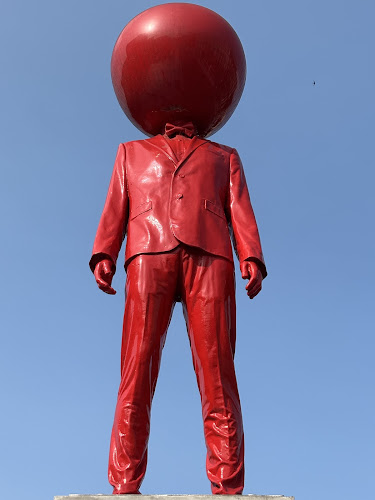
Red statue
About Red statue
Description
The Red Statue stands as one of those curious landmarks that somehow manages to capture your attention without shouting for it. When you first approach this attraction, there's something almost magnetic about its presence – the kind of thing that makes you reach for your camera before you've even fully processed what you're looking at. I remember stumbling across similar public art installations during my travels through Europe, and they always seem to tell a story that's both deeply personal and universally relatable. This particular monument has become quite the talking point among travelers who appreciate art that doesn't conform to traditional expectations. Standing boldly in its location, the statue commands respect through its sheer artistic presence rather than historical gravitas. It's the sort of place where you might find yourself spending more time than you initially planned, circling around to catch different angles, watching how the light plays across its surfaces throughout the day. What makes this attraction particularly special is its accessibility to all visitors. The designers clearly understood that great art should be enjoyed by everyone, regardless of physical ability. And honestly, that's refreshing to see – not every landmark takes such considerations seriously. Families with children will find this an engaging stop on their journey, as kids seem to respond to the visual impact in ways that sometimes surprise their parents. The statue has quietly built up a solid reputation among those who've made the pilgrimage to see it. Travelers consistently rate their experience positively, which speaks volumes in an age where people are quick to share disappointment online. There's something genuine about a place that delivers on its promise without relying on hype or over-the-top marketing.Key Features
The Red Statue offers several distinctive characteristics that make it worth adding to your travel itinerary:- Wheelchair accessible entrance ensures visitors of all mobility levels can fully experience the attraction without barriers or limitations
- Family-friendly environment makes it an ideal stop for travelers with children who appreciate art and outdoor attractions
- Striking visual presence creates excellent photography opportunities for both amateur and professional photographers
- Open-air accessibility means you can visit without worrying about building hours or indoor capacity restrictions
- Relatively uncrowded atmosphere compared to major tourist hotspots allows for peaceful contemplation and unrushed viewing
- Year-round availability means the statue can be enjoyed regardless of season, though each brings its own aesthetic qualities
- Quick visit option for travelers on tight schedules, though lingering is certainly rewarded with deeper appreciation
- No admission fees or tickets required, making it an budget-friendly addition to any itinerary
Best Time to Visit
Timing your visit to the Red Statue really depends on what kind of experience you're after. Early morning hours offer something special – there's a quietness to the space before the day fully awakens, and the morning light can create some pretty spectacular shadows and color contrasts. I've always been partial to those early hours at outdoor attractions because you get this sense of having the place almost to yourself. But here's the thing about mid-morning through early afternoon: the natural lighting hits differently, and if you're serious about photography, you'll want to experiment with different times. The red tones of the statue interact with sunlight in ways that change dramatically throughout the day. Around golden hour, roughly an hour before sunset, the whole scene transforms into something else entirely. The warm light intensifies the red hues and creates this almost ethereal quality that's tough to replicate at other times. Weekdays generally see fewer visitors than weekends, which is pretty standard for most attractions. If crowds aren't your thing – and let's be honest, whose thing are they really? – planning your visit for a Tuesday or Wednesday morning might be your best bet. Though it's worth noting that this attraction rarely gets overwhelmed with visitors, which is part of its charm. Weather considerations matter more than you might initially think. Clear days obviously provide better photography conditions, but don't automatically dismiss overcast skies. Sometimes that diffused light can actually enhance the statue's features without the harsh shadows you get in bright sunlight. I've seen rainy day photos from various public sculptures that turned out absolutely stunning because of the reflections and the moody atmosphere. Spring and fall months offer comfortable temperatures for spending time outdoors, especially if you're planning to sit and really take in the surroundings rather than just snapping a quick photo. Summer visits are perfectly fine, though you'll want to bring water and maybe plan for a shorter stay if heat bothers you. Winter brings its own magic – there's something about the contrast of red against potential snow or frost that creates memorable imagery.How to Get There
Getting to the Red Statue doesn't require the navigational skills of Magellan, thankfully. The location is accessible through various transportation methods, which makes planning your visit relatively straightforward regardless of how you prefer to travel. For those relying on personal vehicles, parking shouldn't cause too much headache. The surrounding area typically has spaces available, though arriving during peak hours might require a bit more patience. GPS coordinates work reliably for this destination, so plugging it into your navigation app should get you there without too many wrong turns. Public transportation serves the area reasonably well, making this a viable option for travelers who prefer not to drive. Bus routes pass nearby, and the walk from the nearest stop isn't unreasonable even for those who aren't training for marathons. Checking local transit schedules ahead of time is always smart, particularly if you're visiting on weekends when service might run less frequently. Taxi services and rideshare apps operate in the area, providing convenient door-to-door service if that's more your style. This option particularly makes sense if you're combining your visit with other nearby attractions and don't want to worry about parking multiple times throughout the day. The walking approach from nearby hotels or other points of interest is actually quite pleasant if you've got the time and comfortable shoes. Sometimes the journey to an attraction reveals as much about a place as the destination itself. You'll get a better feel for the neighborhood and might stumble across unexpected gems along the way. Bicycle access is feasible for the pedal-powered crowd, and the area generally accommodates cyclists without too much difficulty. Just make sure you've got a good lock – this is standard travel advice but worth repeating.Tips for Visiting
Pack your camera or ensure your phone is charged because you'll definitely want to capture this experience. But here's something I've learned over years of travel: don't spend your entire visit looking through a lens. Take your photos, sure, but then put the camera down for a few minutes and actually be present. The memory of experiencing something beats having 47 nearly identical photos on your camera roll. Comfortable footwear matters more than fashion when visiting outdoor attractions. You'll likely be standing for a bit, possibly walking around the statue multiple times to view it from different angles. Those cute shoes that pinch your toes? Leave them at the hotel. Bring water, especially during warmer months. Staying hydrated seems like obvious advice, but you'd be surprised how many travelers forget basics when they're excited about sightseeing. A reusable bottle works great and helps reduce plastic waste, which is always a plus. If you're visiting with children, consider bringing some paper and crayons for them to sketch what they see. Kids often engage with art more deeply when they're encouraged to interpret it creatively. And honestly, their perspectives can be refreshing – they notice things adults overlook. Weather appropriate clothing is essential. Check the forecast before you head out and dress in layers if the temperature might fluctuate. An umbrella or light rain jacket doesn't hurt to have on hand, even if the morning looks clear. Weather changes quickly sometimes, and being prepared beats being miserable. Respect the space and other visitors who've come to enjoy the attraction. Keep voices at reasonable levels and be mindful when taking photos that you're not blocking others' views for extended periods. It's basic courtesy but makes everyone's experience better. Consider the lighting angles before you start shooting photos. Walk around the entire statue first to scout the best positions rather than settling for the first view you see. The difference between a mediocre photo and a great one often comes down to spending an extra five minutes finding the optimal angle. Don't rush through your visit. Even if you've allocated just thirty minutes for this stop, resist the urge to treat it like a checkbox on your itinerary. Art deserves a few moments of genuine attention. Sit on a nearby bench if available and just observe how the statue interacts with its environment. Visiting during different weather conditions or times of day creates entirely different experiences. If you're in the area for multiple days, consider returning at a different time for a fresh perspective. The statue you see at dawn won't look quite the same as the one you photograph at dusk. Share your experience respectfully on social media if that's your thing, but maybe put away the phone during the actual visit. There's something increasingly rare about experiencing places without immediately broadcasting them online. Give yourself permission to have moments that exist just for you.Key Features
- Bright red, glossy resin or painted finish that contrasts with Toulouse’s pink brick architecture
- Human or figurative forms with playful/surreal details
- Located near Pont-Neuf / La Daurade and the Garonne riverfront
- Works connected to local street-art scene (artists like James Colomina)
- Accessible public-art installation — easy to view during a city walk
More Details
Updated March 30, 2026
Table of Contents
Description
The Red Statue stands as one of those curious landmarks that somehow manages to capture your attention without shouting for it. When you first approach this attraction, there’s something almost magnetic about its presence – the kind of thing that makes you reach for your camera before you’ve even fully processed what you’re looking at. I remember stumbling across similar public art installations during my travels through Europe, and they always seem to tell a story that’s both deeply personal and universally relatable.
This particular monument has become quite the talking point among travelers who appreciate art that doesn’t conform to traditional expectations. Standing boldly in its location, the statue commands respect through its sheer artistic presence rather than historical gravitas. It’s the sort of place where you might find yourself spending more time than you initially planned, circling around to catch different angles, watching how the light plays across its surfaces throughout the day.
What makes this attraction particularly special is its accessibility to all visitors. The designers clearly understood that great art should be enjoyed by everyone, regardless of physical ability. And honestly, that’s refreshing to see – not every landmark takes such considerations seriously. Families with children will find this an engaging stop on their journey, as kids seem to respond to the visual impact in ways that sometimes surprise their parents.
The statue has quietly built up a solid reputation among those who’ve made the pilgrimage to see it. Travelers consistently rate their experience positively, which speaks volumes in an age where people are quick to share disappointment online. There’s something genuine about a place that delivers on its promise without relying on hype or over-the-top marketing.
Key Features
The Red Statue offers several distinctive characteristics that make it worth adding to your travel itinerary:
- Wheelchair accessible entrance ensures visitors of all mobility levels can fully experience the attraction without barriers or limitations
- Family-friendly environment makes it an ideal stop for travelers with children who appreciate art and outdoor attractions
- Striking visual presence creates excellent photography opportunities for both amateur and professional photographers
- Open-air accessibility means you can visit without worrying about building hours or indoor capacity restrictions
- Relatively uncrowded atmosphere compared to major tourist hotspots allows for peaceful contemplation and unrushed viewing
- Year-round availability means the statue can be enjoyed regardless of season, though each brings its own aesthetic qualities
- Quick visit option for travelers on tight schedules, though lingering is certainly rewarded with deeper appreciation
- No admission fees or tickets required, making it an budget-friendly addition to any itinerary
Best Time to Visit
Timing your visit to the Red Statue really depends on what kind of experience you’re after. Early morning hours offer something special – there’s a quietness to the space before the day fully awakens, and the morning light can create some pretty spectacular shadows and color contrasts. I’ve always been partial to those early hours at outdoor attractions because you get this sense of having the place almost to yourself.
But here’s the thing about mid-morning through early afternoon: the natural lighting hits differently, and if you’re serious about photography, you’ll want to experiment with different times. The red tones of the statue interact with sunlight in ways that change dramatically throughout the day. Around golden hour, roughly an hour before sunset, the whole scene transforms into something else entirely. The warm light intensifies the red hues and creates this almost ethereal quality that’s tough to replicate at other times.
Weekdays generally see fewer visitors than weekends, which is pretty standard for most attractions. If crowds aren’t your thing – and let’s be honest, whose thing are they really? – planning your visit for a Tuesday or Wednesday morning might be your best bet. Though it’s worth noting that this attraction rarely gets overwhelmed with visitors, which is part of its charm.
Weather considerations matter more than you might initially think. Clear days obviously provide better photography conditions, but don’t automatically dismiss overcast skies. Sometimes that diffused light can actually enhance the statue’s features without the harsh shadows you get in bright sunlight. I’ve seen rainy day photos from various public sculptures that turned out absolutely stunning because of the reflections and the moody atmosphere.
Spring and fall months offer comfortable temperatures for spending time outdoors, especially if you’re planning to sit and really take in the surroundings rather than just snapping a quick photo. Summer visits are perfectly fine, though you’ll want to bring water and maybe plan for a shorter stay if heat bothers you. Winter brings its own magic – there’s something about the contrast of red against potential snow or frost that creates memorable imagery.
How to Get There
Getting to the Red Statue doesn’t require the navigational skills of Magellan, thankfully. The location is accessible through various transportation methods, which makes planning your visit relatively straightforward regardless of how you prefer to travel.
For those relying on personal vehicles, parking shouldn’t cause too much headache. The surrounding area typically has spaces available, though arriving during peak hours might require a bit more patience. GPS coordinates work reliably for this destination, so plugging it into your navigation app should get you there without too many wrong turns.
Public transportation serves the area reasonably well, making this a viable option for travelers who prefer not to drive. Bus routes pass nearby, and the walk from the nearest stop isn’t unreasonable even for those who aren’t training for marathons. Checking local transit schedules ahead of time is always smart, particularly if you’re visiting on weekends when service might run less frequently.
Taxi services and rideshare apps operate in the area, providing convenient door-to-door service if that’s more your style. This option particularly makes sense if you’re combining your visit with other nearby attractions and don’t want to worry about parking multiple times throughout the day.
The walking approach from nearby hotels or other points of interest is actually quite pleasant if you’ve got the time and comfortable shoes. Sometimes the journey to an attraction reveals as much about a place as the destination itself. You’ll get a better feel for the neighborhood and might stumble across unexpected gems along the way.
Bicycle access is feasible for the pedal-powered crowd, and the area generally accommodates cyclists without too much difficulty. Just make sure you’ve got a good lock – this is standard travel advice but worth repeating.
Tips for Visiting
Pack your camera or ensure your phone is charged because you’ll definitely want to capture this experience. But here’s something I’ve learned over years of travel: don’t spend your entire visit looking through a lens. Take your photos, sure, but then put the camera down for a few minutes and actually be present. The memory of experiencing something beats having 47 nearly identical photos on your camera roll.
Comfortable footwear matters more than fashion when visiting outdoor attractions. You’ll likely be standing for a bit, possibly walking around the statue multiple times to view it from different angles. Those cute shoes that pinch your toes? Leave them at the hotel.
Bring water, especially during warmer months. Staying hydrated seems like obvious advice, but you’d be surprised how many travelers forget basics when they’re excited about sightseeing. A reusable bottle works great and helps reduce plastic waste, which is always a plus.
If you’re visiting with children, consider bringing some paper and crayons for them to sketch what they see. Kids often engage with art more deeply when they’re encouraged to interpret it creatively. And honestly, their perspectives can be refreshing – they notice things adults overlook.
Weather appropriate clothing is essential. Check the forecast before you head out and dress in layers if the temperature might fluctuate. An umbrella or light rain jacket doesn’t hurt to have on hand, even if the morning looks clear. Weather changes quickly sometimes, and being prepared beats being miserable.
Respect the space and other visitors who’ve come to enjoy the attraction. Keep voices at reasonable levels and be mindful when taking photos that you’re not blocking others’ views for extended periods. It’s basic courtesy but makes everyone’s experience better.
Consider the lighting angles before you start shooting photos. Walk around the entire statue first to scout the best positions rather than settling for the first view you see. The difference between a mediocre photo and a great one often comes down to spending an extra five minutes finding the optimal angle.
Don’t rush through your visit. Even if you’ve allocated just thirty minutes for this stop, resist the urge to treat it like a checkbox on your itinerary. Art deserves a few moments of genuine attention. Sit on a nearby bench if available and just observe how the statue interacts with its environment.
Visiting during different weather conditions or times of day creates entirely different experiences. If you’re in the area for multiple days, consider returning at a different time for a fresh perspective. The statue you see at dawn won’t look quite the same as the one you photograph at dusk.
Share your experience respectfully on social media if that’s your thing, but maybe put away the phone during the actual visit. There’s something increasingly rare about experiencing places without immediately broadcasting them online. Give yourself permission to have moments that exist just for you.
Key Highlights
- Bright red, glossy resin or painted finish that contrasts with Toulouse’s pink brick architecture
- Human or figurative forms with playful/surreal details
- Located near Pont-Neuf / La Daurade and the Garonne riverfront
- Works connected to local street-art scene (artists like James Colomina)
- Accessible public-art installation — easy to view during a city walk
Location
Places to Stay Near Red statue
Find and Book a Tour
Explore More Travel Guides
No reviews found! Be the first to review!
Red statue is a prominent attractions located in Toulouse.
Visit us at: Jean-Jaurès, 16 All. du Président Franklin Roosevelt, 31000 Toulouse, França.
Traveler Reviews for Red statue
There are no reviews yet. Be the first one to write one.
Have you visited Red statue? Help other travelers by sharing your review.
Nearby Attractions
You Might Also Like

31000 Toulouse

Musée Paul-Dupuy
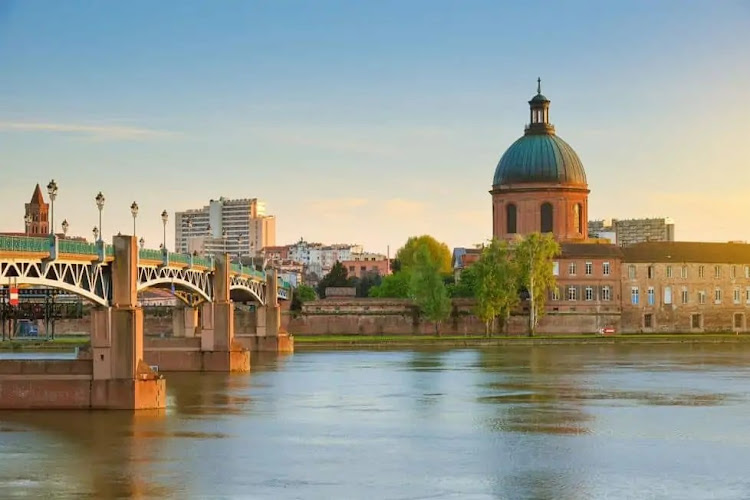
Toulouse
Find Accommodations Nearby
Recommended Tours & Activities
Visitor Reviews
There are no reviews yet. Be the first one to write one.
Share Your Experience
Have you visited Red statue? Help other travelers by leaving a review.