
Old Wings Toulouse
About Old Wings Toulouse
Description
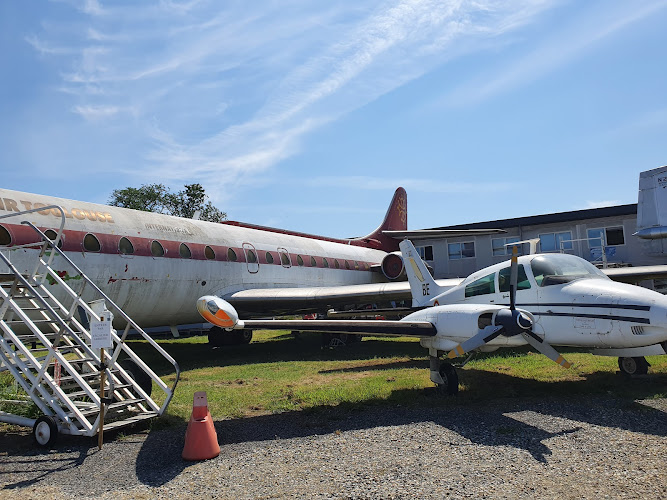
Old Wings Toulouse represents something quite special in the world of aviation museums—a place where genuine passion meets historical preservation in ways that larger institutions often can't replicate. Run primarily by volunteers who live and breathe aviation history, this museum offers visitors an intimate look at military aircraft and the stories behind them. Unlike the polished, corporate feel of many modern museums, there's an authenticity here that comes from people who genuinely care about every rivet and panel. The collection focuses heavily on military aviation, with particular emphasis on aircraft that saw service in various conflicts throughout the 20th century. What makes this place remarkable isn't just the planes themselves, though they're certainly impressive. It's the fact that many of these aircraft are being actively restored by dedicated volunteers who work tirelessly to bring these machines back to their former glory. You'll often see restoration work happening right before your eyes, which honestly makes the experience far more engaging than simply walking past static displays. I've always believed that the best museums are the ones where you can feel the dedication of the people behind them, and that's exactly what you get here. The volunteers—many of whom are former military personnel or aviation enthusiasts with decades of experience—are usually more than happy to share stories and technical details that you simply won't find on any placard. And that's where the real magic happens, in those conversations where history comes alive through personal connection. The facility itself maintains a working museum atmosphere rather than a sterile exhibition space. This isn't necessarily a criticism—there's something refreshing about a museum that prioritizes substance over flashy presentation. Families will find it particularly engaging for children who are interested in military history or aviation, as the hands-on nature of seeing actual restoration work provides educational value that goes beyond typical museum visits.Key Features
The museum offers several distinctive elements that set it apart from other aviation attractions: • Active aircraft restoration workshops where visitors can observe preservation work in progress • Knowledgeable volunteer guides with firsthand military and aviation experience who provide detailed insights • Collection of military aircraft spanning multiple eras of aviation history • Child-friendly activities and discounted admission for young visitors • Fully accessible facilities including wheelchair-accessible entrances, parking, and restrooms • Free parking on-site, eliminating one of those annoying travel expenses • Inclusive and welcoming atmosphere for all visitors regardless of background • Genuine artifacts and components that tell the story of military aviation development • Opportunity to get closer to aircraft than most traditional museums typically allow • Educational programs that make military history tangible for younger generationsBest Time to Visit
Timing your visit to Old Wings Toulouse requires a bit of strategy if you want to maximize your experience. The museum operates on somewhat limited hours compared to larger institutions, which actually works in visitors' favor—smaller crowds mean more opportunities for personal interaction with the volunteer staff. Weekday visits tend to be quieter, giving you better access to the volunteers who are often working on restoration projects. This is when you're most likely to catch them in the middle of interesting work and willing to chat about what they're doing. I'd personally recommend mid-morning visits during the week if your schedule allows it, as this is when the restoration teams are usually most active and energized. Weekend visits bring more families, which creates a different but equally valuable atmosphere. If you're traveling with children, the weekend energy can actually enhance the experience as kids feed off each other's excitement. However, be prepared for slightly less one-on-one time with the volunteers. Weather doesn't impact the visit significantly since most exhibits are housed indoors, but spring and fall offer pleasant temperatures for exploring any outdoor displays or taking breaks in the surrounding area. Summer can get warm inside the hangar-style buildings, so dress accordingly. Winter visits are perfectly fine, though the metal aircraft and buildings can feel chilly. Avoid visiting during major French holidays when staffing might be reduced. The museum relies on volunteers, so their availability can fluctuate. Calling ahead to confirm hours is never a bad idea—something I've learned the hard way at volunteer-run attractions.How to Get There
Reaching Old Wings Toulouse requires some planning since it's not located in the city center where most tourists spend their time. But honestly, that's part of its charm—getting slightly off the beaten path often leads to the most memorable discoveries. For those driving, the museum offers free parking right on site, which immediately puts it ahead of many attractions that charge premium rates for parking. The facility is accessible by car via major roads leading out of Toulouse, and GPS navigation will get you there without much hassle. Just make sure to enter the correct name in your navigation system, as some mapping applications can be finicky with smaller museums. Public transportation is possible but requires more effort. You'll likely need to combine bus routes or take a bus to a nearby stop and then walk the remaining distance. This isn't necessarily a dealbreaker, especially for budget-conscious travelers, but it does add time and complexity to your journey. If you're staying in central Toulouse without a car, consider whether the transportation effort aligns with your interest level in aviation history. Taxi or rideshare services offer the most convenient option for visitors without cars who want to avoid public transit complications. The cost will be moderate depending on where you're coming from in Toulouse, but splitting it among a group makes it quite reasonable. For those renting cars—which I often recommend for exploring the Toulouse region anyway—the museum makes an excellent addition to a day trip itinerary. You could easily combine it with other attractions outside the city center, making efficient use of your transportation investment.Tips for Visiting
Getting the most from your Old Wings Toulouse experience requires approaching it with the right mindset and preparation. This isn't a massive museum where you'll spend an entire day, but it punches above its weight in terms of value if you engage properly. First and foremost, talk to the volunteers. I can't stress this enough. The written information available is fine, but the real treasure lies in the knowledge and stories these dedicated individuals carry. Don't be shy about asking questions or expressing interest in specific aircraft. Most volunteers are absolutely thrilled to share their expertise with genuinely curious visitors. Allow at least two hours for your visit, possibly more if you're a serious aviation enthusiast or traveling with particularly curious children. Rushing through defeats the purpose entirely. This is a place to linger, observe, and absorb rather than tick off a checklist. Bring comfortable shoes even though the museum isn't enormous. You'll be standing more than you might expect, especially if you get caught up in conversations with volunteers or watching restoration work. The floors can be concrete or uneven in workshop areas. Photography is generally welcomed, and you'll want your camera or smartphone handy. The lighting isn't always perfect for photos—these are working spaces, not staged exhibitions—but that authentic quality often makes for more interesting pictures anyway. If you're visiting with children, prep them beforehand about what they'll see. Kids who have some context about military history or how airplanes work will engage more deeply. But even without preparation, the sheer size of the aircraft usually captivates young visitors naturally. Check if any special events or demonstration days are scheduled during your visit. The museum occasionally hosts special activities that can significantly enhance the experience. Pack snacks and water since there's no restaurant on site. You'll find restrooms available, but food options are limited to what you bring yourself. Be respectful of the restoration work happening around you. These volunteers are preserving irreplaceable pieces of history, often with limited resources. Their dedication deserves appreciation and understanding. Consider making a small donation if you enjoyed your visit. Museums run by volunteers and enthusiasts operate on tight budgets, and every contribution helps maintain these important historical artifacts for future generations. Finally, manage expectations appropriately. This isn't the Smithsonian or the Imperial War Museum. What it lacks in scale and polish, it makes up for in authenticity and passion. Approach it as an opportunity to connect with living history through the people preserving it, and you won't be disappointed.Key Features
- Key Features
- Best Time to Visit
- How to Get There
- Tips for Visiting
More Details
Updated March 30, 2026
Table of Contents
Description
Old Wings Toulouse represents something quite special in the world of aviation museums—a place where genuine passion meets historical preservation in ways that larger institutions often can’t replicate. Run primarily by volunteers who live and breathe aviation history, this museum offers visitors an intimate look at military aircraft and the stories behind them. Unlike the polished, corporate feel of many modern museums, there’s an authenticity here that comes from people who genuinely care about every rivet and panel.
The collection focuses heavily on military aviation, with particular emphasis on aircraft that saw service in various conflicts throughout the 20th century. What makes this place remarkable isn’t just the planes themselves, though they’re certainly impressive. It’s the fact that many of these aircraft are being actively restored by dedicated volunteers who work tirelessly to bring these machines back to their former glory. You’ll often see restoration work happening right before your eyes, which honestly makes the experience far more engaging than simply walking past static displays.
I’ve always believed that the best museums are the ones where you can feel the dedication of the people behind them, and that’s exactly what you get here. The volunteers—many of whom are former military personnel or aviation enthusiasts with decades of experience—are usually more than happy to share stories and technical details that you simply won’t find on any placard. And that’s where the real magic happens, in those conversations where history comes alive through personal connection.
The facility itself maintains a working museum atmosphere rather than a sterile exhibition space. This isn’t necessarily a criticism—there’s something refreshing about a museum that prioritizes substance over flashy presentation. Families will find it particularly engaging for children who are interested in military history or aviation, as the hands-on nature of seeing actual restoration work provides educational value that goes beyond typical museum visits.
Key Features
The museum offers several distinctive elements that set it apart from other aviation attractions:
• Active aircraft restoration workshops where visitors can observe preservation work in progress
• Knowledgeable volunteer guides with firsthand military and aviation experience who provide detailed insights
• Collection of military aircraft spanning multiple eras of aviation history
• Child-friendly activities and discounted admission for young visitors
• Fully accessible facilities including wheelchair-accessible entrances, parking, and restrooms
• Free parking on-site, eliminating one of those annoying travel expenses
• Inclusive and welcoming atmosphere for all visitors regardless of background
• Genuine artifacts and components that tell the story of military aviation development
• Opportunity to get closer to aircraft than most traditional museums typically allow
• Educational programs that make military history tangible for younger generations
Best Time to Visit
Timing your visit to Old Wings Toulouse requires a bit of strategy if you want to maximize your experience. The museum operates on somewhat limited hours compared to larger institutions, which actually works in visitors’ favor—smaller crowds mean more opportunities for personal interaction with the volunteer staff.
Weekday visits tend to be quieter, giving you better access to the volunteers who are often working on restoration projects. This is when you’re most likely to catch them in the middle of interesting work and willing to chat about what they’re doing. I’d personally recommend mid-morning visits during the week if your schedule allows it, as this is when the restoration teams are usually most active and energized.
Weekend visits bring more families, which creates a different but equally valuable atmosphere. If you’re traveling with children, the weekend energy can actually enhance the experience as kids feed off each other’s excitement. However, be prepared for slightly less one-on-one time with the volunteers.
Weather doesn’t impact the visit significantly since most exhibits are housed indoors, but spring and fall offer pleasant temperatures for exploring any outdoor displays or taking breaks in the surrounding area. Summer can get warm inside the hangar-style buildings, so dress accordingly. Winter visits are perfectly fine, though the metal aircraft and buildings can feel chilly.
Avoid visiting during major French holidays when staffing might be reduced. The museum relies on volunteers, so their availability can fluctuate. Calling ahead to confirm hours is never a bad idea—something I’ve learned the hard way at volunteer-run attractions.
How to Get There
Reaching Old Wings Toulouse requires some planning since it’s not located in the city center where most tourists spend their time. But honestly, that’s part of its charm—getting slightly off the beaten path often leads to the most memorable discoveries.
For those driving, the museum offers free parking right on site, which immediately puts it ahead of many attractions that charge premium rates for parking. The facility is accessible by car via major roads leading out of Toulouse, and GPS navigation will get you there without much hassle. Just make sure to enter the correct name in your navigation system, as some mapping applications can be finicky with smaller museums.
Public transportation is possible but requires more effort. You’ll likely need to combine bus routes or take a bus to a nearby stop and then walk the remaining distance. This isn’t necessarily a dealbreaker, especially for budget-conscious travelers, but it does add time and complexity to your journey. If you’re staying in central Toulouse without a car, consider whether the transportation effort aligns with your interest level in aviation history.
Taxi or rideshare services offer the most convenient option for visitors without cars who want to avoid public transit complications. The cost will be moderate depending on where you’re coming from in Toulouse, but splitting it among a group makes it quite reasonable.
For those renting cars—which I often recommend for exploring the Toulouse region anyway—the museum makes an excellent addition to a day trip itinerary. You could easily combine it with other attractions outside the city center, making efficient use of your transportation investment.
Tips for Visiting
Getting the most from your Old Wings Toulouse experience requires approaching it with the right mindset and preparation. This isn’t a massive museum where you’ll spend an entire day, but it punches above its weight in terms of value if you engage properly.
First and foremost, talk to the volunteers. I can’t stress this enough. The written information available is fine, but the real treasure lies in the knowledge and stories these dedicated individuals carry. Don’t be shy about asking questions or expressing interest in specific aircraft. Most volunteers are absolutely thrilled to share their expertise with genuinely curious visitors.
Allow at least two hours for your visit, possibly more if you’re a serious aviation enthusiast or traveling with particularly curious children. Rushing through defeats the purpose entirely. This is a place to linger, observe, and absorb rather than tick off a checklist.
Bring comfortable shoes even though the museum isn’t enormous. You’ll be standing more than you might expect, especially if you get caught up in conversations with volunteers or watching restoration work. The floors can be concrete or uneven in workshop areas.
Photography is generally welcomed, and you’ll want your camera or smartphone handy. The lighting isn’t always perfect for photos—these are working spaces, not staged exhibitions—but that authentic quality often makes for more interesting pictures anyway.
If you’re visiting with children, prep them beforehand about what they’ll see. Kids who have some context about military history or how airplanes work will engage more deeply. But even without preparation, the sheer size of the aircraft usually captivates young visitors naturally.
Check if any special events or demonstration days are scheduled during your visit. The museum occasionally hosts special activities that can significantly enhance the experience.
Pack snacks and water since there’s no restaurant on site. You’ll find restrooms available, but food options are limited to what you bring yourself.
Be respectful of the restoration work happening around you. These volunteers are preserving irreplaceable pieces of history, often with limited resources. Their dedication deserves appreciation and understanding.
Consider making a small donation if you enjoyed your visit. Museums run by volunteers and enthusiasts operate on tight budgets, and every contribution helps maintain these important historical artifacts for future generations.
Finally, manage expectations appropriately. This isn’t the Smithsonian or the Imperial War Museum. What it lacks in scale and polish, it makes up for in authenticity and passion. Approach it as an opportunity to connect with living history through the people preserving it, and you won’t be disappointed.
Key Highlights
- Key Features
- Best Time to Visit
- How to Get There
- Tips for Visiting
Location
Places to Stay Near Old Wings Toulouse
Find and Book a Tour
Explore More Travel Guides
No reviews found! Be the first to review!
Old Wings Toulouse is a prominent museums located in Blagnac.
Visit us at: All. André Turcat, 31700 Blagnac, France.
Traveler Reviews for Old Wings Toulouse
There are no reviews yet. Be the first one to write one.
Have you visited Old Wings Toulouse? Help other travelers by sharing your review.
You Might Also Like
Find Accommodations Nearby
Recommended Tours & Activities
Visitor Reviews
There are no reviews yet. Be the first one to write one.
Share Your Experience
Have you visited Old Wings Toulouse? Help other travelers by leaving a review.