Musée départemental de la Résistance & de la Déportation
About Musée départemental de la Résistance & de la Déportation
Description
The Musée départemental de la Résistance & de la Déportation stands as one of France's most moving tributes to the brave souls who resisted Nazi occupation during World War II. Located in the Ain department, this memorial museum tells stories that textbooks often gloss over—the everyday heroes who risked everything, the families torn apart by deportation, and the underground networks that kept hope alive during France's darkest hours. Walking through these halls feels different from visiting typical war museums. There's a rawness here, an authenticity that comes from displaying actual artifacts, letters, and personal belongings of resistance fighters and deportees. The museum doesn't just present history; it makes you feel it in your gut. And honestly, that's what makes this place so powerful for travelers who want to understand France beyond the Eiffel Tower and wine country. The museum serves multiple purposes—it's a war museum documenting the 1940-1945 occupation period, a heritage museum preserving regional resistance history, and a memorial honoring those who suffered and died. What struck me most when researching this place is how it manages to balance educational content with deep emotional resonance. You'll find yourself standing in front of a simple pair of shoes or reading a hastily scribbled note, and suddenly history becomes personal. The building itself houses extensive collections of photographs, weapons used by resistance fighters, clandestine newspapers, and heartbreaking testimonies from deportation camp survivors. But beyond the permanent exhibitions, the museum regularly hosts temporary art exhibitions that interpret this period through contemporary perspectives. This blend of historical documentation and artistic interpretation creates a multi-layered experience that sticks with visitors long after they've left.Key Features
- Comprehensive permanent exhibition covering the French Resistance movement in the Ain region, including detailed accounts of local networks and their operations
- Extensive deportation documentation featuring personal testimonies, photographs, and belongings of those sent to concentration camps
- Original artifacts including resistance newspapers, forged documents, radio equipment, and weapons used during clandestine operations
- Full wheelchair accessibility throughout the museum, including entrance, parking areas, and restroom facilities making it welcoming for all visitors
- Rotating temporary art exhibitions that provide fresh perspectives on resistance and deportation themes through contemporary artistic lenses
- Educational displays explaining the progression of Nazi occupation, collaboration issues, and the gradual organization of resistance movements
- Memorial spaces dedicated to remembering local deportees and resistance fighters who lost their lives
- Archive materials available for researchers and history enthusiasts wanting to dive deeper into specific aspects of the period
- Multilingual information panels helping international visitors fully understand the historical context and regional significance
- Clean restroom facilities for visitor comfort during extended museum visits
Best Time to Visit
Timing your visit to the Musée départemental de la Résistance & de la Déportation requires some thought, and I'd say avoid peak tourist season if you want a more contemplative experience. Summer months bring school groups and family travelers, which isn't necessarily bad, but this museum deserves quiet reflection. Spring and early autumn—roughly April through June and September through October—offer the sweet spot for visiting. The weather in the Ain department during these periods is pleasant for walking around the area, and you'll find the museum less crowded. This matters more than you might think because rushing through these exhibitions feels disrespectful to the stories being told. Weekday mornings tend to be quietest, giving you space to absorb the material without feeling hurried by crowds behind you. I've heard from travelers that Tuesday and Thursday mornings particularly offer peaceful viewing conditions. Weekends can get busy with local families and tourists from Lyon, though that energy isn't unwelcome—seeing younger generations engage with this history has its own value. Consider planning your visit around the museum's temporary exhibitions if you're interested in contemporary artistic interpretations of WWII themes. These rotating displays usually change quarterly, adding fresh perspectives to the permanent collections. Check ahead to see what's showing during your travel dates. Winter visits have their own appeal, honestly. The somber nature of the subject matter somehow fits with grey January days, and you'll practically have the place to yourself. Just dress warmly because older museum buildings can get chilly, and you'll want to spend at least two to three hours here to do it justice. Special commemoration dates like May 8th (Victory in Europe Day) and July 16th (commemorating the Vel d'Hiv Roundup) sometimes feature special programming or increased visitors. These can be meaningful times to visit, though expect larger crowds and heightened emotions throughout the exhibitions.How to Get There
Getting to the Musée départemental de la Résistance & de la Déportation requires some planning since it's not located in a major city center. But that's partly what makes it special—it exists in the actual region where much of this resistance activity occurred. If you're driving, which is honestly the most convenient option for exploring the Ain department, you'll find the museum offers wheelchair-accessible parking right on site. The road network in this part of France is well-maintained, and GPS navigation works reliably. Coming from Lyon, you're looking at roughly an hour's drive depending on your exact starting point and traffic conditions. From Geneva, plan for about an hour and fifteen minutes. Public transportation is doable but requires more coordination. The regional train network connects major towns in the Ain, and from there you might need a local bus or taxi to reach the museum. This isn't always straightforward, so I'd recommend checking current schedules well in advance and maybe building in some buffer time for connections that don't always run frequently. For international travelers, Lyon-Saint Exupéry Airport serves as your most practical entry point. From there, renting a car gives you the freedom to explore not just the museum but the beautiful surrounding countryside where resistance fighters once operated. There's something meaningful about driving through these landscapes knowing the history that unfolded here. Bicycle enthusiasts could potentially incorporate the museum into a cycling tour of the region, though you'd need to be comfortable with moderate distances and some elevation changes. The Ain department rewards active travelers with gorgeous scenery, and arriving by bike adds a personal achievement dimension to your visit. Taxi services from nearby towns work as another option, though they'll cost more than public transit. If you're traveling without a car, sometimes coordinating with your hotel or accommodation about transportation solutions proves helpful—they often know local drivers or shuttle services.Tips for Visiting
Allow more time than you think you'll need. Seriously, this isn't a museum you rush through in forty-five minutes. Plan for at least two to three hours minimum, and honestly, history buffs could easily spend half a day here absorbing everything. The emotional weight of the material naturally slows your pace, and that's exactly how it should be. Bring tissues. I'm not being dramatic—many visitors find themselves unexpectedly moved by personal testimonies and artifacts. There's no shame in tears when confronting this history, and you won't be the only one wiping your eyes in certain exhibition rooms. The museum provides wheelchiar accessibility throughout, which is wonderful, but also means visitors with mobility concerns can fully experience everything offered. Don't let accessibility worries prevent you from visiting—the museum has genuinely considered these needs. Photography policies vary by exhibition area, so ask at the entrance about current rules. Some sections prohibit photos out of respect for the subjects, while others allow photography for personal use. Always be respectful about this—snapping selfies in a Holocaust memorial section is never appropriate. Come prepared with some basic knowledge about WWII and the French Resistance if possible. While the museum provides context, visitors with foundational understanding will appreciate the nuances more deeply. That said, don't skip it if you're not a history expert—the exhibitions work for various knowledge levels. Visit the restroom before starting your tour since interrupting the exhibition flow breaks your concentration. The facilities are clean and accessible, thankfully, but strategically timing your visit helps maintain emotional and intellectual engagement with the material. Consider visiting alone or with a small group rather than large parties. The reflective nature of the museum suits quiet contemplation better than group chatter. And honestly, people process this heavy material differently, so moving at your own pace matters. If you're traveling with children, think carefully about age appropriateness. The museum doesn't shy away from deportation realities and concentration camp horrors. Mature teenagers can certainly handle and benefit from this education, but younger kids might find it overwhelming or frightening. Don't rush to the next tourist attraction immediately afterward. Give yourself time to decompress, maybe find a quiet café nearby to process what you've seen. This museum stirs up feelings that need space to settle. Check if guided tours are available in your language. Knowledgeable guides add context and can answer questions that enhance understanding significantly. Even if you normally prefer self-guided experiences, this is one place where expert narration adds considerable value. Dress comfortably and appropriately. You'll be standing and walking for extended periods, so wear good shoes. Also, while there's no formal dress code, treating the space with respect means avoiding overly casual attire like beachwear or clothing with potentially offensive graphics. The museum lacks an on-site restaurant, so plan meals accordingly. Eat before arriving or bring snacks for afterward, though obviously consume food outside the exhibition spaces. The surrounding area has dining options worth exploring once you finish your visit.Key Features
- Permanent exhibition on occupation, resistance, liberation and deportation in Haute-Garonne
- Collection of original documents, photographs and personal objects (over 30,000 items in the institution’s holdings)
- Renovated exhibition design (reopened 2020) with clear chronological narrative
- Regular temporary exhibitions and an active cultural program (talks, screenings, workshops)
- Accessible location near central Toulouse and linked to memorial sites on the esplanade
More Details
Updated March 30, 2026
Table of Contents
- Description
- Key Features
- Best Time to Visit
- How to Get There
- Tips for Visiting
- Key Highlights
- Location
- Places to Stay Near Musée départemental de la Résistance & de la Déportation
- Find and Book a Tour
- Explore More Travel Guides
- Nearby Places You Might Like
- Traveler Reviews for Musée départemental de la Résistance & de la Déportation
- Share Your Experience
Description
The Musée départemental de la Résistance & de la Déportation stands as one of France’s most moving tributes to the brave souls who resisted Nazi occupation during World War II. Located in the Ain department, this memorial museum tells stories that textbooks often gloss over—the everyday heroes who risked everything, the families torn apart by deportation, and the underground networks that kept hope alive during France’s darkest hours.
Walking through these halls feels different from visiting typical war museums. There’s a rawness here, an authenticity that comes from displaying actual artifacts, letters, and personal belongings of resistance fighters and deportees. The museum doesn’t just present history; it makes you feel it in your gut. And honestly, that’s what makes this place so powerful for travelers who want to understand France beyond the Eiffel Tower and wine country.
The museum serves multiple purposes—it’s a war museum documenting the 1940-1945 occupation period, a heritage museum preserving regional resistance history, and a memorial honoring those who suffered and died. What struck me most when researching this place is how it manages to balance educational content with deep emotional resonance. You’ll find yourself standing in front of a simple pair of shoes or reading a hastily scribbled note, and suddenly history becomes personal.
The building itself houses extensive collections of photographs, weapons used by resistance fighters, clandestine newspapers, and heartbreaking testimonies from deportation camp survivors. But beyond the permanent exhibitions, the museum regularly hosts temporary art exhibitions that interpret this period through contemporary perspectives. This blend of historical documentation and artistic interpretation creates a multi-layered experience that sticks with visitors long after they’ve left.
Key Features
- Comprehensive permanent exhibition covering the French Resistance movement in the Ain region, including detailed accounts of local networks and their operations
- Extensive deportation documentation featuring personal testimonies, photographs, and belongings of those sent to concentration camps
- Original artifacts including resistance newspapers, forged documents, radio equipment, and weapons used during clandestine operations
- Full wheelchair accessibility throughout the museum, including entrance, parking areas, and restroom facilities making it welcoming for all visitors
- Rotating temporary art exhibitions that provide fresh perspectives on resistance and deportation themes through contemporary artistic lenses
- Educational displays explaining the progression of Nazi occupation, collaboration issues, and the gradual organization of resistance movements
- Memorial spaces dedicated to remembering local deportees and resistance fighters who lost their lives
- Archive materials available for researchers and history enthusiasts wanting to dive deeper into specific aspects of the period
- Multilingual information panels helping international visitors fully understand the historical context and regional significance
- Clean restroom facilities for visitor comfort during extended museum visits
Best Time to Visit
Timing your visit to the Musée départemental de la Résistance & de la Déportation requires some thought, and I’d say avoid peak tourist season if you want a more contemplative experience. Summer months bring school groups and family travelers, which isn’t necessarily bad, but this museum deserves quiet reflection.
Spring and early autumn—roughly April through June and September through October—offer the sweet spot for visiting. The weather in the Ain department during these periods is pleasant for walking around the area, and you’ll find the museum less crowded. This matters more than you might think because rushing through these exhibitions feels disrespectful to the stories being told.
Weekday mornings tend to be quietest, giving you space to absorb the material without feeling hurried by crowds behind you. I’ve heard from travelers that Tuesday and Thursday mornings particularly offer peaceful viewing conditions. Weekends can get busy with local families and tourists from Lyon, though that energy isn’t unwelcome—seeing younger generations engage with this history has its own value.
Consider planning your visit around the museum’s temporary exhibitions if you’re interested in contemporary artistic interpretations of WWII themes. These rotating displays usually change quarterly, adding fresh perspectives to the permanent collections. Check ahead to see what’s showing during your travel dates.
Winter visits have their own appeal, honestly. The somber nature of the subject matter somehow fits with grey January days, and you’ll practically have the place to yourself. Just dress warmly because older museum buildings can get chilly, and you’ll want to spend at least two to three hours here to do it justice.
Special commemoration dates like May 8th (Victory in Europe Day) and July 16th (commemorating the Vel d’Hiv Roundup) sometimes feature special programming or increased visitors. These can be meaningful times to visit, though expect larger crowds and heightened emotions throughout the exhibitions.
How to Get There
Getting to the Musée départemental de la Résistance & de la Déportation requires some planning since it’s not located in a major city center. But that’s partly what makes it special—it exists in the actual region where much of this resistance activity occurred.
If you’re driving, which is honestly the most convenient option for exploring the Ain department, you’ll find the museum offers wheelchair-accessible parking right on site. The road network in this part of France is well-maintained, and GPS navigation works reliably. Coming from Lyon, you’re looking at roughly an hour’s drive depending on your exact starting point and traffic conditions. From Geneva, plan for about an hour and fifteen minutes.
Public transportation is doable but requires more coordination. The regional train network connects major towns in the Ain, and from there you might need a local bus or taxi to reach the museum. This isn’t always straightforward, so I’d recommend checking current schedules well in advance and maybe building in some buffer time for connections that don’t always run frequently.
For international travelers, Lyon-Saint Exupéry Airport serves as your most practical entry point. From there, renting a car gives you the freedom to explore not just the museum but the beautiful surrounding countryside where resistance fighters once operated. There’s something meaningful about driving through these landscapes knowing the history that unfolded here.
Bicycle enthusiasts could potentially incorporate the museum into a cycling tour of the region, though you’d need to be comfortable with moderate distances and some elevation changes. The Ain department rewards active travelers with gorgeous scenery, and arriving by bike adds a personal achievement dimension to your visit.
Taxi services from nearby towns work as another option, though they’ll cost more than public transit. If you’re traveling without a car, sometimes coordinating with your hotel or accommodation about transportation solutions proves helpful—they often know local drivers or shuttle services.
Tips for Visiting
Allow more time than you think you’ll need. Seriously, this isn’t a museum you rush through in forty-five minutes. Plan for at least two to three hours minimum, and honestly, history buffs could easily spend half a day here absorbing everything. The emotional weight of the material naturally slows your pace, and that’s exactly how it should be.
Bring tissues. I’m not being dramatic—many visitors find themselves unexpectedly moved by personal testimonies and artifacts. There’s no shame in tears when confronting this history, and you won’t be the only one wiping your eyes in certain exhibition rooms.
The museum provides wheelchiar accessibility throughout, which is wonderful, but also means visitors with mobility concerns can fully experience everything offered. Don’t let accessibility worries prevent you from visiting—the museum has genuinely considered these needs.
Photography policies vary by exhibition area, so ask at the entrance about current rules. Some sections prohibit photos out of respect for the subjects, while others allow photography for personal use. Always be respectful about this—snapping selfies in a Holocaust memorial section is never appropriate.
Come prepared with some basic knowledge about WWII and the French Resistance if possible. While the museum provides context, visitors with foundational understanding will appreciate the nuances more deeply. That said, don’t skip it if you’re not a history expert—the exhibitions work for various knowledge levels.
Visit the restroom before starting your tour since interrupting the exhibition flow breaks your concentration. The facilities are clean and accessible, thankfully, but strategically timing your visit helps maintain emotional and intellectual engagement with the material.
Consider visiting alone or with a small group rather than large parties. The reflective nature of the museum suits quiet contemplation better than group chatter. And honestly, people process this heavy material differently, so moving at your own pace matters.
If you’re traveling with children, think carefully about age appropriateness. The museum doesn’t shy away from deportation realities and concentration camp horrors. Mature teenagers can certainly handle and benefit from this education, but younger kids might find it overwhelming or frightening.
Don’t rush to the next tourist attraction immediately afterward. Give yourself time to decompress, maybe find a quiet café nearby to process what you’ve seen. This museum stirs up feelings that need space to settle.
Check if guided tours are available in your language. Knowledgeable guides add context and can answer questions that enhance understanding significantly. Even if you normally prefer self-guided experiences, this is one place where expert narration adds considerable value.
Dress comfortably and appropriately. You’ll be standing and walking for extended periods, so wear good shoes. Also, while there’s no formal dress code, treating the space with respect means avoiding overly casual attire like beachwear or clothing with potentially offensive graphics.
The museum lacks an on-site restaurant, so plan meals accordingly. Eat before arriving or bring snacks for afterward, though obviously consume food outside the exhibition spaces. The surrounding area has dining options worth exploring once you finish your visit.
Key Highlights
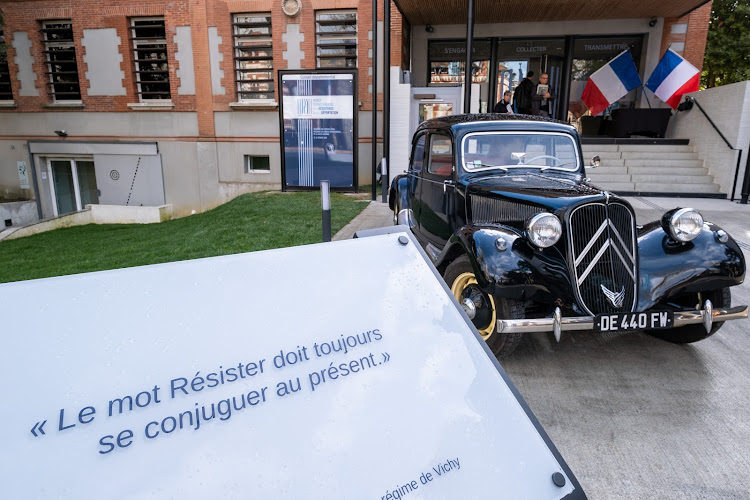
- Permanent exhibition on occupation, resistance, liberation and deportation in Haute-Garonne
- Collection of original documents, photographs and personal objects (over 30,000 items in the institution’s holdings)
- Renovated exhibition design (reopened 2020) with clear chronological narrative
- Regular temporary exhibitions and an active cultural program (talks, screenings, workshops)
- Accessible location near central Toulouse and linked to memorial sites on the esplanade
Location
Places to Stay Near Musée départemental de la Résistance & de la Déportation
Find and Book a Tour
Explore More Travel Guides
No reviews found! Be the first to review!
Musée départemental de la Résistance & de la Déportation is a prominent museums located in Toulouse.
Visit us at: 52 All. des Demoiselles, 31400 Toulouse, France.
Traveler Reviews for Musée départemental de la Résistance & de la Déportation
There are no reviews yet. Be the first one to write one.
Have you visited Musée départemental de la Résistance & de la Déportation? Help other travelers by sharing your review.
Nearby Attractions
Find Accommodations Nearby
Recommended Tours & Activities
Visitor Reviews
There are no reviews yet. Be the first one to write one.
Share Your Experience
Have you visited Musée départemental de la Résistance & de la Déportation? Help other travelers by leaving a review.
