
Musée Paul-Dupuy
About Musée Paul-Dupuy
Description
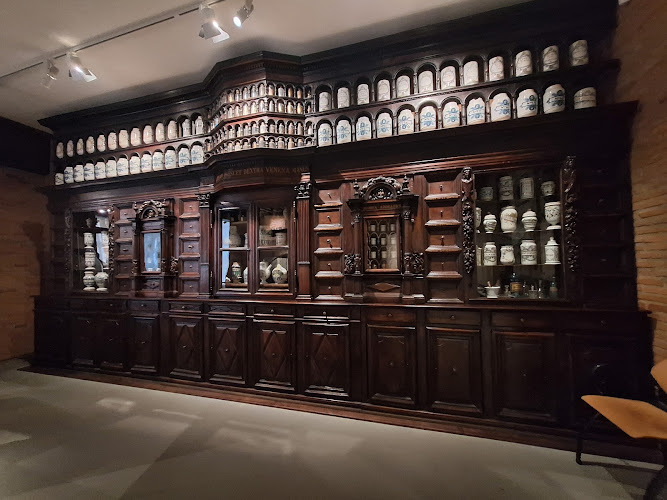
The Musée Paul-Dupuy offers travelers a refreshingly intimate glimpse into decorative arts and historical treasures that often get overshadowed by France's larger, more famous museums. And honestly, that's part of its charm. Housed within a beautifully restored 17th-century private mansion, this art museum presents an eclectic collection that spans centuries of craftsmanship, from medieval religious artifacts to elaborate pocket watches that'll make any timepiece enthusiast weak in the knees. When you step through those doors, you're entering what was once a grand bourgeois residence, and the setting itself tells a story. The building's architecture provides an authentic backdrop for the diverse collections inside, making the experience feel less like a stuffy institutional visit and more like you've been invited into someone's extraordinarily curated home. The museum focuses primarily on decorative and applied arts, which means you'll find yourself face-to-face with objects people actually used in daily life—though admittedly, most of us don't wear the kind of jewelry on display here to run errands. I've always felt that smaller museums like this one reveal more about how people actually lived than grand galleries filled with masterpiece paintings. The Musée Paul-Dupuy succeeds brilliantly in this regard. Named after its founder Paul Dupuy, who donated his substantial personal collection to the city of Toulouse in 1949, the museum has grown considerably since its inception. What started as one man's passion for collecting has evolved into a comprehensive showcase of regional history and artistic achievement. The collections here span from the Middle Ages through to the early 20th century, with particular strengths in horology (that's fancy talk for clocks and watches), numismatics (coins and medals), pharmacy jars, graphic arts, and religious artifacts. But what really sets this place apart is how these objects are presented—not just as art objects behind glass, but as windows into social history, technological advancement, and human creativity across the ages.Key Features
- Exceptional Horology Collection: One of France's most impressive assemblages of timepieces, featuring everything from ornate pocket watches to intricate clockwork mechanisms that demonstrate the evolution of timekeeping technology from the 16th century onward
- Medieval and Renaissance Treasures: Religious sculptures, illuminated manuscripts, and decorative objects that provide insight into spiritual and artistic life during these formative European periods
- Graphic Arts Department: An outstanding collection of drawings, prints, and engravings by both regional and internationally recognized artists that rotates regularly to protect light-sensitive works
- Numismatic Collection: Thousands of coins and medals chronicling economic and political history, with particularly strong holdings from the Toulouse region and southern France
- Pharmaceutical Heritage: A fascinating assembly of apothecary jars, medical instruments, and pharmacy-related artifacts that reveal historical approaches to healing and medicine
- Jewelry and Precious Objects: Exquisite examples of goldsmith work, enamel pieces, and decorative arts that showcase the technical mastery of artisans through the centuries
- Historic Building Architecture: The restored mansion itself serves as an exhibit, with period rooms and architectural details that complement the collections beautifully
- Family-Friendly Accessibility: Thoughtfully designed spaces that work well for visitors of all ages, with wheelchair accessible facilities throughout and assistive hearing loops for those who need them
- Gender-Neutral Facilities: Modern amenities including gender-neutral restrooms demonstrate the museum's commitment to inclusive visitor experience
- Free Wi-Fi Access: Connectivity throughout the museum allows visitors to research pieces, share discoveries, or access additional information during their visit
Best Time to Visit
Timing your visit to the Musée Paul-Dupuy can make a significant difference in your experience, though this isn't one of those places that gets absolutely mobbed with tourists even during peak season. That's actually one of its advantages. The museum tends to be quietest on weekday mornings, particularly Tuesday through Thursday, when you can often find yourself nearly alone in certain galleries. There's something magical about having a room full of centuries-old treasures essentially to yourself, and midweek visits frequently offer this privilege. If you're the type who likes to linger over individual pieces without feeling rushed by crowds behind you, aim for these windows. Weekends naturally draw more local families and visitors, but even then, the crowds rarely reach uncomfortable levels. Sunday afternoons can be busier as Toulouse residents make cultural outings part of their weekly routine. But honestly? Even a "busy" day here feels relaxed compared to the elbow-to-elbow shuffling you'll experience at major Parisian museums. Seasonally speaking, spring and fall offer ideal visiting conditions. The weather in Toulouse during April through June and September through October remains pleasant for combining your museum visit with walks through the surrounding historic quarter. Summer brings more tourists to the city overall, and the air-conditioned interior of the museum provides welcome relief from July and August heat. Winter months see fewer visitors but offer their own appeal—there's something appropriate about viewing medieval religious art on a gray December afternoon. The museum occasionally hosts temporary exhibitions that can significantly enhance your visit. Check ahead to see what's on display during your travel dates, as special exhibits often showcase rarely-seen pieces from the permanent collection or borrowed works that complement the existing holdings. These special exhibitions typically run for several months and can provide excellent focal points for your visit. Avoid the first Sunday of certain months when admission is free—while saving money is nice, the increased crowds can diminish the experience. The regular admission price remains quite reasonable anyway, making this trade-off less appealing than it might initially seem.How to Get There
Getting to the Musée Paul-Dupuy involves navigating Toulouse's historic center, which fortunately offers multiple transportation options. The museum sits in the heart of the old town, making it accessible whether you're staying nearby or coming from other parts of the city. If you're using public transportation, the Toulouse Metro system provides the most straightforward approach. The Esquirol station on Line A places you within a short walk of the museum. From the station, it's a pleasant stroll through pedestrian-friendly streets that themselves offer plenty of architectural interest. Follow the signs toward the old town, and you'll find yourself approaching the museum within about ten minutes. The walk takes you through some genuinely charming parts of Toulouse, so don't rush—the journey itself contributes to the experience. Bus routes also serve the area well, with several lines stopping near the museum. Routes 2, 10, and 14 all have stops within easy walking distance. Local buses in Toulouse run frequently and reliably, though navigating the system can take a bit of figuring if you're unfamiliar with the city. Download the Tisseo app for real-time schedules and route planning—it makes the whole process considerably less stressful. For those driving, parking in Toulouse's historic center presents the usual old-city challenges. Several public parking garages operate within walking distance, including the Capitole and Esquirol car parks. Expect to pay standard city center rates, and remember that many streets in this area are pedestrianized or restricted, so don't try to drive right up to the museum entrance. Park in a designated garage and walk the final bit. Cycling has become increasingly popular in Toulouse, and the VélôToulouse bike-share system includes stations near the museum. The city has been improving its cycling infrastructure, though admittedly the old town's narrow streets require some confidence and attention. If you're comfortable cycling in urban environments, this option offers flexibility and the chance to explore more of the city efficiently. Walking remains perhaps the best option if you're staying anywhere in the central districts. Toulouse's old town is compact enough that most hotels and accommodations within the historic area place you within a 15-20 minute walk of the museum. And frankly, walking these streets provides context for the collections you'll see inside—the architecture, the layout, the atmosphere all connect to the historical periods represented in the museum. Taxi and ride-share services operate throughout Toulouse, though they can't always drop you directly at the entrance due to pedestrian zones. Drivers familiar with the area will know the closest accessible drop-off points.Tips for Visiting
Planning ahead makes any museum visit more rewarding, and the Musée Paul-Dupuy has some specific considerations worth keeping in mind. First off, don't rush through this place. I've seen too many travelers treat it as a quick checkbox on their Toulouse itinerary, spending maybe 45 minutes before moving on. That approach means missing much of what makes the museum special. Budget at least two hours, more if you have genuine interest in any of the specialized collections. The horology section deserves particular attention and time. Even if you've never considered yourself a "watch person," the craftsmanship on display here is genuinely remarkable. Take the time to look closely at the mechanisms, the decorative details, the miniature artistry involved in creating these functional objects. There are pieces here that represent thousands of hours of human labor and skill. Photography policies are worth checking at the entrance, as they can vary depending on current exhibitions. Generally, photography without flash is permitted for the permanent collections, but temporary exhibitions sometimes have restrictions. When you can photograph, resist the urge to just snap everything quickly. Pick a few pieces that really speak to you and photograph those thoughtfully. The museum provides information in French primarily, with some English materials available. If your French is limited, consider downloading a translation app beforehand or picking up the English guide at the entrance. That said, much of what you're seeing—particularly the decorative objects—communicates visually regardless of language barriers. Sometimes I think we rely too heavily on reading every placard when simply looking closely at objects teaches us plenty. Wear comfortable shoes. The museum involves more standing and walking than you might anticipate, and the historic building includes stairs (though accessible routes exist for those who need them). The floors can be hard on feet, so save your fashion-forward-but-uncomfortable footwear for evening dining. The museum doesn't have a restaurant or café, which honestly surprises some visitors. Plan accordingly—either eat before arriving or know where you'll grab lunch or coffee afterward. The surrounding neighborhood offers plenty of options, from quick sandwich shops to sit-down restaurants. This actually works out nicely, as it encourages you to explore the area around the museum rather than staying confined within museum walls. If you're visiting with children, the museum is more kid-friendly than you might expect for a decorative arts collection. The variety of objects—shiny coins, elaborate clocks, mysterious medical instruments—tends to hold children's attention better than room after room of paintings might. Still, this isn't a hands-on children's museum, so set expectations appropriately. Older children and teenagers often find the collections genuinely interesting, particularly if you frame it as detective work—what were these objects used for? Who might have owned them? What do they tell us about how people lived? Take advantage of the accessibility features if you need them. The assistive hearing loops work well, and the wheelchair accessible facilities are genuinely functional, not just technically compliant. The staff generally proves helpful with accessibility questions. Consider visiting the museum as part of a larger exploration of Toulouse's old town rather than as an isolated destination. The area surrounding the Musée Paul-Dupuy contains other historic buildings, churches, and atmospheric streets worth exploring. The museum works beautifully as an anchor for a half-day or full-day immersion in the historic heart of the city. Finally, engage with the museum staff if you have questions. They're typically knowledgeable and willing to share insights about the collections. Don't be shy about asking for recommendations on which pieces to prioritize or requesting background information. A two-minute conversation with a knowledgeable staff member can transform your understanding of a particular object or collection. The Musée Paul-Dupuy won't overwhelm you with size or exhaust you with endless galleries. Instead, it offers a focused, manageable exploration of decorative arts and historical objects that reveals layers of meaning the more attention you pay. For travelers seeking alternatives to the usual tourist circuit, this museum delivers an authentic, enriching experience that reflects Toulouse's cultural heritage without the crowds and chaos of more famous institutions.Key Features
- 17th-century hôtel particulier setting
- Notable historical clock and horology collection
- Extensive decorative arts and furniture displays
- Graphic arts, prints and regional drawings
- Rotating temporary exhibitions and intimate galleries
More Details
Updated March 30, 2026
Table of Contents
Description
The Musée Paul-Dupuy offers travelers a refreshingly intimate glimpse into decorative arts and historical treasures that often get overshadowed by France’s larger, more famous museums. And honestly, that’s part of its charm. Housed within a beautifully restored 17th-century private mansion, this art museum presents an eclectic collection that spans centuries of craftsmanship, from medieval religious artifacts to elaborate pocket watches that’ll make any timepiece enthusiast weak in the knees.
When you step through those doors, you’re entering what was once a grand bourgeois residence, and the setting itself tells a story. The building’s architecture provides an authentic backdrop for the diverse collections inside, making the experience feel less like a stuffy institutional visit and more like you’ve been invited into someone’s extraordinarily curated home. The museum focuses primarily on decorative and applied arts, which means you’ll find yourself face-to-face with objects people actually used in daily life—though admittedly, most of us don’t wear the kind of jewelry on display here to run errands.
I’ve always felt that smaller museums like this one reveal more about how people actually lived than grand galleries filled with masterpiece paintings. The Musée Paul-Dupuy succeeds brilliantly in this regard. Named after its founder Paul Dupuy, who donated his substantial personal collection to the city of Toulouse in 1949, the museum has grown considerably since its inception. What started as one man’s passion for collecting has evolved into a comprehensive showcase of regional history and artistic achievement.
The collections here span from the Middle Ages through to the early 20th century, with particular strengths in horology (that’s fancy talk for clocks and watches), numismatics (coins and medals), pharmacy jars, graphic arts, and religious artifacts. But what really sets this place apart is how these objects are presented—not just as art objects behind glass, but as windows into social history, technological advancement, and human creativity across the ages.
Key Features
- Exceptional Horology Collection: One of France’s most impressive assemblages of timepieces, featuring everything from ornate pocket watches to intricate clockwork mechanisms that demonstrate the evolution of timekeeping technology from the 16th century onward
- Medieval and Renaissance Treasures: Religious sculptures, illuminated manuscripts, and decorative objects that provide insight into spiritual and artistic life during these formative European periods
- Graphic Arts Department: An outstanding collection of drawings, prints, and engravings by both regional and internationally recognized artists that rotates regularly to protect light-sensitive works
- Numismatic Collection: Thousands of coins and medals chronicling economic and political history, with particularly strong holdings from the Toulouse region and southern France
- Pharmaceutical Heritage: A fascinating assembly of apothecary jars, medical instruments, and pharmacy-related artifacts that reveal historical approaches to healing and medicine
- Jewelry and Precious Objects: Exquisite examples of goldsmith work, enamel pieces, and decorative arts that showcase the technical mastery of artisans through the centuries
- Historic Building Architecture: The restored mansion itself serves as an exhibit, with period rooms and architectural details that complement the collections beautifully
- Family-Friendly Accessibility: Thoughtfully designed spaces that work well for visitors of all ages, with wheelchair accessible facilities throughout and assistive hearing loops for those who need them
- Gender-Neutral Facilities: Modern amenities including gender-neutral restrooms demonstrate the museum’s commitment to inclusive visitor experience
- Free Wi-Fi Access: Connectivity throughout the museum allows visitors to research pieces, share discoveries, or access additional information during their visit
Best Time to Visit
Timing your visit to the Musée Paul-Dupuy can make a significant difference in your experience, though this isn’t one of those places that gets absolutely mobbed with tourists even during peak season. That’s actually one of its advantages.
The museum tends to be quietest on weekday mornings, particularly Tuesday through Thursday, when you can often find yourself nearly alone in certain galleries. There’s something magical about having a room full of centuries-old treasures essentially to yourself, and midweek visits frequently offer this privilege. If you’re the type who likes to linger over individual pieces without feeling rushed by crowds behind you, aim for these windows.
Weekends naturally draw more local families and visitors, but even then, the crowds rarely reach uncomfortable levels. Sunday afternoons can be busier as Toulouse residents make cultural outings part of their weekly routine. But honestly? Even a “busy” day here feels relaxed compared to the elbow-to-elbow shuffling you’ll experience at major Parisian museums.
Seasonally speaking, spring and fall offer ideal visiting conditions. The weather in Toulouse during April through June and September through October remains pleasant for combining your museum visit with walks through the surrounding historic quarter. Summer brings more tourists to the city overall, and the air-conditioned interior of the museum provides welcome relief from July and August heat. Winter months see fewer visitors but offer their own appeal—there’s something appropriate about viewing medieval religious art on a gray December afternoon.
The museum occasionally hosts temporary exhibitions that can significantly enhance your visit. Check ahead to see what’s on display during your travel dates, as special exhibits often showcase rarely-seen pieces from the permanent collection or borrowed works that complement the existing holdings. These special exhibitions typically run for several months and can provide excellent focal points for your visit.
Avoid the first Sunday of certain months when admission is free—while saving money is nice, the increased crowds can diminish the experience. The regular admission price remains quite reasonable anyway, making this trade-off less appealing than it might initially seem.
How to Get There
Getting to the Musée Paul-Dupuy involves navigating Toulouse’s historic center, which fortunately offers multiple transportation options. The museum sits in the heart of the old town, making it accessible whether you’re staying nearby or coming from other parts of the city.
If you’re using public transportation, the Toulouse Metro system provides the most straightforward approach. The Esquirol station on Line A places you within a short walk of the museum. From the station, it’s a pleasant stroll through pedestrian-friendly streets that themselves offer plenty of architectural interest. Follow the signs toward the old town, and you’ll find yourself approaching the museum within about ten minutes. The walk takes you through some genuinely charming parts of Toulouse, so don’t rush—the journey itself contributes to the experience.
Bus routes also serve the area well, with several lines stopping near the museum. Routes 2, 10, and 14 all have stops within easy walking distance. Local buses in Toulouse run frequently and reliably, though navigating the system can take a bit of figuring if you’re unfamiliar with the city. Download the Tisseo app for real-time schedules and route planning—it makes the whole process considerably less stressful.
For those driving, parking in Toulouse’s historic center presents the usual old-city challenges. Several public parking garages operate within walking distance, including the Capitole and Esquirol car parks. Expect to pay standard city center rates, and remember that many streets in this area are pedestrianized or restricted, so don’t try to drive right up to the museum entrance. Park in a designated garage and walk the final bit.
Cycling has become increasingly popular in Toulouse, and the VélôToulouse bike-share system includes stations near the museum. The city has been improving its cycling infrastructure, though admittedly the old town’s narrow streets require some confidence and attention. If you’re comfortable cycling in urban environments, this option offers flexibility and the chance to explore more of the city efficiently.
Walking remains perhaps the best option if you’re staying anywhere in the central districts. Toulouse’s old town is compact enough that most hotels and accommodations within the historic area place you within a 15-20 minute walk of the museum. And frankly, walking these streets provides context for the collections you’ll see inside—the architecture, the layout, the atmosphere all connect to the historical periods represented in the museum.
Taxi and ride-share services operate throughout Toulouse, though they can’t always drop you directly at the entrance due to pedestrian zones. Drivers familiar with the area will know the closest accessible drop-off points.
Tips for Visiting
Planning ahead makes any museum visit more rewarding, and the Musée Paul-Dupuy has some specific considerations worth keeping in mind. First off, don’t rush through this place. I’ve seen too many travelers treat it as a quick checkbox on their Toulouse itinerary, spending maybe 45 minutes before moving on. That approach means missing much of what makes the museum special. Budget at least two hours, more if you have genuine interest in any of the specialized collections.
The horology section deserves particular attention and time. Even if you’ve never considered yourself a “watch person,” the craftsmanship on display here is genuinely remarkable. Take the time to look closely at the mechanisms, the decorative details, the miniature artistry involved in creating these functional objects. There are pieces here that represent thousands of hours of human labor and skill.
Photography policies are worth checking at the entrance, as they can vary depending on current exhibitions. Generally, photography without flash is permitted for the permanent collections, but temporary exhibitions sometimes have restrictions. When you can photograph, resist the urge to just snap everything quickly. Pick a few pieces that really speak to you and photograph those thoughtfully.
The museum provides information in French primarily, with some English materials available. If your French is limited, consider downloading a translation app beforehand or picking up the English guide at the entrance. That said, much of what you’re seeing—particularly the decorative objects—communicates visually regardless of language barriers. Sometimes I think we rely too heavily on reading every placard when simply looking closely at objects teaches us plenty.
Wear comfortable shoes. The museum involves more standing and walking than you might anticipate, and the historic building includes stairs (though accessible routes exist for those who need them). The floors can be hard on feet, so save your fashion-forward-but-uncomfortable footwear for evening dining.
The museum doesn’t have a restaurant or café, which honestly surprises some visitors. Plan accordingly—either eat before arriving or know where you’ll grab lunch or coffee afterward. The surrounding neighborhood offers plenty of options, from quick sandwich shops to sit-down restaurants. This actually works out nicely, as it encourages you to explore the area around the museum rather than staying confined within museum walls.
If you’re visiting with children, the museum is more kid-friendly than you might expect for a decorative arts collection. The variety of objects—shiny coins, elaborate clocks, mysterious medical instruments—tends to hold children’s attention better than room after room of paintings might. Still, this isn’t a hands-on children’s museum, so set expectations appropriately. Older children and teenagers often find the collections genuinely interesting, particularly if you frame it as detective work—what were these objects used for? Who might have owned them? What do they tell us about how people lived?
Take advantage of the accessibility features if you need them. The assistive hearing loops work well, and the wheelchair accessible facilities are genuinely functional, not just technically compliant. The staff generally proves helpful with accessibility questions.
Consider visiting the museum as part of a larger exploration of Toulouse’s old town rather than as an isolated destination. The area surrounding the Musée Paul-Dupuy contains other historic buildings, churches, and atmospheric streets worth exploring. The museum works beautifully as an anchor for a half-day or full-day immersion in the historic heart of the city.
Finally, engage with the museum staff if you have questions. They’re typically knowledgeable and willing to share insights about the collections. Don’t be shy about asking for recommendations on which pieces to prioritize or requesting background information. A two-minute conversation with a knowledgeable staff member can transform your understanding of a particular object or collection.
The Musée Paul-Dupuy won’t overwhelm you with size or exhaust you with endless galleries. Instead, it offers a focused, manageable exploration of decorative arts and historical objects that reveals layers of meaning the more attention you pay. For travelers seeking alternatives to the usual tourist circuit, this museum delivers an authentic, enriching experience that reflects Toulouse’s cultural heritage without the crowds and chaos of more famous institutions.
Key Highlights
- 17th-century hôtel particulier setting
- Notable historical clock and horology collection
- Extensive decorative arts and furniture displays
- Graphic arts, prints and regional drawings
- Rotating temporary exhibitions and intimate galleries
Location
Places to Stay Near Musée Paul-Dupuy
Find and Book a Tour
Explore More Travel Guides
No reviews found! Be the first to review!
Musée Paul-Dupuy is a prominent museums located in Toulouse.
Visit us at: 13 Rue de la Pleau, 31000 Toulouse, 法國.
Traveler Reviews for Musée Paul-Dupuy
There are no reviews yet. Be the first one to write one.
Have you visited Musée Paul-Dupuy? Help other travelers by sharing your review.
Nearby Attractions
You Might Also Like
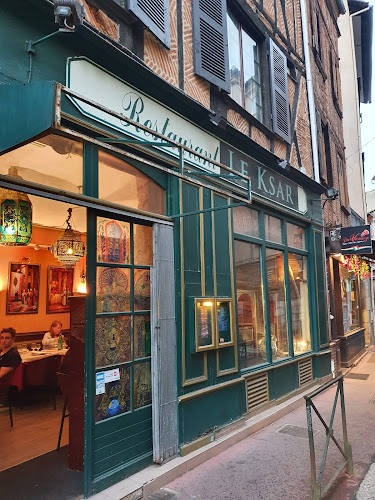
Le Ksar
Pl. Saint-Jacques
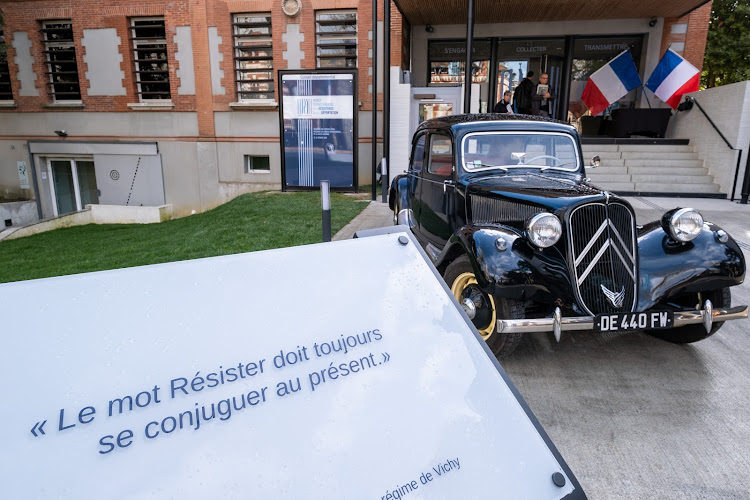
Musée départemental de la Résistance & de la Déportation
Find Accommodations Nearby
Recommended Tours & Activities
Visitor Reviews
There are no reviews yet. Be the first one to write one.
Share Your Experience
Have you visited Musée Paul-Dupuy? Help other travelers by leaving a review.