Basilique Saint-Sernin de Toulouse
About Basilique Saint-Sernin de Toulouse
Description
The Basilique Saint-Sernin de Toulouse stands as one of the most remarkable examples of Romanesque architecture you'll find anywhere in Europe. Built between the 11th and 12th centuries, this medieval masterpiece dominates the Toulouse skyline with its distinctive octagonal bell tower that rises like a terracotta crown above the old city. And honestly, the first time you catch sight of it, the sheer scale of the place takes your breath away. This isn't just another old church, though. The basilica houses an extraordinary collection of relics from 128 saints, making it one of the most significant pilgrimage sites along the Camino de Santiago route. But what really captures people's imagination is the presence of a thorn believed to have come from Christ's Crown of Thorns. Whether you're religious or not, there's something deeply moving about standing in a space that has drawn pilgrims and travelers for nearly a thousand years. The architecture itself tells stories that guidebooks sometimes miss. Walking around the exterior, you'll notice the building's massive scale was designed to accommodate huge crowds of medieval pilgrims. The radiating chapels, the ambulatory that circles behind the choir, the transepts extending like arms—all of this was carefully planned to allow pilgrims to venerate the relics without disrupting ongoing services. It's medieval crowd management at its finest, really. Inside, the atmosphere shifts dramatically. The light filters through small windows, creating this almost otherworldly quality in the vast interior space. The barrel-vaulted ceiling soars overhead, and you can practically feel the weight of history pressing down. The crypt beneath adds another layer to the experience, taking visitors even deeper into the basilica's medieval past.Key Features
The Basilique Saint-Sernin offers visitors several distinctive features that make it worth prioritizing on any Toulouse itinerary:- The Bell Tower: This five-tiered octagonal tower represents the pinnacle of Toulousain Romanesque style, with each level featuring different architectural details that become progressively more ornate as your eye travels upward
- Reliquary Collection: The upper ambulatory displays an impressive array of reliquaries containing remains of 128 saints, though some are displayed only on specific occasions throughout the year
- The Crown of Thorns Relic: Among the most precious relics, a thorn purported to come from Christ's Crown of Thorns draws both pilgrims and curious visitors year-round
- The Crypt: Underground chambers reveal the basilica's earliest foundations and house additional relics in an atmospheric setting that feels worlds away from the streets above
- Romanesque Sculptures: The Porte Miégeville features remarkable 12th-century sculptures depicting biblical scenes, while capitals throughout the interior display intricate carvings ranging from biblical stories to fantastical creatures
- The Ambulatory: This walkway circling the choir allowed medieval pilgrims to view relics without disturbing services, and it remains one of the best-preserved examples of pilgrimage church design
- Ancient Frescoes: Though faded, original medieval frescoes can still be spotted in various chapels, offering glimpses of the basilica's colorful past
- The Grand Organ: Dating from the 17th century with later modifications, this instrument fills the vast space with sound during services and occasional concerts
Best Time to Visit
Timing your visit to Saint-Sernin can make a huge difference in your experience. I've learned this the hard way after visiting popular churches during peak tourist seasons. Early morning visits, particularly right when the basilica opens, offer the most peaceful experience. The light streaming through the windows hits differently in the morning hours, and you'll have more space to simply stand and absorb the atmosphere without dodging tour groups. Most tourists haven't rolled out of bed yet at 8:30 AM, which works decidedly in your favor. Weekday visits generally prove less crowded than weekends, though Sunday morning mass presents its own unique experience if you're interested in seeing the basilica fulfill its original purpose. The acoustics during sung services are genuinely spectacular, and there's something authentic about experiencing the space as generations of worshippers have before you. Seasonally speaking, spring and fall provide ideal conditions. The weather in Toulouse during these months makes the walk to the basilica pleasant, and tourist numbers haven't reached summer peak levels. But don't completely write off winter visits—the basilica in January or February can be almost hauntingly quiet, though you'll want to dress warmly since the medieval stone structure doesn't exactly radiate heat. Summer, particularly July and August, brings the heaviest crowds. Tour groups multiply, and the combination of heat outside and crowds inside can diminish the contemplative atmosphere that makes Saint-Sernin special. If summer is your only option, aim for late afternoon visits when day-trippers have moved on to other attractions. Special religious festivals and feast days create different visiting dynamics. While these events showcase the basilica's living traditions, they also mean restricted access to certain areas and much larger crowds. The feast of Saint Saturnin on November 29th draws particularly large numbers.How to Get There
Getting to the Basilique Saint-Sernin from anywhere in Toulouse is refreshingly straightforward. The basilica sits in the heart of the old city, making it accessible by multiple transport options. The metro provides the most efficient route for most visitors. Take Line A (the red line) to Capitole station, then enjoy a pleasant ten-minute walk through charming streets. Alternatively, Jean-Jaurès station puts you slightly closer if you're coming from that direction. The walk itself becomes part of the experience, taking you through quintessential Toulouse neighborhoods with their characteristic pink brick buildings. Bus routes 2, 10, and 70 all stop near the basilica, with the closest stops being Saint-Sernin or Jeanne d'Arc. For first-time visitors, the metro tends to be more intuitive than navigating bus routes, but locals swear by certain bus connections depending on where you're starting from. If you're staying in central Toulouse, walking might be your best option. The city center is compact and pedestrian-friendly, and you'll stumble upon interesting cafes and shops along the way. From Place du Capitole, it's genuinely just a fifteen-minute stroll through streets that showcase Toulouse's architectural heritage. Cycling works well too, as Toulouse has expanded its bike infrastructure considerably. The city's VélôToulouse bike-share system has stations near the basilica, though finding available spots during peak hours can require patience. For drivers, parking near Saint-Sernin presents challenges that might test your vacation zen. Street parking in the area is limited and often reserved for residents. Your best bet is the Saint-Sernin underground parking garage, which offers reasonable rates though it fills up during busy periods. Honestly though, unless you're staying outside the city center, leaving your car at your accommodation and using public transport makes more sense. The basilica provides wheelchair accessible entrances and parking, making it reachable for visitors with mobility considerations. The main entrance accommodates wheelchairs, though certain areas like the crypt involve stairs that limit access.Tips for Visiting
A few practical tips can transform your Saint-Sernin visit from merely good to genuinely memorable. First and foremost, respect that this is an active place of worship. Modest dress expectations apply—shoulders and knees should be covered. I've seen tourists turned away for wearing shorts or tank tops, which puts a damper on anyone's day. Even if you're visiting purely for architectural or historical interest, honoring these guidelines shows basic respect for the space and those who worship there. The basilica doesn't charge admission for general access, though donations are welcomed and help maintain this incredible structure. Certain special exhibitions or access to specific areas like the crypt may require a small fee. Bring cash in euros, as card payment isn't always available for these smaller transactions. Photography is generally permitted, but flash photography and tripods typically aren't allowed. The low light inside creates challenges for phone cameras, so adjusting expectations about those Instagram shots might save some frustration. Sometimes it's worth just experiencing the space rather than viewing it through a screen anyway. Consider joining a guided tour if you want deeper historical and architectural context. The basilica's significance isn't always immediately obvious, and knowledgeable guides bring the stories to life in ways that plaques and information boards can't match. English-language tours are available though less frequent than French ones. Audio guides offer another option for self-paced exploration with added context. These typically cost a few euros and provide surprisingly detailed information about specific architectural features and historical elements. Plan to spend at least 45 minutes to an hour if you want to properly explore rather than just tick a box. The size of the space alone demands time, and the details reward slow, careful observation. Rushing through Saint-Sernin means missing exactly what makes it special. The surrounding neighborhood deserves exploration too. The Place Saint-Sernin hosts a market on certain days, and the narrow streets radiating from the basilica contain excellent restaurants and cafes. Many visitors grab lunch at nearby bistros serving cassoulet, Toulouse's signature dish, making the basilica part of a fuller cultural experience. Avoid visiting during service times unless you're attending the service itself. Mass schedules are posted at the entrance, and trying to sightsee during worship services is both disrespectful and often restricted anyway. The crypt requires separate access and isn't always open, so check ahead if that's a priority for your visit. The underground chambers offer a completely different perspective on the basilica's history and shouldn't be missed if available. Combine your Saint-Sernin visit with other nearby attractions like the Musée Saint-Raymond, which displays Roman antiquities in a building directly beside the basilica. This archaeological museum provides fascinating context about Toulouse's ancient history and takes only an hour to see properly. Finally, don't overlook the exterior. Walking completely around the building reveals architectural details and perspectives that many visitors miss by only viewing the main facade. The apse end, with its radiating chapels and towers, represents some of the finest Romanesque architecture you'll encounter anywhere.Key Features
- Large Romanesque nave and aisles with barrel vaulting
- Octagonal bell tower and distinctive brick exterior
- Ambulatory with multiple chapels housing medieval relics
- Richly carved capitals and Romanesque sculptural decoration
- UNESCO-listed site on the Routes of Santiago de Compostela
More Details
Updated March 30, 2026
Table of Contents
- Description
- Key Features
- Best Time to Visit
- How to Get There
- Tips for Visiting
- Key Highlights
- Location
- Places to Stay Near Basilique Saint-Sernin de Toulouse
- Find and Book a Tour
- Explore More Travel Guides
- Nearby Places You Might Like
- Traveler Reviews for Basilique Saint-Sernin de Toulouse
- Share Your Experience
Description
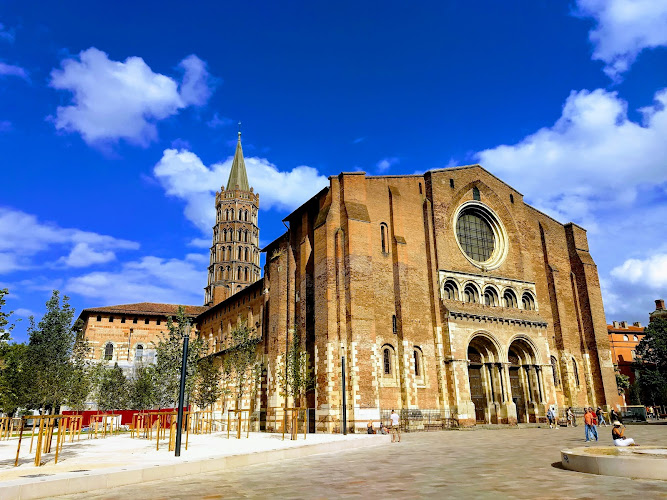
The Basilique Saint-Sernin de Toulouse stands as one of the most remarkable examples of Romanesque architecture you’ll find anywhere in Europe. Built between the 11th and 12th centuries, this medieval masterpiece dominates the Toulouse skyline with its distinctive octagonal bell tower that rises like a terracotta crown above the old city. And honestly, the first time you catch sight of it, the sheer scale of the place takes your breath away.
This isn’t just another old church, though. The basilica houses an extraordinary collection of relics from 128 saints, making it one of the most significant pilgrimage sites along the Camino de Santiago route. But what really captures people’s imagination is the presence of a thorn believed to have come from Christ’s Crown of Thorns. Whether you’re religious or not, there’s something deeply moving about standing in a space that has drawn pilgrims and travelers for nearly a thousand years.
The architecture itself tells stories that guidebooks sometimes miss. Walking around the exterior, you’ll notice the building’s massive scale was designed to accommodate huge crowds of medieval pilgrims. The radiating chapels, the ambulatory that circles behind the choir, the transepts extending like arms—all of this was carefully planned to allow pilgrims to venerate the relics without disrupting ongoing services. It’s medieval crowd management at its finest, really.
Inside, the atmosphere shifts dramatically. The light filters through small windows, creating this almost otherworldly quality in the vast interior space. The barrel-vaulted ceiling soars overhead, and you can practically feel the weight of history pressing down. The crypt beneath adds another layer to the experience, taking visitors even deeper into the basilica’s medieval past.
Key Features
The Basilique Saint-Sernin offers visitors several distinctive features that make it worth prioritizing on any Toulouse itinerary:
- The Bell Tower: This five-tiered octagonal tower represents the pinnacle of Toulousain Romanesque style, with each level featuring different architectural details that become progressively more ornate as your eye travels upward
- Reliquary Collection: The upper ambulatory displays an impressive array of reliquaries containing remains of 128 saints, though some are displayed only on specific occasions throughout the year
- The Crown of Thorns Relic: Among the most precious relics, a thorn purported to come from Christ’s Crown of Thorns draws both pilgrims and curious visitors year-round
- The Crypt: Underground chambers reveal the basilica’s earliest foundations and house additional relics in an atmospheric setting that feels worlds away from the streets above
- Romanesque Sculptures: The Porte Miégeville features remarkable 12th-century sculptures depicting biblical scenes, while capitals throughout the interior display intricate carvings ranging from biblical stories to fantastical creatures
- The Ambulatory: This walkway circling the choir allowed medieval pilgrims to view relics without disturbing services, and it remains one of the best-preserved examples of pilgrimage church design
- Ancient Frescoes: Though faded, original medieval frescoes can still be spotted in various chapels, offering glimpses of the basilica’s colorful past
- The Grand Organ: Dating from the 17th century with later modifications, this instrument fills the vast space with sound during services and occasional concerts
Best Time to Visit
Timing your visit to Saint-Sernin can make a huge difference in your experience. I’ve learned this the hard way after visiting popular churches during peak tourist seasons.
Early morning visits, particularly right when the basilica opens, offer the most peaceful experience. The light streaming through the windows hits differently in the morning hours, and you’ll have more space to simply stand and absorb the atmosphere without dodging tour groups. Most tourists haven’t rolled out of bed yet at 8:30 AM, which works decidedly in your favor.
Weekday visits generally prove less crowded than weekends, though Sunday morning mass presents its own unique experience if you’re interested in seeing the basilica fulfill its original purpose. The acoustics during sung services are genuinely spectacular, and there’s something authentic about experiencing the space as generations of worshippers have before you.
Seasonally speaking, spring and fall provide ideal conditions. The weather in Toulouse during these months makes the walk to the basilica pleasant, and tourist numbers haven’t reached summer peak levels. But don’t completely write off winter visits—the basilica in January or February can be almost hauntingly quiet, though you’ll want to dress warmly since the medieval stone structure doesn’t exactly radiate heat.
Summer, particularly July and August, brings the heaviest crowds. Tour groups multiply, and the combination of heat outside and crowds inside can diminish the contemplative atmosphere that makes Saint-Sernin special. If summer is your only option, aim for late afternoon visits when day-trippers have moved on to other attractions.
Special religious festivals and feast days create different visiting dynamics. While these events showcase the basilica’s living traditions, they also mean restricted access to certain areas and much larger crowds. The feast of Saint Saturnin on November 29th draws particularly large numbers.
How to Get There
Getting to the Basilique Saint-Sernin from anywhere in Toulouse is refreshingly straightforward. The basilica sits in the heart of the old city, making it accessible by multiple transport options.
The metro provides the most efficient route for most visitors. Take Line A (the red line) to Capitole station, then enjoy a pleasant ten-minute walk through charming streets. Alternatively, Jean-Jaurès station puts you slightly closer if you’re coming from that direction. The walk itself becomes part of the experience, taking you through quintessential Toulouse neighborhoods with their characteristic pink brick buildings.
Bus routes 2, 10, and 70 all stop near the basilica, with the closest stops being Saint-Sernin or Jeanne d’Arc. For first-time visitors, the metro tends to be more intuitive than navigating bus routes, but locals swear by certain bus connections depending on where you’re starting from.
If you’re staying in central Toulouse, walking might be your best option. The city center is compact and pedestrian-friendly, and you’ll stumble upon interesting cafes and shops along the way. From Place du Capitole, it’s genuinely just a fifteen-minute stroll through streets that showcase Toulouse’s architectural heritage.
Cycling works well too, as Toulouse has expanded its bike infrastructure considerably. The city’s VélôToulouse bike-share system has stations near the basilica, though finding available spots during peak hours can require patience.
For drivers, parking near Saint-Sernin presents challenges that might test your vacation zen. Street parking in the area is limited and often reserved for residents. Your best bet is the Saint-Sernin underground parking garage, which offers reasonable rates though it fills up during busy periods. Honestly though, unless you’re staying outside the city center, leaving your car at your accommodation and using public transport makes more sense.
The basilica provides wheelchair accessible entrances and parking, making it reachable for visitors with mobility considerations. The main entrance accommodates wheelchairs, though certain areas like the crypt involve stairs that limit access.
Tips for Visiting
A few practical tips can transform your Saint-Sernin visit from merely good to genuinely memorable.
First and foremost, respect that this is an active place of worship. Modest dress expectations apply—shoulders and knees should be covered. I’ve seen tourists turned away for wearing shorts or tank tops, which puts a damper on anyone’s day. Even if you’re visiting purely for architectural or historical interest, honoring these guidelines shows basic respect for the space and those who worship there.
The basilica doesn’t charge admission for general access, though donations are welcomed and help maintain this incredible structure. Certain special exhibitions or access to specific areas like the crypt may require a small fee. Bring cash in euros, as card payment isn’t always available for these smaller transactions.
Photography is generally permitted, but flash photography and tripods typically aren’t allowed. The low light inside creates challenges for phone cameras, so adjusting expectations about those Instagram shots might save some frustration. Sometimes it’s worth just experiencing the space rather than viewing it through a screen anyway.
Consider joining a guided tour if you want deeper historical and architectural context. The basilica’s significance isn’t always immediately obvious, and knowledgeable guides bring the stories to life in ways that plaques and information boards can’t match. English-language tours are available though less frequent than French ones.
Audio guides offer another option for self-paced exploration with added context. These typically cost a few euros and provide surprisingly detailed information about specific architectural features and historical elements.
Plan to spend at least 45 minutes to an hour if you want to properly explore rather than just tick a box. The size of the space alone demands time, and the details reward slow, careful observation. Rushing through Saint-Sernin means missing exactly what makes it special.
The surrounding neighborhood deserves exploration too. The Place Saint-Sernin hosts a market on certain days, and the narrow streets radiating from the basilica contain excellent restaurants and cafes. Many visitors grab lunch at nearby bistros serving cassoulet, Toulouse’s signature dish, making the basilica part of a fuller cultural experience.
Avoid visiting during service times unless you’re attending the service itself. Mass schedules are posted at the entrance, and trying to sightsee during worship services is both disrespectful and often restricted anyway.
The crypt requires separate access and isn’t always open, so check ahead if that’s a priority for your visit. The underground chambers offer a completely different perspective on the basilica’s history and shouldn’t be missed if available.
Combine your Saint-Sernin visit with other nearby attractions like the Musée Saint-Raymond, which displays Roman antiquities in a building directly beside the basilica. This archaeological museum provides fascinating context about Toulouse’s ancient history and takes only an hour to see properly.
Finally, don’t overlook the exterior. Walking completely around the building reveals architectural details and perspectives that many visitors miss by only viewing the main facade. The apse end, with its radiating chapels and towers, represents some of the finest Romanesque architecture you’ll encounter anywhere.
Key Highlights
- Large Romanesque nave and aisles with barrel vaulting
- Octagonal bell tower and distinctive brick exterior
- Ambulatory with multiple chapels housing medieval relics
- Richly carved capitals and Romanesque sculptural decoration
- UNESCO-listed site on the Routes of Santiago de Compostela
Location
Places to Stay Near Basilique Saint-Sernin de Toulouse
Find and Book a Tour
Explore More Travel Guides
No reviews found! Be the first to review!
Basilique Saint-Sernin de Toulouse is a prominent attractions located in Toulouse.
Visit us at: Basilica of St. Sernin, 7 Pl. Saint-Sernin, 31000 Toulouse, France.
Traveler Reviews for Basilique Saint-Sernin de Toulouse
There are no reviews yet. Be the first one to write one.
Have you visited Basilique Saint-Sernin de Toulouse? Help other travelers by sharing your review.
Nearby Attractions
Find Accommodations Nearby
Recommended Tours & Activities
Visitor Reviews
There are no reviews yet. Be the first one to write one.
Share Your Experience
Have you visited Basilique Saint-Sernin de Toulouse? Help other travelers by leaving a review.
