About Basilica of Notre Dame of Fourvière

Description

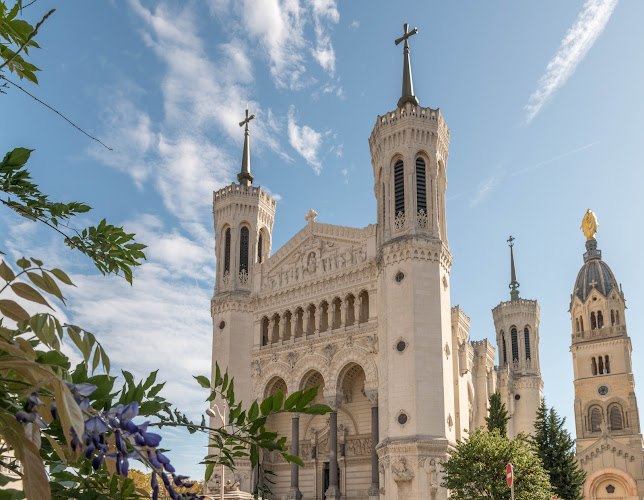
The Basilica of Notre Dame of Fourvière stands as one of Lyon's most recognizable landmarks, perched high on Fourvière hill overlooking the sprawling city below. This 19th-century masterpiece draws visitors from around the world, and honestly, it's not hard to see why once you catch your first glimpse of those four distinctive octagonal towers rising against the sky. Built between 1872 and 1884, the basilica represents a fascinating period in French religious architecture. The structure emerged during a time when France was rediscovering its Catholic identity after the tumultuous events of 1870, and the people of Lyon wanted something truly spectacular. What they got was a building that combines Romano-Byzantine and medieval-inspired elements in ways that still make architects scratch their heads – but in a good way. The exterior might catch your eye first with its ornate white stonework and those commanding towers, but step inside and you'll find yourself in a completely different world. I remember my first visit, expecting another typical church interior, only to have my breath literally taken away by the sheer explosion of mosaics, marble, and gold leaf covering nearly every surface. The interior feels almost excessive at first glance, but there's something about the craftsmanship that keeps pulling your eyes from one detail to another. The basilica isn't just a pretty face though. It remains an active place of worship with regular Catholic services, houses a museum of religious art, and has become deeply woven into Lyon's cultural identity. The building even played a role during World War II, serving as a symbol of hope for the local population during those dark years.

Key Features

Walking through the basilica reveals layer upon layer of artistic and architectural achievements that make this place special:
  • The Twin Levels - The basilica actually consists of two separate churches, one stacked on top of the other. The lower crypt church honors Saint Joseph while the upper sanctuary dedicates itself to the Virgin Mary. This dual-level design isn't something you see everyday, and each space has its own distinct atmosphere.
  • Mosaic Masterpieces - Over 6,000 square meters of mosaics cover the interior walls and ceilings, depicting scenes from French religious history and the life of the Virgin Mary. These aren't your average mosaics either – the detail work and color vibrancy remain stunning even after more than a century.
  • The Museum of Religious Art - Tucked within the basilica grounds, this collection showcases religious artifacts, vestments, and artwork spanning several centuries. It's smaller than you might expect but packed with fascinating pieces that tell the story of Lyon's Catholic heritage.
  • Four Octagonal Towers - Each tower reaches approximately 48 meters high and features intricate stonework. They've become so iconic that locals simply call the basilica "Fourvière" and everyone knows exactly what they mean.
  • The Panoramic Esplanade - The terrace surrounding the basilica offers arguably the best views of Lyon. On clear days, you can see all the way to Mont Blanc if you're lucky. Even on regular days, watching the city spread out below with the rivers winding through is worth the trip alone.
  • Stained Glass Windows - While the mosaics steal most of the spotlight, the stained glass work throughout the basilica deserves attention too. The colors shift beautifully depending on the time of day and season.
  • Astronomical Clock - A lesser-known feature that many visitors miss entirely, this mechanical marvel still keeps accurate time and displays various astronomical information.

Best Time to Visit

Timing your visit to Fourvière can make a real difference in your experience, and I've learned this through both great visits and somewhat frustrating ones. The shoulder seasons of April to May and September to October offer ideal conditions for most travelers. The weather stays pleasant, the summer crowds thin out considerably, and you can actually take your time exploring without feeling rushed by the masses. Plus, the light during these months does wonderful things to those mosaics inside – something about the angle of the sun just makes everything glow differently. Summer months from June through August bring the biggest crowds, which means longer waits for the funicular and more people jostling for space on the esplanade for those perfect photos. But summer also means extended daylight hours, so you can visit later in the evening when things calm down a bit. The basilica typically stays open until early evening, and catching sunset from the terrace is genuinely magical, even if that word gets overused. Winter visits have their own charm, though you'll need to bundle up since that hill catches every cold wind blowing through the Rhône valley. The basilica looks particularly striking dusted with snow, and the Christmas season brings special decorations and services. Just watch out for ice on the pathways around the grounds. For avoiding crowds within a single day, aim for early morning visits right when the basilica opens, or late afternoon on weekdays. Tuesday and Wednesday mornings tend to be quietest based on my observations. Sunday mornings naturally fill up with locals attending mass, which is actually quite beautiful to witness if you're respectful, but doesn't leave much time for leisurely exploration. The annual December 8th Festival of Lights transforms Lyon, and Fourvière plays a central role in the celebrations. It's absolutely spectacular, but you'll be sharing the experience with seemingly half of France, so prepare accordingly.

How to Get There

Getting to Fourvière might seem daunting when you first look at that hill towering over Lyon, but the city has made it surprisingly accessible through several options. The funicular railway remains the most popular and practical choice for most visitors. Two funicular lines run from the Vieux Lyon metro station – you'll want the F2 line heading directly to Fourvière. The ride takes just a few minutes and uses the same tickets as the Lyon metro system, so if you've already got a transit pass, you're all set. The funiculars run frequently throughout the day, though expect some waiting during peak tourist hours. There's something pleasantly old-world about riding these things up the steep hillside, watching the city drop away below you. For those feeling energetic, several walking paths wind up the hill from Vieux Lyon. The most direct route involves climbing a rather intimidating set of stairs – I won't lie, there are a lot of them. But the climb rewards you with increasingly better views at each level, and you'll work off that morning croissant. The walk takes about 20-30 minutes depending on your pace and how many times you stop to catch your breath or take photos. Just wear comfortable shoes because those old stone steps can be slippery. Driving is possible, with paid parking available near the basilica grounds. However, parking spots fill up quickly during busy periods, and navigating the narrow streets of Fourvière can be tricky if you're not familiar with Lyon. The paid lot offers wheelchair accessible spaces and connects to accessible pathways leading to the basilica entrance. Taxi and rideshare services will drop you right at the basilica entrance, which might be worth considering if you have mobility concerns or just don't feel like dealing with crowds on the funicular. The fare from central Lyon won't break the bank. The basilica features wheelchair accessible entrances and facilities, making it reachable for visitors with mobility challenges regardless of which transportation method you choose.

Tips for Visiting

After multiple visits over the years and learning from various missteps, here are insights that'll help you make the most of your time at Fourvière. Dress appropriately since this remains an active place of worship. That means covering shoulders and avoiding shorts that are too short. They're not super strict about enforcement, but showing respect costs nothing. And bring layers – the interior stays surprisingly cool even on hot summer days. Admission to the basilica itself is free, though donations are appreciated and help maintain this architectural treasure. The religious art museum requires a small entrance fee, but it's worth it if you have any interest in religious history or art. Plan for at least an hour if you want to properly explore the basilica and take in the views. Two hours gives you time to visit the museum and really absorb the atmosphere without rushing. Many visitors make the mistake of doing a quick 15-minute pass through, snapping photos, and leaving – they're missing so much. Photography is allowed in most areas, but flash photography isn't permitted during services, and certain sections of the museum prohibit photos entirely. The lighting inside can be challenging, so if you're serious about getting good shots, bring equipment that handles low light well. Visit during a service if you get the chance, even if you're not Catholic. The basilica comes alive in a different way with choir music echoing off those ornate walls and the ritual of mass unfolding. Just be respectful – stay in the back if you're just observing, keep quiet, and don't wander around taking photos during the service. Combine your basilica visit with exploring the surrounding Fourvière area. The ancient Roman theaters sit just a short walk away, and the path between them offers lovely views and a sense of Lyon's layered history. You can easily spend half a day in this part of the city. The esplanade can get windy, particularly in spring and fall. If you're hoping to spend time out there enjoying the views, bring a light jacket even if it seems warm in the city below. Restroom facilities are available on site, which is good to know before that funicular ride up. They're kept reasonably clean given the volume of visitors. For the best natural lighting inside, visit between 10am and 2pm when sunlight streams through the stained glass most dramatically. The mosaics truly come alive during these hours. Consider downloading information about the basilica's artwork and history beforehand, as the on-site information can be limited unless you join a guided tour. Several apps offer detailed explanations of what you're looking at, which enhances the experience considerably. If you're visiting during high season and find the basilica too crowded for your taste, step outside and explore the gardens and pathways surrounding it. You'll find quieter corners with equally impressive views and interesting architectural details that most people walk right past. The gift shop near the entrance offers the usual religious items and souvenirs, but also some genuinely nice books about the basilica's art and architecture if you want something more substantial than a postcard. Weather in Lyon can change quickly, and being on top of that hill exposes you to whatever's coming. Check the forecast but also be prepared for surprises. I've experienced sunshine, rain, and wind all within a single visit.

Key Features

  • Neo-Byzantine and Romanesque revival architecture with elaborate mosaics and marble interiors
  • Dramatic panoramic views of Lyon from the esplanade and roof areas
  • Richly decorated chapels, crypt, and religious artworks including stained glass
  • Historical significance as a 19th-century votive monument funded by private donations
  • Access to guided tours and occasional roof/treasure visits for deeper exploration

More Details

Updated March 30, 2026

Description

The Basilica of Notre Dame of Fourvière stands as one of Lyon’s most recognizable landmarks, perched high on Fourvière hill overlooking the sprawling city below. This 19th-century masterpiece draws visitors from around the world, and honestly, it’s not hard to see why once you catch your first glimpse of those four distinctive octagonal towers rising against the sky.

Built between 1872 and 1884, the basilica represents a fascinating period in French religious architecture. The structure emerged during a time when France was rediscovering its Catholic identity after the tumultuous events of 1870, and the people of Lyon wanted something truly spectacular. What they got was a building that combines Romano-Byzantine and medieval-inspired elements in ways that still make architects scratch their heads – but in a good way.

The exterior might catch your eye first with its ornate white stonework and those commanding towers, but step inside and you’ll find yourself in a completely different world. I remember my first visit, expecting another typical church interior, only to have my breath literally taken away by the sheer explosion of mosaics, marble, and gold leaf covering nearly every surface. The interior feels almost excessive at first glance, but there’s something about the craftsmanship that keeps pulling your eyes from one detail to another.

The basilica isn’t just a pretty face though. It remains an active place of worship with regular Catholic services, houses a museum of religious art, and has become deeply woven into Lyon’s cultural identity. The building even played a role during World War II, serving as a symbol of hope for the local population during those dark years.

Key Features

Walking through the basilica reveals layer upon layer of artistic and architectural achievements that make this place special:

  • The Twin Levels – The basilica actually consists of two separate churches, one stacked on top of the other. The lower crypt church honors Saint Joseph while the upper sanctuary dedicates itself to the Virgin Mary. This dual-level design isn’t something you see everyday, and each space has its own distinct atmosphere.
  • Mosaic Masterpieces – Over 6,000 square meters of mosaics cover the interior walls and ceilings, depicting scenes from French religious history and the life of the Virgin Mary. These aren’t your average mosaics either – the detail work and color vibrancy remain stunning even after more than a century.
  • The Museum of Religious Art – Tucked within the basilica grounds, this collection showcases religious artifacts, vestments, and artwork spanning several centuries. It’s smaller than you might expect but packed with fascinating pieces that tell the story of Lyon’s Catholic heritage.
  • Four Octagonal Towers – Each tower reaches approximately 48 meters high and features intricate stonework. They’ve become so iconic that locals simply call the basilica “Fourvière” and everyone knows exactly what they mean.
  • The Panoramic Esplanade – The terrace surrounding the basilica offers arguably the best views of Lyon. On clear days, you can see all the way to Mont Blanc if you’re lucky. Even on regular days, watching the city spread out below with the rivers winding through is worth the trip alone.
  • Stained Glass Windows – While the mosaics steal most of the spotlight, the stained glass work throughout the basilica deserves attention too. The colors shift beautifully depending on the time of day and season.
  • Astronomical Clock – A lesser-known feature that many visitors miss entirely, this mechanical marvel still keeps accurate time and displays various astronomical information.

Best Time to Visit

Timing your visit to Fourvière can make a real difference in your experience, and I’ve learned this through both great visits and somewhat frustrating ones.

The shoulder seasons of April to May and September to October offer ideal conditions for most travelers. The weather stays pleasant, the summer crowds thin out considerably, and you can actually take your time exploring without feeling rushed by the masses. Plus, the light during these months does wonderful things to those mosaics inside – something about the angle of the sun just makes everything glow differently.

Summer months from June through August bring the biggest crowds, which means longer waits for the funicular and more people jostling for space on the esplanade for those perfect photos. But summer also means extended daylight hours, so you can visit later in the evening when things calm down a bit. The basilica typically stays open until early evening, and catching sunset from the terrace is genuinely magical, even if that word gets overused.

Winter visits have their own charm, though you’ll need to bundle up since that hill catches every cold wind blowing through the Rhône valley. The basilica looks particularly striking dusted with snow, and the Christmas season brings special decorations and services. Just watch out for ice on the pathways around the grounds.

For avoiding crowds within a single day, aim for early morning visits right when the basilica opens, or late afternoon on weekdays. Tuesday and Wednesday mornings tend to be quietest based on my observations. Sunday mornings naturally fill up with locals attending mass, which is actually quite beautiful to witness if you’re respectful, but doesn’t leave much time for leisurely exploration.

The annual December 8th Festival of Lights transforms Lyon, and Fourvière plays a central role in the celebrations. It’s absolutely spectacular, but you’ll be sharing the experience with seemingly half of France, so prepare accordingly.

How to Get There

Getting to Fourvière might seem daunting when you first look at that hill towering over Lyon, but the city has made it surprisingly accessible through several options.

The funicular railway remains the most popular and practical choice for most visitors. Two funicular lines run from the Vieux Lyon metro station – you’ll want the F2 line heading directly to Fourvière. The ride takes just a few minutes and uses the same tickets as the Lyon metro system, so if you’ve already got a transit pass, you’re all set. The funiculars run frequently throughout the day, though expect some waiting during peak tourist hours. There’s something pleasantly old-world about riding these things up the steep hillside, watching the city drop away below you.

For those feeling energetic, several walking paths wind up the hill from Vieux Lyon. The most direct route involves climbing a rather intimidating set of stairs – I won’t lie, there are a lot of them. But the climb rewards you with increasingly better views at each level, and you’ll work off that morning croissant. The walk takes about 20-30 minutes depending on your pace and how many times you stop to catch your breath or take photos. Just wear comfortable shoes because those old stone steps can be slippery.

Driving is possible, with paid parking available near the basilica grounds. However, parking spots fill up quickly during busy periods, and navigating the narrow streets of Fourvière can be tricky if you’re not familiar with Lyon. The paid lot offers wheelchair accessible spaces and connects to accessible pathways leading to the basilica entrance.

Taxi and rideshare services will drop you right at the basilica entrance, which might be worth considering if you have mobility concerns or just don’t feel like dealing with crowds on the funicular. The fare from central Lyon won’t break the bank.

The basilica features wheelchair accessible entrances and facilities, making it reachable for visitors with mobility challenges regardless of which transportation method you choose.

Tips for Visiting

After multiple visits over the years and learning from various missteps, here are insights that’ll help you make the most of your time at Fourvière.

Dress appropriately since this remains an active place of worship. That means covering shoulders and avoiding shorts that are too short. They’re not super strict about enforcement, but showing respect costs nothing. And bring layers – the interior stays surprisingly cool even on hot summer days.

Admission to the basilica itself is free, though donations are appreciated and help maintain this architectural treasure. The religious art museum requires a small entrance fee, but it’s worth it if you have any interest in religious history or art.

Plan for at least an hour if you want to properly explore the basilica and take in the views. Two hours gives you time to visit the museum and really absorb the atmosphere without rushing. Many visitors make the mistake of doing a quick 15-minute pass through, snapping photos, and leaving – they’re missing so much.

Photography is allowed in most areas, but flash photography isn’t permitted during services, and certain sections of the museum prohibit photos entirely. The lighting inside can be challenging, so if you’re serious about getting good shots, bring equipment that handles low light well.

Visit during a service if you get the chance, even if you’re not Catholic. The basilica comes alive in a different way with choir music echoing off those ornate walls and the ritual of mass unfolding. Just be respectful – stay in the back if you’re just observing, keep quiet, and don’t wander around taking photos during the service.

Combine your basilica visit with exploring the surrounding Fourvière area. The ancient Roman theaters sit just a short walk away, and the path between them offers lovely views and a sense of Lyon’s layered history. You can easily spend half a day in this part of the city.

The esplanade can get windy, particularly in spring and fall. If you’re hoping to spend time out there enjoying the views, bring a light jacket even if it seems warm in the city below.

Restroom facilities are available on site, which is good to know before that funicular ride up. They’re kept reasonably clean given the volume of visitors.

For the best natural lighting inside, visit between 10am and 2pm when sunlight streams through the stained glass most dramatically. The mosaics truly come alive during these hours.

Consider downloading information about the basilica’s artwork and history beforehand, as the on-site information can be limited unless you join a guided tour. Several apps offer detailed explanations of what you’re looking at, which enhances the experience considerably.

If you’re visiting during high season and find the basilica too crowded for your taste, step outside and explore the gardens and pathways surrounding it. You’ll find quieter corners with equally impressive views and interesting architectural details that most people walk right past.

The gift shop near the entrance offers the usual religious items and souvenirs, but also some genuinely nice books about the basilica’s art and architecture if you want something more substantial than a postcard.

Weather in Lyon can change quickly, and being on top of that hill exposes you to whatever’s coming. Check the forecast but also be prepared for surprises. I’ve experienced sunshine, rain, and wind all within a single visit.

Key Highlights

  • Neo-Byzantine and Romanesque revival architecture with elaborate mosaics and marble interiors
  • Dramatic panoramic views of Lyon from the esplanade and roof areas
  • Richly decorated chapels, crypt, and religious artworks including stained glass
  • Historical significance as a 19th-century votive monument funded by private donations
  • Access to guided tours and occasional roof/treasure visits for deeper exploration

Location

Places to Stay Near Basilica of Notre Dame of Fourvière

Find and Book a Tour

Explore More Travel Guides

No reviews found! Be the first to review!

Basilica of Notre Dame of Fourvière is a prominent attractions located in Lyon.

Visit us at: 8 Pl. de Fourvière, 69005 Lyon, France.

Traveler Reviews for Basilica of Notre Dame of Fourvière

There are no reviews yet. Be the first one to write one.

Share Your Experience

Have you visited Basilica of Notre Dame of Fourvière? Help other travelers by sharing your review.

Nearby Attractions

Roman Theatres of Fourvière (Ancient Roman ruins and archaeological site) Vieux Lyon (Old Town — medieval streets, traboules, and Renaissance architecture) Musée Gadagne (Lyon history and puppet museum in Vieux Lyon)

Find Accommodations Nearby

Recommended Tours & Activities

Visitor Reviews

There are no reviews yet. Be the first one to write one.

Share Your Experience

Have you visited Basilica of Notre Dame of Fourvière? Help other travelers by leaving a review.