Description
The Thermes Antiques de Lyon represents one of those archaeological treasures that most travelers rush past without giving it a second thought, and honestly, that’s a bit of a shame. These ancient Roman baths sit quietly in the city’s historic district, offering a genuine glimpse into what daily life looked like when Lugdunum – as Lyon was called back then – served as the capital of Roman Gaul around the 1st century AD.
I’ve always found something deeply fascinating about Roman bathhouses, and the Lyon site doesn’t disappoint even though it’s not as massive or perfectly preserved as some of the more famous examples you’ll find elsewhere. What makes these ruins special is their authenticity and the way they’ve been integrated into the modern cityscape. You’re literally walking through two-thousand-year-old foundations while contemporary Lyon bustles around you.
The archaeological site showcases remnants of what was once an elaborate bathing complex complete with the classic Roman bath progression – the caldarium (hot bath), tepidarium (warm bath), and frigidarium (cold bath). The thermal baths weren’t just about getting clean either. These spaces served as social hubs where Romans conducted business, gossiped, exercised, and generally hung out. Think of them as the community centers of ancient times, but with better architecture and underfloor heating systems that still impress engineers today.
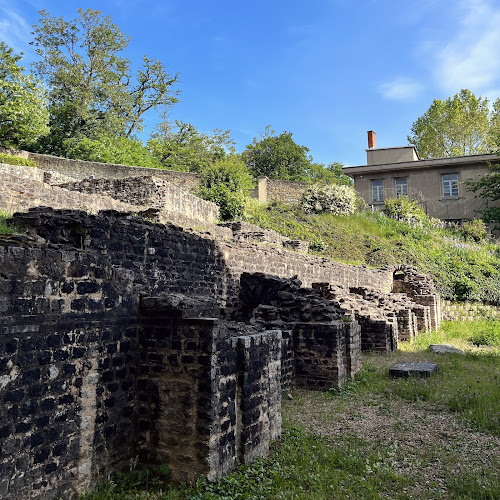
What strikes most visitors is how these ruins have weathered the centuries. You can still make out the sophisticated drainage systems, remnants of the heating infrastructure, and the footprint of various rooms that once teemed with activity. The site might not have the wow-factor of Pompeii, but there’s something intimate about standing in these spaces and imagining senators and merchants from two millennia ago doing basically the same thing you did that morning – taking a bath and catching up with neighbors.
Key Features
The Thermes Antiques de Lyon offer several distinctive elements that archaeology enthusiasts and casual history buffs alike will appreciate:
- Original Roman Architecture: The visible foundations and wall sections date back to the 1st century AD, providing authentic examples of Roman construction techniques including their revolutionary use of concrete and brick
- Hypocaust System: Remnants of the underfloor heating system that the Romans invented show how they circulated hot air beneath raised floors to heat the bathing rooms – ancient climate control at its finest
- Multiple Bath Chambers: Evidence of different temperature rooms demonstrates the traditional Roman bathing sequence that was part health ritual, part social custom
- Archaeological Context: The site includes interpretive information that helps visitors understand the broader context of Roman Lyon and how these baths fit into daily urban life
- Wheelchair Accessible Entrance: The site has been thoughtfully adapted to ensure visitors with mobility considerations can explore this piece of history
- Family-Friendly Experience: The ruins work well for kids who can explore and imagine ancient life, though bringing along some background stories definitely helps keep younger visitors engaged
- Urban Archaeological Setting: Unlike some isolated ruins, these baths sit within the modern city, creating an interesting juxtaposition between ancient and contemporary Lyon
- Connected Historical Narrative: The thermal baths help tell the larger story of Lyon’s Roman heritage alongside other nearby archaeological sites and museums
Best Time to Visit
Timing your visit to the Thermes Antiques requires thinking about both weather and crowds, though honestly, this isn’t typically a site that gets overwhelmed with tourists even during peak season.
Spring months from April through early June offer probably the most pleasant conditions. The weather’s mild enough that you’ll be comfortable exploring the open-air ruins without freezing or melting, and the light is beautiful for photographs. Plus, Lyon starts coming alive after winter with cafe terraces opening up, making it easy to grab a coffee before or after your visit.
Early fall – particularly September and October – works equally well. You’ve got similar weather advantages, and the summer tourist rush has died down. I remember visiting archaeological sites during fall months and finding them almost meditative without crowds of tour groups shuffling through.
Summer can work fine, though mid-July and August get quite warm in Lyon. Since these are exposed ruins without much shade, you’ll want to plan your visit for early morning or late afternoon to avoid the hottest part of the day. Bring water and sunscreen – your past self will thank your present self for remembering.
Winter visits are totally doable if you’re in Lyon during colder months, but dress warmly. The wind can cut through the open spaces, and standing around examining ancient drainage systems when you’re cold takes some of the enjoyment out of it. But if you don’t mind bundling up, you’ll practically have the place to yourself.
Weekday mornings generally see fewer visitors than weekend afternoons. If you prefer a quieter, more contemplative experience where you can actually spend time with the ruins rather than navigating around other people, shoot for a Tuesday or Wednesday morning.
How to Get There
Getting to the Thermes Antiques de Lyon is straightforward thanks to the city’s efficient public transportation system. Lyon’s pretty walkable overall, and depending on where you’re staying, you might find yourself within easy walking distance.
The metro system provides the easiest access for most travelers. The site sits in the historic district, which connects well with multiple metro lines. You’ll likely find yourself using Line A or Line D depending on your starting point. Lyon’s metro is clean, reliable, and honestly one of the better systems I’ve encountered in French cities – trains run frequently and navigation is intuitive even if your French is limited.
Public buses also serve the area well. Several bus lines stop within a few minutes’ walk of the ruins. If you’re staying elsewhere in Lyon and prefer buses over metro, the TCL website and app make route planning simple. Just plug in your location and it’ll give you options with real-time updates.
For those who enjoy walking and want to soak up Lyon’s atmosphere, consider approaching on foot if you’re within a reasonable distance. The walk through Lyon’s old neighborhoods adds to the overall experience, and you’ll stumble across other historical markers, interesting architecture, and maybe a bakery or two along the way.
Taxis and rideshare services like Uber operate throughout Lyon if you prefer door-to-door convenience, though given the city’s excellent public transit, you’ll probably find that unnecessary unless you have mobility concerns or limited time.
If you’re driving – which I wouldn’t necessarily recommend for first-time visitors – parking in Lyon’s historic center can be challenging and expensive. There are public parking garages nearby, but you’ll pay premium rates and spend time circling for spots. Save yourself the headache and use public transportation.
Cycling is another option since Lyon has decent bike infrastructure. The Vélo’v bike-sharing system offers stations throughout the city where you can grab and return bikes easily.
Tips for Visiting
Making the most of your time at the Thermes Antiques involves some practical considerations that’ll enhance your experience.
First off, do yourself a favor and read up on Roman baths before you go. I know that sounds like homework, but spending just fifteen minutes understanding what these structures were and how Romans used them transforms your visit from “looking at old rocks” to “wow, I’m standing where people from two thousand years ago hung out.” Context matters tremendously with archaeological sites.
The ruins are open-air, so dress accordingly for whatever weather you’re facing. There’s no indoor retreat if conditions turn, and the ancient Romans didn’t install modern climate control. Comfortable walking shoes are essential – you’ll be navigating uneven surfaces and original stone work that’s had two millennia to become irregular.
Photography enthusiasts should note that the ruins photograph beautifully, particularly during golden hour when the light hits the old stones just right. The contrast between ancient masonry and modern buildings in the background creates compelling images. And unlike some archaeological sites that restrict photography, you can generally shoot freely here.
Bring a small backpack with water, especially during warmer months. There might not be convenient refreshment options right at the site, and staying hydrated makes any sightseeing experience more enjoyable.
The interpretive signage on-site provides decent information, though not always in multiple languages. If you’re not comfortable with French, consider downloading a translation app beforehand or researching the site online to supplement what you’ll learn there.
Allow about 45 minutes to an hour for your visit if you want to properly examine the ruins and read the available information. Sure, you could breeze through in twenty minutes, but what’s the point of traveling to historical sites if you’re just checking boxes?
Combine your visit with other nearby attractions to make the most of your time in this area of Lyon. The city has layers of history stacked throughout its neighborhoods, and the thermal baths work well as part of a longer walking tour rather than a standalone destination.
For families with children, prep kids beforehand with age-appropriate information about Romans and their bathing culture. Maybe show them some pictures or read a relevant book together. Kids engage much better when they understand what they’re looking at rather than just seeing “old broken buildings.”
Visit earlier in your Lyon trip rather than saving it for last. Understanding the Roman foundations of the city adds depth to everything else you’ll see and do throughout your stay.
Finally, manage your expectations appropriately. These ruins won’t take your breath away like Machu Picchu or make you weep like the Sistine Chapel. But they offer something equally valuable – an authentic connection to everyday life in antiquity, presented without excessive commercialization or theme-park gloss. Sometimes that understated authenticity hits different than more famous attractions.