
Old Market
About Old Market
Description
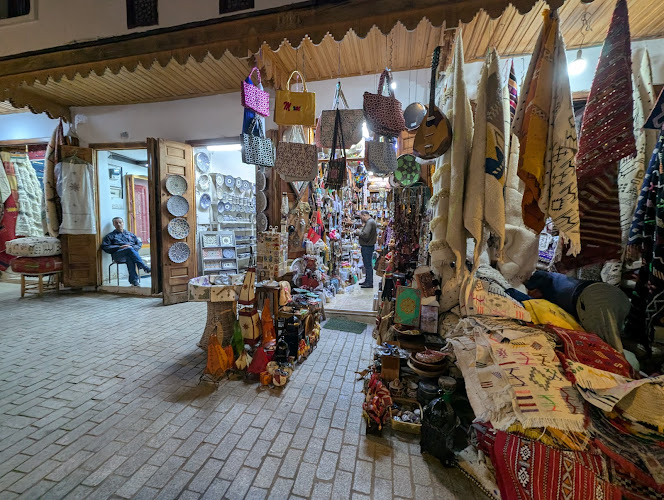
The Old Market in Rabat is one of those places that manages to pull you in before you even realize it. The hum of conversation, the scent of spices, the glint of brass lamps catching the afternoon light—it’s all a bit intoxicating. It’s not polished or perfect, and that’s part of its charm. Some corners are a little chaotic, sure, but that’s where the real stories live. Walking through the market feels like flipping through the pages of an old travel diary, each stall another chapter written by someone who’s been here longer than you could imagine.
The market’s layout is a maze of narrow alleys lined with vendors selling everything from handwoven rugs and silver jewelry to colorful ceramics and carved wooden boxes that look like they’ve been made the same way for centuries. You’ll hear bargaining in Arabic, French, and sometimes English—each language adding its own rhythm to the place. And if you’re anything like me, you’ll probably get lost once or twice, but honestly, that’s half the fun. Every turn leads to something unexpected: a hidden courtyard, a tiny café with mint tea so strong it jolts you awake, or a craftsman hammering away at a piece of copper just a few feet away.
While it’s a favorite among tourists, locals still shop here too, which keeps it grounded. You’ll see families picking up spices for dinner right next to travelers hunting for souvenirs. It’s not spotless or overly curated, but it’s real—and that authenticity is what makes it worth visiting. The market has its quirks, of course. Some stalls are overpriced, and a few vendors can be a bit pushy, but with a friendly smile and a bit of patience, you’ll find genuine warmth behind the hustle. It’s a place that rewards curiosity and conversation.
Key Features
- Authentic Moroccan handicrafts, including rugs, pottery, leather goods, and metalwork
- Traditional food stalls serving local snacks, pastries, and mint tea
- Wheelchair-accessible entrances and parking areas for easier navigation
- Public restrooms available onsite
- Vendors accepting major credit cards, though cash is still handy for small purchases
- Friendly (and sometimes cheeky) local artisans eager to share stories about their craft
- Plenty of shaded pathways offering relief from the midday sun
Best Time to Visit
If you want to experience the Old Market at its liveliest, late morning is the sweet spot. That’s when the vendors are fully set up, the air is thick with the smell of freshly baked bread, and the energy feels just right. Early afternoons can get a bit crowded, especially during weekends, so if you’re not a fan of shoulder-to-shoulder browsing, aim for a weekday.
Evenings have their own magic. As the sun dips, the market glows under warm lantern light, and the pace slows down. Locals stop for tea, and you can hear the faint call to prayer echoing through the alleys. It’s peaceful in a way that daytime never quite is. Avoid midday heat during summer months—it can be intense, and even the most enthusiastic traveler might find themselves wilting after an hour or two.
How to Get There
Getting to the Old Market is pretty straightforward, whether you’re staying in the city center or coming from nearby districts. The easiest option is to take a taxi; drivers know the area well, and it’s usually just a short ride from most hotels. If you prefer walking, it’s within a comfortable distance from several major landmarks, and honestly, strolling through Rabat’s streets is an experience in itself. You’ll pass by small cafés, old stone walls, and maybe a few cats lounging in the sun—they seem to own the place, really.
Public buses also serve routes that stop near the market area. Just keep in mind that schedules can be a bit unpredictable. If you’re driving, there’s parking nearby, but spaces fill up fast, especially on weekends. I learned that the hard way once—ended up circling for twenty minutes before giving up and walking from a few blocks away. It wasn’t so bad though; the walk gave me a chance to soak in the neighborhood’s atmosphere before diving into the market buzz.
Tips for Visiting
First things first: bring small bills and coins. While many vendors now accept cards, cash still makes transactions smoother and sometimes gets you a better deal. Bargaining is part of the culture here, but do it with respect and a smile. It’s not about winning—it’s about connection. I once haggled with a shopkeeper over a hand-painted bowl, and by the end, we were laughing more than negotiating. He told me his grandfather used to paint similar designs, and that story made the bowl priceless to me.
Wear comfortable shoes—those cobblestones can be uneven, and you’ll be walking more than you think. Keep an eye on your belongings, not because it’s unsafe, but because it’s easy to get distracted by the sights and sounds. If you’re into photography, mornings offer the best natural light, especially when the market’s colors are at their richest. Just ask before taking close-up shots of people; most vendors don’t mind, but it’s polite to check.
Don’t rush. The Old Market isn’t a place to tick off a list—it’s a place to wander, to pause, to chat. Try the street food even if you’re unsure what it is. The savory pastries stuffed with spiced meat or vegetables are worth every bite. And if you’re a tea lover, the mint tea here is a must. It’s poured from high above the glass, creating a frothy top that somehow makes it taste even better.
If you’re sensitive to crowds, plan your visit early in the day or closer to closing time. And for those who love collecting unique souvenirs, look for items made by local cooperatives rather than mass-produced trinkets. They might cost a bit more, but you’ll be supporting genuine craftsmanship. Oh, and one last thing—don’t be afraid to get lost. The best discoveries happen when you stop following the map and start following your curiosity.
The Old Market isn’t just about shopping; it’s about feeling the pulse of the city. It’s where past and present meet in the most tangible way. You’ll leave with more than just souvenirs—you’ll carry the sounds, the scents, and the small human moments that make travel so unforgettable. And maybe, like me, you’ll find yourself thinking about it long after you’ve gone home, wishing you could wander those narrow alleys just one more time.
Key Features
- Authentic Moroccan handicrafts, including rugs, pottery, leather goods, and metalwork
- Traditional food stalls serving local snacks, pastries, and mint tea
- Wheelchair-accessible entrances and parking areas for easier navigation
- Public restrooms available onsite
- Vendors accepting major credit cards, though cash is still handy for small purchases
- Friendly (and sometimes cheeky) local artisans eager to share stories about their craft
- Plenty of shaded pathways offering relief from the midday sun
More Details
Updated December 1, 2025
Table of Contents
Description
The Old Market in Rabat is one of those places that manages to pull you in before you even realize it. The hum of conversation, the scent of spices, the glint of brass lamps catching the afternoon light—it’s all a bit intoxicating. It’s not polished or perfect, and that’s part of its charm. Some corners are a little chaotic, sure, but that’s where the real stories live. Walking through the market feels like flipping through the pages of an old travel diary, each stall another chapter written by someone who’s been here longer than you could imagine.
The market’s layout is a maze of narrow alleys lined with vendors selling everything from handwoven rugs and silver jewelry to colorful ceramics and carved wooden boxes that look like they’ve been made the same way for centuries. You’ll hear bargaining in Arabic, French, and sometimes English—each language adding its own rhythm to the place. And if you’re anything like me, you’ll probably get lost once or twice, but honestly, that’s half the fun. Every turn leads to something unexpected: a hidden courtyard, a tiny café with mint tea so strong it jolts you awake, or a craftsman hammering away at a piece of copper just a few feet away.
While it’s a favorite among tourists, locals still shop here too, which keeps it grounded. You’ll see families picking up spices for dinner right next to travelers hunting for souvenirs. It’s not spotless or overly curated, but it’s real—and that authenticity is what makes it worth visiting. The market has its quirks, of course. Some stalls are overpriced, and a few vendors can be a bit pushy, but with a friendly smile and a bit of patience, you’ll find genuine warmth behind the hustle. It’s a place that rewards curiosity and conversation.
Key Features
- Authentic Moroccan handicrafts, including rugs, pottery, leather goods, and metalwork
- Traditional food stalls serving local snacks, pastries, and mint tea
- Wheelchair-accessible entrances and parking areas for easier navigation
- Public restrooms available onsite
- Vendors accepting major credit cards, though cash is still handy for small purchases
- Friendly (and sometimes cheeky) local artisans eager to share stories about their craft
- Plenty of shaded pathways offering relief from the midday sun
Best Time to Visit
If you want to experience the Old Market at its liveliest, late morning is the sweet spot. That’s when the vendors are fully set up, the air is thick with the smell of freshly baked bread, and the energy feels just right. Early afternoons can get a bit crowded, especially during weekends, so if you’re not a fan of shoulder-to-shoulder browsing, aim for a weekday.
Evenings have their own magic. As the sun dips, the market glows under warm lantern light, and the pace slows down. Locals stop for tea, and you can hear the faint call to prayer echoing through the alleys. It’s peaceful in a way that daytime never quite is. Avoid midday heat during summer months—it can be intense, and even the most enthusiastic traveler might find themselves wilting after an hour or two.
How to Get There
Getting to the Old Market is pretty straightforward, whether you’re staying in the city center or coming from nearby districts. The easiest option is to take a taxi; drivers know the area well, and it’s usually just a short ride from most hotels. If you prefer walking, it’s within a comfortable distance from several major landmarks, and honestly, strolling through Rabat’s streets is an experience in itself. You’ll pass by small cafés, old stone walls, and maybe a few cats lounging in the sun—they seem to own the place, really.
Public buses also serve routes that stop near the market area. Just keep in mind that schedules can be a bit unpredictable. If you’re driving, there’s parking nearby, but spaces fill up fast, especially on weekends. I learned that the hard way once—ended up circling for twenty minutes before giving up and walking from a few blocks away. It wasn’t so bad though; the walk gave me a chance to soak in the neighborhood’s atmosphere before diving into the market buzz.
Tips for Visiting
First things first: bring small bills and coins. While many vendors now accept cards, cash still makes transactions smoother and sometimes gets you a better deal. Bargaining is part of the culture here, but do it with respect and a smile. It’s not about winning—it’s about connection. I once haggled with a shopkeeper over a hand-painted bowl, and by the end, we were laughing more than negotiating. He told me his grandfather used to paint similar designs, and that story made the bowl priceless to me.
Wear comfortable shoes—those cobblestones can be uneven, and you’ll be walking more than you think. Keep an eye on your belongings, not because it’s unsafe, but because it’s easy to get distracted by the sights and sounds. If you’re into photography, mornings offer the best natural light, especially when the market’s colors are at their richest. Just ask before taking close-up shots of people; most vendors don’t mind, but it’s polite to check.
Don’t rush. The Old Market isn’t a place to tick off a list—it’s a place to wander, to pause, to chat. Try the street food even if you’re unsure what it is. The savory pastries stuffed with spiced meat or vegetables are worth every bite. And if you’re a tea lover, the mint tea here is a must. It’s poured from high above the glass, creating a frothy top that somehow makes it taste even better.
If you’re sensitive to crowds, plan your visit early in the day or closer to closing time. And for those who love collecting unique souvenirs, look for items made by local cooperatives rather than mass-produced trinkets. They might cost a bit more, but you’ll be supporting genuine craftsmanship. Oh, and one last thing—don’t be afraid to get lost. The best discoveries happen when you stop following the map and start following your curiosity.
The Old Market isn’t just about shopping; it’s about feeling the pulse of the city. It’s where past and present meet in the most tangible way. You’ll leave with more than just souvenirs—you’ll carry the sounds, the scents, and the small human moments that make travel so unforgettable. And maybe, like me, you’ll find yourself thinking about it long after you’ve gone home, wishing you could wander those narrow alleys just one more time.
Key Highlights
- Authentic Moroccan handicrafts, including rugs, pottery, leather goods, and metalwork
- Traditional food stalls serving local snacks, pastries, and mint tea
- Wheelchair-accessible entrances and parking areas for easier navigation
- Public restrooms available onsite
- Vendors accepting major credit cards, though cash is still handy for small purchases
- Friendly (and sometimes cheeky) local artisans eager to share stories about their craft
- Plenty of shaded pathways offering relief from the midday sun
Location
Places to Stay Near Old Market
Find and Book a Tour
Explore More Travel Guides
No reviews found! Be the first to review!
Traveler Reviews for Old Market
There are no reviews yet. Be the first one to write one.
Have you visited Old Market? Help other travelers by sharing your review.
You Might Also Like
Mausoleum of Mohammed V
Lighthouse of Rabat
Hassan Tower
Find Accommodations Nearby
Recommended Tours & Activities
Visitor Reviews
There are no reviews yet. Be the first one to write one.
Share Your Experience
Have you visited Old Market? Help other travelers by leaving a review.