
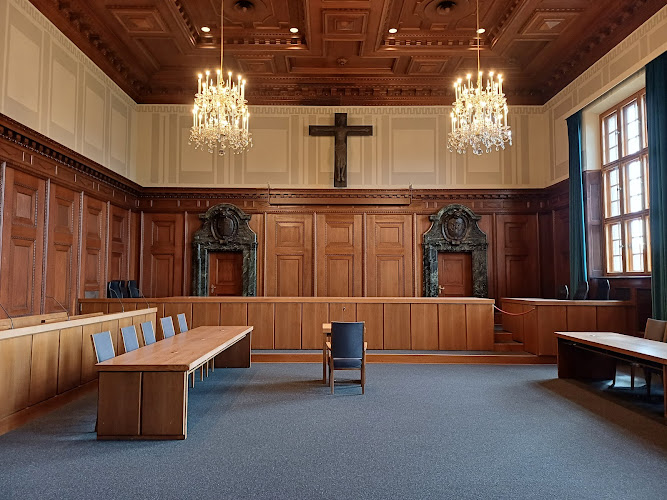
Memorium Nuremberg Trials
About Memorium Nuremberg Trials
Description
Standing in the very courtroom where some of history's most significant legal proceedings took place sends chills down your spine in a way that few historical sites can match. The Memorium Nuremberg Trials occupies a unique space in both architectural and historical preservation - it's literally built above Courtroom 600, the actual venue where Nazi war criminals faced international justice after World War II ended. I've visited my fair share of museums and historical landmarks across Europe, but there's something profoundly different about being in a place where the course of international law was fundamentally changed. The exhibition doesn't just tell you about the trials that began in 1945; it puts you in the mindset of that era when the world was grappling with atrocities on a scale never before witnessed. You're walking through rooms that document how 21 major Nazi officials sat in the dock while prosecutors from the United States, Soviet Union, Great Britain, and France presented evidence of crimes against humanity. What makes this memorial particularly powerful is its refusal to sensationalize. The permanent exhibition spreads across the upper floor of the courthouse, presenting photographs, audio recordings, film footage, and original documents in a thoughtful, chronological arrangement. You'll hear actual audio from the proceedings through the excellent audio guide system, and honestly, hearing those voices from 1945-46 makes history feel immediate rather than distant. The building itself remained an active courthouse until recently, which meant the memorial had to coexist with contemporary legal proceedings happening floors below. This created an interesting dynamic - justice continuing in the same building where modern international criminal law was essentially invented. The International Military Tribunal held here established precedents still referenced in war crimes tribunals today, from The Hague to the International Criminal Court. For travelers interested in 20th-century history, World War II, or the development of human rights law, this memorial offers insights you simply cannot get from textbooks or documentaries. The exhibition doesn't shy away from difficult questions about victor's justice, collective guilt, or whether the trials achieved their stated goals of preventing future atrocities.Key Features
The Memorium Nuremberg Trials offers several distinctive elements that make it stand out among European historical attractions:- Access to view Courtroom 600 itself, the original trial venue, when court is not in session - standing where Hermann Göring, Rudolf Hess, and other Nazi leaders sat during proceedings creates an unforgettable connection to history
- Comprehensive audio guide available in multiple languages that provides context, survivor testimony, and actual recordings from the trials themselves - budget about three hours if you want to listen to everything thoroughly
- Over 600 square meters of exhibition space featuring original documents, photographs, film footage, and interactive displays explaining the legal framework, the defendants, the charges, and the verdicts
- Detailed exploration of how the trials established new legal concepts including crimes against peace, war crimes, and crimes against humanity - concepts that didn't formally exist before Nuremberg
- Documentation of all twelve subsequent Nuremberg trials that prosecuted doctors, judges, industrialists, and SS officers between 1946-1949, which often get overlooked in popular history
- Wheelchair accessible throughout, including entrance, parking, and restrooms, making this important historical site available to all visitors regardless of mobility
- Thoughtful examination of the trial's limitations and controversies, including the absence of Allied war crimes discussion and questions about whether justice was truly served
- Special focus on the role of interpreters and translators who made simultaneous interpretation possible for the first time in a major trial - a fascinating logistical achievement that's often forgotten
- Multimedia presentations showing how the trials were covered by international press and perceived by different populations around the world
Best Time to Visit
Timing your visit to the Memorium Nuremberg Trials requires some strategic thinking because, unlike most museums, this one operates within a building that has other functions. Courtroom 600 itself still occasionally hosts legal proceedings, which means it's not always accessible to visitors. Your best bet is visiting on weekdays during the mid-morning hours, roughly between 10 AM and noon. The memorial opens at 10 AM on Wednesdays through Mondays (it's closed Tuesdays), and arriving right when doors open means you'll encounter fewer tour groups. And trust me, experiencing the courtroom and exhibition with space to breathe and reflect makes a massive difference. The shoulder seasons - April through May and September through October - offer the ideal combination of manageable crowds and pleasant weather for exploring Nuremberg more broadly. Summer months bring the biggest tourist crowds, particularly tour buses full of history enthusiasts and educational groups. If you're visiting during July or August, consider going later in the afternoon. Many group tours arrive in the morning, so afternoons around 2 PM onwards tend to be quieter. Winter visits have their own appeal. December through February sees significantly fewer visitors, giving you an almost private experience with this profound piece of history. The memorial takes on a particularly contemplative atmosphere during gray winter days. But be aware that Nuremberg gets quite cold, and you'll want to dress warmly for walking around the surrounding area. Avoid visiting on German public holidays when possible, as the memorial may have altered hours or be closed entirely. Also check ahead if court is in session, because Courtroom 600 access gets restricted during active proceedings. The memorial's website typically indicates when the courtroom will be unavailable, though I've found calling ahead provides the most reliable information. If you're planning to visit during the Nuremberg Christmas Market season in December, book accommodation well in advance and expect the city overall to be quite busy, though the memorial itself remains relatively uncrowded compared to the festive market areas.How to Get There
Getting to the Memorium Nuremberg Trials is straightforward once you understand that it's located in the Palace of Justice on the western side of Nuremberg, not in the historic city center where most tourists spend their time. The most convenient option for most travelers is taking the U-Bahn (Nuremberg's metro system). Line U1 takes you directly to Bärenschanze station, which sits just a five-minute walk from the memorial. The U-Bahn is reliable, clean, and easy to navigate even if you don't speak German. From the Hauptbahnhof (main train station), the journey takes roughly 10 minutes. You'll need to purchase a ticket from the machines before boarding - a single trip within the central zone covers this journey. If you're staying in the Altstadt (old town), you can also take tram line 6 toward Nürnberg Großreuth and get off at Sielstraße stop. From there, it's about a seven-minute walk. Honestly, the tram gives you a nice glimpse of everyday Nuremberg beyond the tourist areas. For those renting a car, the memorial offers wheelchair accessible parking on site, which is actually quite convenient. Navigation systems recognize "Memorium Nürnberger Prozesse" or you can input the district name. Parking in Nuremberg can be challenging in some areas, but the courthouse complex has dedicated visitor parking. Just be prepared that German parking machines sometimes only accept coins or EC cards, not always credit cards. Walking from the city center takes about 35-40 minutes, which is doable if you enjoy urban walking and want to see residential Nuremberg. The route isn't particularly scenic compared to staying within the medieval walls, but it gives you perspective on how Nuremberg functions as a living city rather than just a historical attraction. Taxi or ride-sharing services work well if you're traveling with limited mobility or simply prefer door-to-door convenience. Most Nuremberg taxi drivers speak at least basic English and know the memorial well since it's a major tourist destination.Tips for Visiting
After spending considerable time studying this period of history and visiting the memorial myself, I've gathered some practical advice that'll enhance your experience significantly. First and foremost, get the audio guide. This isn't optional in my opinion - it's essential. The exhibition contains extensive written information, but the audio guide adds layers of context, survivor voices, and actual trial recordings that transform the experience from informative to genuinely moving. Budget at least two and a half to three hours for a thorough visit if you're using the audio guide properly. Rushing through in an hour means you'll miss the depth this place offers. The memorial doesn't photograph well, and honestly, you should focus on being present rather than documenting everything with your phone. Most of the exhibition prohibits flash photography anyway to preserve the original documents and photographs on display. Take a few meaningful photos in permitted areas, then put your device away and engage with the material. Bring a sweater or light jacket regardless of season. The courthouse building maintains cool temperatures year-round for document preservation, and you'll be standing still for extended periods while listening to audio presentations. I've seen visitors uncomfortable because they dressed for Nuremberg's summer weather without considering indoor climate control. If you're visiting with children or teenagers, the memorial provides age-appropriate audio guide versions. However, the subject matter is inherently disturbing and deals with genocide, mass murder, and other atrocities. Use your judgment about whether younger visitors are ready for this content. I'd suggest ages 14 and up as a general guideline, though mature younger teens interested in history could certainly benefit from the experience. The memorial shop sells well-curated books and documentaries about the trials, many available in English. These make meaningful souvenirs compared to typical tourist merchandise. The selection includes scholarly works, firsthand accounts, and accessible histories that deepen understanding beyond what the exhibition covers. Plan to combine your visit with other Nuremberg historical sites related to the Nazi period, particularly the Nazi Party Rally Grounds Documentation Center. Together, these sites tell the complete story from Nazi propaganda and power to accountability and justice. Many visitors find this pairing creates necessary context for understanding both the crimes and the subsequent trials. Don't skip the section on the twelve subsequent trials. Most people know about the main International Military Tribunal with Göring and other Nazi leadership, but the subsequent trials of doctors, judges, and industrialists are equally important for understanding how deeply complicit German society became. These trials also established crucial precedents about professional responsibility and following orders. Check whether Courtroom 600 is accessible before building your entire visit around seeing it. While disappointing if closed, the exhibition itself provides enormous value even without courtroom access. The memorial clearly indicates courtroom availability, so you won't be caught by surprise if you check ahead. Finally, give yourself time afterward to process what you've experienced. This isn't a lighthearted tourist attraction - it's confronting and emotionally demanding. The area around the courthouse has a few quiet cafes where you can sit, reflect, and perhaps journal about your thoughts. Many visitors find they need this decompression time before jumping back into regular sightseeing mode. The Memorium Nuremberg Trials represents one of those rare places where you can witness where humanity attempted to establish accountability for unprecedented evil. It's not always comfortable, but it's undeniably important for anyone seeking to understand the 20th century and the ongoing development of international justice.Key Features
- Courtroom 600 — original courtroom where the main International Military Tribunal sat
- Permanent exhibition with original documents, photographs and trial transcripts
- Multilingual informational materials and audio guides (check locally for languages available)
- Contextual displays on Subsequent Nuremberg Trials and legacy in international law
- Educational programs, temporary exhibits and guided tours (groups of 10+ advised to book ahead)
More Details
Updated March 30, 2026
Table of Contents
Description
Standing in the very courtroom where some of history’s most significant legal proceedings took place sends chills down your spine in a way that few historical sites can match. The Memorium Nuremberg Trials occupies a unique space in both architectural and historical preservation – it’s literally built above Courtroom 600, the actual venue where Nazi war criminals faced international justice after World War II ended.
I’ve visited my fair share of museums and historical landmarks across Europe, but there’s something profoundly different about being in a place where the course of international law was fundamentally changed. The exhibition doesn’t just tell you about the trials that began in 1945; it puts you in the mindset of that era when the world was grappling with atrocities on a scale never before witnessed. You’re walking through rooms that document how 21 major Nazi officials sat in the dock while prosecutors from the United States, Soviet Union, Great Britain, and France presented evidence of crimes against humanity.
What makes this memorial particularly powerful is its refusal to sensationalize. The permanent exhibition spreads across the upper floor of the courthouse, presenting photographs, audio recordings, film footage, and original documents in a thoughtful, chronological arrangement. You’ll hear actual audio from the proceedings through the excellent audio guide system, and honestly, hearing those voices from 1945-46 makes history feel immediate rather than distant.
The building itself remained an active courthouse until recently, which meant the memorial had to coexist with contemporary legal proceedings happening floors below. This created an interesting dynamic – justice continuing in the same building where modern international criminal law was essentially invented. The International Military Tribunal held here established precedents still referenced in war crimes tribunals today, from The Hague to the International Criminal Court.
For travelers interested in 20th-century history, World War II, or the development of human rights law, this memorial offers insights you simply cannot get from textbooks or documentaries. The exhibition doesn’t shy away from difficult questions about victor’s justice, collective guilt, or whether the trials achieved their stated goals of preventing future atrocities.
Key Features
The Memorium Nuremberg Trials offers several distinctive elements that make it stand out among European historical attractions:
- Access to view Courtroom 600 itself, the original trial venue, when court is not in session – standing where Hermann Göring, Rudolf Hess, and other Nazi leaders sat during proceedings creates an unforgettable connection to history
- Comprehensive audio guide available in multiple languages that provides context, survivor testimony, and actual recordings from the trials themselves – budget about three hours if you want to listen to everything thoroughly
- Over 600 square meters of exhibition space featuring original documents, photographs, film footage, and interactive displays explaining the legal framework, the defendants, the charges, and the verdicts
- Detailed exploration of how the trials established new legal concepts including crimes against peace, war crimes, and crimes against humanity – concepts that didn’t formally exist before Nuremberg
- Documentation of all twelve subsequent Nuremberg trials that prosecuted doctors, judges, industrialists, and SS officers between 1946-1949, which often get overlooked in popular history
- Wheelchair accessible throughout, including entrance, parking, and restrooms, making this important historical site available to all visitors regardless of mobility
- Thoughtful examination of the trial’s limitations and controversies, including the absence of Allied war crimes discussion and questions about whether justice was truly served
- Special focus on the role of interpreters and translators who made simultaneous interpretation possible for the first time in a major trial – a fascinating logistical achievement that’s often forgotten
- Multimedia presentations showing how the trials were covered by international press and perceived by different populations around the world
Best Time to Visit
Timing your visit to the Memorium Nuremberg Trials requires some strategic thinking because, unlike most museums, this one operates within a building that has other functions. Courtroom 600 itself still occasionally hosts legal proceedings, which means it’s not always accessible to visitors.
Your best bet is visiting on weekdays during the mid-morning hours, roughly between 10 AM and noon. The memorial opens at 10 AM on Wednesdays through Mondays (it’s closed Tuesdays), and arriving right when doors open means you’ll encounter fewer tour groups. And trust me, experiencing the courtroom and exhibition with space to breathe and reflect makes a massive difference.
The shoulder seasons – April through May and September through October – offer the ideal combination of manageable crowds and pleasant weather for exploring Nuremberg more broadly. Summer months bring the biggest tourist crowds, particularly tour buses full of history enthusiasts and educational groups. If you’re visiting during July or August, consider going later in the afternoon. Many group tours arrive in the morning, so afternoons around 2 PM onwards tend to be quieter.
Winter visits have their own appeal. December through February sees significantly fewer visitors, giving you an almost private experience with this profound piece of history. The memorial takes on a particularly contemplative atmosphere during gray winter days. But be aware that Nuremberg gets quite cold, and you’ll want to dress warmly for walking around the surrounding area.
Avoid visiting on German public holidays when possible, as the memorial may have altered hours or be closed entirely. Also check ahead if court is in session, because Courtroom 600 access gets restricted during active proceedings. The memorial’s website typically indicates when the courtroom will be unavailable, though I’ve found calling ahead provides the most reliable information.
If you’re planning to visit during the Nuremberg Christmas Market season in December, book accommodation well in advance and expect the city overall to be quite busy, though the memorial itself remains relatively uncrowded compared to the festive market areas.
How to Get There
Getting to the Memorium Nuremberg Trials is straightforward once you understand that it’s located in the Palace of Justice on the western side of Nuremberg, not in the historic city center where most tourists spend their time.
The most convenient option for most travelers is taking the U-Bahn (Nuremberg’s metro system). Line U1 takes you directly to Bärenschanze station, which sits just a five-minute walk from the memorial. The U-Bahn is reliable, clean, and easy to navigate even if you don’t speak German. From the Hauptbahnhof (main train station), the journey takes roughly 10 minutes. You’ll need to purchase a ticket from the machines before boarding – a single trip within the central zone covers this journey.
If you’re staying in the Altstadt (old town), you can also take tram line 6 toward Nürnberg Großreuth and get off at Sielstraße stop. From there, it’s about a seven-minute walk. Honestly, the tram gives you a nice glimpse of everyday Nuremberg beyond the tourist areas.
For those renting a car, the memorial offers wheelchair accessible parking on site, which is actually quite convenient. Navigation systems recognize “Memorium Nürnberger Prozesse” or you can input the district name. Parking in Nuremberg can be challenging in some areas, but the courthouse complex has dedicated visitor parking. Just be prepared that German parking machines sometimes only accept coins or EC cards, not always credit cards.
Walking from the city center takes about 35-40 minutes, which is doable if you enjoy urban walking and want to see residential Nuremberg. The route isn’t particularly scenic compared to staying within the medieval walls, but it gives you perspective on how Nuremberg functions as a living city rather than just a historical attraction.
Taxi or ride-sharing services work well if you’re traveling with limited mobility or simply prefer door-to-door convenience. Most Nuremberg taxi drivers speak at least basic English and know the memorial well since it’s a major tourist destination.
Tips for Visiting
After spending considerable time studying this period of history and visiting the memorial myself, I’ve gathered some practical advice that’ll enhance your experience significantly.
First and foremost, get the audio guide. This isn’t optional in my opinion – it’s essential. The exhibition contains extensive written information, but the audio guide adds layers of context, survivor voices, and actual trial recordings that transform the experience from informative to genuinely moving. Budget at least two and a half to three hours for a thorough visit if you’re using the audio guide properly. Rushing through in an hour means you’ll miss the depth this place offers.
The memorial doesn’t photograph well, and honestly, you should focus on being present rather than documenting everything with your phone. Most of the exhibition prohibits flash photography anyway to preserve the original documents and photographs on display. Take a few meaningful photos in permitted areas, then put your device away and engage with the material.
Bring a sweater or light jacket regardless of season. The courthouse building maintains cool temperatures year-round for document preservation, and you’ll be standing still for extended periods while listening to audio presentations. I’ve seen visitors uncomfortable because they dressed for Nuremberg’s summer weather without considering indoor climate control.
If you’re visiting with children or teenagers, the memorial provides age-appropriate audio guide versions. However, the subject matter is inherently disturbing and deals with genocide, mass murder, and other atrocities. Use your judgment about whether younger visitors are ready for this content. I’d suggest ages 14 and up as a general guideline, though mature younger teens interested in history could certainly benefit from the experience.
The memorial shop sells well-curated books and documentaries about the trials, many available in English. These make meaningful souvenirs compared to typical tourist merchandise. The selection includes scholarly works, firsthand accounts, and accessible histories that deepen understanding beyond what the exhibition covers.
Plan to combine your visit with other Nuremberg historical sites related to the Nazi period, particularly the Nazi Party Rally Grounds Documentation Center. Together, these sites tell the complete story from Nazi propaganda and power to accountability and justice. Many visitors find this pairing creates necessary context for understanding both the crimes and the subsequent trials.
Don’t skip the section on the twelve subsequent trials. Most people know about the main International Military Tribunal with Göring and other Nazi leadership, but the subsequent trials of doctors, judges, and industrialists are equally important for understanding how deeply complicit German society became. These trials also established crucial precedents about professional responsibility and following orders.
Check whether Courtroom 600 is accessible before building your entire visit around seeing it. While disappointing if closed, the exhibition itself provides enormous value even without courtroom access. The memorial clearly indicates courtroom availability, so you won’t be caught by surprise if you check ahead.
Finally, give yourself time afterward to process what you’ve experienced. This isn’t a lighthearted tourist attraction – it’s confronting and emotionally demanding. The area around the courthouse has a few quiet cafes where you can sit, reflect, and perhaps journal about your thoughts. Many visitors find they need this decompression time before jumping back into regular sightseeing mode.
The Memorium Nuremberg Trials represents one of those rare places where you can witness where humanity attempted to establish accountability for unprecedented evil. It’s not always comfortable, but it’s undeniably important for anyone seeking to understand the 20th century and the ongoing development of international justice.
Key Highlights
- Courtroom 600 — original courtroom where the main International Military Tribunal sat
- Permanent exhibition with original documents, photographs and trial transcripts
- Multilingual informational materials and audio guides (check locally for languages available)
- Contextual displays on Subsequent Nuremberg Trials and legacy in international law
- Educational programs, temporary exhibits and guided tours (groups of 10+ advised to book ahead)
Location
Places to Stay Near Memorium Nuremberg Trials
Find and Book a Tour
Explore More Travel Guides
No reviews found! Be the first to review!
Memorium Nuremberg Trials is a prominent attractions located in Nuremberg.
Visit us at: Bärenschanzstraße 72, 90429 Nürnberg, Germany.
Traveler Reviews for Memorium Nuremberg Trials
There are no reviews yet. Be the first one to write one.
Have you visited Memorium Nuremberg Trials? Help other travelers by sharing your review.
Nearby Attractions
You Might Also Like
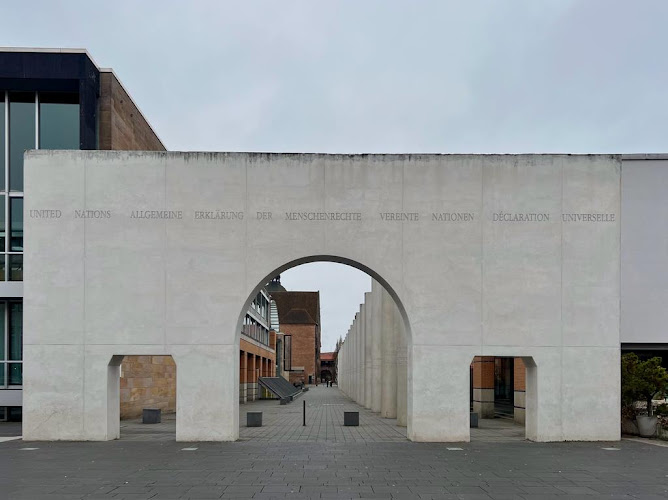
Street of Human Rights
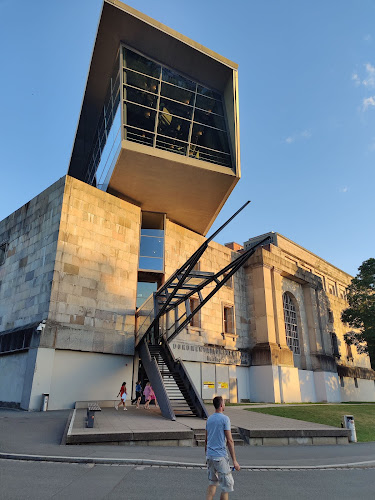
Congress Hall
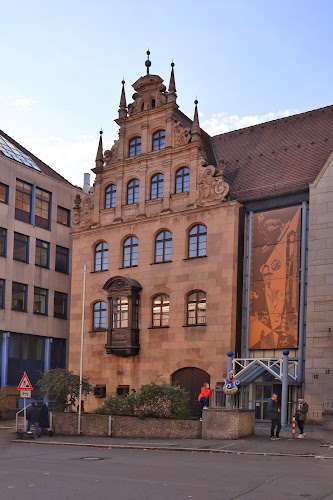
Toy Museum
Find Accommodations Nearby
Recommended Tours & Activities
Visitor Reviews
There are no reviews yet. Be the first one to write one.
Share Your Experience
Have you visited Memorium Nuremberg Trials? Help other travelers by leaving a review.