
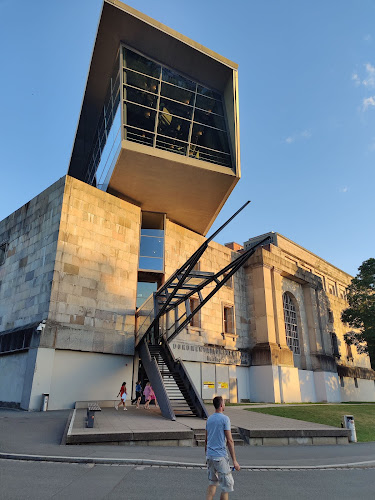
Congress Hall
About Congress Hall
Description
Congress Hall stands as one of the most imposing remnants of Nazi Germany's architectural ambitions, and honestly, there's nothing quite like it anywhere else in the world. This massive, unfinished structure in Nuremberg was designed to hold up to 50,000 people during Nazi Party rallies in the 1930s, and walking through it today feels a bit surreal. The sheer scale of the place hits you immediately—this horseshoe-shaped building spans approximately 275 meters and was meant to dwarf even Rome's ancient Colosseum, which served as its inspiration. What makes Congress Hall particularly important for travelers isn't just its historical significance, though that's substantial enough. It's that this space now houses the Documentation Center Nazi Party Rally Grounds, a permanent exhibition that doesn't shy away from examining one of history's darkest chapters. I've visited several WWII-related sites across Europe, and what sets this one apart is how it contextualizes the architecture itself as propaganda. The building becomes part of the exhibition, which is pretty powerful when you think about it. The structure was never completed—construction stopped in 1939 when the war began—and that incompleteness somehow adds to its impact. You can still see the rough stonework, the unfinished interior spaces, and the gaps where grand halls were supposed to be. It's a monument to failed ambitions and serves as a stark reminder of where unchecked authoritarianism leads. Today, visitors come here not to celebrate but to learn and remember. The Documentation Center does an exceptional job of explaining how the Nazi Party used mass spectacles and monumental architecture to manipulate public opinion. And while that might sound heavy (because it is), understanding this history is essential. The museum employs modern interactive displays, original photographs, film footage, and documents that trace the rise and fall of the Nazi regime, with particular focus on the Nuremberg rallies that took place on these very grounds.Key Features
When you visit Congress Hall, you'll encounter several distinctive elements that make this historical landmark worth your time: • The Documentation Center's permanent exhibition titled "Fascination and Terror" which spans 1,300 square meters and thoroughly examines the causes, connections, and consequences of Nazi tyranny • The massive unfinished structure itself, built from pale limestone in a horseshoe configuration that measures 275 meters across its outer diameter • Original architectural elements designed by Ludwig and Franz Ruff, including the colonnade and portions of the interior that give insight into Nazi aesthetic preferences • An audio guide system available in multiple languages that provides detailed context as you move through different sections of the exhibition • Temporary exhibitions that rotate throughout the year, offering fresh perspectives on related historical topics • The Golden Hall (Goldener Saal) which occasionally hosts events and can be viewed during visits • Educational programs and guided tours that dive deeper into specific aspects of the Nazi rally grounds and their historical context • Accessible facilities throughout, including wheelchair-friendly entrances and parking areas, making this important site available to all visitors • Original film footage from the Nuremberg rallies that shows how this space was actually used during the 1930s • A learning forum where visitors can engage with historical materials and participate in discussions about democracy and human rightsBest Time to Visit
Planning when to visit Congress Hall involves weighing a few different factors, and I'll be straight with you—there isn't really a "bad" time to go since this is primarily an indoor museum experience. But there are definitely some considerations that might make your visit more comfortable. The shoulder seasons of spring (April to May) and fall (September to October) tend to work really well. You'll find moderate temperatures that make the walk around the exterior rally grounds more pleasant, and tourist crowds are generally lighter than in peak summer months. Plus, Nuremberg's weather during these months is usually pretty cooperative—not too hot, not freezing. Summer, particularly July and August, brings the largest crowds. School groups, tour buses, and individual travelers all converge during these months. That doesn't mean you shouldn't go then, but just expect to share your experience with more people. The exhibition spaces can feel a bit cramped when multiple tour groups are moving through simultaneously. Winter visits have their own character. December can be especially interesting if you're in Nuremberg for the famous Christmas market, though the contrast between festive holiday celebrations and this somber historical site is quite stark. January through March sees the fewest visitors, which means you'll have more space to absorb the exhibits at your own pace. But bundle up if you plan to explore the outdoor rally grounds—it gets properly cold. Weekdays are typically quieter than weekends regardless of season. And if you can swing it, arriving right when the museum opens gives you a window of relative quiet before tour groups start rolling in around mid-morning. One thing worth noting: plan for at least 2-3 hours here. This isn't a quick stop, and rushing through does a disservice to the historical importance of what you're seeing. I've watched people try to zip through in 45 minutes and they always look overwhelmed and a bit lost.How to Get There
Getting to Congress Hall is actually pretty straightforward, which is good because the last thing you want is transportation stress before visiting a place this emotionally heavy. If you're staying in Nuremberg's city center (Altstadt), the tram system is your best bet. Tram line 8 runs directly to the Doku-Zentrum stop, which literally drops you right at the Documentation Center entrance. The ride takes about 15-20 minutes from the main train station (Hauptbahnhof), and trams run frequently throughout the day. You'll want to grab a day ticket if you're planning to do other sightseeing in Nuremberg—they're more economical than buying individual fares. The bus system also serves the area, with several lines stopping nearby. But honestly, the tram is more direct and you don't have to worry about which bus route to take. For those renting a car, there's dedicated parking on-site that's wheelchair accessible. The facility is located on Bayernstraße, and you'll see clear signage directing you to visitor parking. Parking fees are reasonable, and the lot rarely fills completely except during major events. Cycling is another option if you enjoy getting around on two wheels. Nuremberg has decent bike infrastructure, and there are bike racks available at the Documentation Center. The ride from the old town takes maybe 20 minutes at a leisurely pace. Walking from the city center is possible but takes about 45 minutes to an hour. It's a decent hike, and unless you're really into urban walking, I'd suggest saving your energy for the actual site visit. Taxi or rideshare services can drop you right at the entrance, which makes sense if you're traveling with limited mobility or just prefer door-to-door convenience.Tips for Visiting
After spending considerable time at Congress Hall and talking to other visitors, I've picked up some insights that'll help make your visit more meaningful and less stressful. First off, rent the audio guide. Seriously. The exhibition is self-explanatory to an extent, but the audio guide adds layers of context and personal stories that bring the historical narrative to life. It's available in something like 15 languages, so language barriers aren't really an issue. Wear comfortable shoes because you'll be on your feet for a while. The exhibition covers multiple floors, and if you venture outside to see the broader rally grounds, you're looking at quite a bit of walking. Those ancient cobblestones and concrete expanses aren't exactly forgiving on tired feet. The emotional weight of this place sneaks up on you. I've seen it happen to myself and others—you think you're prepared, and then something in the exhibition hits differently than expected. There are benches throughout where you can sit and process what you're seeing. Take advantage of them. Photography is allowed in most areas, but be respectful about it. This is a memorial space and documentation center, not an Instagram backdrop. I've witnessed people taking selfies in front of exhibits about atrocities, and it's deeply inappropriate. By all means, document your visit, but keep the context in mind. If you're visiting with teenagers or older children, this can be an incredibly educational experience. However, for younger kids, the subject matter might be too intense. The museum doesn't sugar-coat anything, which is how it should be, but parents know their children best. The museum shop actually has some worthwhile materials—books, documentaries, and educational resources that you won't find elsewhere. It's not just generic souvenirs (which would be weird here anyway). Plan your visit for earlier in the day if possible. The emotional and intellectual processing required to engage with this material is taxing, and you'll absorb more when you're fresh rather than at the end of a long day of sightseeing. Combine your visit with the broader rally grounds if weather permits. The Zeppelin Field is within walking distance, and seeing these spaces together provides fuller context for the scale of Nazi propaganda efforts. But that's easily another hour or more added to your visit. Check the website before you go for any temporary exhibitions or special programming. Sometimes there are lectures, discussions, or guided tours with historians that can deepen your understanding significantly. Admission fees are reasonable—around 6 euros for adults, with discounts for students and free entry for certain groups. Some days offer free admission, so it's worth checking ahead. Lastly, give yourself permission to feel whatever you feel here. It's heavy material, and there's no "right" way to respond to learning about this chapter of history. Some people leave feeling angry, others sad, many thoughtful. All those reactions are valid and part of why places like Congress Hall matter so much.Key Features
- Massive semicircular structure designed for up to 50,000 people
- Striking neoclassical colonnade and monumental scale
- Exhibitions and educational displays about the Nazi Party rallies
- Space of remembrance integrated into the former rally grounds
- Panoramic views and photographic opportunities of the structure and grounds
More Details
Updated March 30, 2026
Table of Contents
Description
Congress Hall stands as one of the most imposing remnants of Nazi Germany’s architectural ambitions, and honestly, there’s nothing quite like it anywhere else in the world. This massive, unfinished structure in Nuremberg was designed to hold up to 50,000 people during Nazi Party rallies in the 1930s, and walking through it today feels a bit surreal. The sheer scale of the place hits you immediately—this horseshoe-shaped building spans approximately 275 meters and was meant to dwarf even Rome’s ancient Colosseum, which served as its inspiration.
What makes Congress Hall particularly important for travelers isn’t just its historical significance, though that’s substantial enough. It’s that this space now houses the Documentation Center Nazi Party Rally Grounds, a permanent exhibition that doesn’t shy away from examining one of history’s darkest chapters. I’ve visited several WWII-related sites across Europe, and what sets this one apart is how it contextualizes the architecture itself as propaganda. The building becomes part of the exhibition, which is pretty powerful when you think about it.
The structure was never completed—construction stopped in 1939 when the war began—and that incompleteness somehow adds to its impact. You can still see the rough stonework, the unfinished interior spaces, and the gaps where grand halls were supposed to be. It’s a monument to failed ambitions and serves as a stark reminder of where unchecked authoritarianism leads.
Today, visitors come here not to celebrate but to learn and remember. The Documentation Center does an exceptional job of explaining how the Nazi Party used mass spectacles and monumental architecture to manipulate public opinion. And while that might sound heavy (because it is), understanding this history is essential. The museum employs modern interactive displays, original photographs, film footage, and documents that trace the rise and fall of the Nazi regime, with particular focus on the Nuremberg rallies that took place on these very grounds.
Key Features
When you visit Congress Hall, you’ll encounter several distinctive elements that make this historical landmark worth your time:
• The Documentation Center’s permanent exhibition titled “Fascination and Terror” which spans 1,300 square meters and thoroughly examines the causes, connections, and consequences of Nazi tyranny
• The massive unfinished structure itself, built from pale limestone in a horseshoe configuration that measures 275 meters across its outer diameter
• Original architectural elements designed by Ludwig and Franz Ruff, including the colonnade and portions of the interior that give insight into Nazi aesthetic preferences
• An audio guide system available in multiple languages that provides detailed context as you move through different sections of the exhibition
• Temporary exhibitions that rotate throughout the year, offering fresh perspectives on related historical topics
• The Golden Hall (Goldener Saal) which occasionally hosts events and can be viewed during visits
• Educational programs and guided tours that dive deeper into specific aspects of the Nazi rally grounds and their historical context
• Accessible facilities throughout, including wheelchair-friendly entrances and parking areas, making this important site available to all visitors
• Original film footage from the Nuremberg rallies that shows how this space was actually used during the 1930s
• A learning forum where visitors can engage with historical materials and participate in discussions about democracy and human rights
Best Time to Visit
Planning when to visit Congress Hall involves weighing a few different factors, and I’ll be straight with you—there isn’t really a “bad” time to go since this is primarily an indoor museum experience. But there are definitely some considerations that might make your visit more comfortable.
The shoulder seasons of spring (April to May) and fall (September to October) tend to work really well. You’ll find moderate temperatures that make the walk around the exterior rally grounds more pleasant, and tourist crowds are generally lighter than in peak summer months. Plus, Nuremberg’s weather during these months is usually pretty cooperative—not too hot, not freezing.
Summer, particularly July and August, brings the largest crowds. School groups, tour buses, and individual travelers all converge during these months. That doesn’t mean you shouldn’t go then, but just expect to share your experience with more people. The exhibition spaces can feel a bit cramped when multiple tour groups are moving through simultaneously.
Winter visits have their own character. December can be especially interesting if you’re in Nuremberg for the famous Christmas market, though the contrast between festive holiday celebrations and this somber historical site is quite stark. January through March sees the fewest visitors, which means you’ll have more space to absorb the exhibits at your own pace. But bundle up if you plan to explore the outdoor rally grounds—it gets properly cold.
Weekdays are typically quieter than weekends regardless of season. And if you can swing it, arriving right when the museum opens gives you a window of relative quiet before tour groups start rolling in around mid-morning.
One thing worth noting: plan for at least 2-3 hours here. This isn’t a quick stop, and rushing through does a disservice to the historical importance of what you’re seeing. I’ve watched people try to zip through in 45 minutes and they always look overwhelmed and a bit lost.
How to Get There
Getting to Congress Hall is actually pretty straightforward, which is good because the last thing you want is transportation stress before visiting a place this emotionally heavy.
If you’re staying in Nuremberg’s city center (Altstadt), the tram system is your best bet. Tram line 8 runs directly to the Doku-Zentrum stop, which literally drops you right at the Documentation Center entrance. The ride takes about 15-20 minutes from the main train station (Hauptbahnhof), and trams run frequently throughout the day. You’ll want to grab a day ticket if you’re planning to do other sightseeing in Nuremberg—they’re more economical than buying individual fares.
The bus system also serves the area, with several lines stopping nearby. But honestly, the tram is more direct and you don’t have to worry about which bus route to take.
For those renting a car, there’s dedicated parking on-site that’s wheelchair accessible. The facility is located on Bayernstraße, and you’ll see clear signage directing you to visitor parking. Parking fees are reasonable, and the lot rarely fills completely except during major events.
Cycling is another option if you enjoy getting around on two wheels. Nuremberg has decent bike infrastructure, and there are bike racks available at the Documentation Center. The ride from the old town takes maybe 20 minutes at a leisurely pace.
Walking from the city center is possible but takes about 45 minutes to an hour. It’s a decent hike, and unless you’re really into urban walking, I’d suggest saving your energy for the actual site visit.
Taxi or rideshare services can drop you right at the entrance, which makes sense if you’re traveling with limited mobility or just prefer door-to-door convenience.
Tips for Visiting
After spending considerable time at Congress Hall and talking to other visitors, I’ve picked up some insights that’ll help make your visit more meaningful and less stressful.
First off, rent the audio guide. Seriously. The exhibition is self-explanatory to an extent, but the audio guide adds layers of context and personal stories that bring the historical narrative to life. It’s available in something like 15 languages, so language barriers aren’t really an issue.
Wear comfortable shoes because you’ll be on your feet for a while. The exhibition covers multiple floors, and if you venture outside to see the broader rally grounds, you’re looking at quite a bit of walking. Those ancient cobblestones and concrete expanses aren’t exactly forgiving on tired feet.
The emotional weight of this place sneaks up on you. I’ve seen it happen to myself and others—you think you’re prepared, and then something in the exhibition hits differently than expected. There are benches throughout where you can sit and process what you’re seeing. Take advantage of them.
Photography is allowed in most areas, but be respectful about it. This is a memorial space and documentation center, not an Instagram backdrop. I’ve witnessed people taking selfies in front of exhibits about atrocities, and it’s deeply inappropriate. By all means, document your visit, but keep the context in mind.
If you’re visiting with teenagers or older children, this can be an incredibly educational experience. However, for younger kids, the subject matter might be too intense. The museum doesn’t sugar-coat anything, which is how it should be, but parents know their children best.
The museum shop actually has some worthwhile materials—books, documentaries, and educational resources that you won’t find elsewhere. It’s not just generic souvenirs (which would be weird here anyway).
Plan your visit for earlier in the day if possible. The emotional and intellectual processing required to engage with this material is taxing, and you’ll absorb more when you’re fresh rather than at the end of a long day of sightseeing.
Combine your visit with the broader rally grounds if weather permits. The Zeppelin Field is within walking distance, and seeing these spaces together provides fuller context for the scale of Nazi propaganda efforts. But that’s easily another hour or more added to your visit.
Check the website before you go for any temporary exhibitions or special programming. Sometimes there are lectures, discussions, or guided tours with historians that can deepen your understanding significantly.
Admission fees are reasonable—around 6 euros for adults, with discounts for students and free entry for certain groups. Some days offer free admission, so it’s worth checking ahead.
Lastly, give yourself permission to feel whatever you feel here. It’s heavy material, and there’s no “right” way to respond to learning about this chapter of history. Some people leave feeling angry, others sad, many thoughtful. All those reactions are valid and part of why places like Congress Hall matter so much.
Key Highlights
- Massive semicircular structure designed for up to 50,000 people
- Striking neoclassical colonnade and monumental scale
- Exhibitions and educational displays about the Nazi Party rallies
- Space of remembrance integrated into the former rally grounds
- Panoramic views and photographic opportunities of the structure and grounds
Location
Places to Stay Near Congress Hall
Find and Book a Tour
Explore More Travel Guides
No reviews found! Be the first to review!
Congress Hall is a prominent attractions located in Nuremberg.
Visit us at: Bayernstraße 100, 90471 Nürnberg, Germany.
Traveler Reviews for Congress Hall
There are no reviews yet. Be the first one to write one.
Have you visited Congress Hall? Help other travelers by sharing your review.
Nearby Attractions
You Might Also Like
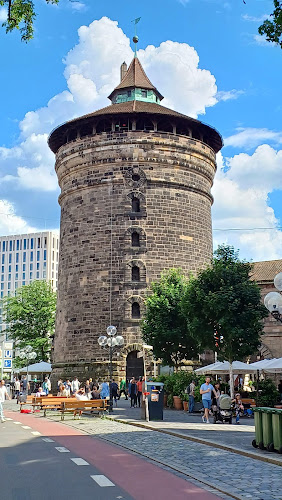
Frauentorturm

Rosenaupark
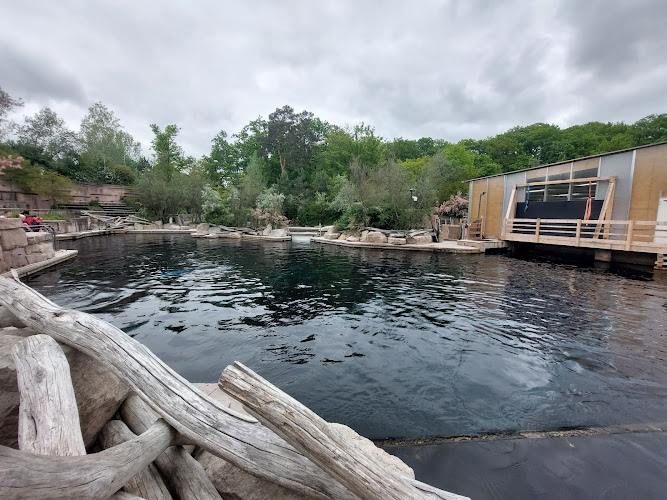
Am Tiergarten 30
Find Accommodations Nearby
Recommended Tours & Activities
Visitor Reviews
There are no reviews yet. Be the first one to write one.
Share Your Experience
Have you visited Congress Hall? Help other travelers by leaving a review.