
Am Tiergarten 30
About Am Tiergarten 30
Am Tiergarten 30 represents one of those peculiar Berlin addresses that travelers often stumble upon while exploring the city's expansive Tiergarten district. I've always found this area fascinating because it sits right on the edge of one of Europe's largest urban parks, giving visitors that rare combination of metropolitan accessibility and genuine green space that's hard to find in major cities.
When you're walking through this part of Berlin, you get this distinct feeling that you've somehow stepped into a different era. The buildings here tell stories of a city that's been through everything—war, division, reunification—and yet managed to preserve pockets of architectural character that give each neighborhood its own personality. And honestly, that's what makes Berlin so compelling for travelers who want more than just the standard tourist circuit.
The location offers an interesting perspective on how Berlin residents actually live, which is something I think most travelers crave these days. You're not looking at some polished tourist facade here. Instead, you're experiencing a genuine slice of Berlin life where locals go about their daily routines, where small businesses operate without much fanfare, and where the rhythm of the city feels authentic rather than manufactured for visitors.
What struck me most about this area when I first visited was how it manages to be both residential and accessible. You're minutes away from some of Berlin's most significant cultural institutions and historical sites, yet the street itself maintains a quieter, more contemplative atmosphere. It's the kind of place where you can start your morning with a peaceful walk through the Tiergarten, then easily transition into exploring museums, monuments, or whatever else your Berlin itinerary demands.
Key Features
The characteristics that define Am Tiergarten 30 and make it worth considering for your Berlin stay include several notable aspects:
- Direct proximity to Tiergarten Park, which spans over 500 acres and provides an escape from urban intensity whenever you need it
- Walking distance to major Berlin attractions including the Brandenburg Gate, Reichstag Building, and the Memorial to the Murdered Jews of Europe
- Authentic neighborhood atmosphere that reflects genuine Berlin residential life rather than tourist-oriented development
- Excellent public transportation connections that put virtually all of Berlin within easy reach
- Surrounding area features a mix of dining options, from traditional German establishments to international cuisine
- Quieter environment compared to heavily touristed areas like Mitte or Friedrichshain, which means better rest between sightseeing adventures
- Historical significance as part of a district that's witnessed pivotal moments in German and European history
- Access to both cultural institutions and natural spaces without compromising on either
- Represents good value for travelers who want central access without paying premium prices for the most touristy locations
- Safe, well-maintained streets that make evening walks comfortable and enjoyable
Best Time to Visit
Timing your visit to this part of Berlin really depends on what kind of experience you're after, and I'll be honest—each season offers something different here.
Spring, particularly April and May, brings something magical to the Tiergarten area. The park explodes with color as flowers bloom and trees regain their leaves after winter. Temperatures hover around 15-20 degrees Celsius, which is perfect for those long walks through the park without working up too much of a sweat. I remember visiting in early May once and being genuinely surprised by how many locals were out enjoying the weather—it felt like the entire city had emerged from hibernation.
Summer months from June through August offer the longest daylight hours, and you'll appreciate this when you're trying to pack as much sightseeing as possible into your days. But here's the thing about Berlin summers—they can get surprisingly warm, sometimes hitting 30 degrees Celsius or higher. The advantage of staying near Tiergarten during these months is having that massive green space where you can cool off under tree cover. Just don't expect to have the place to yourself; Berliners take their summer park time seriously.
Fall, especially September and early October, might actually be my favorite time for this area. The crowds thin out a bit after peak summer tourism season, yet the weather remains pleasant enough for outdoor activities. And watching the Tiergarten transform with autumn colors is genuinely beautiful. You'll find better deals on accommodation during these months too, which is always a bonus for budget-conscious travelers.
Winter presents a different atmosphere entirely. From November through March, Berlin gets cold—sometimes brutally so. Temperatures can drop below freezing, and the park takes on a stark, almost melancholic beauty. But if you don't mind bundling up, this area during winter has its own appeal. The proximity to museums and indoor attractions becomes more valuable when you're less inclined to spend entire days outside.
How to Get There
Getting to Am Tiergarten 30 is refreshingly straightforward thanks to Berlin's efficient public transportation system, which I genuinely think ranks among the best in Europe.
If you're arriving at Berlin's main airport, Berlin Brandenburg Airport (BER), you've got several options. The most economical approach involves taking the Airport Express train (FEX or RE7) to Berlin Hauptbahnhof, the main railway station, which takes roughly 30 minutes. From there, you can either walk—it's about 15-20 minutes depending on your pace—or catch a bus or tram that serves the Tiergarten area. The S-Bahn lines S5, S7, and S75 also connect the airport to various city points where you can transfer.
For travelers coming from other German cities by train, you'll likely arrive at Hauptbahnhof anyway, which makes accessing this area particularly convenient. The station itself is a architectural landmark worth seeing, and its proximity to Tiergarten means you're practically already there.
The U-Bahn and S-Bahn systems crisscross the area around Tiergarten with several relevant stations depending on your exact destination. Bellevue station on the S-Bahn serves the northern Tiergarten area, while several U-Bahn stations provide access from different angles. Berlin's public transit operates on an honor system with occasional inspections, but trust me—don't risk traveling without a valid ticket. The fines are steep and not worth the savings.
Buses offer another reliable option, with numerous routes running through and around the Tiergarten district. Route 100, in particular, is famous among tourists as it passes many major sights, though it can get crowded during peak hours.
If you're driving, which honestly I wouldn't particularly recommend for getting around central Berlin, parking can be challenging in this area. Street parking requires payment during most hours, and spaces fill quickly. Berlin encourages public transport use for good reason—it's simply more practical.
Cycling is increasingly popular in Berlin, and the infrastructure around Tiergarten accommodates bikes well. Many visitors rent bikes for their stay, which gives you flexibility and fits perfectly with exploring this green district.
Tips for Visiting
After spending considerable time in this part of Berlin, I've picked up some practical insights that might make your visit smoother.
First thing—get yourself a proper transit pass. The Berlin WelcomeCard or a standard AB zone ticket (which covers central Berlin) will save you money and hassle compared to buying individual tickets constantly. The ABC zone ticket only becomes necessary if you're heading to the airport or outer areas. Download the BVG app too; it makes navigating the system much easier and lets you buy digital tickets.
Regarding meals, venture beyond the immediate area occasionally. While there are dining options nearby, exploring adjacent neighborhoods like Moabit or walking toward Potsdamer Platz opens up more variety. That said, grab supplies from local supermarkets for breakfast or snacks—eating every meal at restaurants in Berlin adds up quickly, even though the city's generally affordable compared to other Western European capitals.
The Tiergarten itself deserves more than just passing through. Set aside actual time to explore it properly. There are monuments, beer gardens, and quiet corners that most tourists miss because they're rushing between major attractions. I once spent an entire afternoon just wandering the park's paths and discovered sections that felt completely removed from the city despite being right in its heart.
Dress in layers regardless of season. Berlin weather can be unpredictable, and you'll likely be doing a fair amount of walking. Comfortable shoes are non-negotiable—I can't stress this enough. Your feet will thank you after day three of sightseeing.
Learn a few basic German phrases. While many Berliners speak English, especially in tourist areas, making the effort with German is appreciated and sometimes practically useful in shops or restaurants where staff might be more comfortable in their native language. "Guten Tag" and "Danke" go a long way.
Sunday shopping requires planning since most stores close. Restaurants and cafes remain open, but if you need groceries or other supplies, stock up on Saturday. This catches many travelers off guard their first weekend in Germany.
Safety generally isn't a major concern in this area, but standard urban awareness applies. Keep valuables secure, stay alert in crowded tourist spots, and trust your instincts if something feels off. The area around Tiergarten tends to be quieter at night compared to entertainment districts, which means fewer crowds but also fewer people around if you need help.
Consider getting a museum pass if you plan on visiting multiple institutions. Berlin's museum landscape is extensive, and individual entry fees add up. The Museum Pass Berlin covers admission to many major museums for three consecutive days and often lets you skip ticket lines.
Finally, embrace the Berlin attitude a bit. The city has its own pace and culture that might seem brusque compared to other tourist destinations, but it's part of the local character. Don't take directness personally, and you'll find that Berliners are actually quite helpful once you get past that initial exterior.
Key Features
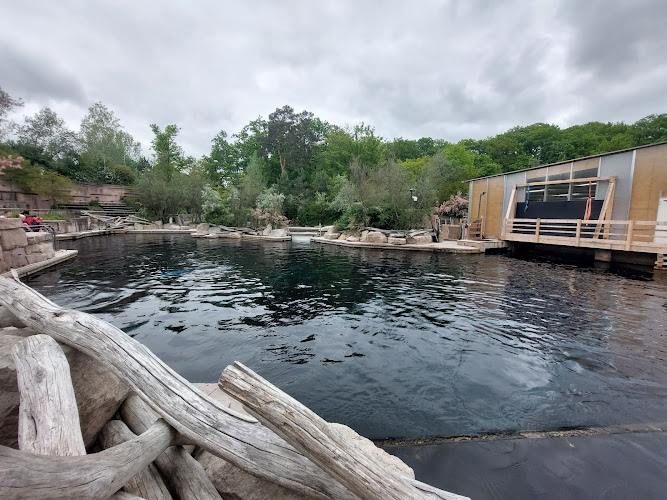
- Main entrance to Tiergarten Nürnberg with access to extensive parkland and exhibits
- Large, naturalistic enclosures featuring diverse species (European and exotic)
- Family-friendly facilities including playgrounds, cafés and picnic areas
- Seasonal events and educational programs focused on conservation
- Good public transport links from Nuremberg city center (tram line access)
Nearby Attractions
You Might Also Like
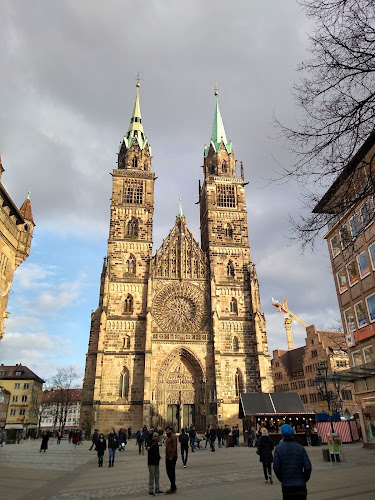
90403 Nuremberg
Congress Hall
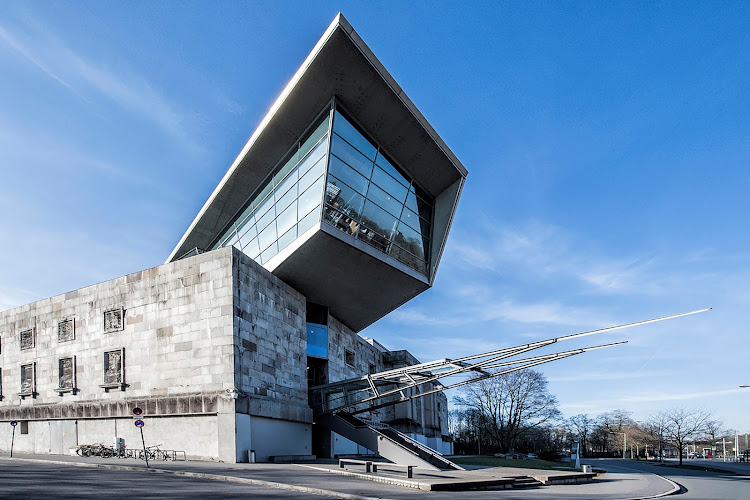
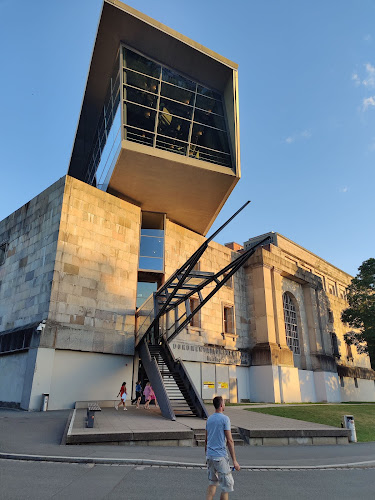
Documentation Center Nazi Party Rally Grounds
Tours & Activities
GetYourGuide provides this tour inventory. We may earn a commission if you book through it; verify current availability, prices, and terms with the provider.
Visitor Reviews
There are no reviews yet. Be the first one to write one.
Share Your Experience
Have you visited Am Tiergarten 30? Help other travelers by leaving a review.