
Mausoleum of Mohammed V
About Mausoleum of Mohammed V
Description
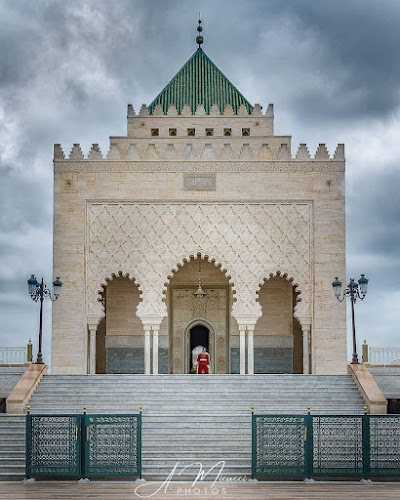
The Mausoleum of Mohammed V stands as one of Morocco's most striking architectural achievements, and honestly, it's the kind of place that stops you in your tracks even if you've seen a hundred royal tombs before. Located in Rabat, Morocco's capital city, this masterpiece of modern Moroccan design serves as the final resting place for King Mohammed V and his sons, King Hassan II and Prince Abdallah. When you first catch sight of that brilliant green-tiled roof against the North African sky, you'll understand why this landmark has become such an iconic symbol of the nation. The mausoleum was completed in 1971, nearly a decade after Mohammed V's death, and represents something pretty special in Moroccan history—a tribute to the king who led the country to independence from French colonial rule in 1956. What makes this place stand out isn't just its historical significance, though that's certainly impressive. It's the way traditional Alaouite architectural elements blend with modern sensibilities to create something that feels both timeless and contemporary. The white marble exterior gleams in the sunlight, while the intricate zellige tilework and carved wood inside showcase craftsmanship that would make any artisan weep with joy. And here's something I found particularly moving during my visits—the mausoleum isn't just a tourist attraction sealed off behind velvet ropes. It remains an active site of national importance where Moroccans come to pay their respects to a beloved monarch who transformed their country's destiny. You'll often see locals standing quietly in contemplation, which adds a layer of authenticity you don't always find at major tourist sites. The building sits on a prominent platform overlooking the Hassan Tower and the ruins of an ambitious 12th-century mosque that was never completed. This positioning creates a fascinating dialogue between past and present, between what was dreamed and what was ultimately achieved.Key Features
The Mausoleum of Mohammed V offers visitors several distinctive elements that make it worth dedicating proper time to explore:- Green Glazed Roof Tiles - That stunning emerald roof isn't just for show. The traditional green tiles represent Islam and royalty in Moroccan culture, and they've been crafted using techniques passed down through generations of master artisans.
- White Italian Marble Construction - The exterior walls feature pristine Carrara marble that creates an almost luminous quality, especially during the golden hours of morning and late afternoon.
- Ornate Interior Chamber - Inside, you'll find the tombs positioned beneath a soaring dome decorated with gold leaf, intricate stucco work, and hand-carved cedar wood. The craftsmanship is absolutely breathtaking.
- Royal Guard in Traditional Dress - Guards in ceremonial uniforms stand watch over the tomb, adding both security and theatrical grandeur to the experience. They remain perfectly still, which is quite impressive in Morocco's heat.
- Viewing Gallery - Visitors observe the tomb chamber from an elevated gallery, which provides excellent photo opportunities while maintaining the sacred nature of the space below.
- Zellige Tilework - The geometric mosaic patterns adorning the walls represent some of the finest examples of this traditional Moroccan art form, with thousands of hand-cut tiles creating mesmerizing patterns.
- Hassan Tower Views - The mausoleum's platform offers unobstructed views of the adjacent Hassan Tower, creating opportunities for understanding Rabat's layered history.
- Accessibility Features - Unlike many historical sites, this attraction provides wheelchair accessible entrances and parking, making it welcoming for visitors with mobility considerations.
Best Time to Visit
Timing your visit to the Mausoleum of Mohammed V can genuinely make the difference between a memorable experience and a frustrating one, so let me share some insights from both personal observation and practical considerations. The mausoleum opens daily except during prayer times, typically from morning until early evening. But those hours don't tell the whole story. Early morning visits, particularly on weekdays, offer the most peaceful experience. I've found that arriving within the first hour of opening means you'll share the space with fewer tour groups and can actually hear yourself think—which matters when you're trying to absorb the architectural details. Weather-wise, spring (March through May) and autumn (September through November) provide the most comfortable conditions for exploring. Rabat's coastal location keeps temperatures relatively moderate compared to inland Moroccan cities, but summer months can still bring intense heat that makes standing on sun-exposed marble platforms rather challenging. Winter visits work perfectly fine too, though you might encounter occasional rain. Friday mornings deserve special mention because that's when the mosque holds communal prayers. The mausoleum remains accessible to tourists, but you'll notice increased local attendance, which actually adds to the authentic atmosphere if you don't mind slightly larger crowds. Avoid visiting during major national holidays unless you specifically want that experience. Morocco's Independence Day (November 18th) sees huge crowds paying respects, which is culturally significant but logistically challenging for tourists trying to see architectural details. Sunset creates absolutely magical lighting on that green roof, but you'll need to arrive at least an hour before closing to have adequate time inside. The late afternoon light does wonderful things to the white marble too, creating this warm glow that doesn't appear in midday photos.How to Get There
Getting to the Mausoleum of Mohammed V proves refreshingly straightforward compared to some historical sites that seem designed to confuse visitors. The monument sits in central Rabat on the same expansive plaza as the Hassan Tower, making navigation pretty simple once you're in the general area. If you're staying in Rabat's medina or Agdal neighborhoods, the site is genuinely walkable—maybe 20 to 30 minutes depending on your exact starting point. The walk itself passes through interesting parts of the city, though be prepared for some hills. I've done this walk several times and found it worth the effort, especially because you get a better sense of the capital's character. Petit taxis (the small ones that are blue in Rabat) offer the most convenient motorized option for most travelers. These are metered, relatively inexpensive, and drivers know exactly where "Mausolée Mohammed V" is located. From the medina, expect about a five-minute drive. Just insist on the meter being used, or agree on a price beforehand—this isn't being difficult, it's just standard practice. Public buses serve the area too, though routes can be confusing if you don't speak French or Arabic. The tram system doesn't currently reach this exact location, but future expansions may change that. For those joining organized tours, most Rabat city tours include the mausoleum as a primary stop, often combined with visits to the Hassan Tower, Chellah necropolis, and the Kasbah of the Udayas. This works well if you prefer structured experiences with historical context provided. Parking is available if you've rented a car, with designated lots that accommodate visitor vehicles. The wheelchair accessible parking makes this a genuinely inclusive site. The entrance itself sits at the top of a wide staircase leading up from the plaza level. Those stairs look dramatic in photos but they're not overly challenging for most visitors. And remember, there's accessible entrance options for anyone who needs them.Tips for Visiting
After spending considerable time at this monument and watching countless tourists navigate their visits with varying degrees of success, I've gathered some practical advice that genuinely helps. Dress appropriately—this is an active religious site and royal tomb, not just a photo opportunity. While requirements aren't as strict as inside mosques, modest clothing shows respect. Cover shoulders and knees at minimum. Women don't need to cover their heads here, but bringing a scarf just in case never hurts. Photography is allowed and even encouraged in most areas, but not inside the actual tomb chamber. Guards will politely but firmly stop you from taking photos once you're viewing the tombs themselves. Get your exterior shots of that gorgeous green roof and the marble facade, but put the camera away when appropriate. The site gets hot and there's limited shade on the plaza, so bring water and sunscreen. I learned this the hard way during a summer visit where I severely underestimated how reflective all that white marble would be. The sunburn situation was not pretty. Consider hiring a local guide at the entrance if historical context matters to you. The architecture speaks for itself to some degree, but understanding the symbolism behind design choices and the political significance of Mohammed V's reign adds depth to the experience. Guides typically charge reasonable rates and many speak excellent English. Combine your mausoleum visit with the Hassan Tower right next door—you're already there, and the two sites together tell a more complete story about Rabat's history. The contrast between the medieval tower ruins and the modern mausoleum creates interesting visual and historical connections. Kids generally do well at this site since it's visually interesting and doesn't require hours of slow walking through galleries. The guards in traditional dress fascinate children, though teach them to be respectful rather than treat the guards like theme park characters. Visit the mausoleum before tackling Rabat's other attractions because it provides historical framework for understanding modern Morocco. Knowing about Mohammed V's role in independence makes exploring the rest of the capital more meaningful. Don't rush. Too many visitors check this off their list in fifteen minutes, snap a few photos, and leave. The craftsmanship deserves closer attention—spend time examining the zellige patterns, notice how light plays across different surfaces throughout the day, observe how locals interact with this space. Remember that this remains first and foremost a tomb and place of reverence. Behavior that would be inappropriate at any memorial applies here too. Keep voices down, don't sit or lean on the marble furnishings, and generally act like you're visiting something that matters deeply to people. The gift shops near the entrance sell quality reproductions of traditional crafts if you're interested. Prices tend to be slightly higher than in the medina but items are generally authentic rather than cheap imitations.Key Features
- Key Features
- Best Time to Visit
- How to Get There
- Tips for Visiting
More Details
Updated January 17, 2026
Table of Contents
Description
The Mausoleum of Mohammed V stands as one of Morocco’s most striking architectural achievements, and honestly, it’s the kind of place that stops you in your tracks even if you’ve seen a hundred royal tombs before. Located in Rabat, Morocco’s capital city, this masterpiece of modern Moroccan design serves as the final resting place for King Mohammed V and his sons, King Hassan II and Prince Abdallah.
When you first catch sight of that brilliant green-tiled roof against the North African sky, you’ll understand why this landmark has become such an iconic symbol of the nation. The mausoleum was completed in 1971, nearly a decade after Mohammed V’s death, and represents something pretty special in Moroccan history—a tribute to the king who led the country to independence from French colonial rule in 1956.
What makes this place stand out isn’t just its historical significance, though that’s certainly impressive. It’s the way traditional Alaouite architectural elements blend with modern sensibilities to create something that feels both timeless and contemporary. The white marble exterior gleams in the sunlight, while the intricate zellige tilework and carved wood inside showcase craftsmanship that would make any artisan weep with joy.
And here’s something I found particularly moving during my visits—the mausoleum isn’t just a tourist attraction sealed off behind velvet ropes. It remains an active site of national importance where Moroccans come to pay their respects to a beloved monarch who transformed their country’s destiny. You’ll often see locals standing quietly in contemplation, which adds a layer of authenticity you don’t always find at major tourist sites.
The building sits on a prominent platform overlooking the Hassan Tower and the ruins of an ambitious 12th-century mosque that was never completed. This positioning creates a fascinating dialogue between past and present, between what was dreamed and what was ultimately achieved.
Key Features
The Mausoleum of Mohammed V offers visitors several distinctive elements that make it worth dedicating proper time to explore:
- Green Glazed Roof Tiles – That stunning emerald roof isn’t just for show. The traditional green tiles represent Islam and royalty in Moroccan culture, and they’ve been crafted using techniques passed down through generations of master artisans.
- White Italian Marble Construction – The exterior walls feature pristine Carrara marble that creates an almost luminous quality, especially during the golden hours of morning and late afternoon.
- Ornate Interior Chamber – Inside, you’ll find the tombs positioned beneath a soaring dome decorated with gold leaf, intricate stucco work, and hand-carved cedar wood. The craftsmanship is absolutely breathtaking.
- Royal Guard in Traditional Dress – Guards in ceremonial uniforms stand watch over the tomb, adding both security and theatrical grandeur to the experience. They remain perfectly still, which is quite impressive in Morocco’s heat.
- Viewing Gallery – Visitors observe the tomb chamber from an elevated gallery, which provides excellent photo opportunities while maintaining the sacred nature of the space below.
- Zellige Tilework – The geometric mosaic patterns adorning the walls represent some of the finest examples of this traditional Moroccan art form, with thousands of hand-cut tiles creating mesmerizing patterns.
- Hassan Tower Views – The mausoleum’s platform offers unobstructed views of the adjacent Hassan Tower, creating opportunities for understanding Rabat’s layered history.
- Accessibility Features – Unlike many historical sites, this attraction provides wheelchair accessible entrances and parking, making it welcoming for visitors with mobility considerations.
Best Time to Visit
Timing your visit to the Mausoleum of Mohammed V can genuinely make the difference between a memorable experience and a frustrating one, so let me share some insights from both personal observation and practical considerations.
The mausoleum opens daily except during prayer times, typically from morning until early evening. But those hours don’t tell the whole story. Early morning visits, particularly on weekdays, offer the most peaceful experience. I’ve found that arriving within the first hour of opening means you’ll share the space with fewer tour groups and can actually hear yourself think—which matters when you’re trying to absorb the architectural details.
Weather-wise, spring (March through May) and autumn (September through November) provide the most comfortable conditions for exploring. Rabat’s coastal location keeps temperatures relatively moderate compared to inland Moroccan cities, but summer months can still bring intense heat that makes standing on sun-exposed marble platforms rather challenging. Winter visits work perfectly fine too, though you might encounter occasional rain.
Friday mornings deserve special mention because that’s when the mosque holds communal prayers. The mausoleum remains accessible to tourists, but you’ll notice increased local attendance, which actually adds to the authentic atmosphere if you don’t mind slightly larger crowds.
Avoid visiting during major national holidays unless you specifically want that experience. Morocco’s Independence Day (November 18th) sees huge crowds paying respects, which is culturally significant but logistically challenging for tourists trying to see architectural details.
Sunset creates absolutely magical lighting on that green roof, but you’ll need to arrive at least an hour before closing to have adequate time inside. The late afternoon light does wonderful things to the white marble too, creating this warm glow that doesn’t appear in midday photos.
How to Get There
Getting to the Mausoleum of Mohammed V proves refreshingly straightforward compared to some historical sites that seem designed to confuse visitors. The monument sits in central Rabat on the same expansive plaza as the Hassan Tower, making navigation pretty simple once you’re in the general area.
If you’re staying in Rabat’s medina or Agdal neighborhoods, the site is genuinely walkable—maybe 20 to 30 minutes depending on your exact starting point. The walk itself passes through interesting parts of the city, though be prepared for some hills. I’ve done this walk several times and found it worth the effort, especially because you get a better sense of the capital’s character.
Petit taxis (the small ones that are blue in Rabat) offer the most convenient motorized option for most travelers. These are metered, relatively inexpensive, and drivers know exactly where “Mausolée Mohammed V” is located. From the medina, expect about a five-minute drive. Just insist on the meter being used, or agree on a price beforehand—this isn’t being difficult, it’s just standard practice.
Public buses serve the area too, though routes can be confusing if you don’t speak French or Arabic. The tram system doesn’t currently reach this exact location, but future expansions may change that.
For those joining organized tours, most Rabat city tours include the mausoleum as a primary stop, often combined with visits to the Hassan Tower, Chellah necropolis, and the Kasbah of the Udayas. This works well if you prefer structured experiences with historical context provided.
Parking is available if you’ve rented a car, with designated lots that accommodate visitor vehicles. The wheelchair accessible parking makes this a genuinely inclusive site.
The entrance itself sits at the top of a wide staircase leading up from the plaza level. Those stairs look dramatic in photos but they’re not overly challenging for most visitors. And remember, there’s accessible entrance options for anyone who needs them.
Tips for Visiting
After spending considerable time at this monument and watching countless tourists navigate their visits with varying degrees of success, I’ve gathered some practical advice that genuinely helps.
Dress appropriately—this is an active religious site and royal tomb, not just a photo opportunity. While requirements aren’t as strict as inside mosques, modest clothing shows respect. Cover shoulders and knees at minimum. Women don’t need to cover their heads here, but bringing a scarf just in case never hurts.
Photography is allowed and even encouraged in most areas, but not inside the actual tomb chamber. Guards will politely but firmly stop you from taking photos once you’re viewing the tombs themselves. Get your exterior shots of that gorgeous green roof and the marble facade, but put the camera away when appropriate.
The site gets hot and there’s limited shade on the plaza, so bring water and sunscreen. I learned this the hard way during a summer visit where I severely underestimated how reflective all that white marble would be. The sunburn situation was not pretty.
Consider hiring a local guide at the entrance if historical context matters to you. The architecture speaks for itself to some degree, but understanding the symbolism behind design choices and the political significance of Mohammed V’s reign adds depth to the experience. Guides typically charge reasonable rates and many speak excellent English.
Combine your mausoleum visit with the Hassan Tower right next door—you’re already there, and the two sites together tell a more complete story about Rabat’s history. The contrast between the medieval tower ruins and the modern mausoleum creates interesting visual and historical connections.
Kids generally do well at this site since it’s visually interesting and doesn’t require hours of slow walking through galleries. The guards in traditional dress fascinate children, though teach them to be respectful rather than treat the guards like theme park characters.
Visit the mausoleum before tackling Rabat’s other attractions because it provides historical framework for understanding modern Morocco. Knowing about Mohammed V’s role in independence makes exploring the rest of the capital more meaningful.
Don’t rush. Too many visitors check this off their list in fifteen minutes, snap a few photos, and leave. The craftsmanship deserves closer attention—spend time examining the zellige patterns, notice how light plays across different surfaces throughout the day, observe how locals interact with this space.
Remember that this remains first and foremost a tomb and place of reverence. Behavior that would be inappropriate at any memorial applies here too. Keep voices down, don’t sit or lean on the marble furnishings, and generally act like you’re visiting something that matters deeply to people.
The gift shops near the entrance sell quality reproductions of traditional crafts if you’re interested. Prices tend to be slightly higher than in the medina but items are generally authentic rather than cheap imitations.
Key Highlights
- Key Features
- Best Time to Visit
- How to Get There
- Tips for Visiting
Location
Places to Stay Near Mausoleum of Mohammed V
Find and Book a Tour
Explore More Travel Guides
No reviews found! Be the first to review!
Traveler Reviews for Mausoleum of Mohammed V
There are no reviews yet. Be the first one to write one.
Have you visited Mausoleum of Mohammed V? Help other travelers by sharing your review.
You Might Also Like
Tun. des Oudayas
Kasbah des Oudayas

Casa Bernard
Find Accommodations Nearby
Recommended Tours & Activities
Visitor Reviews
There are no reviews yet. Be the first one to write one.
Share Your Experience
Have you visited Mausoleum of Mohammed V? Help other travelers by leaving a review.