
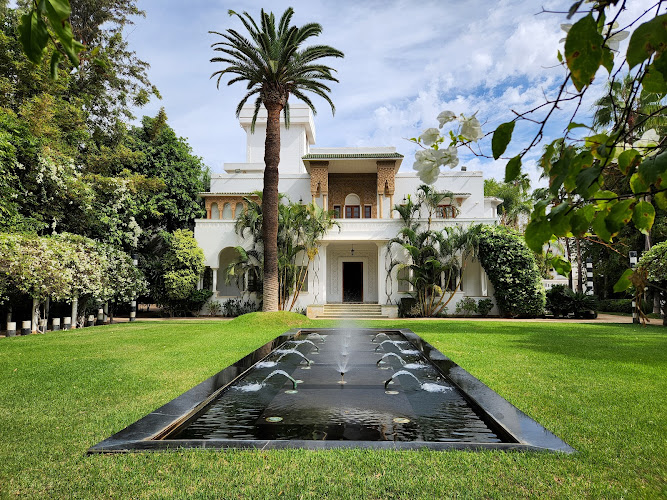
Villa des Arts
About Villa des Arts
Description
When you think about experiencing art in Morocco, your mind probably jumps straight to the medinas and their bustling souks. But here's something that might surprise you - Villa des Arts offers a completely different perspective on Moroccan creativity, one that's rooted in contemporary expression and modern artistic movements. I'll be honest, the first time I heard about this place, I thought it might be just another stuffy art museum where you shuffle through quietly while trying to look cultured. Turns out, I couldn't have been more wrong. This cultural institution has carved out a really unique space in Morocco's art scene. The building itself tells a story - it's an elegant villa that's been transformed into a dynamic space where traditional architecture meets modern exhibition design. And what makes it genuinely special is how it manages to be both sophisticated and welcoming at the same time. You don't need to be an art expert to appreciate what's happening here, which is refreshing honestly. The venue regularly rotates its exhibitions, meaning that what you see during your visit will be different from what the next traveler experiences a few months later. This approach keeps the space feeling alive and current. From paintings and sculptures to installations and multimedia works, the range of artistic expression on display reflects both Moroccan talent and international artists. The garden area provides a peaceful counterpoint to the indoor galleries - it's one of those spots where you can sit for a while and just process what you've seen, which I think every good museum should offer. What really stands out is the institution's commitment to making art accessible rather than intimidating. The atmosphere encourages you to engage with the works at your own pace, forming your own opinions rather than feeling like there's a "right" way to experience everything. Plus, with live performances happening regularly, there's an energy here that static exhibitions alone can't provide.Key Features
The Villa des Arts brings together several elements that make it worth including in your Morocco itinerary: • Rotating contemporary art exhibitions featuring both local Moroccan artists and international creators, ensuring fresh content throughout the year • Regular live performances that transform the space into a dynamic cultural venue beyond just visual arts • Architectural charm that blends the building's original villa character with modern exhibition spaces • Peaceful garden areas where visitors can relax, reflect on the art they've experienced, and escape the typical urban rush • Full wheelchair accessibility throughout the facility, including entrance, parking, restrooms, and seating areas - something that unfortunately isn't always standard in cultural venues • Family-friendly environment that welcomes children and makes art appreciation accessible to younger visitors • Restroom facilities available on-site for visitor convenience • Exhibition spaces designed to showcase various mediums including traditional paintings, sculptures, installations, and multimedia works • Educational programming and cultural events that extend beyond passive viewing experiences • Intimate gallery settings that allow for meaningful engagement with artworks without overwhelming crowdsBest Time to Visit
Timing your visit to Villa des Arts depends partly on what you're hoping to experience. The cooler months between October and April generally provide the most comfortable conditions for exploring indoor galleries and outdoor garden spaces alike. Morocco's summer heat can be intense, and while the villa is indoors, you'll probably be walking around the city before and after your visit, so weather considerations do matter. I'd suggest checking their exhibition schedule before you go - seriously, this makes a huge difference. If there's a particular artist or theme that resonates with you, planning around those shows will obviously enhance your experience significantly. The venue announces upcoming exhibitions in advance, so a little research before booking your Morocco trip can pay off. Weekday mornings tend to be quieter than weekend afternoons, if you're someone who prefers experiencing art without too many other people around. That said, the venue rarely feels overcrowded even during busier periods, which is honestly one of its strengths. But there's something special about having gallery space mostly to yourself, especially when you want to spend time really looking at a piece that speaks to you. If live performances interest you - and they should, because they add another dimension entirely - try to coordinate your visit with their event calendar. These performances can range from musical acts to theatrical presentations, and they utilize the space in ways that transform how you perceive the venue itself. The energy during these events is completely different from regular exhibition hours. School holidays might bring more families with children, which adds a different atmosphere. Some travelers prefer this liveliness, while others might want the quieter contemplative experience. Neither is better or worse - it's really about knowing yourself and what kind of museum visit you enjoy most.How to Get There
Getting to Villa des Arts is relatively straightforward once you've oriented yourself within the city. Taxis remain one of the most practical options for travelers, especially if you're staying somewhere in the city center. The drivers generally know the location, though having the name written down in both French and Arabic can help avoid any confusion. Always agree on a price before starting your journey or insist the meter is used - this isn't being difficult, it's just standard practice. If you're using ride-sharing apps, they work well in major Moroccan cities and take the negotiation aspect out of the equation entirely. The GPS coordinates are accurate, so you won't have the communication barriers that sometimes crop up with traditional taxis. Public transportation is an option for budget-conscious travelers or those who enjoy experiencing local transit systems. Buses serve the area, though routes and schedules might not be immediately intuitive for first-time visitors. Ask at your accommodation for specific bus numbers and stops - local staff can usually provide current information that's more reliable than outdated guidebooks. Walking might be feasible depending on where you're staying. Morocco's cities are quite walkable in many areas, and you'll see things you'd miss from a vehicle. Just factor in the heat if you're visiting during summer months, and give yourself more time than you think you'll need. Getting slightly lost while exploring isn't the worst thing that can happen - some of my best travel memories come from wrong turns that led somewhere unexpected. Parking is available if you've rented a car, including accessible parking spaces. However, driving in Moroccan cities can be challenging for visitors unfamiliar with local traffic patterns and driving customs. If you do drive, arrive with patience and perhaps scout the area beforehand using map apps to familiarize yourself with the approach.Tips for Visiting
Here's what I wish someone had told me before my first visit to an art venue in Morocco - these practical insights should make your experience smoother and more enjoyable. Allocate more time than you initially think necessary. Even if you're not typically someone who spends hours in museums, the combination of indoor galleries, garden spaces, and possibly a live performance means you might want that flexibility. Rushing through defeats the purpose entirely. I'd recommend setting aside at least two hours, though you could easily spend longer if something captures your attention. Dress codes at cultural venues in Morocco tend toward the modest side, though this isn't an ultra-conservative religious site. Comfortable clothing that covers shoulders and knees respects local customs while keeping you comfortable. And honestly, you'll be doing more standing and walking than you might anticipate, so save those stylish but painful shoes for dinner later. Photography policies vary depending on current exhibitions - some allow it, others don't. Always check before snapping photos. Flash photography is typically prohibited as it damages artworks over time. If you're someone who likes documenting everything for social media, knowing the rules upfront prevents awkward situations with staff. The garden area deserves dedicated time, not just a quick pass-through on your way out. It's designed as part of the overall experience, not an afterthought. Bring water, find a shaded spot, and spend fifteen minutes just sitting. You'd be surprised how this enhances your ability to absorb and remember what you've seen inside. Come with an open mind about contemporary art. Not everything will resonate with you, and that's completely fine - art is subjective, despite what pretentious gallery-goers might suggest. But giving each piece a genuine moment of consideration often reveals something interesting, even in works that don't immediately appeal to your aesthetic preferences. If you're traveling with children, the family-friendly designation is genuine, but you know your kids best. Younger children might struggle with the "look but don't touch" nature of galleries. The good news is the accessible design means you can navigate with strollers if needed, and the restroom facilities mean you're not dealing with emergency situations without solutions. Consider combining your visit with other nearby cultural or dining experiences to create a fuller day. Art venues can be mentally tiring in the best way, and having a plan for afterward - whether that's a cafe stop or exploring a different neighborhood - helps cap off the experience nicely. Engage with staff if you have questions about artworks or exhibitions. Many are knowledgeable and genuinely enthusiastic about sharing insights. The personal perspective you gain from a five-minute conversation can completely change how you understand what you're seeing. Finally, don't feel obligated to see absolutely everything if something isn't working for you. Quality beats quantity when it comes to art appreciation. Better to deeply engage with a few pieces that genuinely interest you than to superficially rush past everything just to say you saw it all.Key Features
- Rotating exhibitions of Moroccan and international contemporary art
- Restored early-20th-century villa architecture and shaded garden
- Curated program including workshops, talks and occasional performances
- Intimate galleries suited to painting, sculpture and installations
- Managed by Fondation ONA with links to Morocco’s contemporary arts network
More Details
Updated January 17, 2026
Table of Contents
Description
When you think about experiencing art in Morocco, your mind probably jumps straight to the medinas and their bustling souks. But here’s something that might surprise you – Villa des Arts offers a completely different perspective on Moroccan creativity, one that’s rooted in contemporary expression and modern artistic movements. I’ll be honest, the first time I heard about this place, I thought it might be just another stuffy art museum where you shuffle through quietly while trying to look cultured. Turns out, I couldn’t have been more wrong.
This cultural institution has carved out a really unique space in Morocco’s art scene. The building itself tells a story – it’s an elegant villa that’s been transformed into a dynamic space where traditional architecture meets modern exhibition design. And what makes it genuinely special is how it manages to be both sophisticated and welcoming at the same time. You don’t need to be an art expert to appreciate what’s happening here, which is refreshing honestly.
The venue regularly rotates its exhibitions, meaning that what you see during your visit will be different from what the next traveler experiences a few months later. This approach keeps the space feeling alive and current. From paintings and sculptures to installations and multimedia works, the range of artistic expression on display reflects both Moroccan talent and international artists. The garden area provides a peaceful counterpoint to the indoor galleries – it’s one of those spots where you can sit for a while and just process what you’ve seen, which I think every good museum should offer.
What really stands out is the institution’s commitment to making art accessible rather than intimidating. The atmosphere encourages you to engage with the works at your own pace, forming your own opinions rather than feeling like there’s a “right” way to experience everything. Plus, with live performances happening regularly, there’s an energy here that static exhibitions alone can’t provide.
Key Features
The Villa des Arts brings together several elements that make it worth including in your Morocco itinerary:
• Rotating contemporary art exhibitions featuring both local Moroccan artists and international creators, ensuring fresh content throughout the year
• Regular live performances that transform the space into a dynamic cultural venue beyond just visual arts
• Architectural charm that blends the building’s original villa character with modern exhibition spaces
• Peaceful garden areas where visitors can relax, reflect on the art they’ve experienced, and escape the typical urban rush
• Full wheelchair accessibility throughout the facility, including entrance, parking, restrooms, and seating areas – something that unfortunately isn’t always standard in cultural venues
• Family-friendly environment that welcomes children and makes art appreciation accessible to younger visitors
• Restroom facilities available on-site for visitor convenience
• Exhibition spaces designed to showcase various mediums including traditional paintings, sculptures, installations, and multimedia works
• Educational programming and cultural events that extend beyond passive viewing experiences
• Intimate gallery settings that allow for meaningful engagement with artworks without overwhelming crowds
Best Time to Visit
Timing your visit to Villa des Arts depends partly on what you’re hoping to experience. The cooler months between October and April generally provide the most comfortable conditions for exploring indoor galleries and outdoor garden spaces alike. Morocco’s summer heat can be intense, and while the villa is indoors, you’ll probably be walking around the city before and after your visit, so weather considerations do matter.
I’d suggest checking their exhibition schedule before you go – seriously, this makes a huge difference. If there’s a particular artist or theme that resonates with you, planning around those shows will obviously enhance your experience significantly. The venue announces upcoming exhibitions in advance, so a little research before booking your Morocco trip can pay off.
Weekday mornings tend to be quieter than weekend afternoons, if you’re someone who prefers experiencing art without too many other people around. That said, the venue rarely feels overcrowded even during busier periods, which is honestly one of its strengths. But there’s something special about having gallery space mostly to yourself, especially when you want to spend time really looking at a piece that speaks to you.
If live performances interest you – and they should, because they add another dimension entirely – try to coordinate your visit with their event calendar. These performances can range from musical acts to theatrical presentations, and they utilize the space in ways that transform how you perceive the venue itself. The energy during these events is completely different from regular exhibition hours.
School holidays might bring more families with children, which adds a different atmosphere. Some travelers prefer this liveliness, while others might want the quieter contemplative experience. Neither is better or worse – it’s really about knowing yourself and what kind of museum visit you enjoy most.
How to Get There
Getting to Villa des Arts is relatively straightforward once you’ve oriented yourself within the city. Taxis remain one of the most practical options for travelers, especially if you’re staying somewhere in the city center. The drivers generally know the location, though having the name written down in both French and Arabic can help avoid any confusion. Always agree on a price before starting your journey or insist the meter is used – this isn’t being difficult, it’s just standard practice.
If you’re using ride-sharing apps, they work well in major Moroccan cities and take the negotiation aspect out of the equation entirely. The GPS coordinates are accurate, so you won’t have the communication barriers that sometimes crop up with traditional taxis.
Public transportation is an option for budget-conscious travelers or those who enjoy experiencing local transit systems. Buses serve the area, though routes and schedules might not be immediately intuitive for first-time visitors. Ask at your accommodation for specific bus numbers and stops – local staff can usually provide current information that’s more reliable than outdated guidebooks.
Walking might be feasible depending on where you’re staying. Morocco’s cities are quite walkable in many areas, and you’ll see things you’d miss from a vehicle. Just factor in the heat if you’re visiting during summer months, and give yourself more time than you think you’ll need. Getting slightly lost while exploring isn’t the worst thing that can happen – some of my best travel memories come from wrong turns that led somewhere unexpected.
Parking is available if you’ve rented a car, including accessible parking spaces. However, driving in Moroccan cities can be challenging for visitors unfamiliar with local traffic patterns and driving customs. If you do drive, arrive with patience and perhaps scout the area beforehand using map apps to familiarize yourself with the approach.
Tips for Visiting
Here’s what I wish someone had told me before my first visit to an art venue in Morocco – these practical insights should make your experience smoother and more enjoyable.
Allocate more time than you initially think necessary. Even if you’re not typically someone who spends hours in museums, the combination of indoor galleries, garden spaces, and possibly a live performance means you might want that flexibility. Rushing through defeats the purpose entirely. I’d recommend setting aside at least two hours, though you could easily spend longer if something captures your attention.
Dress codes at cultural venues in Morocco tend toward the modest side, though this isn’t an ultra-conservative religious site. Comfortable clothing that covers shoulders and knees respects local customs while keeping you comfortable. And honestly, you’ll be doing more standing and walking than you might anticipate, so save those stylish but painful shoes for dinner later.
Photography policies vary depending on current exhibitions – some allow it, others don’t. Always check before snapping photos. Flash photography is typically prohibited as it damages artworks over time. If you’re someone who likes documenting everything for social media, knowing the rules upfront prevents awkward situations with staff.
The garden area deserves dedicated time, not just a quick pass-through on your way out. It’s designed as part of the overall experience, not an afterthought. Bring water, find a shaded spot, and spend fifteen minutes just sitting. You’d be surprised how this enhances your ability to absorb and remember what you’ve seen inside.
Come with an open mind about contemporary art. Not everything will resonate with you, and that’s completely fine – art is subjective, despite what pretentious gallery-goers might suggest. But giving each piece a genuine moment of consideration often reveals something interesting, even in works that don’t immediately appeal to your aesthetic preferences.
If you’re traveling with children, the family-friendly designation is genuine, but you know your kids best. Younger children might struggle with the “look but don’t touch” nature of galleries. The good news is the accessible design means you can navigate with strollers if needed, and the restroom facilities mean you’re not dealing with emergency situations without solutions.
Consider combining your visit with other nearby cultural or dining experiences to create a fuller day. Art venues can be mentally tiring in the best way, and having a plan for afterward – whether that’s a cafe stop or exploring a different neighborhood – helps cap off the experience nicely.
Engage with staff if you have questions about artworks or exhibitions. Many are knowledgeable and genuinely enthusiastic about sharing insights. The personal perspective you gain from a five-minute conversation can completely change how you understand what you’re seeing.
Finally, don’t feel obligated to see absolutely everything if something isn’t working for you. Quality beats quantity when it comes to art appreciation. Better to deeply engage with a few pieces that genuinely interest you than to superficially rush past everything just to say you saw it all.
Key Highlights
- Rotating exhibitions of Moroccan and international contemporary art
- Restored early-20th-century villa architecture and shaded garden
- Curated program including workshops, talks and occasional performances
- Intimate galleries suited to painting, sculpture and installations
- Managed by Fondation ONA with links to Morocco’s contemporary arts network
Location
Places to Stay Near Villa des Arts
Find and Book a Tour
Explore More Travel Guides
No reviews found! Be the first to review!
Traveler Reviews for Villa des Arts
There are no reviews yet. Be the first one to write one.
Have you visited Villa des Arts? Help other travelers by sharing your review.
Nearby Attractions
You Might Also Like
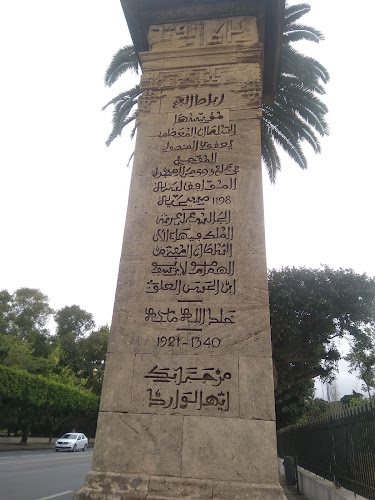
Av. Annasr
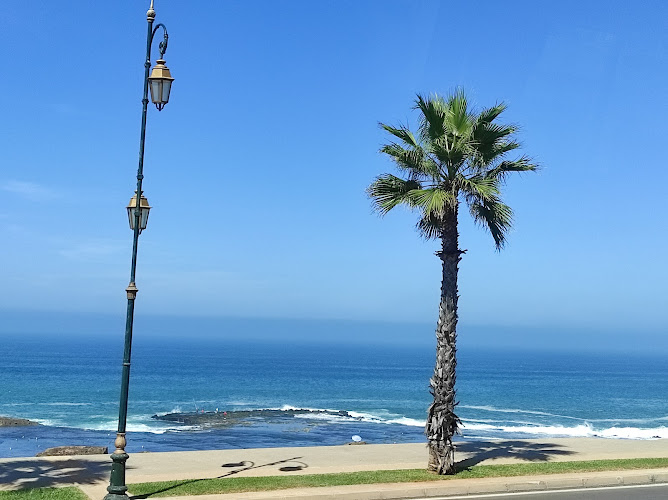
Corniche de Rabat
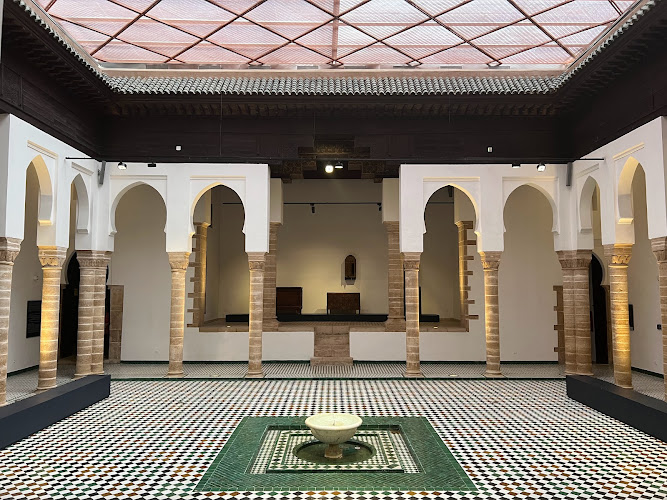
Oudayas, National Museum of Adornement
Find Accommodations Nearby
Recommended Tours & Activities
Visitor Reviews
There are no reviews yet. Be the first one to write one.
Share Your Experience
Have you visited Villa des Arts? Help other travelers by leaving a review.