
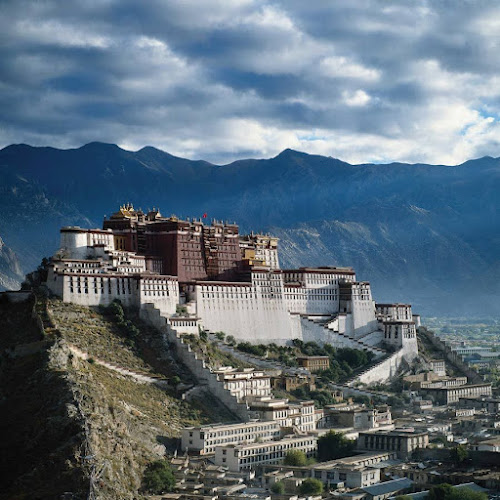
Potala Palace
About Potala Palace
Description
The Potala Palace is one of those places that makes you stop mid-step, tilt your head back, and just stare in awe. Rising above Lhasa on Red Hill, this massive structure is more than just a palace—it’s a living symbol of Tibetan history, spirituality, and resilience. Built in the 17th century under the Fifth Dalai Lama, it became the winter residence of successive Dalai Lamas and the political and spiritual heart of Tibet. Even today, walking through its labyrinth of halls, shrines, and chapels feels like stepping into a time capsule where centuries of devotion and artistry are preserved in every corner.
The palace is enormous, with more than a thousand rooms, countless murals, and golden roofs that gleam in the high-altitude sun. Some travelers describe it as overwhelming, and honestly, that’s not an exaggeration. You’ll find yourself climbing steep stone staircases, heart racing not just from the altitude but from the sheer weight of history pressing in. For many visitors, the most moving part isn’t the grand halls or the intricate carvings—it’s the quiet, dimly lit chapels where monks still chant prayers, and the scent of yak butter lamps lingers in the air. That mix of grandeur and intimacy is what makes the Potala so unforgettable.
Of course, not every traveler falls head over heels. Some find the crowds intense, the climb exhausting, or the interior darker and more austere than expected. But even those less enchanted tend to admit that the Potala Palace is something you really have to see at least once in your life. It’s not just about beauty—it’s about experiencing a place that has stood at the crossroads of faith, politics, and culture for centuries.
Key Features
- The White Palace (Potrang Karpo), which served as the administrative and living quarters of the Dalai Lamas.
- The Red Palace (Potrang Marpo), dedicated entirely to religious study, with chapels, shrines, and stupas of past Dalai Lamas.
- Over 200,000 statues, murals, and sacred artifacts preserved within its walls.
- Golden rooftops that shimmer against the blue Tibetan sky, offering breathtaking photo opportunities.
- Steep stairways and terraces that provide sweeping views across Lhasa and the surrounding mountains.
- Atmospheric chapels where pilgrims still prostrate and offer butter lamps, maintaining centuries-old traditions.
Best Time to Visit
Timing matters a lot when it comes to enjoying the Potala Palace. The best months are generally from April to October, when the weather is relatively mild and the skies are often clear enough to catch those postcard-perfect views. Personally, I found September especially magical—the crisp air, fewer showers, and golden light made the palace look almost unreal. Winters can be brutally cold, and the altitude feels harsher, but if you’re someone who doesn’t mind bundling up, the quieter atmosphere might be worth it.
Avoid visiting during major Chinese holidays like Golden Week in October or the May Day holiday, unless you enjoy elbow-to-elbow crowds. The palace limits daily visitor numbers too, so if you’re traveling in peak season, it’s smart to book your ticket well in advance. Nothing stings more than arriving in Lhasa, only to realize you can’t get in because it’s sold out.
How to Get There
Reaching the Potala Palace is an adventure in itself. Most travelers arrive in Lhasa either by plane or by the famous Qinghai-Tibet Railway, which is a bucket-list journey for many. Once in the city, the palace is hard to miss—it dominates the skyline. You can easily take a taxi from most parts of Lhasa, or if you’re staying nearby, a short walk will do. Just be prepared for the altitude; even a simple uphill stroll can leave you breathless if you’re not acclimatized.
There’s no wheelchair-accessible entrance, and the climb involves a lot of steps and uneven paths, so visitors with mobility challenges may find it difficult. On the bright side, there is free street parking available if you’re coming by car, though most tourists rely on local transport or guided tours. My two cents: arrive early in the morning. Not only do you beat the biggest crowds, but the light on the palace in the early hours is just spectacular.
Tips for Visiting
Visiting the Potala Palace can be the highlight of your Tibet trip, but a little preparation goes a long way. Here are some tips I wish I’d known before my first visit:
- Book tickets in advance: Daily visitor numbers are capped, and tickets can sell out quickly, especially in summer. Secure your spot early to avoid disappointment.
- Acclimatize first: Lhasa sits at over 3,600 meters, and the palace climb adds to the challenge. Spend at least a day or two in the city before tackling the stairs.
- Take it slow: Don’t rush through. The palace is huge, and every corner has something fascinating. Plus, pacing yourself helps with the altitude.
- Respect local customs: Photography is restricted in many areas, and it’s important to act respectfully in chapels where pilgrims are worshipping.
- Bring water and snacks: There aren’t shops inside, and the climb can leave you parched. Just remember to carry out your trash.
- Good for kids: If you’re traveling with children, they’ll likely be amazed by the scale and color, but be prepared for tired legs halfway up.
- Dress in layers: Weather in Lhasa can shift quickly from sunny to chilly. Comfortable shoes are a must.
One last thought: don’t just rush in and out. Spend some time sitting on the square in front of the palace, watching locals circle the base in prayer or spinning their prayer wheels. That’s when the Potala Palace stops being just a tourist attraction and starts feeling like the beating heart of Tibetan culture. And honestly, that’s the memory that sticks with you long after you’ve left Tibet behind.
Key Features
- The White Palace (Potrang Karpo), which served as the administrative and living quarters of the Dalai Lamas.
- The Red Palace (Potrang Marpo), dedicated entirely to religious study, with chapels, shrines, and stupas of past Dalai Lamas.
- Over 200,000 statues, murals, and sacred artifacts preserved within its walls.
- Golden rooftops that shimmer against the blue Tibetan sky, offering breathtaking photo opportunities.
- Steep stairways and terraces that provide sweeping views across Lhasa and the surrounding mountains.
- Atmospheric chapels where pilgrims still prostrate and offer butter lamps, maintaining centuries-old traditions.
More Details
Updated September 30, 2025
Table of Contents
Description
The Potala Palace is one of those places that makes you stop mid-step, tilt your head back, and just stare in awe. Rising above Lhasa on Red Hill, this massive structure is more than just a palace—it’s a living symbol of Tibetan history, spirituality, and resilience. Built in the 17th century under the Fifth Dalai Lama, it became the winter residence of successive Dalai Lamas and the political and spiritual heart of Tibet. Even today, walking through its labyrinth of halls, shrines, and chapels feels like stepping into a time capsule where centuries of devotion and artistry are preserved in every corner.
The palace is enormous, with more than a thousand rooms, countless murals, and golden roofs that gleam in the high-altitude sun. Some travelers describe it as overwhelming, and honestly, that’s not an exaggeration. You’ll find yourself climbing steep stone staircases, heart racing not just from the altitude but from the sheer weight of history pressing in. For many visitors, the most moving part isn’t the grand halls or the intricate carvings—it’s the quiet, dimly lit chapels where monks still chant prayers, and the scent of yak butter lamps lingers in the air. That mix of grandeur and intimacy is what makes the Potala so unforgettable.
Of course, not every traveler falls head over heels. Some find the crowds intense, the climb exhausting, or the interior darker and more austere than expected. But even those less enchanted tend to admit that the Potala Palace is something you really have to see at least once in your life. It’s not just about beauty—it’s about experiencing a place that has stood at the crossroads of faith, politics, and culture for centuries.
Key Features
- The White Palace (Potrang Karpo), which served as the administrative and living quarters of the Dalai Lamas.
- The Red Palace (Potrang Marpo), dedicated entirely to religious study, with chapels, shrines, and stupas of past Dalai Lamas.
- Over 200,000 statues, murals, and sacred artifacts preserved within its walls.
- Golden rooftops that shimmer against the blue Tibetan sky, offering breathtaking photo opportunities.
- Steep stairways and terraces that provide sweeping views across Lhasa and the surrounding mountains.
- Atmospheric chapels where pilgrims still prostrate and offer butter lamps, maintaining centuries-old traditions.
Best Time to Visit
Timing matters a lot when it comes to enjoying the Potala Palace. The best months are generally from April to October, when the weather is relatively mild and the skies are often clear enough to catch those postcard-perfect views. Personally, I found September especially magical—the crisp air, fewer showers, and golden light made the palace look almost unreal. Winters can be brutally cold, and the altitude feels harsher, but if you’re someone who doesn’t mind bundling up, the quieter atmosphere might be worth it.
Avoid visiting during major Chinese holidays like Golden Week in October or the May Day holiday, unless you enjoy elbow-to-elbow crowds. The palace limits daily visitor numbers too, so if you’re traveling in peak season, it’s smart to book your ticket well in advance. Nothing stings more than arriving in Lhasa, only to realize you can’t get in because it’s sold out.
How to Get There
Reaching the Potala Palace is an adventure in itself. Most travelers arrive in Lhasa either by plane or by the famous Qinghai-Tibet Railway, which is a bucket-list journey for many. Once in the city, the palace is hard to miss—it dominates the skyline. You can easily take a taxi from most parts of Lhasa, or if you’re staying nearby, a short walk will do. Just be prepared for the altitude; even a simple uphill stroll can leave you breathless if you’re not acclimatized.
There’s no wheelchair-accessible entrance, and the climb involves a lot of steps and uneven paths, so visitors with mobility challenges may find it difficult. On the bright side, there is free street parking available if you’re coming by car, though most tourists rely on local transport or guided tours. My two cents: arrive early in the morning. Not only do you beat the biggest crowds, but the light on the palace in the early hours is just spectacular.
Tips for Visiting
Visiting the Potala Palace can be the highlight of your Tibet trip, but a little preparation goes a long way. Here are some tips I wish I’d known before my first visit:
- Book tickets in advance: Daily visitor numbers are capped, and tickets can sell out quickly, especially in summer. Secure your spot early to avoid disappointment.
- Acclimatize first: Lhasa sits at over 3,600 meters, and the palace climb adds to the challenge. Spend at least a day or two in the city before tackling the stairs.
- Take it slow: Don’t rush through. The palace is huge, and every corner has something fascinating. Plus, pacing yourself helps with the altitude.
- Respect local customs: Photography is restricted in many areas, and it’s important to act respectfully in chapels where pilgrims are worshipping.
- Bring water and snacks: There aren’t shops inside, and the climb can leave you parched. Just remember to carry out your trash.
- Good for kids: If you’re traveling with children, they’ll likely be amazed by the scale and color, but be prepared for tired legs halfway up.
- Dress in layers: Weather in Lhasa can shift quickly from sunny to chilly. Comfortable shoes are a must.
One last thought: don’t just rush in and out. Spend some time sitting on the square in front of the palace, watching locals circle the base in prayer or spinning their prayer wheels. That’s when the Potala Palace stops being just a tourist attraction and starts feeling like the beating heart of Tibetan culture. And honestly, that’s the memory that sticks with you long after you’ve left Tibet behind.
Key Highlights
- The White Palace (Potrang Karpo), which served as the administrative and living quarters of the Dalai Lamas.
- The Red Palace (Potrang Marpo), dedicated entirely to religious study, with chapels, shrines, and stupas of past Dalai Lamas.
- Over 200,000 statues, murals, and sacred artifacts preserved within its walls.
- Golden rooftops that shimmer against the blue Tibetan sky, offering breathtaking photo opportunities.
- Steep stairways and terraces that provide sweeping views across Lhasa and the surrounding mountains.
- Atmospheric chapels where pilgrims still prostrate and offer butter lamps, maintaining centuries-old traditions.
Location
Places to Stay Near Potala Palace
Find and Book a Tour
Explore More Travel Guides
No reviews found! Be the first to review!
Traveler Reviews for Potala Palace
There are no reviews yet. Be the first one to write one.
Have you visited Potala Palace? Help other travelers by sharing your review.
You Might Also Like
Lhasa Education Park
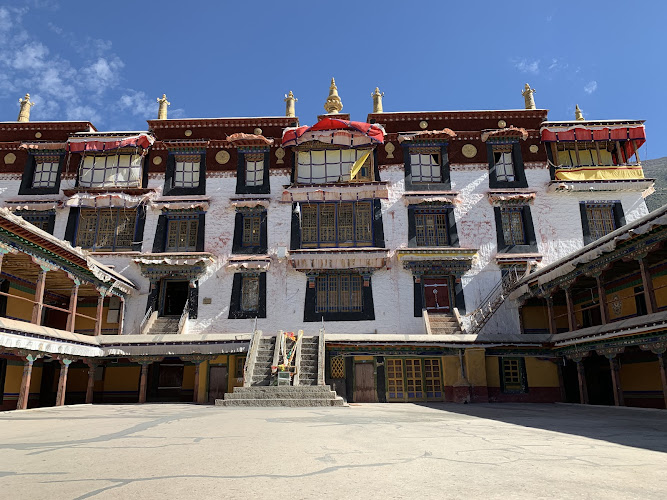
Drepung Monastery
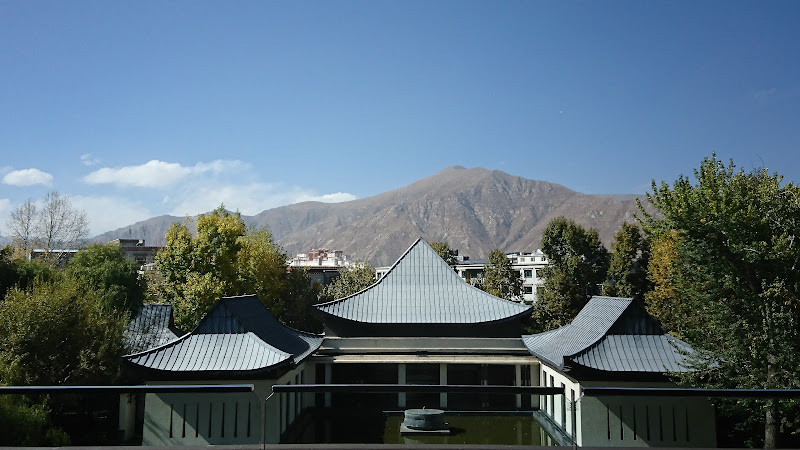
Lhasa Center
Find Accommodations Nearby
Recommended Tours & Activities
Visitor Reviews
There are no reviews yet. Be the first one to write one.
Share Your Experience
Have you visited Potala Palace? Help other travelers by leaving a review.