

Museum Tucherschloss und Hirsvogelsaal
About Museum Tucherschloss und Hirsvogelsaal
Description
The Museum Tucherschloss und Hirsvogelsaal in Nuremberg is one of those places that quietly sneaks up on you. At first glance, it’s a Renaissance mansion with a garden, but once you step inside, it feels like you’ve walked straight into the 16th century. Built between 1533 and 1544 by the wealthy Tucher family, the mansion was designed as both a home and a statement of power. Today, it’s a museum that lets travelers peek into the daily lives, ambitions, and tastes of one of Nuremberg’s most influential merchant dynasties.
What makes this museum fascinating isn’t just the elegant rooms filled with original furniture, tapestries, and paintings, but the way it captures a very human story. You see the wealth, yes, but also the practical side of running a household in Renaissance Europe. And then there’s the Hirsvogelsaal, a banquet hall originally built in 1534, destroyed during World War II, and painstakingly reconstructed in 2001. Standing in that hall feels a bit like time travel—it’s both a reminder of what was lost and a celebration of what was saved.
Visitors often come away impressed by how well preserved the interiors are. The carved wooden ceilings, the ornate fireplaces, and the carefully curated objects all make the past feel tangible. Of course, not everyone finds it jaw-dropping—some people expect a larger museum or more interactive exhibits. But if you’re someone who enjoys art, history, and the quiet charm of wandering through old spaces, this place delivers a rewarding experience.
Key Features
- 16th-century Renaissance mansion originally owned by the Tucher family
- Period furnishings, paintings, and tapestries from the patrician lifestyle
- Hirsvogelsaal banquet hall, destroyed in WWII and reconstructed in 2001
- Beautifully landscaped Renaissance garden, ideal for a peaceful stroll
- Wheelchair accessible restrooms and assistive hearing loop available
- Good for families and children who enjoy history brought to life
- Paid parking lot nearby for visitors arriving by car
Best Time to Visit
If you’re planning a trip, late spring through early autumn is probably the sweet spot. The Renaissance garden really comes alive then, with neatly trimmed hedges and flowers that make the courtyard feel like a living painting. I once visited in early June, and while the mansion itself was the highlight, sitting outside afterward with a coffee from a nearby café made the whole experience linger in my memory. Winter visits have their charm too—the interiors feel extra cozy when it’s cold outside—but you do miss out on the garden atmosphere.
Weekdays tend to be quieter, which makes it easier to wander at your own pace without feeling rushed. If you’re the type who likes to take photos without a crowd in the background, aim for mornings right after opening. On weekends, especially during the warmer months, it can get busier with both locals and tourists.
How to Get There
The museum is located just outside Nuremberg’s historic Old Town, so it’s easy to include in a walking itinerary if you’re already exploring the city. Public transportation is straightforward—you can hop on a tram or bus and be within a short walk of the entrance. For those driving, there’s a paid parking lot nearby, though spaces can fill up quickly during peak hours. Personally, I’d recommend walking if you’re staying in the city center; it’s a pleasant stroll, and you get to soak up more of Nuremberg’s atmosphere along the way.
Tips for Visiting
First tip: give yourself enough time. While the museum isn’t massive, rushing through it means missing the details that make it special—the carved ceilings, the subtle symbolism in the paintings, or the way the light falls into the Hirsvogelsaal. An hour and a half is usually a good amount of time for a relaxed visit.
Second, don’t skip the garden. Even if you’re not a “garden person,” it’s worth stepping outside to see how the architecture and landscaping complement each other. It’s also a nice spot to pause if you’re traveling with kids—they can stretch their legs while you enjoy the calm.
Accessibility is thoughtfully considered here, so if you or someone in your group needs wheelchair access or assistive hearing support, you’ll find the facilities accommodating. Just keep in mind there’s no on-site restaurant, so plan ahead if you’re likely to get hungry. There are plenty of cafés and bakeries within walking distance, though, and honestly, grabbing a pastry after your visit feels like part of the experience.
Lastly, go in with realistic expectations. This isn’t a flashy, interactive museum with modern gimmicks. It’s more of a quiet, atmospheric place that rewards curiosity. If you’re the kind of traveler who loves imagining what life was like centuries ago, you’ll come away with a deeper appreciation of Nuremberg’s history. And if you’re traveling with friends or family, it’s the kind of spot that sparks conversations long after you’ve left.
Key Features
- 16th-century Renaissance mansion originally owned by the Tucher family
- Period furnishings, paintings, and tapestries from the patrician lifestyle
- Hirsvogelsaal banquet hall, destroyed in WWII and reconstructed in 2001
- Beautifully landscaped Renaissance garden, ideal for a peaceful stroll
- Wheelchair accessible restrooms and assistive hearing loop available
- Good for families and children who enjoy history brought to life
- Paid parking lot nearby for visitors arriving by car
More Details
Updated September 9, 2025
Table of Contents
- Description
- Key Features
- Best Time to Visit
- How to Get There
- Tips for Visiting
- Key Highlights
- Location
- Places to Stay Near Museum Tucherschloss und Hirsvogelsaal
- Find and Book a Tour
- Explore More Travel Guides
- Nearby Places You Might Like
- Traveler Reviews for Museum Tucherschloss und Hirsvogelsaal
- Share Your Experience
Description
The Museum Tucherschloss und Hirsvogelsaal in Nuremberg is one of those places that quietly sneaks up on you. At first glance, it’s a Renaissance mansion with a garden, but once you step inside, it feels like you’ve walked straight into the 16th century. Built between 1533 and 1544 by the wealthy Tucher family, the mansion was designed as both a home and a statement of power. Today, it’s a museum that lets travelers peek into the daily lives, ambitions, and tastes of one of Nuremberg’s most influential merchant dynasties.
What makes this museum fascinating isn’t just the elegant rooms filled with original furniture, tapestries, and paintings, but the way it captures a very human story. You see the wealth, yes, but also the practical side of running a household in Renaissance Europe. And then there’s the Hirsvogelsaal, a banquet hall originally built in 1534, destroyed during World War II, and painstakingly reconstructed in 2001. Standing in that hall feels a bit like time travel—it’s both a reminder of what was lost and a celebration of what was saved.
Visitors often come away impressed by how well preserved the interiors are. The carved wooden ceilings, the ornate fireplaces, and the carefully curated objects all make the past feel tangible. Of course, not everyone finds it jaw-dropping—some people expect a larger museum or more interactive exhibits. But if you’re someone who enjoys art, history, and the quiet charm of wandering through old spaces, this place delivers a rewarding experience.
Key Features
- 16th-century Renaissance mansion originally owned by the Tucher family
- Period furnishings, paintings, and tapestries from the patrician lifestyle
- Hirsvogelsaal banquet hall, destroyed in WWII and reconstructed in 2001
- Beautifully landscaped Renaissance garden, ideal for a peaceful stroll
- Wheelchair accessible restrooms and assistive hearing loop available
- Good for families and children who enjoy history brought to life
- Paid parking lot nearby for visitors arriving by car
Best Time to Visit
If you’re planning a trip, late spring through early autumn is probably the sweet spot. The Renaissance garden really comes alive then, with neatly trimmed hedges and flowers that make the courtyard feel like a living painting. I once visited in early June, and while the mansion itself was the highlight, sitting outside afterward with a coffee from a nearby café made the whole experience linger in my memory. Winter visits have their charm too—the interiors feel extra cozy when it’s cold outside—but you do miss out on the garden atmosphere.
Weekdays tend to be quieter, which makes it easier to wander at your own pace without feeling rushed. If you’re the type who likes to take photos without a crowd in the background, aim for mornings right after opening. On weekends, especially during the warmer months, it can get busier with both locals and tourists.
How to Get There
The museum is located just outside Nuremberg’s historic Old Town, so it’s easy to include in a walking itinerary if you’re already exploring the city. Public transportation is straightforward—you can hop on a tram or bus and be within a short walk of the entrance. For those driving, there’s a paid parking lot nearby, though spaces can fill up quickly during peak hours. Personally, I’d recommend walking if you’re staying in the city center; it’s a pleasant stroll, and you get to soak up more of Nuremberg’s atmosphere along the way.
Tips for Visiting
First tip: give yourself enough time. While the museum isn’t massive, rushing through it means missing the details that make it special—the carved ceilings, the subtle symbolism in the paintings, or the way the light falls into the Hirsvogelsaal. An hour and a half is usually a good amount of time for a relaxed visit.
Second, don’t skip the garden. Even if you’re not a “garden person,” it’s worth stepping outside to see how the architecture and landscaping complement each other. It’s also a nice spot to pause if you’re traveling with kids—they can stretch their legs while you enjoy the calm.
Accessibility is thoughtfully considered here, so if you or someone in your group needs wheelchair access or assistive hearing support, you’ll find the facilities accommodating. Just keep in mind there’s no on-site restaurant, so plan ahead if you’re likely to get hungry. There are plenty of cafés and bakeries within walking distance, though, and honestly, grabbing a pastry after your visit feels like part of the experience.
Lastly, go in with realistic expectations. This isn’t a flashy, interactive museum with modern gimmicks. It’s more of a quiet, atmospheric place that rewards curiosity. If you’re the kind of traveler who loves imagining what life was like centuries ago, you’ll come away with a deeper appreciation of Nuremberg’s history. And if you’re traveling with friends or family, it’s the kind of spot that sparks conversations long after you’ve left.
Key Highlights
- 16th-century Renaissance mansion originally owned by the Tucher family
- Period furnishings, paintings, and tapestries from the patrician lifestyle
- Hirsvogelsaal banquet hall, destroyed in WWII and reconstructed in 2001
- Beautifully landscaped Renaissance garden, ideal for a peaceful stroll
- Wheelchair accessible restrooms and assistive hearing loop available
- Good for families and children who enjoy history brought to life
- Paid parking lot nearby for visitors arriving by car
Location
Places to Stay Near Museum Tucherschloss und Hirsvogelsaal
Find and Book a Tour
Explore More Travel Guides
No reviews found! Be the first to review!
Traveler Reviews for Museum Tucherschloss und Hirsvogelsaal
There are no reviews yet. Be the first one to write one.
Have you visited Museum Tucherschloss und Hirsvogelsaal? Help other travelers by sharing your review.
You Might Also Like
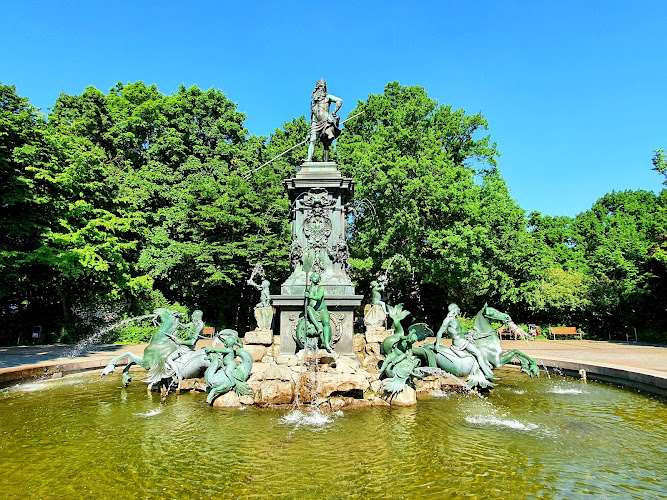
Neptune Fountain
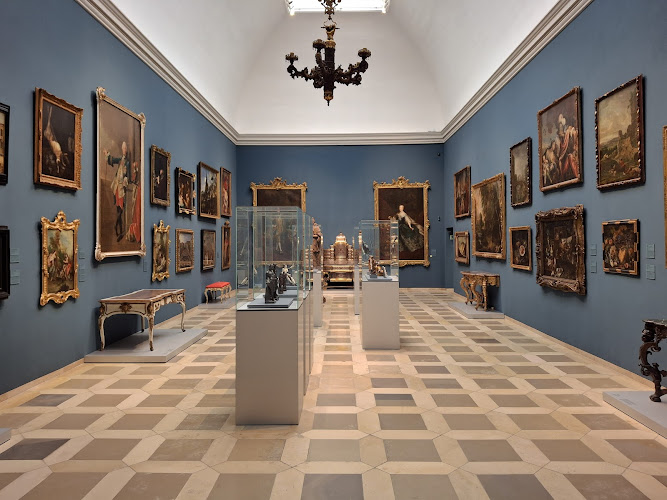
Germanic National Museum

Rosenaupark
Find Accommodations Nearby
Recommended Tours & Activities
Visitor Reviews
There are no reviews yet. Be the first one to write one.
Share Your Experience
Have you visited Museum Tucherschloss und Hirsvogelsaal? Help other travelers by leaving a review.