Twenty-Six Martyrs Museum and Monument
About Twenty-Six Martyrs Museum and Monument
Description
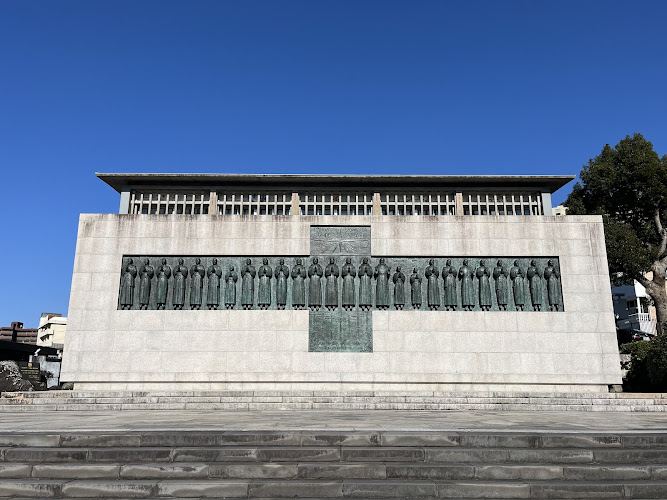
The Twenty-Six Martyrs Museum and Monument is one of those places that quietly gets under your skin. It isn’t flashy, and it doesn’t try to entertain you. Instead, it tells a heavy, very human story about belief, power, and what people are willing to endure for faith. Located in Nagasaki, this local history museum stands on the actual site where twenty-six Christians were executed in 1597. And yes, knowing you’re standing where it really happened changes the way you walk, the way you breathe.
The museum focuses on the early history of Christianity in Japan, a chapter that often gets skipped over in school textbooks. Back in the late 16th century, Christianity was spreading fast, which made the ruling authorities deeply uncomfortable. The result was brutal: twenty-six believers, including foreign missionaries and Japanese converts, were marched here and crucified as a public warning. Standing in front of the monument, it’s hard not to imagine the cold wind off the harbor and the silence of the crowd that must have gathered.
I remember my first visit pretty clearly. I expected a quick stop, maybe thirty minutes. I stayed almost two hours. Not because the museum is huge (it’s not), but because the exhibits slow you down. Handwritten letters, faded images, and carefully translated explanations pull you into the mindset of the time. And honestly, even if you’re not religious, the story lands. This is about conviction, fear, and political control as much as it’s about Christianity.
The museum balances reverence with education. Some visitors feel it leans a bit solemn (fair), while others appreciate that it doesn’t sugarcoat history. It’s wheelchair accessible, calm, and thoughtfully laid out. No background music trying to tug your emotions, no interactive gimmicks. Just facts, stories, and space to think. And sometimes, that’s exactly what a traveler needs between train stations and photo ops.
Key Features
- Historical exhibits detailing the persecution of Christians in Japan during the late 1500s
- The outdoor monument marking the exact execution site of the twenty-six martyrs
- Artifacts, documents, and replicas that explain daily life for early Japanese Christians
- Clear English explanations, helpful if you’re visiting from overseas
- Wheelchair accessible entrance, making it easier for all travelers to visit
- On-site restrooms (small thing, but trust me, it matters when sightseeing)
- Peaceful atmosphere that encourages reflection rather than rushing through
Best Time to Visit
The museum can be visited year-round, but timing your visit well makes a difference. Spring and autumn are ideal, mostly because Nagasaki’s weather behaves itself then. Mild temperatures make it more comfortable to spend time outdoors at the monument, where you’ll probably want to linger longer than you expect.
Mornings tend to be quieter. If you arrive shortly after opening, you might find yourself sharing the space with just a handful of other visitors. That calm really suits the mood of the place. Midday can get busier, especially when tour groups pass through, which slightly changes the atmosphere. Not ruins it, just… shifts it.
If you’re in Nagasaki around early February, you’ll notice a deeper sense of remembrance tied to the anniversary of the martyrdom. While there may not always be big public events, the emotional weight feels stronger, at least to me. And yes, it can be a bit chilly then, but the experience feels more grounded, more real.
How to Get There
Getting to the Twenty-Six Martyrs Museum and Monument is straightforward, even if you’re new to Nagasaki. The city is well-connected by public transportation, and the site sits within easy reach of major train and tram routes. From Nagasaki Station, it’s a short walk, which is nice because you’re not dealing with complicated transfers or confusing signs.
If you’re using trams (and you probably will, because they’re convenient), you’ll find stops nearby with clear signage in English. Walking from the station also gives you a moment to transition mentally from modern city life into a more reflective headspace. I know that sounds a bit poetic, but sometimes a ten-minute walk really does help reset your brain.
Taxis are plentiful too, and drivers generally know the site well. Just mentioning the martyrs monument usually does the trick. If you’re traveling with mobility needs, taxis can be the easiest option, and the museum’s accessible entrance makes arrival smoother.
Tips for Visiting
First tip: give yourself more time than you think you’ll need. Even if history museums aren’t usually your thing, this one has a way of slowing you down. Reading the personal stories makes it hard to rush. I’ve seen people walk in confidently saying, “We’ll be quick,” and come out noticeably quieter.
Second, approach the visit with an open mind. You don’t need to be Christian to appreciate what’s presented here. Think of it as a lesson in human resilience and the dangers of intolerance. The museum does have a religious foundation, sure, but it doesn’t preach. It explains.
Photography is generally allowed in certain areas, but use common sense. The monument especially deserves respect. I’ve watched someone pose for selfies there once, and it felt… off. Take photos, yes, but maybe after you’ve stood still for a minute.
There’s no restaurant on-site, so eat beforehand or plan a meal after. Luckily, the surrounding area has plenty of options, from quick bites to sit-down meals. And you’ll probably want a coffee after, just to process everything.
If you’re traveling with kids, this can still be a meaningful stop, but it helps to prepare them a bit. The story involves execution and persecution, explained in a factual but honest way. Older kids and teens usually handle it well and often ask thoughtful questions afterward.
And finally, don’t treat this as just another checkbox on your Nagasaki itinerary. Let it be a pause. In a city known for its complex history, the Twenty-Six Martyrs Museum and Monument offers a focused, deeply human story that stays with you long after you leave. I’ve visited more than once, and each time I notice something new. That, to me, is the mark of a place worth your time.
Key Features
- Historical exhibits detailing the persecution of Christians in Japan during the late 1500s
- The outdoor monument marking the exact execution site of the twenty-six martyrs
- Artifacts, documents, and replicas that explain daily life for early Japanese Christians
- Clear English explanations, helpful if you’re visiting from overseas
- Wheelchair accessible entrance, making it easier for all travelers to visit
- On-site restrooms (small thing, but trust me, it matters when sightseeing)
- Peaceful atmosphere that encourages reflection rather than rushing through
More Details
Updated January 1, 2026
Table of Contents
- Description
- Key Features
- Best Time to Visit
- How to Get There
- Tips for Visiting
- Key Highlights
- Location
- Places to Stay Near Twenty-Six Martyrs Museum and Monument
- Find and Book a Tour
- Explore More Travel Guides
- Nearby Places You Might Like
- Traveler Reviews for Twenty-Six Martyrs Museum and Monument
- Share Your Experience
Description
The Twenty-Six Martyrs Museum and Monument is one of those places that quietly gets under your skin. It isn’t flashy, and it doesn’t try to entertain you. Instead, it tells a heavy, very human story about belief, power, and what people are willing to endure for faith. Located in Nagasaki, this local history museum stands on the actual site where twenty-six Christians were executed in 1597. And yes, knowing you’re standing where it really happened changes the way you walk, the way you breathe.
The museum focuses on the early history of Christianity in Japan, a chapter that often gets skipped over in school textbooks. Back in the late 16th century, Christianity was spreading fast, which made the ruling authorities deeply uncomfortable. The result was brutal: twenty-six believers, including foreign missionaries and Japanese converts, were marched here and crucified as a public warning. Standing in front of the monument, it’s hard not to imagine the cold wind off the harbor and the silence of the crowd that must have gathered.
I remember my first visit pretty clearly. I expected a quick stop, maybe thirty minutes. I stayed almost two hours. Not because the museum is huge (it’s not), but because the exhibits slow you down. Handwritten letters, faded images, and carefully translated explanations pull you into the mindset of the time. And honestly, even if you’re not religious, the story lands. This is about conviction, fear, and political control as much as it’s about Christianity.
The museum balances reverence with education. Some visitors feel it leans a bit solemn (fair), while others appreciate that it doesn’t sugarcoat history. It’s wheelchair accessible, calm, and thoughtfully laid out. No background music trying to tug your emotions, no interactive gimmicks. Just facts, stories, and space to think. And sometimes, that’s exactly what a traveler needs between train stations and photo ops.
Key Features
- Historical exhibits detailing the persecution of Christians in Japan during the late 1500s
- The outdoor monument marking the exact execution site of the twenty-six martyrs
- Artifacts, documents, and replicas that explain daily life for early Japanese Christians
- Clear English explanations, helpful if you’re visiting from overseas
- Wheelchair accessible entrance, making it easier for all travelers to visit
- On-site restrooms (small thing, but trust me, it matters when sightseeing)
- Peaceful atmosphere that encourages reflection rather than rushing through
Best Time to Visit
The museum can be visited year-round, but timing your visit well makes a difference. Spring and autumn are ideal, mostly because Nagasaki’s weather behaves itself then. Mild temperatures make it more comfortable to spend time outdoors at the monument, where you’ll probably want to linger longer than you expect.
Mornings tend to be quieter. If you arrive shortly after opening, you might find yourself sharing the space with just a handful of other visitors. That calm really suits the mood of the place. Midday can get busier, especially when tour groups pass through, which slightly changes the atmosphere. Not ruins it, just… shifts it.
If you’re in Nagasaki around early February, you’ll notice a deeper sense of remembrance tied to the anniversary of the martyrdom. While there may not always be big public events, the emotional weight feels stronger, at least to me. And yes, it can be a bit chilly then, but the experience feels more grounded, more real.
How to Get There
Getting to the Twenty-Six Martyrs Museum and Monument is straightforward, even if you’re new to Nagasaki. The city is well-connected by public transportation, and the site sits within easy reach of major train and tram routes. From Nagasaki Station, it’s a short walk, which is nice because you’re not dealing with complicated transfers or confusing signs.
If you’re using trams (and you probably will, because they’re convenient), you’ll find stops nearby with clear signage in English. Walking from the station also gives you a moment to transition mentally from modern city life into a more reflective headspace. I know that sounds a bit poetic, but sometimes a ten-minute walk really does help reset your brain.
Taxis are plentiful too, and drivers generally know the site well. Just mentioning the martyrs monument usually does the trick. If you’re traveling with mobility needs, taxis can be the easiest option, and the museum’s accessible entrance makes arrival smoother.
Tips for Visiting
First tip: give yourself more time than you think you’ll need. Even if history museums aren’t usually your thing, this one has a way of slowing you down. Reading the personal stories makes it hard to rush. I’ve seen people walk in confidently saying, “We’ll be quick,” and come out noticeably quieter.
Second, approach the visit with an open mind. You don’t need to be Christian to appreciate what’s presented here. Think of it as a lesson in human resilience and the dangers of intolerance. The museum does have a religious foundation, sure, but it doesn’t preach. It explains.
Photography is generally allowed in certain areas, but use common sense. The monument especially deserves respect. I’ve watched someone pose for selfies there once, and it felt… off. Take photos, yes, but maybe after you’ve stood still for a minute.
There’s no restaurant on-site, so eat beforehand or plan a meal after. Luckily, the surrounding area has plenty of options, from quick bites to sit-down meals. And you’ll probably want a coffee after, just to process everything.
If you’re traveling with kids, this can still be a meaningful stop, but it helps to prepare them a bit. The story involves execution and persecution, explained in a factual but honest way. Older kids and teens usually handle it well and often ask thoughtful questions afterward.
And finally, don’t treat this as just another checkbox on your Nagasaki itinerary. Let it be a pause. In a city known for its complex history, the Twenty-Six Martyrs Museum and Monument offers a focused, deeply human story that stays with you long after you leave. I’ve visited more than once, and each time I notice something new. That, to me, is the mark of a place worth your time.

Key Highlights
- Historical exhibits detailing the persecution of Christians in Japan during the late 1500s
- The outdoor monument marking the exact execution site of the twenty-six martyrs
- Artifacts, documents, and replicas that explain daily life for early Japanese Christians
- Clear English explanations, helpful if you’re visiting from overseas
- Wheelchair accessible entrance, making it easier for all travelers to visit
- On-site restrooms (small thing, but trust me, it matters when sightseeing)
- Peaceful atmosphere that encourages reflection rather than rushing through
Location
Places to Stay Near Twenty-Six Martyrs Museum and Monument
Find and Book a Tour
Explore More Travel Guides
No reviews found! Be the first to review!
Traveler Reviews for Twenty-Six Martyrs Museum and Monument
There are no reviews yet. Be the first one to write one.
Have you visited Twenty-Six Martyrs Museum and Monument? Help other travelers by sharing your review.
Find Accommodations Nearby
Recommended Tours & Activities
Visitor Reviews
There are no reviews yet. Be the first one to write one.
Share Your Experience
Have you visited Twenty-Six Martyrs Museum and Monument? Help other travelers by leaving a review.