About Suwa Shrine

Description

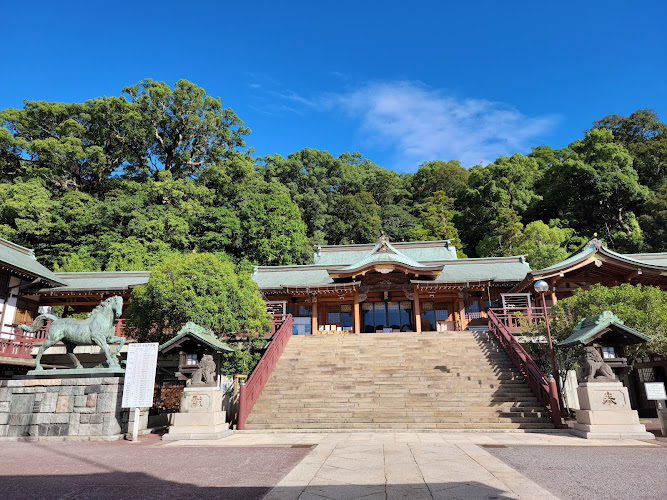
Suwa Shrine is the kind of place that doesn’t rush you. And honestly, that’s part of the point. Known for its long staircase and 17th-century origins, this Shinto shrine feels earned rather than handed to you. You climb, you pause, you catch your breath, and by the time you reach the top, your head is already quieter than when you started. That physical effort seems intentional, like the shrine is politely asking visitors to leave everyday noise at the bottom.

The shrine has been around in one form or another for centuries, and it shows. Not in a dusty, museum-like way, but in how comfortable everything feels with time passing. Wood darkened by weather, stone worn smooth by countless footsteps, and the faint smell of incense hanging in the air. It’s active, not frozen in history. Locals still come here to pray, school groups shuffle through, and travelers stand off to the side trying to read the room. And yes, you should read the room. This is a living religious site first, tourist attraction second.

What often surprises visitors is how expansive the grounds feel once you get past the stairs. The main hall sits with quiet authority, while smaller shrines and ritual spaces branch off in a way that feels organic rather than planned. There are moments when you’ll hear nothing but wind and crows, and then suddenly the sound of clapping hands as someone offers a prayer. It’s grounding. Even skeptical travelers tend to soften here.

There’s a balance to Suwa Shrine that not everyone catches on the first visit. Some people expect dramatic architecture or flashy photo ops and walk away underwhelmed. Others, the ones who slow down, seem to leave with something heavier, in a good way. The place rewards patience. And maybe that’s why so many people come back.

Key Features

  • Long stone staircase that sets a reflective tone before reaching the main shrine area
  • Historic Shinto architecture dating back to the 17th century, with visible layers of age
  • Multiple annual festivals that bring the grounds to life with ritual, color, and sound
  • Active place of worship where local customs and etiquette still matter
  • Peaceful atmosphere that shifts depending on time of day and season
  • On-site restrooms, which sounds boring until you really need one halfway through a visit
  • Wheelchair-accessible parking available, though the stairs themselves are not accessible

Best Time to Visit

The best time to visit Suwa Shrine depends on what you’re chasing. Quiet reflection? Early morning on a weekday wins, no contest. The light is soft, the air feels cleaner, and you might share the space with only a handful of locals. There’s something special about hearing your own footsteps echo on the stairs. It’s a little eerie, but the good kind.

If you’re more interested in seeing the shrine in full motion, aim for one of the annual festivals. These events can get crowded, loud, and occasionally confusing if you don’t speak Japanese, but they’re unforgettable. Ritual dances, traditional clothing, food stalls popping up nearby. The shrine stops being serene and becomes energetic, almost buzzing. And that contrast helps you understand why the place matters so much to the community.

Seasonally, spring and autumn are the obvious favorites. Cherry blossoms soften the edges of the grounds in spring, while autumn brings crisp air and dramatic foliage. Summer can be humid, and that staircase will remind you of it. Winter, on the other hand, has a stark beauty. Fewer visitors, colder stone, and a sense that the shrine is holding its breath. Just dress warmly.

How to Get There

Getting to Suwa Shrine is fairly straightforward, but it does require a bit of planning depending on where you’re coming from. Most travelers arrive via regional train lines and then continue on foot or by local transport. The walk itself is part of the experience, gradually shifting from everyday streets to something more contemplative.

For those driving, parking is available nearby, including options that accommodate wheelchairs. It’s worth noting, though, that once you’re out of the car, the shrine experience is very much vertical. The staircase is unavoidable. If mobility is a concern, this is something to factor in early, not at the base of the steps.

Public transportation tends to be reliable, but timetables can thin out in the evening. Plan your return trip before you get too comfortable wandering the grounds. More than once, travelers have lingered a bit too long and ended up sprinting for the last train. Not ideal, but it happens.

Tips for Visiting

First tip, and it sounds obvious, but take the stairs slowly. This isn’t a race. People rushing past others tend to break the mood, and honestly, they look miserable doing it. Pause, look around, let your breathing settle. That’s kind of the whole deal.

Pay attention to basic shrine etiquette. Bowing at the torii gate, washing hands before prayer, and keeping voices low go a long way. No one expects perfection from visitors, but effort is noticed. I once watched a traveler mock the rituals for a photo, and the atmosphere around them went ice-cold. Don’t be that person.

Photography is allowed in many areas, but restraint matters. Not every moment needs a camera. Some of the best memories from Suwa Shrine aren’t photogenic anyway. They’re sensory. The sound of gravel, the smell of wood, the way the air feels different near the main hall. Hard to post that online, but you’ll remember it.

Wear comfortable shoes. Again, obvious, but ignored far too often. The stairs, the gravel paths, the standing around during festivals—it adds up. Fashion can wait. Your feet will thank you.

Lastly, give yourself time. Suwa Shrine isn’t a checkbox destination. It’s a place that unfolds slowly. Sit for a while. Watch how locals interact with the space. And if you leave feeling slightly calmer than when you arrived, then yeah, you did it right.

Key Features

  • Long stone staircase that sets a reflective tone before reaching the main shrine area
  • Historic Shinto architecture dating back to the 17th century, with visible layers of age
  • Multiple annual festivals that bring the grounds to life with ritual, color, and sound
  • Active place of worship where local customs and etiquette still matter
  • Peaceful atmosphere that shifts depending on time of day and season
  • On-site restrooms, which sounds boring until you really need one halfway through a visit
  • Wheelchair-accessible parking available, though the stairs themselves are not accessible

More Details

Updated December 31, 2025

Description

Suwa Shrine is the kind of place that doesn’t rush you. And honestly, that’s part of the point. Known for its long staircase and 17th-century origins, this Shinto shrine feels earned rather than handed to you. You climb, you pause, you catch your breath, and by the time you reach the top, your head is already quieter than when you started. That physical effort seems intentional, like the shrine is politely asking visitors to leave everyday noise at the bottom.

The shrine has been around in one form or another for centuries, and it shows. Not in a dusty, museum-like way, but in how comfortable everything feels with time passing. Wood darkened by weather, stone worn smooth by countless footsteps, and the faint smell of incense hanging in the air. It’s active, not frozen in history. Locals still come here to pray, school groups shuffle through, and travelers stand off to the side trying to read the room. And yes, you should read the room. This is a living religious site first, tourist attraction second.

What often surprises visitors is how expansive the grounds feel once you get past the stairs. The main hall sits with quiet authority, while smaller shrines and ritual spaces branch off in a way that feels organic rather than planned. There are moments when you’ll hear nothing but wind and crows, and then suddenly the sound of clapping hands as someone offers a prayer. It’s grounding. Even skeptical travelers tend to soften here.

There’s a balance to Suwa Shrine that not everyone catches on the first visit. Some people expect dramatic architecture or flashy photo ops and walk away underwhelmed. Others, the ones who slow down, seem to leave with something heavier, in a good way. The place rewards patience. And maybe that’s why so many people come back.

Key Features

  • Long stone staircase that sets a reflective tone before reaching the main shrine area
  • Historic Shinto architecture dating back to the 17th century, with visible layers of age
  • Multiple annual festivals that bring the grounds to life with ritual, color, and sound
  • Active place of worship where local customs and etiquette still matter
  • Peaceful atmosphere that shifts depending on time of day and season
  • On-site restrooms, which sounds boring until you really need one halfway through a visit
  • Wheelchair-accessible parking available, though the stairs themselves are not accessible

Best Time to Visit

The best time to visit Suwa Shrine depends on what you’re chasing. Quiet reflection? Early morning on a weekday wins, no contest. The light is soft, the air feels cleaner, and you might share the space with only a handful of locals. There’s something special about hearing your own footsteps echo on the stairs. It’s a little eerie, but the good kind.

If you’re more interested in seeing the shrine in full motion, aim for one of the annual festivals. These events can get crowded, loud, and occasionally confusing if you don’t speak Japanese, but they’re unforgettable. Ritual dances, traditional clothing, food stalls popping up nearby. The shrine stops being serene and becomes energetic, almost buzzing. And that contrast helps you understand why the place matters so much to the community.

Seasonally, spring and autumn are the obvious favorites. Cherry blossoms soften the edges of the grounds in spring, while autumn brings crisp air and dramatic foliage. Summer can be humid, and that staircase will remind you of it. Winter, on the other hand, has a stark beauty. Fewer visitors, colder stone, and a sense that the shrine is holding its breath. Just dress warmly.

How to Get There

Getting to Suwa Shrine is fairly straightforward, but it does require a bit of planning depending on where you’re coming from. Most travelers arrive via regional train lines and then continue on foot or by local transport. The walk itself is part of the experience, gradually shifting from everyday streets to something more contemplative.

For those driving, parking is available nearby, including options that accommodate wheelchairs. It’s worth noting, though, that once you’re out of the car, the shrine experience is very much vertical. The staircase is unavoidable. If mobility is a concern, this is something to factor in early, not at the base of the steps.

Public transportation tends to be reliable, but timetables can thin out in the evening. Plan your return trip before you get too comfortable wandering the grounds. More than once, travelers have lingered a bit too long and ended up sprinting for the last train. Not ideal, but it happens.

Tips for Visiting

First tip, and it sounds obvious, but take the stairs slowly. This isn’t a race. People rushing past others tend to break the mood, and honestly, they look miserable doing it. Pause, look around, let your breathing settle. That’s kind of the whole deal.

Pay attention to basic shrine etiquette. Bowing at the torii gate, washing hands before prayer, and keeping voices low go a long way. No one expects perfection from visitors, but effort is noticed. I once watched a traveler mock the rituals for a photo, and the atmosphere around them went ice-cold. Don’t be that person.

Photography is allowed in many areas, but restraint matters. Not every moment needs a camera. Some of the best memories from Suwa Shrine aren’t photogenic anyway. They’re sensory. The sound of gravel, the smell of wood, the way the air feels different near the main hall. Hard to post that online, but you’ll remember it.

Wear comfortable shoes. Again, obvious, but ignored far too often. The stairs, the gravel paths, the standing around during festivals—it adds up. Fashion can wait. Your feet will thank you.

Lastly, give yourself time. Suwa Shrine isn’t a checkbox destination. It’s a place that unfolds slowly. Sit for a while. Watch how locals interact with the space. And if you leave feeling slightly calmer than when you arrived, then yeah, you did it right.

Key Highlights

  • Long stone staircase that sets a reflective tone before reaching the main shrine area
  • Historic Shinto architecture dating back to the 17th century, with visible layers of age
  • Multiple annual festivals that bring the grounds to life with ritual, color, and sound
  • Active place of worship where local customs and etiquette still matter
  • Peaceful atmosphere that shifts depending on time of day and season
  • On-site restrooms, which sounds boring until you really need one halfway through a visit
  • Wheelchair-accessible parking available, though the stairs themselves are not accessible

Location

Places to Stay Near Suwa Shrine

Find and Book a Tour

Explore More Travel Guides

No reviews found! Be the first to review!

Traveler Reviews for Suwa Shrine

There are no reviews yet. Be the first one to write one.

Share Your Experience

Have you visited Suwa Shrine? Help other travelers by sharing your review.

Find Accommodations Nearby

Recommended Tours & Activities

Visitor Reviews

There are no reviews yet. Be the first one to write one.

Share Your Experience

Have you visited Suwa Shrine? Help other travelers by leaving a review.