About Nagasaki Shinchi Chinatown

Description

Nagasaki Shinchi Chinatown is small. Let’s get that out of the way first. If you’re picturing a sprawling maze like the ones in Yokohama or San Francisco, you might blink and think, “Wait, is that it?” And yeah… kind of. But size isn’t the point here. What makes this place special is age, atmosphere, and how tightly it’s woven into Nagasaki’s history as Japan’s long-standing international port city.

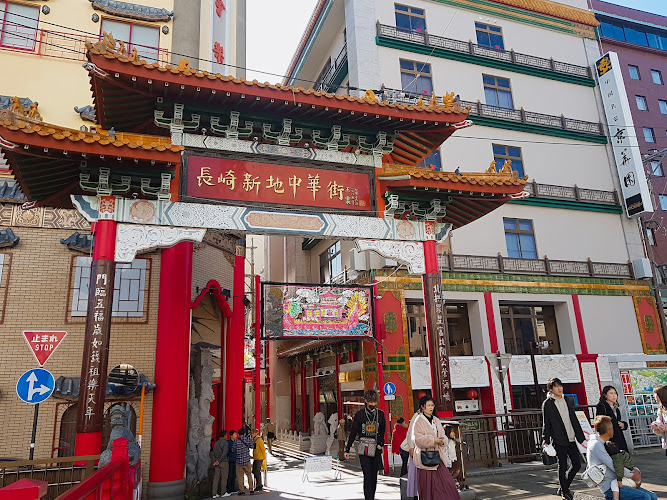
This is widely considered the oldest Chinatown in Japan, dating back to the 17th century when Chinese merchants were allowed to trade in Nagasaki while most of the country was closed off. That alone gives the area a different feel. It’s not a theme park version of a Chinatown. It feels lived-in, slightly worn, a little chaotic, and honestly, that’s part of its charm. The streets are short, but dense with food smells, red lanterns, and shop signs shouting for your attention.

Walking through Shinchi Chinatown, you’re never far from a steaming bowl of champon noodles or a vendor frying something that smells way better than whatever you ate earlier. Restaurants dominate the scene here. Some are flashy with plastic food displays and bright signage, others are quieter, family-run spots where the menu is taped to the wall and no one speaks much English. I once ducked into one of those on a rainy afternoon, pointed at a photo, and ended up with the best sara udon of my life. Or maybe I was just really hungry. Hard to say.

The area also works as a kind of business park in miniature. Shops sell Chinese sweets, tea, lanterns, and random souvenirs you didn’t know you wanted until you saw them. During the day it’s fairly relaxed, almost sleepy at times. But when evening hits, especially on weekends, the lanterns switch on and the place changes mood. And if you’re lucky enough to be here during the Lantern Festival, it’s a whole different beast.

The annual Lantern Festival, usually held around Lunar New Year, is what puts Shinchi Chinatown on many travelers’ radar. Thousands of lanterns light up the streets, parades move through nearby areas, and the whole district feels louder, brighter, and more alive than usual. It can get crowded, yes. But there’s a reason people keep coming back. It feels celebratory in a way that’s infectious, even if you don’t know what’s going on half the time.

It’s worth mentioning that Shinchi Chinatown isn’t perfectly polished. Some visitors walk away underwhelmed, expecting more scale or spectacle. Others absolutely love its compact, old-school vibe. The truth sits somewhere in the middle. It’s not an all-day attraction, but it doesn’t need to be. Think of it as a flavorful stop rather than the main course of your Nagasaki trip.

Key Features

  • Historic significance: Recognized as Japan’s oldest Chinatown, tied directly to Nagasaki’s centuries-old trade with China.
  • Lantern Festival: A yearly highlight with glowing lanterns, performances, and seasonal street energy that changes the whole mood.
  • Food-focused streets: Famous for Nagasaki champon, sara udon, pork buns, and Chinese-Japanese fusion dishes you won’t find elsewhere.
  • Compact layout: Easy to explore on foot in under an hour, but tempting enough to linger longer if food is involved. And it usually is.
  • Shops and small businesses: Tea stores, confectionery shops, lantern sellers, and souvenir stands packed tightly together.
  • Evening atmosphere: Red lanterns lighting narrow streets create a totally different feel after sunset.
  • Cultural blend: A visible mix of Chinese traditions adapted to Japanese tastes and daily life.

Best Time to Visit

Timing matters more here than you might think. Visit Shinchi Chinatown at the wrong moment and it can feel rushed or oddly quiet. Get it right, and it sticks with you.

The absolute peak is during the Lantern Festival around late January to mid-February. If crowds don’t scare you, this is when the area shines, literally. Lanterns line the streets, performances spill into nearby plazas, and food stalls crank things up a notch. It’s busy, sometimes uncomfortably so, but it’s also unforgettable. I remember squeezing through the streets with strangers, all of us craning our necks upward at the lights, smiling like idiots. Worth it.

Outside festival season, evenings are still the sweet spot. Come around sunset when restaurants are firing up their kitchens and the lanterns start glowing. Midday is fine if you’re nearby, but it lacks the atmosphere that makes Shinchi special. Early mornings? Honestly, skip it unless you’re just passing through.

Season-wise, spring and autumn are ideal. Summers in Nagasaki can be hot and sticky, and walking around while sweating through your shirt makes the whole experience less fun. Winter is quieter and cooler, and unless you hit festival time, you’ll have more space to wander.

How to Get There

Getting to Nagasaki Shinchi Chinatown is refreshingly easy, especially if you’re already in the city center. Nagasaki’s tram system is straightforward and, dare I say, kind of charming. Hop on, watch the city roll by, and you’ll be dropped close enough that you can smell food before you see the lanterns.

If you’re staying near Nagasaki Station or the harbor area, public transport is your best bet. Trams run frequently, and signs are tourist-friendly. Walking is also an option if you’re up for it. Nagasaki is hilly in places, but this area is relatively flat, which your legs will appreciate.

Taxis are plentiful too, though usually unnecessary unless you’re short on time or traveling with a group. Just note that the immediate area isn’t particularly car-friendly, and parking options are limited.

One thing to be aware of: accessibility is not Shinchi Chinatown’s strong suit. Streets are narrow, sidewalks uneven, and wheelchair-friendly parking isn’t readily available. It’s manageable for many, but it’s good to know ahead of time so there are no surprises.

Tips for Visiting

First tip: come hungry. I can’t stress this enough. Even if you plan to eat elsewhere, Shinchi Chinatown will test your willpower. My personal rule is to skip a big lunch and let the smells guide me. It rarely ends badly.

Second, don’t over-plan. This isn’t a checklist destination. Wander, peek into restaurants, and follow whatever looks interesting. Some of the best meals come from places you didn’t research beforehand. And yes, menus might be confusing. That’s half the fun.

Third, manage expectations. If you’re expecting a massive district with endless streets, you may feel let down. But if you treat it as a cultural pocket with history, food, and personality, it delivers.

Fourth, evenings are better than afternoons, and festival time is better than any other time, crowds aside. If you’re visiting during the Lantern Festival, arrive earlier than you think you need to. The area fills up fast.

Finally, take a moment to look beyond the shops. Notice the details: the mix of Chinese characters and Japanese signs, the way locals move through the space like it’s just another neighborhood, the older buildings tucked between newer ones. Shinchi Chinatown isn’t flashy in a modern sense. It’s layered. And those layers are what make it memorable.

If you’re the kind of traveler who enjoys places that feel real, a little imperfect, and deeply tied to local history, Nagasaki Shinchi Chinatown deserves a spot on your itinerary. It might not shout for attention, but once you’re there, it quietly earns it.

Key Features

  • Key Features
  • Best Time to Visit
  • How to Get There
  • Tips for Visiting

More Details

Updated December 31, 2025


Description

Nagasaki Shinchi Chinatown is small. Let’s get that out of the way first. If you’re picturing a sprawling maze like the ones in Yokohama or San Francisco, you might blink and think, “Wait, is that it?” And yeah… kind of. But size isn’t the point here. What makes this place special is age, atmosphere, and how tightly it’s woven into Nagasaki’s history as Japan’s long-standing international port city.

This is widely considered the oldest Chinatown in Japan, dating back to the 17th century when Chinese merchants were allowed to trade in Nagasaki while most of the country was closed off. That alone gives the area a different feel. It’s not a theme park version of a Chinatown. It feels lived-in, slightly worn, a little chaotic, and honestly, that’s part of its charm. The streets are short, but dense with food smells, red lanterns, and shop signs shouting for your attention.

Walking through Shinchi Chinatown, you’re never far from a steaming bowl of champon noodles or a vendor frying something that smells way better than whatever you ate earlier. Restaurants dominate the scene here. Some are flashy with plastic food displays and bright signage, others are quieter, family-run spots where the menu is taped to the wall and no one speaks much English. I once ducked into one of those on a rainy afternoon, pointed at a photo, and ended up with the best sara udon of my life. Or maybe I was just really hungry. Hard to say.

The area also works as a kind of business park in miniature. Shops sell Chinese sweets, tea, lanterns, and random souvenirs you didn’t know you wanted until you saw them. During the day it’s fairly relaxed, almost sleepy at times. But when evening hits, especially on weekends, the lanterns switch on and the place changes mood. And if you’re lucky enough to be here during the Lantern Festival, it’s a whole different beast.

The annual Lantern Festival, usually held around Lunar New Year, is what puts Shinchi Chinatown on many travelers’ radar. Thousands of lanterns light up the streets, parades move through nearby areas, and the whole district feels louder, brighter, and more alive than usual. It can get crowded, yes. But there’s a reason people keep coming back. It feels celebratory in a way that’s infectious, even if you don’t know what’s going on half the time.

It’s worth mentioning that Shinchi Chinatown isn’t perfectly polished. Some visitors walk away underwhelmed, expecting more scale or spectacle. Others absolutely love its compact, old-school vibe. The truth sits somewhere in the middle. It’s not an all-day attraction, but it doesn’t need to be. Think of it as a flavorful stop rather than the main course of your Nagasaki trip.

Key Features

  • Historic significance: Recognized as Japan’s oldest Chinatown, tied directly to Nagasaki’s centuries-old trade with China.
  • Lantern Festival: A yearly highlight with glowing lanterns, performances, and seasonal street energy that changes the whole mood.
  • Food-focused streets: Famous for Nagasaki champon, sara udon, pork buns, and Chinese-Japanese fusion dishes you won’t find elsewhere.
  • Compact layout: Easy to explore on foot in under an hour, but tempting enough to linger longer if food is involved. And it usually is.
  • Shops and small businesses: Tea stores, confectionery shops, lantern sellers, and souvenir stands packed tightly together.
  • Evening atmosphere: Red lanterns lighting narrow streets create a totally different feel after sunset.
  • Cultural blend: A visible mix of Chinese traditions adapted to Japanese tastes and daily life.

Best Time to Visit

Timing matters more here than you might think. Visit Shinchi Chinatown at the wrong moment and it can feel rushed or oddly quiet. Get it right, and it sticks with you.

The absolute peak is during the Lantern Festival around late January to mid-February. If crowds don’t scare you, this is when the area shines, literally. Lanterns line the streets, performances spill into nearby plazas, and food stalls crank things up a notch. It’s busy, sometimes uncomfortably so, but it’s also unforgettable. I remember squeezing through the streets with strangers, all of us craning our necks upward at the lights, smiling like idiots. Worth it.

Outside festival season, evenings are still the sweet spot. Come around sunset when restaurants are firing up their kitchens and the lanterns start glowing. Midday is fine if you’re nearby, but it lacks the atmosphere that makes Shinchi special. Early mornings? Honestly, skip it unless you’re just passing through.

Season-wise, spring and autumn are ideal. Summers in Nagasaki can be hot and sticky, and walking around while sweating through your shirt makes the whole experience less fun. Winter is quieter and cooler, and unless you hit festival time, you’ll have more space to wander.

How to Get There

Getting to Nagasaki Shinchi Chinatown is refreshingly easy, especially if you’re already in the city center. Nagasaki’s tram system is straightforward and, dare I say, kind of charming. Hop on, watch the city roll by, and you’ll be dropped close enough that you can smell food before you see the lanterns.

If you’re staying near Nagasaki Station or the harbor area, public transport is your best bet. Trams run frequently, and signs are tourist-friendly. Walking is also an option if you’re up for it. Nagasaki is hilly in places, but this area is relatively flat, which your legs will appreciate.

Taxis are plentiful too, though usually unnecessary unless you’re short on time or traveling with a group. Just note that the immediate area isn’t particularly car-friendly, and parking options are limited.

One thing to be aware of: accessibility is not Shinchi Chinatown’s strong suit. Streets are narrow, sidewalks uneven, and wheelchair-friendly parking isn’t readily available. It’s manageable for many, but it’s good to know ahead of time so there are no surprises.

Tips for Visiting

First tip: come hungry. I can’t stress this enough. Even if you plan to eat elsewhere, Shinchi Chinatown will test your willpower. My personal rule is to skip a big lunch and let the smells guide me. It rarely ends badly.

Second, don’t over-plan. This isn’t a checklist destination. Wander, peek into restaurants, and follow whatever looks interesting. Some of the best meals come from places you didn’t research beforehand. And yes, menus might be confusing. That’s half the fun.

Third, manage expectations. If you’re expecting a massive district with endless streets, you may feel let down. But if you treat it as a cultural pocket with history, food, and personality, it delivers.

Fourth, evenings are better than afternoons, and festival time is better than any other time, crowds aside. If you’re visiting during the Lantern Festival, arrive earlier than you think you need to. The area fills up fast.

Finally, take a moment to look beyond the shops. Notice the details: the mix of Chinese characters and Japanese signs, the way locals move through the space like it’s just another neighborhood, the older buildings tucked between newer ones. Shinchi Chinatown isn’t flashy in a modern sense. It’s layered. And those layers are what make it memorable.

If you’re the kind of traveler who enjoys places that feel real, a little imperfect, and deeply tied to local history, Nagasaki Shinchi Chinatown deserves a spot on your itinerary. It might not shout for attention, but once you’re there, it quietly earns it.

Key Highlights

  • Key Features
  • Best Time to Visit
  • How to Get There
  • Tips for Visiting

Location

Places to Stay Near Nagasaki Shinchi Chinatown

Find and Book a Tour

Explore More Travel Guides

No reviews found! Be the first to review!

Traveler Reviews for Nagasaki Shinchi Chinatown

There are no reviews yet. Be the first one to write one.

Share Your Experience

Have you visited Nagasaki Shinchi Chinatown? Help other travelers by sharing your review.

Find Accommodations Nearby

Recommended Tours & Activities

Visitor Reviews

There are no reviews yet. Be the first one to write one.

Share Your Experience

Have you visited Nagasaki Shinchi Chinatown? Help other travelers by leaving a review.