About Nagasaki Atomic Bomb Museum

Description

The Nagasaki Atomic Bomb Museum is not a place travelers usually describe as “enjoyable,” and honestly, that’s the point. It’s a museum that asks for your attention and your empathy, and then it quietly rearranges how you think about war, technology, and the cost of human decisions. Dedicated to documenting the atomic bombing of Nagasaki in 1945, the museum uses photographs, survivor accounts, personal belongings, and historical records to tell a story that is both deeply local and globally relevant.

From a third-person perspective, the museum functions as a bridge between history and conscience. Visitors don’t just learn what happened; they are guided through why it mattered then and why it still matters now. The exhibits trace Nagasaki before the bombing, the moment of destruction, and the long aftermath—medical, environmental, and emotional. There’s no rush built into the layout. The pacing almost forces visitors to slow down, which can be uncomfortable, but also necessary.

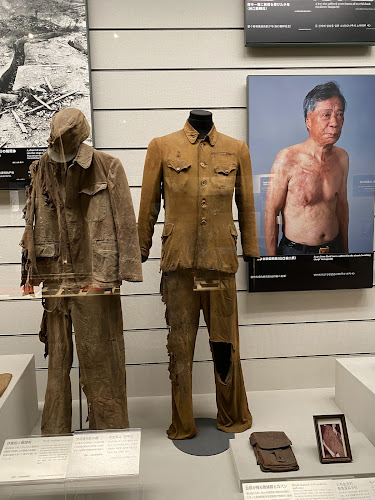
Many travelers arrive expecting a straightforward war museum and leave realizing it’s more of a human story archive. The objects on display are modest in size—melted glass, a stopped watch, fragments of clothing—but heavy with meaning. And yes, it can be overwhelming. But it’s balanced by a strong educational tone rather than shock value. The museum doesn’t shout; it explains.

And here’s a personal aside, because it feels dishonest not to say it. The first time this writer visited, there was a moment of silence that hit harder than any photograph. A school group stood still, unusually quiet, reading survivor letters translated into multiple languages. That silence stuck around long after leaving the building. Travelers often carry that same quiet with them into the rest of Nagasaki.

The overall sentiment toward the museum is largely positive, though not universally glowing. Some visitors find it emotionally intense or wish for more interactive elements, while many others consider it essential. That mix actually feels right. A place dealing with nuclear weapons and civilian loss probably shouldn’t aim to please everyone.

Key Features

  • Chronological exhibits showing Nagasaki before, during, and after the atomic bombing
  • Authentic artifacts recovered from the blast zone, including personal belongings
  • Photographs and newspaper clippings that document both immediate destruction and long-term effects
  • Survivor testimonies presented in text, audio, and visual formats
  • Clear explanations of nuclear weapons science, without turning it into spectacle
  • Educational displays focused on peace, disarmament, and global responsibility
  • Wheelchair-accessible entrance, restrooms, and parking areas
  • Facilities that accommodate children while still respecting the seriousness of the subject
  • Onsite services that make longer visits more manageable, including rest areas

One thing that often surprises travelers is how restrained the museum feels. There’s no dramatic background music, no forced emotional cues. It trusts visitors to feel what they’re going to feel. And that trust goes a long way.

Best Time to Visit

The Nagasaki Atomic Bomb Museum can be visited year-round, but timing does matter for the quality of the experience. Spring and autumn are generally the most comfortable seasons, especially if the museum is part of a longer walking itinerary around Nagasaki. Summers can be hot and humid, and that physical discomfort tends to amplify the emotional weight of the exhibits. Some travelers don’t mind that; others do.

Weekday mornings are typically quieter, making it easier to move through exhibits at your own pace. Afternoons, especially on weekends, attract tour groups and school visits. There’s nothing wrong with that—seeing younger generations engage with the material can be oddly hopeful—but it does change the atmosphere.

Early August holds special significance due to memorial events. Visiting around that time can be powerful, but also crowded and emotionally heavy. For travelers seeking reflection rather than ceremony, late autumn offers a calmer experience. The museum doesn’t change, but the surrounding mood does.

And a small, human note: allocate more time than you think you’ll need. Many people plan for an hour and stay two or more. It’s not because the space is huge; it’s because you’ll pause. A lot.

How to Get There

Reaching the Nagasaki Atomic Bomb Museum is relatively straightforward, even for travelers new to Japan. Public transportation is reliable, and signage in English is clear enough that you won’t feel lost. Trams and buses connect the museum area with major stations and central neighborhoods, making it easy to combine the visit with nearby parks and memorials.

For those traveling by car, both free and paid parking options are available nearby, which is a small but welcome convenience. Accessibility has clearly been considered in the surrounding infrastructure, not just inside the museum. Wheelchair users and families with strollers generally report a smooth experience from arrival to exit.

Some travelers choose to walk from other historical sites in Nagasaki. That walk can be reflective, especially if done quietly. Others prefer public transit to conserve emotional energy, which is also fair. There’s no “right” way to arrive here.

Tips for Visiting

First and foremost, prepare yourself emotionally. This isn’t a casual stop between lunch and shopping. Going in with the right mindset changes everything. It’s okay to feel unsettled; that’s part of the experience.

Give yourself breaks. The museum has restrooms and seating areas, and using them isn’t a sign of weakness. It’s a long emotional climb, and pacing matters. Travelers sometimes forget that emotional fatigue is still fatigue.

Parents traveling with children should know that the museum is considered suitable for kids, but context matters. Younger children may not grasp the full meaning, while older kids often surprise adults with thoughtful questions. Talking through exhibits together helps. Silence isn’t the only respectful response; conversation can be too.

Photography policies should be respected. Not every exhibit is meant to be captured or shared. Some moments are better left as memories, even in a world obsessed with documenting everything.

And here’s an opinionated tip, take it or leave it. Don’t rush out immediately afterward. Sit somewhere nearby. Have a coffee. Write a few notes. The museum plants ideas that need a little time to settle. This writer once tried to jump straight onto a crowded tram afterward and regretted it. The noise felt wrong.

Finally, remember that the Nagasaki Atomic Bomb Museum isn’t about assigning blame to individuals visiting today. It’s about understanding consequences and carrying that understanding forward. Travelers who approach it with openness usually leave with something quietly valuable. Not a souvenir, but a perspective shift. And those tend to last longer.

Key Features

  • Chronological exhibits showing Nagasaki before, during, and after the atomic bombing
  • Authentic artifacts recovered from the blast zone, including personal belongings
  • Photographs and newspaper clippings that document both immediate destruction and long-term effects
  • Survivor testimonies presented in text, audio, and visual formats
  • Clear explanations of nuclear weapons science, without turning it into spectacle
  • Educational displays focused on peace, disarmament, and global responsibility
  • Wheelchair-accessible entrance, restrooms, and parking areas
  • Facilities that accommodate children while still respecting the seriousness of the subject

More Details

Updated January 1, 2026

Description

The Nagasaki Atomic Bomb Museum is not a place travelers usually describe as “enjoyable,” and honestly, that’s the point. It’s a museum that asks for your attention and your empathy, and then it quietly rearranges how you think about war, technology, and the cost of human decisions. Dedicated to documenting the atomic bombing of Nagasaki in 1945, the museum uses photographs, survivor accounts, personal belongings, and historical records to tell a story that is both deeply local and globally relevant.

From a third-person perspective, the museum functions as a bridge between history and conscience. Visitors don’t just learn what happened; they are guided through why it mattered then and why it still matters now. The exhibits trace Nagasaki before the bombing, the moment of destruction, and the long aftermath—medical, environmental, and emotional. There’s no rush built into the layout. The pacing almost forces visitors to slow down, which can be uncomfortable, but also necessary.

Many travelers arrive expecting a straightforward war museum and leave realizing it’s more of a human story archive. The objects on display are modest in size—melted glass, a stopped watch, fragments of clothing—but heavy with meaning. And yes, it can be overwhelming. But it’s balanced by a strong educational tone rather than shock value. The museum doesn’t shout; it explains.

And here’s a personal aside, because it feels dishonest not to say it. The first time this writer visited, there was a moment of silence that hit harder than any photograph. A school group stood still, unusually quiet, reading survivor letters translated into multiple languages. That silence stuck around long after leaving the building. Travelers often carry that same quiet with them into the rest of Nagasaki.

The overall sentiment toward the museum is largely positive, though not universally glowing. Some visitors find it emotionally intense or wish for more interactive elements, while many others consider it essential. That mix actually feels right. A place dealing with nuclear weapons and civilian loss probably shouldn’t aim to please everyone.

Key Features

  • Chronological exhibits showing Nagasaki before, during, and after the atomic bombing
  • Authentic artifacts recovered from the blast zone, including personal belongings
  • Photographs and newspaper clippings that document both immediate destruction and long-term effects
  • Survivor testimonies presented in text, audio, and visual formats
  • Clear explanations of nuclear weapons science, without turning it into spectacle
  • Educational displays focused on peace, disarmament, and global responsibility
  • Wheelchair-accessible entrance, restrooms, and parking areas
  • Facilities that accommodate children while still respecting the seriousness of the subject
  • Onsite services that make longer visits more manageable, including rest areas

One thing that often surprises travelers is how restrained the museum feels. There’s no dramatic background music, no forced emotional cues. It trusts visitors to feel what they’re going to feel. And that trust goes a long way.

Best Time to Visit

The Nagasaki Atomic Bomb Museum can be visited year-round, but timing does matter for the quality of the experience. Spring and autumn are generally the most comfortable seasons, especially if the museum is part of a longer walking itinerary around Nagasaki. Summers can be hot and humid, and that physical discomfort tends to amplify the emotional weight of the exhibits. Some travelers don’t mind that; others do.

Weekday mornings are typically quieter, making it easier to move through exhibits at your own pace. Afternoons, especially on weekends, attract tour groups and school visits. There’s nothing wrong with that—seeing younger generations engage with the material can be oddly hopeful—but it does change the atmosphere.

Early August holds special significance due to memorial events. Visiting around that time can be powerful, but also crowded and emotionally heavy. For travelers seeking reflection rather than ceremony, late autumn offers a calmer experience. The museum doesn’t change, but the surrounding mood does.

And a small, human note: allocate more time than you think you’ll need. Many people plan for an hour and stay two or more. It’s not because the space is huge; it’s because you’ll pause. A lot.

How to Get There

Reaching the Nagasaki Atomic Bomb Museum is relatively straightforward, even for travelers new to Japan. Public transportation is reliable, and signage in English is clear enough that you won’t feel lost. Trams and buses connect the museum area with major stations and central neighborhoods, making it easy to combine the visit with nearby parks and memorials.

For those traveling by car, both free and paid parking options are available nearby, which is a small but welcome convenience. Accessibility has clearly been considered in the surrounding infrastructure, not just inside the museum. Wheelchair users and families with strollers generally report a smooth experience from arrival to exit.

Some travelers choose to walk from other historical sites in Nagasaki. That walk can be reflective, especially if done quietly. Others prefer public transit to conserve emotional energy, which is also fair. There’s no “right” way to arrive here.

Tips for Visiting

First and foremost, prepare yourself emotionally. This isn’t a casual stop between lunch and shopping. Going in with the right mindset changes everything. It’s okay to feel unsettled; that’s part of the experience.

Give yourself breaks. The museum has restrooms and seating areas, and using them isn’t a sign of weakness. It’s a long emotional climb, and pacing matters. Travelers sometimes forget that emotional fatigue is still fatigue.

Parents traveling with children should know that the museum is considered suitable for kids, but context matters. Younger children may not grasp the full meaning, while older kids often surprise adults with thoughtful questions. Talking through exhibits together helps. Silence isn’t the only respectful response; conversation can be too.

Photography policies should be respected. Not every exhibit is meant to be captured or shared. Some moments are better left as memories, even in a world obsessed with documenting everything.

And here’s an opinionated tip, take it or leave it. Don’t rush out immediately afterward. Sit somewhere nearby. Have a coffee. Write a few notes. The museum plants ideas that need a little time to settle. This writer once tried to jump straight onto a crowded tram afterward and regretted it. The noise felt wrong.

Finally, remember that the Nagasaki Atomic Bomb Museum isn’t about assigning blame to individuals visiting today. It’s about understanding consequences and carrying that understanding forward. Travelers who approach it with openness usually leave with something quietly valuable. Not a souvenir, but a perspective shift. And those tend to last longer.

Key Highlights

  • Chronological exhibits showing Nagasaki before, during, and after the atomic bombing
  • Authentic artifacts recovered from the blast zone, including personal belongings
  • Photographs and newspaper clippings that document both immediate destruction and long-term effects
  • Survivor testimonies presented in text, audio, and visual formats
  • Clear explanations of nuclear weapons science, without turning it into spectacle
  • Educational displays focused on peace, disarmament, and global responsibility
  • Wheelchair-accessible entrance, restrooms, and parking areas
  • Facilities that accommodate children while still respecting the seriousness of the subject

Location

Places to Stay Near Nagasaki Atomic Bomb Museum

Find and Book a Tour

Explore More Travel Guides

No reviews found! Be the first to review!

Traveler Reviews for Nagasaki Atomic Bomb Museum

There are no reviews yet. Be the first one to write one.

Share Your Experience

Have you visited Nagasaki Atomic Bomb Museum? Help other travelers by sharing your review.

Find Accommodations Nearby

Recommended Tours & Activities

Visitor Reviews

There are no reviews yet. Be the first one to write one.

Share Your Experience

Have you visited Nagasaki Atomic Bomb Museum? Help other travelers by leaving a review.