
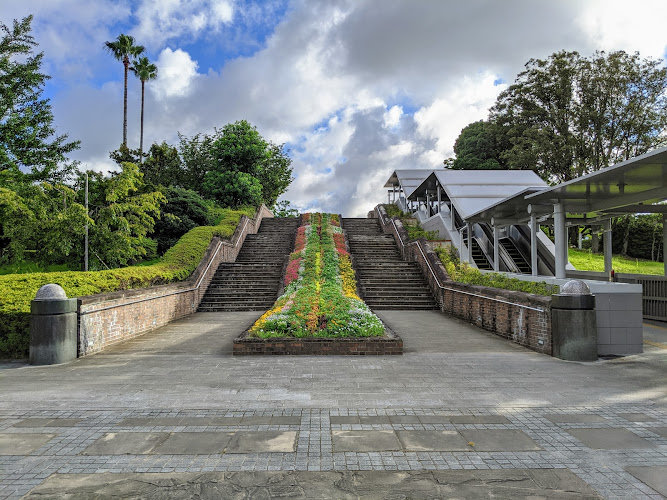
Peace Park Nagasaki
About Peace Park Nagasaki
Description
Peace Park Nagasaki is not the sort of place that tries to impress you with spectacle. It doesn’t need to. Built in 1955, this memorial park exists for a quieter, heavier purpose: honoring the victims of the atomic bombing of August 9, 1945, and reminding the rest of the world—yes, including you strolling in with a camera and a coffee—why peace isn’t just a nice idea, it’s a necessity. The park sits on ground once torn apart by unimaginable force. Today, it feels composed, almost regal, but never cold.
The space is wide and orderly, with long paths, open lawns, and monuments that ask you to slow down. And people do. You’ll see school groups walking in lines, elderly locals resting on benches, travelers pausing mid-step because something suddenly hits them. It’s not sadness exactly. It’s awareness. That’s the word that kept coming back to me the first time I visited, jet-lagged and unsure what I was supposed to feel.
Peace Park Nagasaki balances remembrance and hope better than most memorial sites. There’s grief here, no doubt. But it’s paired with intention. Statues donated by countries around the world stand as symbols of global commitment to peace, which sounds lofty on paper but feels surprisingly grounded when you’re actually there, reading the plaques, noticing the different artistic styles, realizing how international this message really is.
The centerpiece, the Peace Statue, is hard to miss. One hand points skyward, a reminder of the threat from above. The other extends horizontally, signaling peace. The face is calm, not angry, not pleading. Just steady. Some people stand there a long time. Others snap a photo and move on. Both reactions seem valid. This park doesn’t demand anything from you, which is part of why it works.
Travelers often pair Peace Park Nagasaki with nearby historical sites, but the park itself deserves unhurried time. It’s clean, accessible, and thoughtfully laid out. And yes, it’s a tourist attraction, but it doesn’t feel touristy in the cheap sense. There’s an underlying seriousness that most visitors respect. Even kids tend to quiet down here, which tells you something.
Key Features
- The Peace Statue, a powerful symbol of remembrance and global peace awareness
- International Peace Zone with monuments donated by countries from around the world
- Wide, accessible walking paths suitable for wheelchairs and strollers
- Open green spaces designed for reflection rather than recreation
- Public restrooms conveniently located and well maintained
- Dog-friendly areas, with locals often walking pets quietly through the park
- Family-friendly atmosphere that encourages learning and respectful curiosity
Best Time to Visit
The park is open year-round, but timing does change the experience. Spring, especially late March to early April, brings mild weather and cherry blossoms. The contrast is striking—soft pink petals falling in a place defined by tragedy. It’s beautiful, but also a little unsettling, in a good way. Summer can be hot and humid, and August carries extra emotional weight because of the bombing anniversary on August 9. Ceremonies and crowds increase around that time, which can be meaningful or overwhelming depending on your mood.
Autumn is, in my opinion, the sweet spot. Cooler air, fewer tour groups, and a calmer rhythm. Winter is quieter still, with a kind of stripped-back honesty to it. No blossoms, no ceremonies, just monuments and sky. If you want space to think, winter mornings are hard to beat.
Time of day matters too. Early morning visits feel almost private, especially on weekdays. Midday brings school groups and tour buses. Late afternoon light softens the statues and gives the park a gentler feel. If you’re the reflective type, aim for that window before sunset. And if you’re not, well, you might become one.
How to Get There
Peace Park Nagasaki is easy to reach using the city’s public transportation system, which is refreshingly straightforward for first-time visitors. Trams are the most common way travelers arrive, and they’re efficient, affordable, and oddly charming. Riding one feels like slipping into daily life rather than hovering above it as a tourist.
From central Nagasaki, the journey doesn’t take long. Stations are clearly marked, and once you arrive, the park is a short, flat walk away. The route is well signposted, so there’s little chance of getting lost. And even if you do wander slightly off path, the surrounding neighborhood is calm and residential, not stressful.
Taxis are also an option, especially if mobility is a concern. Drivers generally know the park well, and accessibility features like wheelchair-friendly entrances and parking areas make arrival smooth. For those traveling with kids or older family members, that ease matters more than you might think.
Tips for Visiting
First tip, and this comes from experience: give yourself more time than you think you need. Many travelers budget an hour and regret rushing. Two hours allows you to walk, read, sit, and process. There’s no audio guide barking facts at you, so your pace sets the tone.
Second, read the inscriptions. It’s tempting to skim, but the details matter. Dates, names, dedications from other nations—they build a fuller picture of how wide the impact of 1945 really was. And don’t worry if you feel a bit lost emotionally. That’s normal. I remember standing there thinking I should feel one clear thing, and instead I felt ten conflicting ones.
Photography is allowed, but be mindful. This isn’t the place for dramatic poses or loud commentary. Most visitors naturally lower their voices. Follow that lead. If you’re traveling with children, talk to them beforehand. The park is good for kids, yes, but context helps them understand why this isn’t a playground, even though it looks like a park.
Bring water in warmer months, and wear comfortable shoes. The paths are smooth, but the area is larger than it appears on maps. Dogs are allowed, which surprises some visitors, but locals handle this respectfully. If you’re not a dog person, it’s still unlikely to bother you.
Finally, don’t treat Peace Park Nagasaki as a box to tick. It’s not a backdrop. It’s a conversation, one that started long before your trip and will keep going after you leave. Travelers who approach it with patience and openness tend to walk away changed, even if only slightly. And honestly, that’s probably the point.
Key Features
- The Peace Statue, a powerful symbol of remembrance and global peace awareness
- International Peace Zone with monuments donated by countries from around the world
- Wide, accessible walking paths suitable for wheelchairs and strollers
- Open green spaces designed for reflection rather than recreation
- Public restrooms conveniently located and well maintained
- Dog-friendly areas, with locals often walking pets quietly through the park
- Family-friendly atmosphere that encourages learning and respectful curiosity
More Details
Updated December 31, 2025
Table of Contents
Description
Peace Park Nagasaki is not the sort of place that tries to impress you with spectacle. It doesn’t need to. Built in 1955, this memorial park exists for a quieter, heavier purpose: honoring the victims of the atomic bombing of August 9, 1945, and reminding the rest of the world—yes, including you strolling in with a camera and a coffee—why peace isn’t just a nice idea, it’s a necessity. The park sits on ground once torn apart by unimaginable force. Today, it feels composed, almost regal, but never cold.
The space is wide and orderly, with long paths, open lawns, and monuments that ask you to slow down. And people do. You’ll see school groups walking in lines, elderly locals resting on benches, travelers pausing mid-step because something suddenly hits them. It’s not sadness exactly. It’s awareness. That’s the word that kept coming back to me the first time I visited, jet-lagged and unsure what I was supposed to feel.
Peace Park Nagasaki balances remembrance and hope better than most memorial sites. There’s grief here, no doubt. But it’s paired with intention. Statues donated by countries around the world stand as symbols of global commitment to peace, which sounds lofty on paper but feels surprisingly grounded when you’re actually there, reading the plaques, noticing the different artistic styles, realizing how international this message really is.
The centerpiece, the Peace Statue, is hard to miss. One hand points skyward, a reminder of the threat from above. The other extends horizontally, signaling peace. The face is calm, not angry, not pleading. Just steady. Some people stand there a long time. Others snap a photo and move on. Both reactions seem valid. This park doesn’t demand anything from you, which is part of why it works.
Travelers often pair Peace Park Nagasaki with nearby historical sites, but the park itself deserves unhurried time. It’s clean, accessible, and thoughtfully laid out. And yes, it’s a tourist attraction, but it doesn’t feel touristy in the cheap sense. There’s an underlying seriousness that most visitors respect. Even kids tend to quiet down here, which tells you something.
Key Features
- The Peace Statue, a powerful symbol of remembrance and global peace awareness
- International Peace Zone with monuments donated by countries from around the world
- Wide, accessible walking paths suitable for wheelchairs and strollers
- Open green spaces designed for reflection rather than recreation
- Public restrooms conveniently located and well maintained
- Dog-friendly areas, with locals often walking pets quietly through the park
- Family-friendly atmosphere that encourages learning and respectful curiosity
Best Time to Visit
The park is open year-round, but timing does change the experience. Spring, especially late March to early April, brings mild weather and cherry blossoms. The contrast is striking—soft pink petals falling in a place defined by tragedy. It’s beautiful, but also a little unsettling, in a good way. Summer can be hot and humid, and August carries extra emotional weight because of the bombing anniversary on August 9. Ceremonies and crowds increase around that time, which can be meaningful or overwhelming depending on your mood.
Autumn is, in my opinion, the sweet spot. Cooler air, fewer tour groups, and a calmer rhythm. Winter is quieter still, with a kind of stripped-back honesty to it. No blossoms, no ceremonies, just monuments and sky. If you want space to think, winter mornings are hard to beat.
Time of day matters too. Early morning visits feel almost private, especially on weekdays. Midday brings school groups and tour buses. Late afternoon light softens the statues and gives the park a gentler feel. If you’re the reflective type, aim for that window before sunset. And if you’re not, well, you might become one.
How to Get There
Peace Park Nagasaki is easy to reach using the city’s public transportation system, which is refreshingly straightforward for first-time visitors. Trams are the most common way travelers arrive, and they’re efficient, affordable, and oddly charming. Riding one feels like slipping into daily life rather than hovering above it as a tourist.
From central Nagasaki, the journey doesn’t take long. Stations are clearly marked, and once you arrive, the park is a short, flat walk away. The route is well signposted, so there’s little chance of getting lost. And even if you do wander slightly off path, the surrounding neighborhood is calm and residential, not stressful.
Taxis are also an option, especially if mobility is a concern. Drivers generally know the park well, and accessibility features like wheelchair-friendly entrances and parking areas make arrival smooth. For those traveling with kids or older family members, that ease matters more than you might think.
Tips for Visiting
First tip, and this comes from experience: give yourself more time than you think you need. Many travelers budget an hour and regret rushing. Two hours allows you to walk, read, sit, and process. There’s no audio guide barking facts at you, so your pace sets the tone.
Second, read the inscriptions. It’s tempting to skim, but the details matter. Dates, names, dedications from other nations—they build a fuller picture of how wide the impact of 1945 really was. And don’t worry if you feel a bit lost emotionally. That’s normal. I remember standing there thinking I should feel one clear thing, and instead I felt ten conflicting ones.
Photography is allowed, but be mindful. This isn’t the place for dramatic poses or loud commentary. Most visitors naturally lower their voices. Follow that lead. If you’re traveling with children, talk to them beforehand. The park is good for kids, yes, but context helps them understand why this isn’t a playground, even though it looks like a park.
Bring water in warmer months, and wear comfortable shoes. The paths are smooth, but the area is larger than it appears on maps. Dogs are allowed, which surprises some visitors, but locals handle this respectfully. If you’re not a dog person, it’s still unlikely to bother you.
Finally, don’t treat Peace Park Nagasaki as a box to tick. It’s not a backdrop. It’s a conversation, one that started long before your trip and will keep going after you leave. Travelers who approach it with patience and openness tend to walk away changed, even if only slightly. And honestly, that’s probably the point.
Key Highlights
- The Peace Statue, a powerful symbol of remembrance and global peace awareness
- International Peace Zone with monuments donated by countries from around the world
- Wide, accessible walking paths suitable for wheelchairs and strollers
- Open green spaces designed for reflection rather than recreation
- Public restrooms conveniently located and well maintained
- Dog-friendly areas, with locals often walking pets quietly through the park
- Family-friendly atmosphere that encourages learning and respectful curiosity
Location
Places to Stay Near Peace Park Nagasaki
Find and Book a Tour
Explore More Travel Guides
No reviews found! Be the first to review!
Traveler Reviews for Peace Park Nagasaki
There are no reviews yet. Be the first one to write one.
Have you visited Peace Park Nagasaki? Help other travelers by sharing your review.
You Might Also Like

Gunkanjima Digital Museum
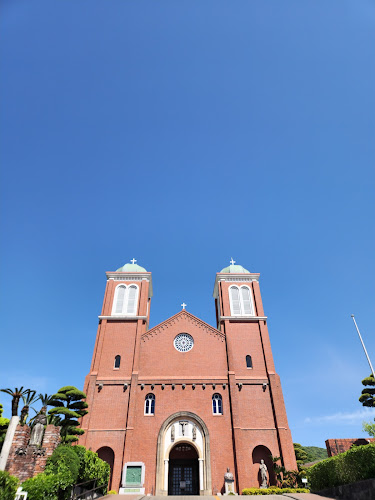
Urakami Cathedral
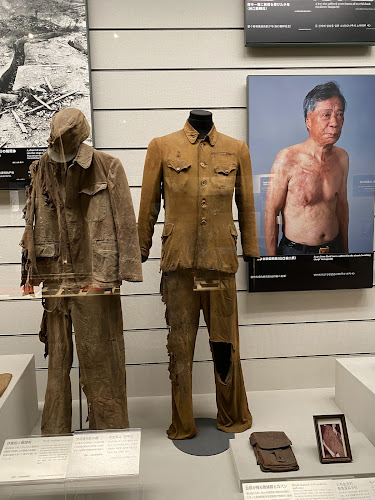
Nagasaki Atomic Bomb Museum
Find Accommodations Nearby
Recommended Tours & Activities
Visitor Reviews
There are no reviews yet. Be the first one to write one.
Share Your Experience
Have you visited Peace Park Nagasaki? Help other travelers by leaving a review.